A pallet jack helps you move heavy palletized goods quickly and safely across short distances. You will find this tool essential in warehouses, factories, and retail stores for efficient material handling.
Powerful Machinery stands as a trusted provider of quality pallet jacks, known for their commitment to safety and reliability. In busy workplaces, safety matters—common incidents include falling goods, slips, strains, and foot or back injuries.
The right pallet truck boosts productivity while reducing risks, making it a vital part of your daily operations.
Key Takeaways
Pallet jacks are essential tools for moving heavy goods safely in warehouses and retail spaces.
Choose the right type of pallet jack—manual or electric—based on your load requirements and workspace layout.
Regular inspections and maintenance of pallet jacks enhance safety and operational efficiency.
Understanding the key components of a pallet jack helps you operate it effectively and safely.
Investing in ergonomic features and proper training reduces workplace injuries and boosts productivity.
Pallet Jack Overview and Uses
What is a Pallet Jack?
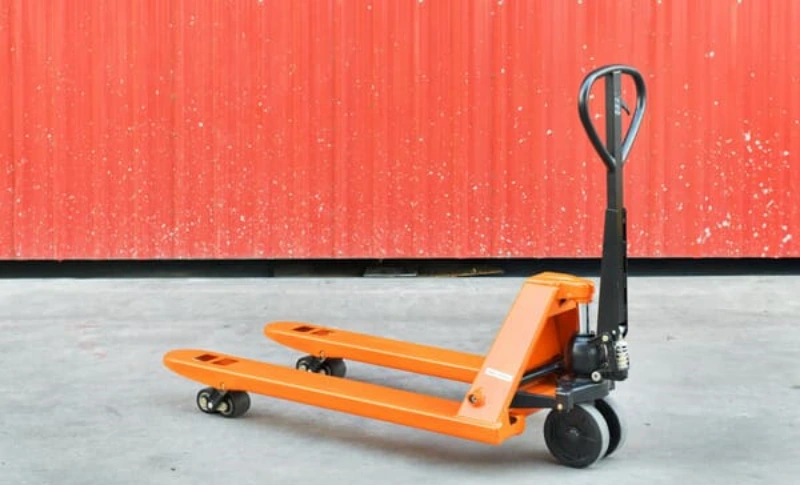
You use a pallet jack to lift and move palletized goods across short distances. This tool is a staple in any warehouse, retail store, or logistics center. Pallet jacks come in several forms, including manual and electric models.
You will find that the types of pallet jacks available today offer solutions for different environments and load requirements. Powerful Machinery manufactures pallet jacks that meet strict international standards, ensuring you get reliable performance and safety every time you operate one.
Powerful Machinery invests in advanced technology and skilled engineers. Their products deliver consistent quality and strong performance. Each pallet jack undergoes rigorous testing to guarantee safety and reliability.
Key Pallet Jack Parts
Understanding the main components of a pallet jack helps you operate it safely and efficiently. The following table outlines the essential parts and their functions:
Component | Functionality Description |
|---|---|
Wheeled trolley | Supports the entire structure and allows for movement. |
Handle | Provides control for the operator to maneuver the jack. |
Hydraulic pump | Lifts and lowers the forks to handle loads. |
Linkages | Connects the handle to the hydraulic pump for operation. |
Load wheels | Facilitate smooth movement over surfaces. |
Forks | Engage with the pallet to lift and transport loads. |
You will notice that each part plays a vital role in the overall operation. The handle and hydraulic pump work together to lift heavy pallets with minimal effort. The load wheels and wheeled trolley make it easy to move goods through tight warehouse aisles.
Forks slide under the pallet, allowing you to raise and transport materials securely.
What is a Pallet Jack Used For?
You rely on pallet jacks to move palletized loads such as boxes, inventory items, and bulk materials. These tools are essential for streamlining operations in warehouses and retail stores. Pallet jack applications include loading and unloading trucks, organizing stock, and transferring goods between storage areas.
You can use different types of pallet jacks depending on your specific needs, whether you handle light products or heavy industrial loads.
The most common pallet jack uses involve transporting goods that are packaged on pallets. You will see operators moving boxes of products, bulk inventory, and other materials that require efficient handling.
Powerful Machinery’s pallet jacks help you achieve operational efficiency, reduce manual labor, and improve safety in your workplace.
Benefit | Description |
|---|---|
Operational Efficiency | Streamlines the movement of pallets and goods, optimizing logistics and distribution operations. |
Reduction of Manual Labor | Minimizes the need for manual handling, enhancing productivity. |
Improved Safety | Features like ergonomic design and safety sensors reduce workplace injuries and fatigue. |
Enhanced Turnaround Times | Enables quick and precise loading/unloading, minimizing downtime in supply chain operations. |
Innovations in Battery Technology | Extends operating hours and reduces charging times for better operational continuity. |
You will find that pallet jacks are indispensable for improving turnaround times and reducing workplace injuries. Powerful Machinery’s commitment to safety and reliability ensures that every pallet jack you use meets the highest standards, making your warehouse operations smoother and safer.
Tip: Choose the right types of pallet jacks for your environment to maximize productivity and safety.
Types of Pallet Jacks
When you explore the types of pallet jacks available today, you discover a wide range of solutions for handling different loads and environments. Each type offers unique features that support safe and efficient pallet jack operation.
Powerful Machinery provides a comprehensive selection, ensuring you find the right equipment for your material handling needs.
Manual Pallet Jacks
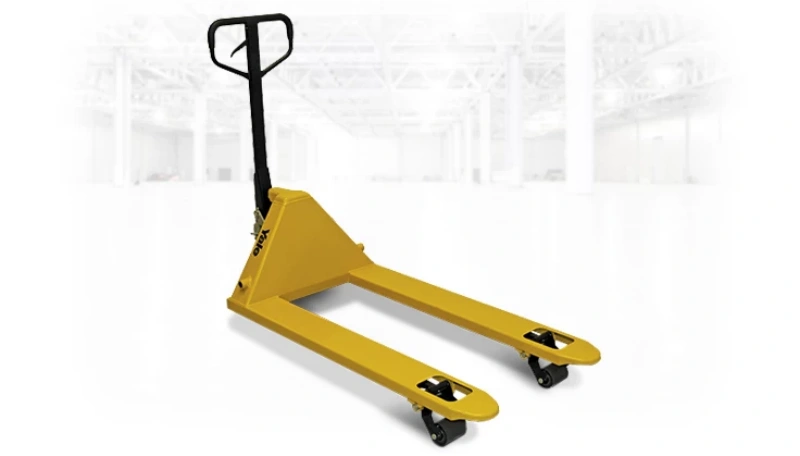
Manual pallet jacks remain a staple in warehouses and retail spaces. You operate these by pumping the handle, which activates the hydraulic system to lift the forks. This type of pallet jack is ideal for short-distance handling and moving heavy loads in tight spaces.
You benefit from their simplicity, low maintenance, and cost-effectiveness.
The average load capacity of manual pallet jacks ranges from 1,000 kg to 2,500 kg. Some high-end models can transport heavy loads up to 5,000 kg.
You can use manual pallet jacks for applications such as loading trucks, organizing stock, and transferring goods between storage areas.
Powerful Machinery’s manual pallet jacks feature ergonomic handles, robust steel construction, and smooth-rolling polyurethane wheels for easy handling.
Tip: Manual pallet jacks work best for light to medium-duty handling tasks where electric power is not required.
Electric Pallet Jacks
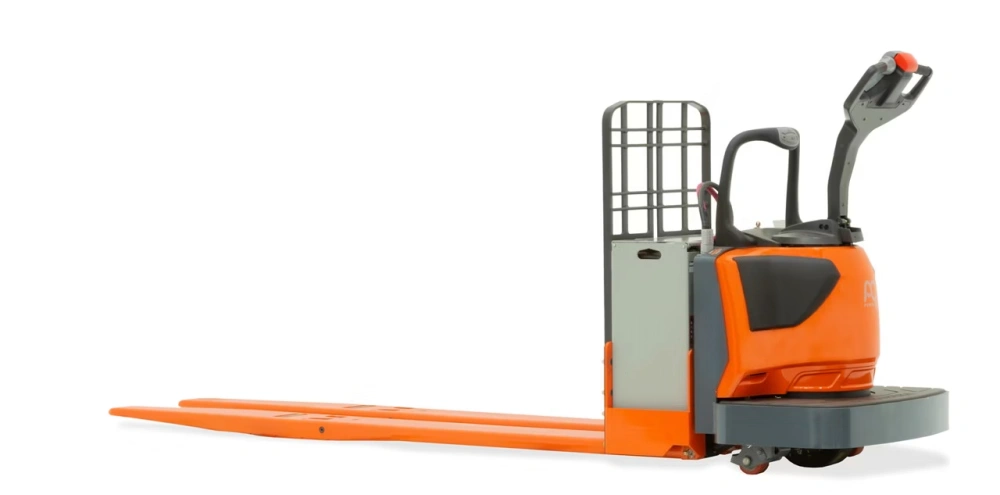
Electric pallet jacks transform your material handling process by reducing manual effort and increasing productivity. You control these machines using powered motors, which lift and move pallets with minimal physical strain. Electric pallet jacks excel in busy warehouses where frequent pallet jack operation is necessary.
Electric pallet jacks offer several advantages:
They reduce manual labor, allowing you to transport heavy loads with less energy.
You experience fewer workplace injuries and increased overall productivity.
These machines handle heavier loads and cover longer distances compared to manual pallet jacks.
Feature | Electric Pallet Jacks | Manual Pallet Jacks |
|---|---|---|
Physical Strain | Reduced due to battery-powered motors | High, requires manual effort |
Load Capacity | Handles heavier loads | Limited by manual lifting capacity |
Distance Handling | Suitable for longer distances | Limited by operator stamina |
Productivity | Increases due to ease of use | Slower due to manual operation |
You can choose from several types of electric pallet jacks, including walkie models, rider models, and center rider trucks. Each type supports different handling applications, from compact warehouse aisles to large distribution centers.
Specialized Models
Specialized pallet jacks address unique handling challenges in specific environments. You may need high-lift pallet jacks for work positioning or all-terrain models for outdoor sites.
Model | Key Features | Best Suited For |
|---|---|---|
All-Terrain Manual Pallet Jack | Large pneumatic tires, reinforced frame, higher ground clearance, capacity: 2,500 to 5,500 lbs | Outdoor worksites, construction sites, facilities with uneven flooring |
High-Lift Manual Pallet Jack | Lift height to 31 inches, manual scissor lift mechanism, capacity: around 2,200 lbs | Work positioning, loading/unloading at varying heights, and small workshops |
You can also find narrow pallet jacks for handling pallets in confined spaces. Powerful Machinery offers models with built-in scales for accurate weighing and rough terrain options for challenging surfaces.
Note: Specialized pallet jacks expand your handling capabilities, making them suitable for a wide range of applications.
Features and Specifications
When you select a pallet jack, you should consider features and specifications that match your handling requirements. Powerful Machinery designs pallet jacks with operator comfort, safety, and durability in mind.
Key features include:
Ergonomic handles for comfortable pallet jack operation
Heavy-duty steel construction for long-term reliability
Polyurethane wheels for smooth movement and floor protection
Built-in scales for precise load measurement
High-lift and rough terrain options for specialized handling
Type of Pallet Jack | Description |
|---|---|
Electric Walkie Pallet Jack | Compact machines that streamline manual pallet movement, enhancing efficiency and ergonomics. |
Electric Rider Pallet Jack | Offers a seated position for operators, ideal for extensive material movement in large facilities. |
Center Rider Electric Pallet Truck | Features a centralized operator platform for improved maneuverability and visibility in tight spaces. |
Electric Walkie Pallet Stacker | Transforms vertical storage management with electric lift mechanisms for efficient pallet stacking. |
Electric Counterbalance Walkie Stacker | Incorporates weight distribution for safe handling of heavy loads while maintaining mobility. |
You can rely on Powerful Machinery’s range of pallet jacks to support safe, efficient, and versatile handling in any environment. Whether you need manual pallet jacks for basic tasks or electric pallet jacks for high-volume operations, you will find a solution tailored to your applications.
How to Use a Pallet Jack?
How to Use a Manual Pallet Jack?
You start by inspecting the pallet jack for any damage or leaks. Check the wheels, hydraulic pump, and forks to ensure everything works properly. Position the forks under the pallet, then use the handle to pump and lift the load. Always center the load for correct load handling.
Push the pallet jack instead of pulling it to maintain control and reduce strain. Lower the forks after clearing obstacles to prevent tipping. Move at a safe walking pace and keep your feet clear of the wheels. Powerful Machinery’s ergonomic handles help you operate with comfort and precision.
Tip: Skipping inspections can lead to accidents. Tag any faulty pallet jack as ‘out of service’ until repaired.
How to Use an Electric Pallet Jack?
Begin with a thorough inspection of the electric pallet jack. Check the battery charge, brakes, and safety features. Use the control lever to lift and move the pallet. Drive slowly, especially near corners or doorways. Communicate with other operators using hand signals or radios.
Always yield to pedestrians and keep designated walkways clear. Powerful Machinery’s electric pallet jacks feature safety sensors and smooth controls for reliable operation in busy environments.
Prioritize pedestrian safety.
Avoid abrupt turns and maintain a consistent speed.
Keep a clear line of sight during operation.
Safety Tips for Pallet Jacks
Follow these important tips for safe use:
Inspect pallets for damage before loading.
Stack pallets evenly and avoid overloading.
Distribute weight properly for stability.
Push, don’t pull, to reduce physical strain.
Stay aware of your surroundings and yield to pedestrians.
Maintain visibility and scan for hazards.
Safety Tips for Pallet Jacks | Description |
|---|---|
Communication | Coordinate movements and plan each step. |
Environmental Awareness | Watch for uneven floors and loose objects. |
Balanced Stance | Keep your hands firmly on the handle. |
Controlled Movements | Turn gradually and avoid sudden stops. |
Training and Maintenance
You do not need formal certification for manual pallet jacks, but learning safe operation techniques is essential. Electric pallet jack operators must complete OSHA-mandated training and hands-on evaluation. Refresher courses help maintain safety standards.
Certification Requirement | Source |
|---|---|
OSHA training for electric pallet jacks | Atlantic Training |
Hands-on training and refresher courses | AAA Forklifts |
No formal certification for manual pallet jacks | QDPowerful |
Routine maintenance ensures long-term performance. Perform daily inspections, lubricate moving parts, and check the hydraulic system for leaks. Store pallet jacks in a dry place to prevent rust. Use maintenance management software to track service schedules.
Note: Regular inspection and proper training help you achieve safe and efficient pallet jack operation.
Pallet Jack vs Forklift
Capacity and Lift Height
When you compare pallet jacks and forklifts, you notice big differences in how much weight each can handle and how high they can lift. Pallet jacks from Powerful Machinery can move loads up to 5,500 pounds, which works well for most warehouse tasks.
Forklifts, on the other hand, can lift much heavier loads—some models handle over 50,000 pounds.
Equipment Type | Load Capacity |
|---|---|
Standard Pallet Jack | Up to 5,500 pounds |
Forklift | 5,000 to 50,000+ lbs |
Lift height also matters. A standard pallet jack lifts loads 6 to 8 inches off the ground. High-lift pallet jacks can reach up to 32 inches. Forklifts can raise pallets much higher, making them better for stacking goods on tall shelves.
Equipment Type | Lift Height | Load Capacity |
|---|---|---|
Standard Pallet Jack | 6 to 8 inches | Up to 5,500 pounds |
High-Lift Pallet Jack | 20 to 32 inches | Varies by model |
Forklift | Much higher | Heavier loads |
Maneuverability and Cost
You will find that pallet jacks are easier to maneuver in tight spaces. Their compact size lets you move through narrow aisles and crowded areas with ease. Forklifts need more room to turn and operate safely, which can be a challenge in smaller warehouses.
Cost is another key factor. Pallet jacks require a much lower initial investment and cost less to maintain. Forklifts come with a higher price tag, often ranging from $20,000 to $50,000. They also need more frequent service and have higher rental fees.
Equipment Type | Initial Cost Range | Ongoing Costs | Maintenance Requirements |
|---|---|---|---|
Pallet Jack | Lower initial investment | Minor rental expenses | Less expensive to maintain |
Forklift | $20,000 to $50,000 | Substantial rental fees | More frequent service checks |
Tip: If you need to keep costs down and work in tight spaces, a pallet jack is often the smarter choice.
Choosing the Right Equipment
Selecting between a pallet jack and a forklift depends on your specific needs. Consider these factors:
The type and weight of materials you move every day.
How often do you need to transport goods?
The layout of your warehouse, including aisle width and storage height.
Factor | Pallet Jack | Forklift |
|---|---|---|
Load Capacity | Suitable for lighter loads | Capable of lifting heavier loads |
Maneuverability | Ideal for narrow spaces | Requires more space to operate |
Cost | Generally more cost-effective | Higher initial investment and maintenance |
Maintenance | Lower maintenance requirements | Requires rigorous maintenance |
Safety Considerations | Safer for lighter, ground-level tasks | More safety features for heavy lifting |
You should choose a pallet jack for ground-level transport, lighter loads, and areas with limited space. A forklift works best for heavy lifting, high stacking, and large-scale operations.
Powerful Machinery offers a full range of pallet jacks designed for safety, efficiency, and reliability, making them a strong fit for most warehouse and retail environments.
Selecting the Best Pallet Jack
Buying and Renting Tips
When you consider buying a pallet jack or renting one, you need to weigh your operational needs and budget. Renting offers flexibility for seasonal or temporary projects and reduces upfront costs. Buying a pallet jack provides long-term savings and ownership benefits, especially if you use the equipment daily.
Advantages of Renting | Disadvantages of Renting |
|---|---|
Flexibility for temporary needs | Can be more expensive over time |
Reduced upfront costs |
Advantages of Buying | Disadvantages of Buying |
|---|---|
Long-term savings | Requires significant initial investment |
Ownership benefits |
Tip: If your business faces fluctuating demand, renting a pallet truck may suit short-term needs. For consistent operations, buying a pallet jack delivers better value.
Workspace and Load Considerations
You must match your pallet jack or pallet truck to your workspace and load requirements. Assess your daily maximum load to avoid unnecessary features. Standard pallet jacks handle loads between 3,000 and 5,500 lbs. Compact models work best in narrow aisles, while larger pallet trucks fit wide spaces.
Criteria | Description |
|---|---|
Weight Capacity | Choose a pallet jack that can handle your maximum load requirements to improve productivity. |
Maneuverability | Look for a compact model with a tight turning radius for easier navigation in tight spaces. |
Durability | Select a well-built pallet jack to minimize breakdowns and repair costs during busy operations. |
Maintenance | Ensure the model is easy to service with readily available spare parts to avoid operational delays. |
Assess your load capacity and size requirements to ensure safe operation.
Standard pallets measure 48” x 40”, but variations exist, so consider pallet size.
Narrow aisles require compact models for better maneuverability.
Investing in ergonomic features such as overload protection, braking systems, and comfortable handle design improves operator safety and reduces fatigue.
Powerful Machinery Support
You receive expert support and quick quotes when you choose Powerful Machinery for your pallet jack or pallet truck needs. The company provides maintenance, repair, and replacement parts to keep your equipment running smoothly. You also benefit from training services that teach proper use and safety practices.
Support Service | Description |
|---|---|
Maintenance | Regular upkeep to ensure optimal performance. |
Repair | Services to fix any issues with the pallet jack. |
Parts | Availability of replacement parts. |
Training | Instruction on proper use and safety. |
Safety | Services focused on ensuring safe operation. |
Note: Powerful Machinery’s commitment to customer satisfaction ensures you get reliable equipment and ongoing support for every pallet truck or pallet jack you purchase.
Conclusion
You now understand pallet jacks and their role in safe, efficient material handling. You can choose from manual, electric, or specialized models to fit your workspace. Regular maintenance and ergonomic designs boost durability and performance.
Daily inspections and proper training help you avoid accidents.
High-quality models save costs and reduce downtime.
Powerful Machinery delivers certified pallet jacks and expert support. You can rely on their products for safety and reliability. Visit their website for more details and professional guidance.
FAQ
What is the difference between a pallet jack and a pallet truck?
You use both tools to move pallets. A pallet jack usually refers to manual or electric models. A pallet truck often describes larger or specialized equipment for heavier loads.
How much weight can a Powerful Machinery pallet jack handle?
You can move loads up to 5,500 pounds with the most Powerful Machinery pallet jacks. Always check the model’s specifications before lifting heavy items.
Do you need special training to operate a pallet jack?
You do not need formal certification for manual pallet jacks. You must complete OSHA training for electric models. Training helps you work safely and efficiently.
Can you use a pallet jack outdoors?
You can use rough-terrain pallet jacks outdoors. Choose models with large wheels and reinforced frames for uneven surfaces. Standard pallet jacks work best on smooth floors.