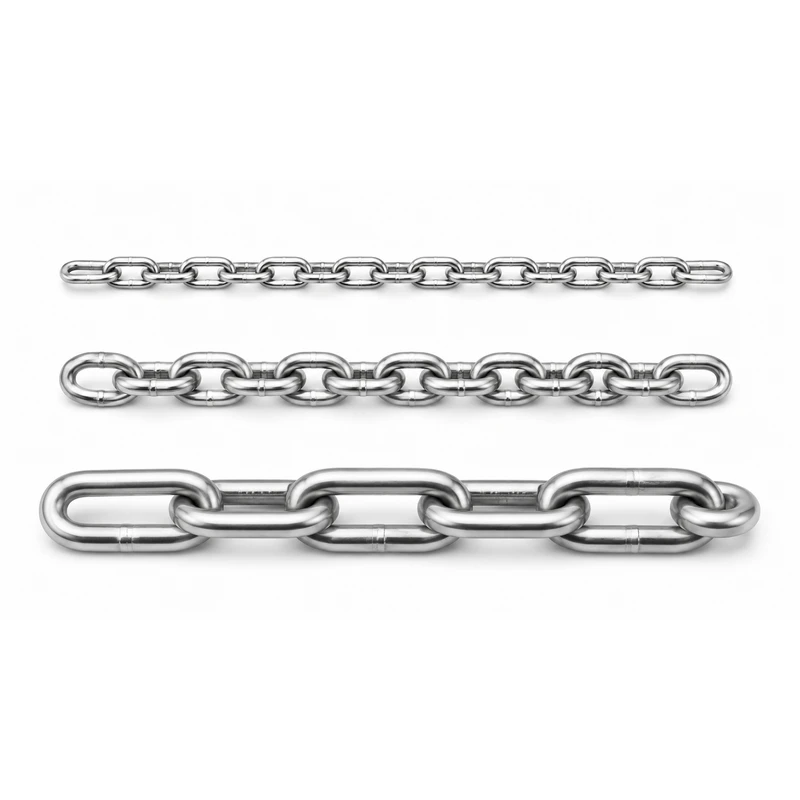
Wire rope fittings play a critical role in lifting and rigging operations. You depend on these components to secure connections, maintain load integrity, and ensure safety in demanding environments.
Industry standards define fittings like sockets, thimbles, and clips for specific applications, each designed to maximize efficiency and minimize risk.
Proper selection and installation help prevent failure, supporting safe working loads and reliable performance. Powerful Machinery manufactures wire rope fittings that meet strict certifications such as ISO9001, OSHA, and TUV Rheinland, giving you confidence in every project.
Key Takeaways
Select wire rope fittings that match your load requirements and environmental conditions for optimal safety.
Regularly inspect and maintain wire rope fittings to extend their service life and ensure reliable performance.
Use certified products from reputable manufacturers like Powerful Machinery to guarantee quality and compliance with safety standards.
Understand the different types of wire rope fittings and their specific applications to make informed choices for your projects.
Follow best practices during installation, such as using calibrated tools and proper end seizing, to enhance safety and effectiveness.
Types of Rope Fittings
Wire rope fittings serve as the backbone of secure rigging systems. You rely on these components to create strong connections, adjust tension, and protect wire ropes from damage. Understanding the types of rope fittings helps you select the right solution for your project.
Powerful Machinery offers a full range of certified wire rope fittings, ensuring you meet safety and performance standards in every application.
Category | Distinguishing Features |
|---|---|
Thimble rope fittings | Prevent the eye from being crushed and reduce wear on the rope. Form the eye of the loop before securing. |
Socket rope fittings | Permanent fittings are attached using hydraulic presses. Replace thimbles, grips, or ferrules for high strength. |
Ferrules | Terminate ends of wire ropes and form sturdy eyes. Pressed around the rope to create an eye or stopper. |
Clamp loose ends of wire ropes after looping back to form eyes. Require at least three clips for security. | |
Allow adjustment of tension in wire ropes. Features two eye bolts for easy tension adjustment. | |
Provide versatile connections between wire ropes, chains, or other hardware. | |
Attach to loads or other rigging hardware. Types include grab hooks and slip hooks. |
Thimble Rope Fittings
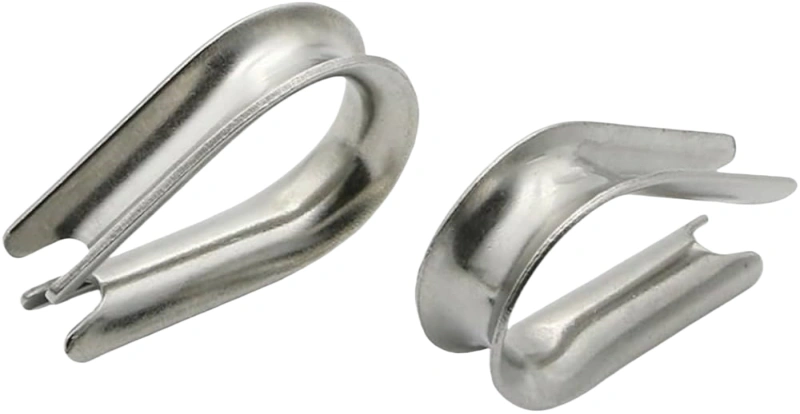
Thimble rope fittings protect the wire rope eye from crushing and abrasion. You use thimbles to form a loop at the end of the rope, which maintains the shape and prevents excessive wear. This fitting is essential in environments where the rope faces repeated loading or movement.
Tip: Always select thimble rope fittings that match the diameter of your wire rope. This ensures proper fit and maximum protection.
You find thimble rope fittings in many industrial settings:
Crane and hoist assemblies
Slings and lifting bridles
Marine and offshore rigging
Construction and infrastructure projects
Industrial anchoring and suspension systems
Overhead lifting, material handling, and anchoring systems
Thimble rope fittings support safe working loads by distributing force evenly. The load limit defines the maximum weight the sling can handle without risk of deformation. Working Load Capacity (WLL) is calculated by dividing the minimum breaking strength by a safety factor, usually between 4:1 and 6:1.
This ratio ensures you operate within safe limits.
Powerful Machinery manufactures thimble rope fittings with high strength and crush resistance. You benefit from ISO9001 and TUV Rheinland certifications, which guarantee quality and durability.
Socket Rope Fittings
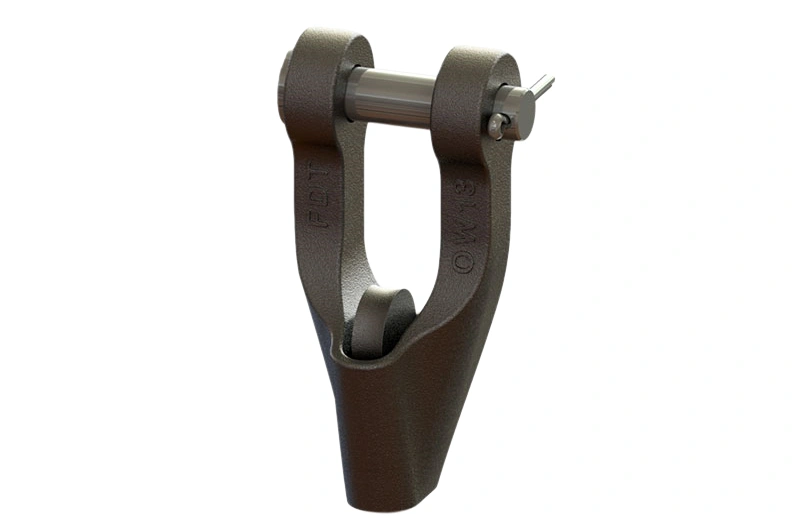
Socket rope fittings provide permanent terminations for wire ropes. You attach sockets using hydraulic presses or pouring methods, creating a strong connection that can withstand the full breaking load of the rope. These fittings replace thimbles, clips, or ferrules when you need maximum strength and reliability.
Type of Socket Fitting | Efficiency Rating (IWRC) | Efficiency Rating (FC) |
|---|---|---|
Hand-Tucked Splices | 80–90% | 80–90% |
Mechanical Splices | 90–95% | 90–92.5% |
Swaged Steel Fittings | 95–100% | 90–95% |
Poured (Spelter) Sockets | 100% | 100% |
Wire Rope Clips | 80% | 80% |
Wedge Sockets | 75–90% | 75–90% |
Swaged sockets achieve up to 100% of the rope’s breaking strength. You choose these for critical lifting and mooring applications. Wedge sockets offer flexibility for field adjustments, making them suitable for environments with frequent rope changes.
Note: Industry standards require socket rope fittings to withstand 100% of the rope’s breaking load during testing. Powerful Machinery provides certified socket rope fittings that meet ISO, ASTM, and TUV requirements.
Other Common Fittings
You encounter many other wire rope fittings in rigging and lifting systems. Each serves a unique function and fits specific applications.
Component | Function/Use Case |
|---|---|
Turnbuckles | Adjust the tension or length of the wire rope. Available in various attachments for different configurations. |
Hooks | Attach to loads or other rigging hardware. Grab hooks secure loads, slip hooks adjust positions. |
Shackles | Provide versatile connections between wire ropes, chains, or other hardware. |
Ferrules | Used for splicing wire ropes and creating loops. Essential for secure terminations. |
Clips | Temporary fittings for forming loops in wire rope. Commonly used in rigging applications. |
Turnbuckle rope fittings allow you to fine-tune tension in wire rope assemblies. You use turnbuckles in construction, marine, and transportation projects where precise adjustment is critical.
Hooks and shackles provide secure attachment points for lifting and moving loads. Ferrules and clips help you create loops or terminate wire ropes quickly. You select these fittings based on the demands of your project and the required safety standards.
Powerful Machinery offers a wide selection of wire rope fittings, including custom-engineered solutions. You receive products that meet ISO9001, ISO14001, and ASTM certifications. The company’s in-house manufacturing ensures consistent quality and fast delivery.
Tip: Always verify the certification and load rating of your wire rope fittings before installation. Powerful Machinery’s certified products give you peace of mind in demanding environments.
You can trust Powerful Machinery to supply wire rope fittings that deliver strength, durability, and reliability for every application.
Materials and Finishes for Wire Rope Fittings
Material Options
Selecting the right materials for your wire rope fittings determines how well your system performs under stress and in harsh environments. You often choose between carbon steel, stainless steel, and alloy steel. Each material offers unique benefits for different applications. The table below highlights key differences:
Feature | Stainless Steel Cable | |
|---|---|---|
Strength | Good | Excellent |
Durability | Good | Excellent |
Corrosion resistance | Moderate | Excellent |
Cost | Less expensive | More expensive |
Applications | Construction, agriculture, and manufacturing | Food processing, medical, and marine industries |
Carbon steel provides reliable strength at a lower cost. You use it in construction or manufacturing where moderate corrosion resistance is acceptable. Stainless steel stands out for its superior corrosion resistance and durability.
You select it for marine, food processing, or medical settings where exposure to moisture or chemicals is common. Alloy steel delivers high strength for demanding lifting tasks. Your choice of materials should match the environment and load requirements of your project.
Surface Finishes
Surface finishes protect your wire rope fittings from corrosion and extend their service life. You can select from several options:
Galvanization adds a zinc layer to steel, improving resistance to rust in outdoor or industrial settings.
Powder coating creates a tough, uniform finish that resists chipping and moisture.
Self-color with oil provides basic protection and is suitable for indoor or low-moisture environments.
For marine or corrosive environments, you benefit from using Grade 316 stainless steel. This grade offers better corrosion resistance than Grade 304 and can extend the life of your fittings by up to 50% in harsh conditions. Grade 304 works well in most environments but does not resist chlorides as effectively as Grade 316.
Powerful Machinery ensures every fitting meets strict quality standards. You receive products that pass chemical analysis, dimensional checks, and proof-load testing. The company’s in-house manufacturing and full traceability guarantee that your materials and finishes deliver safety and reliability in every application.
Applications of Wire Rope Fittings
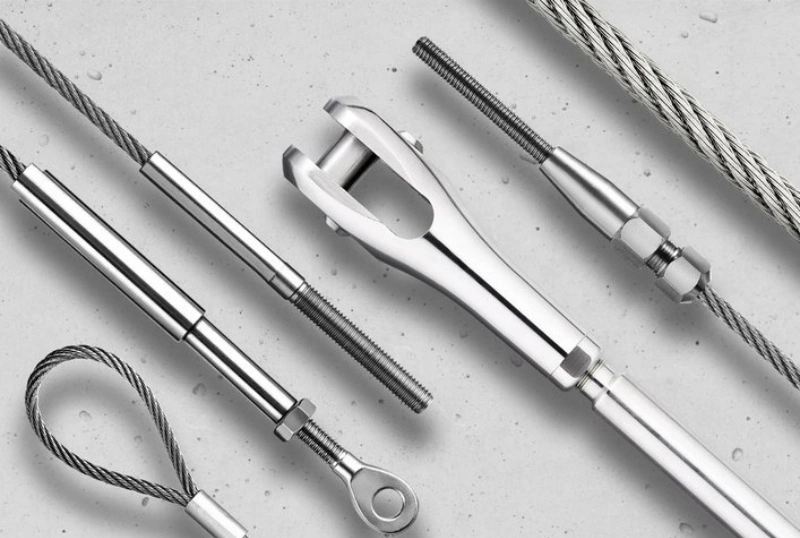
Wire rope fittings play a vital role across many industries. You depend on these components to maintain safety and efficiency in every project. The following table highlights where you most often see these fittings and their typical uses:
Industry | Common Applications |
|---|---|
Construction | Suspending bridges, supporting structures, operating cranes, and hoists |
Marine and Shipping | Mooring, towing, rigging, and securing cargo |
Mining and Drilling | Lifting materials, supporting rigs,and underground operations |
Elevators and Lifts | Vertical transportation, controlled movement |
Logging and Forestry | Pulling logs, securing loads, and using heavy-duty winches |
Construction and Infrastructure
You see wire rope fittings every day on construction sites and infrastructure projects. These fittings help you lift and move heavy materials safely. For example:
Cranes and hoists use wire ropes and fittings to raise steel beams and concrete.
Bridges and tunnels rely on these components for stabilization and tensioning.
Utility installations use them for cable-stayed bridges and suspension systems.
Certified fittings ensure your projects meet strict safety standards. Powerful Machinery provides products that comply with ISO, ASTM, and EN requirements, giving you confidence in every lift.
Marine and Transportation
In marine and transportation, you face harsh conditions and heavy loads. Wire rope fittings help you secure vessels, cargo, and equipment. Thimbles prevent metal-on-metal contact, reducing wear and distributing load evenly. You maintain the correct bend radius, which preserves rope strength and ensures predictable load behavior.
These features keep your operations running smoothly, even in saltwater or extreme weather.
Tip: Always choose corrosion-resistant materials for marine applications to extend the life of your fittings.
Mining and Heavy Industry
Mining and heavy industry environments challenge your equipment daily. Rust and corrosion can reduce rope strength by up to 50%. You must select fittings made from corrosion-resistant materials to maintain safety. Short rope life often results from bending fatigue.
You can optimize load and bending radius or upgrade to specialized ropes to double fatigue life. Powerful Machinery delivers certified wire rope fittings with full mill test certificates, ensuring reliability in the toughest conditions.
You rely on certified, high-quality fittings to protect your team and equipment. The right applications of wire rope fittings help you achieve safe, efficient, and long-lasting results in every industry.
Selection and Maintenance Tips
Choosing the Right Fitting
You must consider several factors during the selection of wire rope fittings. The right choice ensures safety and reliable performance. Review the table below for key selection criteria:
Factor | Description |
|---|---|
Resistance to bending | Smaller wires improve fatigue resistance, especially when ropes bend around sheaves or drums. |
Strength-resistance to breaking | The wire rope must lift the maximum intended weight without breaking. |
Resistance to crushing | Fittings must withstand crushing forces to prevent flattening and distortion. |
You should match the fitting to your application, load, and environment. Always select hardware compatible with your wire rope material. Powerful Machinery’s in-house engineers collaborate with you to design custom solutions that form sturdy eyes and terminate the ends securely.
Tip: Avoid mismatched hardware and improper use of clips. Place the saddle on the live end and use the correct number of clips.
Installation Best Practices
Proper installation is essential for safety and performance. You need to secure the ends and adjust the tension using calibrated tools. Follow these best practices:
Inspect the wire rope for kinks, corrosion, or broken wires before installation.
Use proper end seizing to prevent core slippage and damage. Hose clamps can substitute for seizing wire if needed.
Employ a swivel-equipped cable snake to connect old and new lines, preventing torque transfer.
Wind the wire rope evenly and under tension onto drums or reels.
⚠️ Always document installation specifications and set up a maintenance schedule.
Maintenance and Inspection
Regular maintenance and inspection extend the service life of wire rope fittings. You should:
Inspect wire ropes daily for visible damage, wear, or distortion.
Lubricate ropes to reduce friction and protect against corrosion.
Store ropes in a dry place and avoid contact with corrosive substances.
Clean ropes regularly to remove dirt and contaminants.
Retire ropes that show signs of damage or have exceeded their service life.
Powerful Machinery provides after-sales support, including maintenance assistance and troubleshooting guidance. Their logistics network ensures timely delivery, and their team helps you secure the ends and maintain safety throughout your project.
Conclusion
Understanding wire rope fitting types, materials, and applications helps you protect your team and equipment. When you select, install, and maintain fittings properly, you improve safety and extend equipment life. Remember these key points:
Store and handle wire rope fittings with care to prevent damage.
Choose fittings that match your load and environment.
Inspect and lubricate regularly to avoid wear and ensure reliability.
Use certified products from Powerful Machinery for secure, long-lasting connections.
Trust Powerful Machinery to deliver certified solutions that keep your operations safe and efficient.
FAQ
What is the difference between swaged and mechanical wire rope fittings?
Swaged fittings create a permanent, high-strength connection by compressing the fitting onto the rope. Mechanical fittings allow for easier installation and removal. You should use swaged fittings for critical, long-term applications and mechanical fittings for temporary or adjustable setups.
How do you know which wire rope fitting to choose?
You should match the fitting to your rope size, load requirements, and environment. Always check certifications and consult manufacturer guidelines. If you need help, Powerful Machinery’s engineering team can recommend the best solution for your project.
Are wire rope clips safe for overhead lifting?
You should not use wire rope clips for overhead lifting. Clips work best for temporary or non-critical connections. For lifting, always select certified sockets, swaged fittings, or other approved terminations.
How often should you inspect wire rope fittings?
You should inspect wire rope fittings before each use and perform a thorough inspection at regular intervals. Look for signs of wear, corrosion, or deformation. Early detection helps you prevent accidents and extend the life of your equipment.