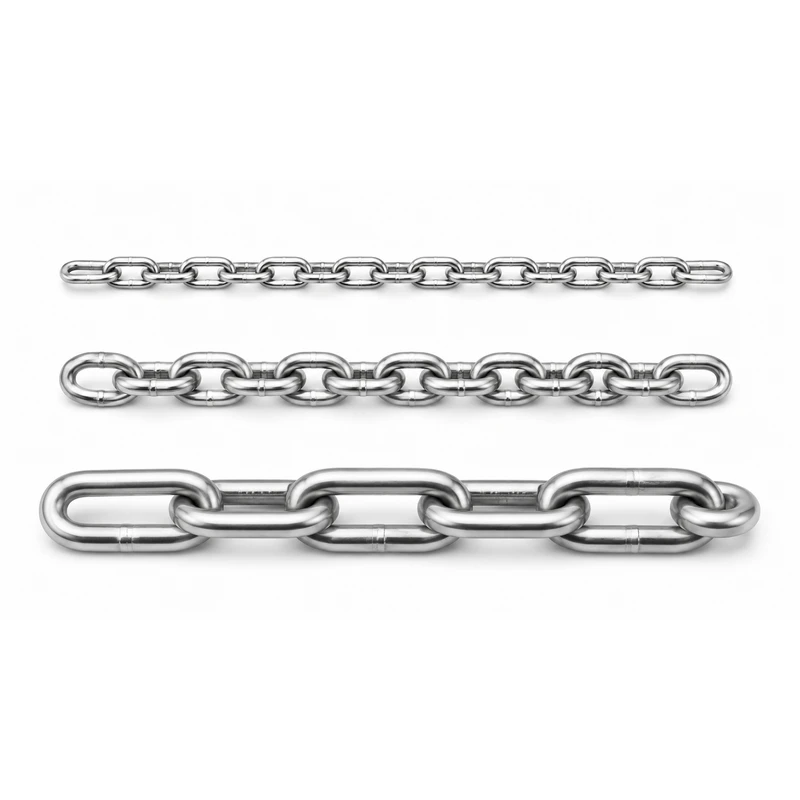
You rely on crane scales to keep your operations safe and efficient. When you perform regular maintenance, you protect both accuracy and the working condition of your equipment.
Powerful Machinery’s crane scales deliver certified performance in the toughest environments, meeting all compliance standards and achieving precision as high as ±0.1%.
Neglecting crane scale maintenance increases the risk of unplanned downtime, higher repair costs, and a safety risk to your team. Use this guide to help maximize the lifespan and reliability of your lifting systems.
Key Takeaways
Regular maintenance of crane scales prevents costly downtime and enhances safety.
Identify early signs of malfunction, such as inconsistent readings or physical damage, to ensure timely repairs.
Perform routine inspections and keep a service log to track maintenance activities and compliance.
Calibrate your crane scale at least once a year to maintain accuracy and reliability.
Choose certified service providers for repairs to ensure compliance with industry standards.
Common Crane Scale Issues
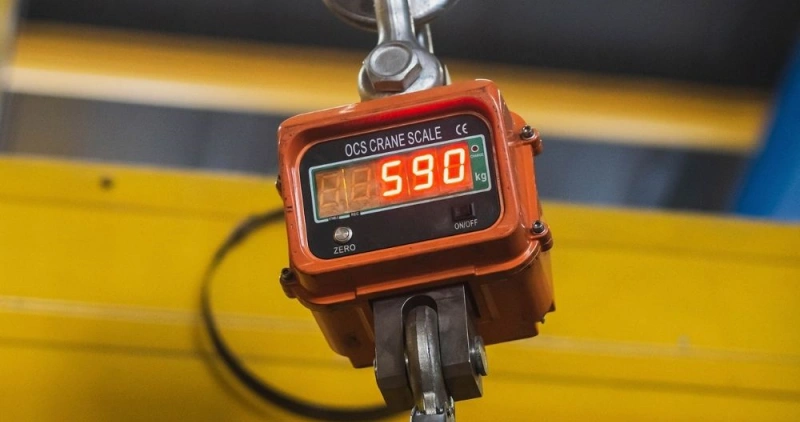
Signs of Malfunction
You need to recognize early signs of malfunction to prevent costly downtime and ensure safety. Crane scales in manufacturing and logistics often show clear symptoms when servicing becomes necessary. Look for these issues during your maintenance inspections:
Corrosive damage appears as rust or corrosion on the scale’s components.
Inconsistent readings occur when the scale displays different weights for the same object.
Different weights on different scales suggest one scale may be faulty.
An unreadable display, such as a cloudy or unclear screen, makes the scale unusable.
Readings drift, with fluctuating weights, signal mechanical or electronic problems.
Prompt servicing when you notice these signs helps maintain accuracy and reliability.
Inspection Checklist
Regular inspections keep your crane scale functioning at peak performance. Use this checklist to identify issues before they disrupt operations:
Monitor for inconsistent or erratic readings.
Check for physical damage to the housing or load cell.
Assess any recent impacts, overloads, or shocks.
Be aware of significant environmental changes.
Ensure firmware updates or component replacements are performed as needed.
Clean the scale with a dry, soft cloth.
Store the crane scale indoors when not in use.
Schedule regular visual inspections and address any signs of wear immediately.
Tip: Consistent inspections and timely servicing extend the lifespan of your equipment and reduce unexpected failures.
Environmental Impact
Environmental conditions affect crane scale performance and longevity. You must consider these factors during maintenance inspections:
Environmental Factor | Effect on Crane Scale Performance and Longevity |
|---|---|
Humidity | Corrosion-resistant finishes protect against rust. Sealed electronics prevent internal moisture damage. |
Temperature | Extreme temperatures cause electronic drift and material changes, impacting calibration and accuracy. |
Dust | IP65 or higher ratings protect against dust, which can compromise scale functionality. |
Marine Environments | Waterproofing prevents corrosion from saltwater and high humidity, ensuring reliability and longevity. |
You safeguard your crane scale by adapting servicing routines to your environment. Proper inspections and care help maintain accuracy and operational safety.
Crane Scale Maintenance Essentials
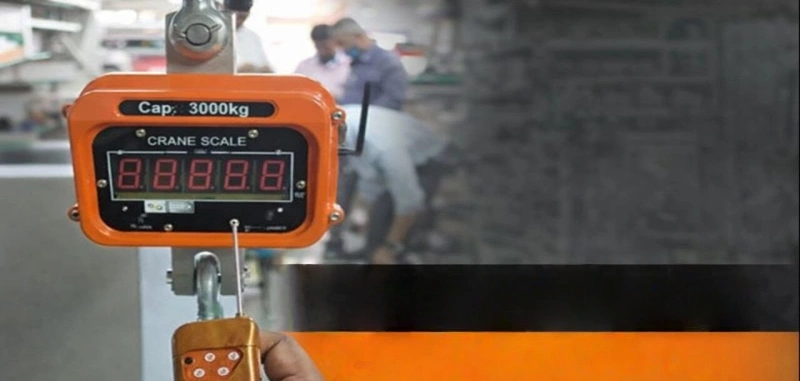
Routine Inspections
You must perform routine inspections to maintain the reliability and safety of your crane scales. These inspections help you detect early signs of wear, damage, or malfunction. Powerful Machinery recommends that you check critical lifting components, such as shackles and hooks, for deformation or cracks.
You should also inspect safety brackets to confirm proper operation. Schedule annual inspections with authorized service providers for a comprehensive assessment. Replace load-carrying parts at recommended intervals, typically every five years, to prevent unexpected failures.
Tip: Maintain a service log documenting all inspections and maintenance activities. This record helps you track key maintenance practices and ensures compliance with industry standards.
Routine Inspection Checklist:
Examine load cells for visible damage or corrosion.
Check display screens for clarity and functionality.
Inspect shackles, hooks, and brackets for wear or cracks.
Confirm that all safety features operate correctly.
Review battery and remote control status.
Schedule annual professional inspections.
Cleaning and Care
Proper maintenance starts with keeping your crane scale clean. Dust, dirt, and environmental exposure can affect accurate readings and shorten the lifespan of your equipment. You should use a soft rag and mild cleaning agents to remove impurities from the scale.
Store the crane scale indoors when not in use to protect it from humidity and extreme temperatures. Avoid letting dust or debris clog the scale’s components, as this can impact accuracy and functionality.
Cleaning and Care Tips:
Clean the crane scale regularly with a soft cloth and mild detergent.
Avoid harsh chemicals that may damage sensitive parts.
Store the scale in a dry, indoor environment.
Prevent impurities from accumulating on load cells and display screens.
Keep the scale away from extreme conditions, such as excessive heat or moisture.
Note: Consistent cleaning and care extend the lifespan of your crane scale and support accurate readings during operation.
Calibration Frequency
Calibration is essential for maintaining accuracy and reliable performance. You must follow manufacturer guidelines for calibration intervals to ensure your crane scale delivers precise measurements. Powerful Machinery recommends periodic calibration based on usage and environmental conditions.
For high-usage or critical applications, monthly calibration is ideal. General use may require annual calibration, while daily spot checks are necessary for frequent operations.
Calibration Frequency | Context |
|---|---|
Monthly | High usage or critical accuracy required |
Annually | General use with less critical accuracy |
Daily spot checks | Scales used frequently in critical applications |
You should calibrate your crane scale at least once per year. For frequent use, certified calibration every quarter and weekly spot checks help maintain accurate readings. Always use certified calibration weights and follow the manufacturer’s instructions.
Callout: Regular maintenance, including calibration, cleaning, and part checks, ensures your crane scale operates safely and efficiently. Powerful Machinery’s crane scales are designed for easy maintenance and deliver accurate readings in demanding environments.
Crane Scale Repair Procedures
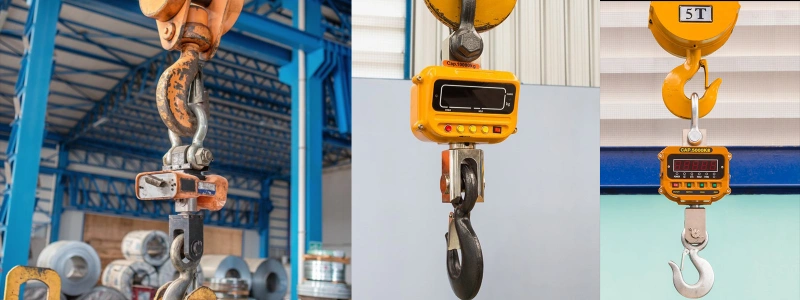
Initial Safety Steps
You must prioritize safety before starting any repairs on crane scales. Begin by disconnecting the power supply and securing the area around the equipment. Only trained personnel should handle repairs. Operators must follow established protocols to prevent accidents and protect both themselves and the equipment.
Safety Protocols | Description |
|---|---|
Proper Installation and Calibration | Ensure crane scales are securely installed and calibrated according to manufacturer specifications. |
Regular Maintenance Checks | Establish a maintenance schedule for routine inspections and servicing. |
Training and Certification for Operators | Provide training for personnel operating crane scales, ensuring familiarity with safety protocols. |
You must verify that the scale is properly installed and calibrated before you begin any repair. Operators should wear protective gear and use insulated tools. Always check the environment for hazards such as moisture or dust. You protect your team and equipment by following these steps.
Tip: Never attempt repairs without proper training. You reduce risk and maintain compliance by following manufacturer guidelines.
Part Replacement
You must replace damaged or worn parts to restore crane scales to optimal performance. Begin by identifying faulty components such as load cells, shackles, hooks, or display screens. Use only manufacturer-approved parts to ensure compatibility and maintain accuracy.
Follow these steps for effective part replacement:
Disconnect the crane scale from all power sources.
Inspect the damaged part and confirm the need for replacement.
Remove the faulty component using appropriate tools.
Install the new part, ensuring all connections are secure.
Perform calibration after replacement to verify accurate readings.
Test the crane scale with a known weight to confirm proper function.
Document the repair in your maintenance log.
You must avoid unauthorized modifications. Do not remove parts without approval from the manufacturer. You maintain reliability and prevent permanent deformation by unloading crane scales and lifting fixtures when not in use. Regular inspections help you identify issues early and keep your equipment ready to weigh loads safely.
Note: Always perform calibration after replacing any critical component. This step ensures your crane scale delivers precise measurements.
Battery and Remote Care
Proper battery and remote care extend the lifespan of your crane scales and support uninterrupted operation. You must follow these steps to maintain battery health and remote functionality:
Install the correct battery in both the scale body and handheld device before use.
Check the voltage meter to ensure the battery voltage is sufficient. Replace the battery if the pointer falls outside the safety scale.
Charge replaced batteries promptly to prevent damage.
Remove the battery pack if the crane scale will not be used for an extended period. Charge it periodically.
Store the battery pack in a dry, ventilated area, away from corrosive substances.
Tighten screws and secure the battery clamp during installation and replacement.
Handle the battery pack connection cable by grasping the base, not the wire clamping cap, to avoid damage.
Connect the antenna and feeder reliably before connecting to the power supply to protect the transmitting device.
You must avoid severe pulling or collisions with the electronic scale. Do not use the spreader group to lift objects. When not in use, unload the crane scales and store them properly. Regular calibration and maintenance keep your equipment ready for demanding environments.
Callout: Battery and remote care are essential for maintaining operational efficiency. You prevent downtime and ensure accurate readings by following these steps.
Preventive Crane Scale Maintenance
Maintenance Schedules
You need a structured maintenance schedule to keep your crane scales reliable and compliant. Industry best practices recommend routine, periodic, and major inspections.
These inspections help you identify issues early and prevent costly downtime. Powerful Machinery’s certified products meet international standards, so you can trust your maintenance plan to support safety and durability.
Inspection Type | When | Purpose | Focus Areas | Method |
|---|---|---|---|---|
Routine Inspections | Weekly or monthly | Identify potential issues early to prevent serious problems. | Operating mechanisms, Load hooks, Hoist chains, Electrical components | Visual & Audio Inspection, Functional Inspection |
Periodic Inspections | Annually or more frequently | Prevent major problems by identifying issues early. | Structural components, Mechanical components, Electrical systems, Safety devices | Visual & Audio Inspection, Functional Inspection |
Major Inspection | After unusual events | Comprehensive inspection for hidden damage or weaknesses. | Critical load-bearing components | Performance Inspection |
Manufacturer Inspection | As per the manufacturer’s recommendation | Comprehensive inspection of special components. | Non-standard crane components | Functional Inspection |
Authority Inspection | Before PMA issuance and renewal | Verify compliance with safety requirements and legal regulations. | Compliance with international design codes | Functional Inspection, Performance Inspection |
Tip: Consistent crane scale maintenance reduces breakdowns and extends component life.
Lubrication and Rust Prevention
You protect your equipment by applying proper lubrication and rust prevention methods. Cover all surfaces with a protective film during downtime. Clean and coat damaged areas with anti-rust paint. Use diesel brushing to remove corrosion-prone materials and form an oil film on metal surfaces.
Apply mechanical oil, gear oil, or cylinder oil as needed. Use grease, such as butter or dry oil, for critical joints. Choose decentralized lubrication with oil guns or cups, or centralized lubrication with manual or electric pumps.
Cover surfaces with protective film.
Clean and coat damaged areas with anti-rust paint.
Use diesel brushing for corrosion removal and oil film formation.
Apply mechanical oil, gear oil, or cylinder oil.
Use grease for joints and moving parts.
Select appropriate lubrication methods for your operation.
Note: Proper lubrication and rust prevention support safety and durability in crane scale maintenance.
Record Keeping
You must document every maintenance activity to ensure traceability and compliance. Maintain thorough records of inspections, calibration checks, repairs, and modifications. Track service schedules and note any issues or discrepancies. Establish routine inspection and maintenance schedules.
Document all crane inspections, repairs, and servicing activities. Ensure compliance with load capacity and safety regulations.
Keep detailed logs of maintenance activities.
Record calibration checks and repairs.
Track service schedules and note discrepancies.
Document compliance with safety standards.
Callout: Accurate record keeping helps you meet ISO and international standards, supports operational efficiency, and provides reliable data for decision-making.
When to Call a Professional?
Calibration and Compliance
You must know when to seek professional maintenance for your crane scales. Regular calibration by qualified technicians ensures your equipment meets industry standards and legal requirements.
If you notice inconsistent readings or cannot achieve accurate results after routine checks, you should schedule a professional calibration. Proper documentation is essential for compliance and audit readiness.
Compliance Requirement | Description |
|---|---|
Calibration Logs | Maintain detailed logs with dates and technician signatures. |
Certified Test Weights | Use certified weights for legal-for-trade applications. |
Regular Inspections | Schedule inspections by qualified technicians. |
Equipment Operation | Operate within specified ranges to maintain accuracy. |
Documentation of Repairs | Keep complete records of repairs and adjustments. |
Digital Record Storage | Store calibration records digitally for audits. |
Regulatory Standards | Follow NIST Handbook 44 or OIML standards as required. |
Tip: Regular calibration prevents accidental overloading and supports ongoing accuracy in demanding environments.
Safety Thresholds
You must never compromise on safety. If your crane scale fails to meet operational thresholds, you need immediate professional intervention. Before resuming operation after a malfunction, verify that all safety features function as intended.
Safety Thresholds for Crane Scales | Description |
|---|---|
Load Indicating Device Requirement | Must provide a direct indication of the actual weight hoisted. |
Overload Prevention | Must have a direct means to prevent overload. |
Accuracy Requirement | Indicated load must be within 95% to 110% of the actual load. |
Operational Check | The operator must verify the device is operative before any lift. |
Certification | Perform checks at certification and as recommended by the manufacturer. |
If your scale cannot pass these checks, call a certified technician. You protect your team and equipment by acting quickly.
Choosing Service Providers
Selecting the right service provider is critical for professional maintenance. You should evaluate providers based on their expertise, safety protocols, and reliability. Confirm that technicians hold proper certifications and follow industry standards.
Ask about their experience with your specific crane scale models and their approach to safety during repairs. Reliable providers offer transparent documentation and clear communication throughout the service process.
Note: Partnering with a trusted provider like Powerful Machinery ensures your crane scales receive expert care and remain compliant with all regulations.
Conclusion
You protect your team and equipment when you prioritize regular crane scale maintenance. Powerful Machinery’s certified crane scales deliver key advantages:
Ensure safety with accurate weight measurements.
Enhance compliance with industry regulations.
Improve operational efficiency through precise lifting.
Follow these ongoing maintenance steps:
Calibrate your scale regularly.
Inspect for damage or wear.
Keep your equipment clean.
For expert support, Powerful Machinery’s website offers these services:
Service Type | Description |
|---|---|
Preventive Maintenance | Routine care for safe, efficient operation. |
Calibration | Professional accuracy checks and adjustments. |
Inspection Services | Annual safety and compliance inspections. |
Reactive Service | Fast help for unexpected equipment issues. |
Test Weight Certification | Certified weights for reliable calibration and testing. |
Stay proactive and use these resources to keep your operations safe and efficient.
FAQ
How often should you calibrate your crane scale?
You should calibrate your crane scale at least once per year. For heavy use, schedule quarterly calibrations. Daily spot checks help maintain accuracy in critical operations.
What steps should you take if your crane scale displays inconsistent readings?
Check for physical damage or corrosion. Clean the display and load cell. Perform a calibration using certified weights. If issues persist, contact a professional technician.
Can you use a Powerful Machinery crane scale outdoors?
You can use the Powerful Machinery crane scales outdoors. These scales feature durable, weather-resistant designs. Always store the scale indoors when not in use to protect it from extreme conditions.
What is the best way to clean your crane scale?
Use a soft cloth and mild detergent. Avoid harsh chemicals. Clean load cells and display screens gently. Store the scale in a dry environment after cleaning.
Where can you find certified replacement parts for your crane scale?
You can find certified replacement parts on Powerful Machinery’s official website. Visit https://qdpowerful.com/crane-scales/ for genuine components and expert support.