You need to select the right equipment and follow precise steps for safe and efficient lifting. Accurate crane scales help you prevent costly errors and maintain safety on the job. Recent studies show that digital models can achieve up to ±0.1% accuracy, which dramatically reduces maintenance costs and operational risks.
The market for these devices is growing rapidly, reflecting their importance in industries like construction and shipping. Powerful Machinery provides certified solutions trusted by professionals across the globe.
Key Takeaways
Choose certified crane scales from trusted providers like Powerful Machinery for reliable performance and safety.
Regularly inspect and calibrate your crane scales to maintain accuracy and prevent overloads.
Use crane scales to weigh loads directly while suspended, saving time and reducing labor costs.
Follow safety guidelines, including respecting load limits and using overload protection features.
Utilize remote controls for crane scales to improve safety and efficiency during operations.
What Are Crane Scales?
Main Functions and Features
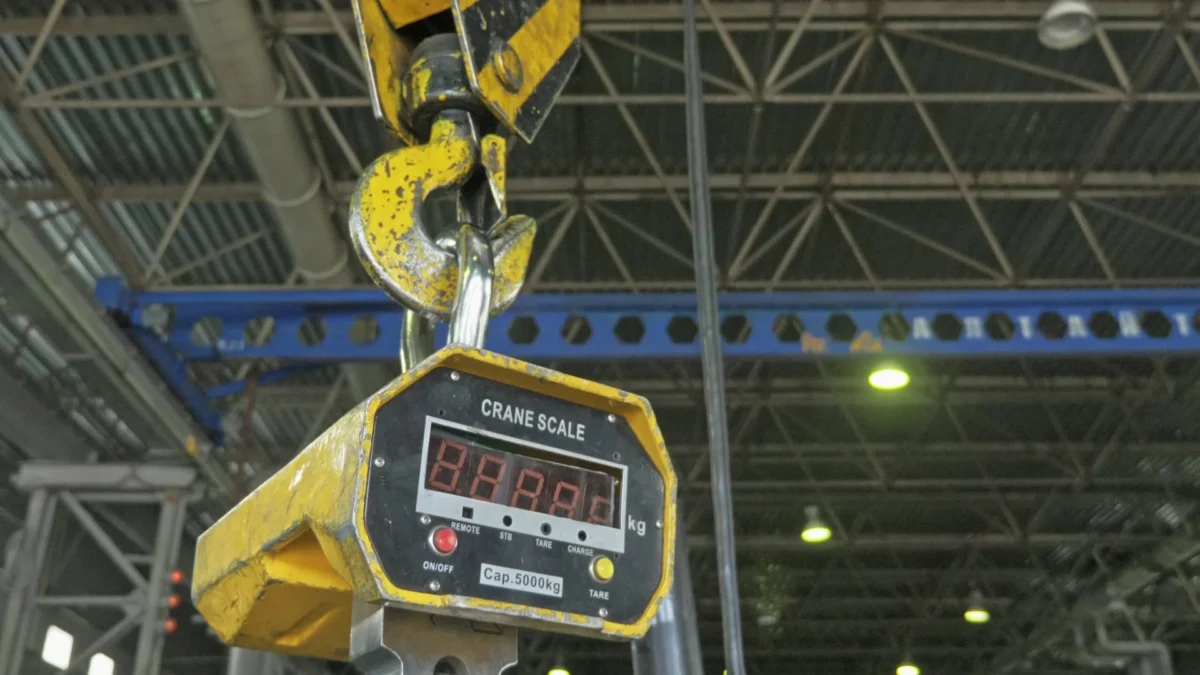
You use crane scales to weigh heavy loads while they are suspended from a crane or hoist. These devices play a vital role in industrial weighing applications, especially when traditional floor scales cannot handle the size or shape of the load.
A typical crane scale includes a load cell that senses the weight and converts it into an electrical signal. The digital display then shows the exact measurement, making it easy for you to monitor the load in real time.
Crane scales serve two main purposes. First, they measure the weight of items with high accuracy, often within 0.1 to 0.2 percent. Second, they help you prevent overloading, which protects both your equipment and your team.
Modern models, like those from Powerful Machinery, feature advanced sensors and durable housings. You can use them with different types of cranes, hooks, and rigging gear. Many digital hanging scale options also offer instant readings, which speed up your workflow and ensure compliance with safety standards.
Tip: Choose a certified crane scale from a trusted provider like Powerful Machinery to ensure reliability and long-term performance.
Common Applications
Crane scales are essential tools in many industries. You will find them wherever heavy or awkward loads need precise measurement. The table below shows where you might use these devices and what tasks they handle:
Industry | Applications |
|---|---|
Material Handling | Weighing goods, shipping containers, and oversized packages in warehouses and distribution centers. |
Construction | Lifting and positioning heavy materials like steel beams and machinery on construction sites. |
Manufacturing | Measuring raw materials and finished goods for inventory management and quality control. |
Shipping and Transport | Determining the weight of cargo containers and bulk shipments for efficient loading. |
Commercial Fishing | Weighing large amounts of seafood for catch weights and compliance with limits. |
Aviation | Testing and certifying aircraft components for weight and performance characteristics. |
Mining | Weighing ores and minerals during extraction and transportation to ensure safety and compliance. |
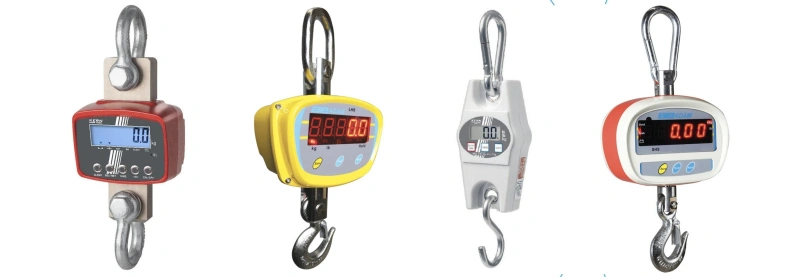
Powerful Machinery offers a wide range of crane scales, from compact models for lighter loads to heavy-duty options that handle up to 12 tonnes. You can rely on these products for accurate, safe, and efficient weighing in the toughest environments.
Why Use Crane Scales?
Key Advantages
You gain several advantages from using crane scales in your daily operations. These devices deliver precise weight measurements, which help you avoid overloading and ensure safe material handling. Digital models provide real-time data, allowing you to make quick decisions and maintain efficiency.
Many crane scales feature overload alarms that alert you when a load exceeds safe limits. This function protects your equipment and your team from accidents.
You also benefit from improved workflow. Crane scales let you weigh items directly while suspended, so you do not need to move heavy goods to a separate weighing station. This process saves time and reduces labor costs.
You can operate many models remotely, which increases convenience and safety. Powerful Machinery offers certified crane scales that meet international standards, giving you confidence in their reliability and durability.
Note: Choosing a certified crane scale from Powerful Machinery ensures you receive accurate readings and robust performance in demanding environments.
Space and Safety Benefits
Crane scales offer unique space and safety benefits compared to traditional weighing methods. You do not need to dedicate floor space for a separate scale. The device stays attached to your crane or hoist, minimizing disruption to your operations.
Small models are portable, so you can use them in different locations as needed.
The table below highlights key benefits:
Advantage | Description |
|---|---|
Space Efficiency | Crane scales remain in place, freeing up valuable floor space. |
Labor Cost Savings | You weigh items where they are, reducing the need for extra handling. |
Portability | Compact models are easy to transport and use in various settings. |
Remote Operation | You can operate the scale from a distance, improving safety and convenience. |
Enhanced Safety | Overload alarms and accurate readings help prevent accidents and equipment damage. |
You rely on crane scales for weighing heavy goods in environments where safety and efficiency matter most. Powerful Machinery’s products combine advanced features with certified quality, supporting your operations in construction, manufacturing, and shipping.
Choosing Crane Scales
Load Capacity and Application
You must match the scale’s capacity to your heaviest loads. Start by identifying the maximum weight you need to measure. This step ensures your equipment can handle the job safely. Consider the environment where you will use the scale. Dust, moisture, or extreme temperatures can affect performance.
If you use the scale often, choose a model built for frequent operation. Think about the type of loads you lift. Static loads require different features than dynamic or shifting weights.
Determine the maximum load weight.
Assess the work environment for dust, moisture, or temperature extremes.
Choose a scale designed for frequent or occasional use.
Identify if you handle static or dynamic loads.
Powerful Machinery offers a wide range of crane scales, from compact models for lighter tasks to heavy-duty options for industrial lifting. You can find a hanging scale that fits your specific application.
Compliance and Precision
You need to ensure your scale meets all industry standards. Look for models that comply with OSHA, ANSI, and ASME regulations. If you require legal-for-trade measurements, select a scale with NTEP approval. Precision matters in every operation.
Certified models from Powerful Machinery deliver accuracy you can trust, helping you avoid costly errors and maintain safety.
Check for compliance with OSHA, ANSI, and ASME.
Select NTEP-approved models for legal-for-trade use.
Choose certified scales for reliable precision.
Ease of Use and Durability
You want a scale that is simple to operate and built to last. Choose models with rugged construction and protection against dust and water. User-friendly controls and clear displays make daily operation easier. The table below highlights features that improve usability and durability:
Feature | Description |
|---|---|
Construction Materials | Stainless steel or aluminum for strength and corrosion resistance |
Display Readability | Large, bright digital screens for easy viewing |
User-Friendly Controls | Simple keypads and navigation for efficient operation |
Power Source Options | Wireless or battery-powered for flexible use |
Powerful Machinery’s scales include waterproof housings, galvanized shackles, and robust displays. These features ensure long service life, even in harsh industrial environments.
How to Use Crane Scales?
Preparation and Setup
You must prepare your workspace and equipment before you begin lifting. Proper setup ensures accurate measurements and safe operation. Follow these steps for the best results:
Inspect your workspace for safety hazards and ensure clear access to the lifting area.
Check for any binds or obstructions that could affect the crane’s movement.
Examine the power supply and confirm it works correctly.
Level the scale to guarantee precise readings.
Verify the accuracy of the scale before each use.
Powerful Machinery’s crane scales feature easy-to-read displays and robust construction, making setup straightforward. You can trust the built-in diagnostics to alert you to any issues before you start.
Tip: Always check the calibration and zero the scale before lifting. This step prevents errors and ensures safety.
Attaching and Lifting Loads
You need to attach the load securely and follow safe lifting practices. Use these best practices to protect your team and equipment:
Wait for the load to stabilize before you record the weight.
Use the hold function to lock the reading once the load stops moving.
Make sure the display is bright and visible from your position.
The table below outlines essential safety practices:
Best Practice | Description |
|---|---|
Calibration | Calibrate regularly to maintain accuracy and prevent overloading. |
Safe Lifting Practices | Attach loads properly, balance them, and lift at controlled speeds. |
Clear Communication | Establish clear protocols among your team for coordinated movements. |
Emergency Procedures | Know the emergency protocols for equipment malfunctions or overloads. |
Training and Competency | Ensure all operators receive training on safe operation and emergency response. |
Powerful Machinery’s models include overload protection and instant alerts. These features help you avoid dangerous situations and keep your workflow efficient.
Reading Measurements
You must read and interpret measurements correctly to ensure safety and accuracy. Follow these steps:
Install the crane scale securely, following the manufacturer’s instructions.
Calibrate the device before each use.
Inspect the scale for visible damage, loose connections, or worn parts.
Address any issues before you begin lifting.
Watch for overload indicators during operation.
Confirm the display reads zero before each lift.
Modern crane scales from Powerful Machinery provide real-time measurements and instant alerts. These features help you avoid overloads and maintain accurate records. Data logging capabilities allow you to store and review weight data for audits and future planning.
Note: Real-time monitoring and advanced load cell design improve both safety and accuracy during every lift.
Using Remote Controls
You can operate many digital crane scales with remote controls. This technology offers several advantages in industrial settings:
Advantage | Description |
|---|---|
Weighing awkward loads | Easily weigh bulky or heavy cargo during transport. |
Saving space | No need for a flat surface, freeing up valuable floor space. |
Saving time | Get immediate weight readings once the load is hooked. |
Improving safety | Work from a distance, reducing risk to personnel. |
Remote displays improve visibility for multiple operators. You can view weight measurements from different locations, which enhances efficiency and safety. Wireless Bluetooth connectivity allows you to monitor several lifts at once using a tablet or smartphone.
Powerful Machinery’s user-friendly features, such as remote operation and clear digital displays, help you speed up processes and reduce downtime. You can trust these advanced systems to deliver accurate, real-time data and keep your team safe.
Callout: If you want to master how to use crane scales efficiently, always combine proper setup, safe lifting, accurate reading, and remote operation.
Digital Crane Scale Settings

Change from kg to lbs
You often need to switch between metric and imperial units when using a digital crane scale. This feature helps you meet different project requirements and ensures clear communication with your team.
Most digital crane scale models from Powerful Machinery make this process simple. Follow these steps to change the unit from kilograms to pounds:
Power on your digital crane scale and wait for the display to stabilize.
Press the [UNIT] or [MODE] key on the control panel.
Continue pressing the key until the display shows the desired unit, such as “lb” for pounds.
Begin weighing your items as usual.
Tip: Always confirm the selected unit on the digital readouts before recording any measurements. This step prevents confusion and ensures accurate reporting.
Set to Pounds
You may need to set your digital crane scale to pounds for specific tasks or compliance reasons. Powerful Machinery’s digital crane scale models allow you to lock in your preferred unit for consistent results. Use this quick guide:
Turn on the digital crane scale.
Press the [UNIT] button until the display reads “lb.”
The scale will now measure all loads in pounds until you change the setting.
This process saves time and reduces errors, especially when you handle multiple lifts in a busy environment.
Reset Functions
You must reset your digital crane scale to maintain accuracy and reliability. Regular resets help you avoid drift and ensure each measurement starts from zero. Here’s how you can reset your scale:
Set the digital crane scale to zero by pressing the [ZERO] or [TARE] button.
Place test weights on the scale in small increments.
Adjust the calibration settings so the displayed weight matches the actual test weight.
Save the calibration to finalize the reset.
Note: Powerful Machinery provides detailed manuals and customer support to guide you through calibration and reset procedures. Proper maintenance extends the life of your crane scales and keeps your operations safe.
Crane Scale Safety
Load Limits and Overload Protection
You must always respect the load limits set by industry standards. These limits protect your equipment and your team. When you use crane scales, follow these safety guidelines:
Choose models that meet or exceed OSHA, ANSI, and ASME safety standards.
Apply a safety factor of 5:1 for ultimate protection.
Expect accuracy within 1–3% of the full scale.
Modern crane scales use advanced overload protection systems. The table below shows common mechanisms and their functions:
Protection Mechanism | Description |
|---|---|
Mechanical Stops | Physical barriers prevent excessive force on the load cell. |
Overload Limit Stops | Absorb extra force to protect the load cell from damage. |
Limit Switches and Overload Alarms | Alert you or stop the process if you exceed safe limits. |
Shock Absorbers | Reduce the impact of sudden loads, extending equipment life. |
Overload Protection Circuitry | Detect and prevent electrical overloads. |
Software Monitoring Systems | Analyze data to predict overloads and warn you. |
Powerful Machinery’s crane scales include these features, ensuring you operate within safe limits every time.
Environmental Precautions
You face unique challenges when you operate crane scales outdoors or in harsh conditions. Take these steps to protect your equipment and your team:
Cold weather slows hydraulic systems and weakens steel, so reduce load weights by 25% in subzero temperatures and by 40% below -20°F.
High winds can swing loads and tip cranes. Stop operations if winds exceed 20 miles per hour.
Watch for cold stress, which can affect your ability to work safely.
Outdoor environments expose equipment to moisture, dust, and corrosive substances. These factors can cause malfunctions or safety incidents over time.
You should always monitor weather conditions and adjust your procedures as needed. Powerful Machinery designs its crane scales to withstand extreme environments, but you must still follow best practices for safety.
Regular Inspections
You need to inspect your crane scales on a regular schedule. Inspection intervals depend on how and where you use the equipment. The table below outlines recommended practices:
Condition Type | Recommended Interval | Notes |
|---|---|---|
Light Usage (Indoor) | Every 12 months | Stable environment, minimal wear |
Heavy Usage (Indoor) | Every 3–6 months | Increase frequency for higher usage |
Outdoor/Harsh Climate | Every 1–3 months | Weather and dust require more frequent checks |
Regulated Industries | As required by law | Follow all legal requirements |
Post-Repair/Impact | Immediately | Calibrate after any damage or overload |
You should always calibrate your scale after repairs or overload events. Powerful Machinery’s products comply with strict safety standards, giving you confidence in every lift.
Tip: Keep a log of all inspections and calibrations. This record helps you maintain compliance and ensures long-term reliability.
Maintenance and Troubleshooting
Routine Maintenance
You need to keep your crane scales in top condition to ensure safety and accuracy. Start each day with a visual inspection. Look for signs of damage, wear, or corrosion on the casing, hooks, and rigging hardware. Clean the scale regularly to remove dust and debris that could affect performance.
Calibrate the device according to the manufacturer’s schedule. Monitor the battery status and replace batteries when needed. Check cables for fraying and make sure all connections are secure. Store the scale indoors when not in use to protect it from harsh weather.
Keep a maintenance log to track inspections and repairs. This routine helps you extend the life of your equipment and avoid unexpected downtime.
Battery and Storage Care
Proper battery and storage care improve the reliability of your crane scales. The table below outlines best practices:
Task | Description |
|---|---|
Monitor Battery Level | Check battery status before each use. Replace or recharge as needed. |
Use Quality Batteries | Choose lithium-ion batteries for longer life and better performance. |
Charge Safely | Use the recommended charger and avoid overcharging. |
Store in a dry location | Keep the scale in a clean, dry place to prevent moisture damage. |
Avoid Extreme Temperatures | Protect batteries and electronics from heat, cold, and direct sunlight. |
You should always follow the manufacturer’s guidelines for charging and storage. Good battery care reduces operational costs and supports efficient lifting.
Common Issues
You may encounter some common problems when using crane scales. Here are practical troubleshooting steps:
If the scale will not turn on, check the fuse, power switch, and battery voltage.
For poor display quality, inspect LCD connections and clean any oxidized pins.
If the scale does not return to zero, verify the load cell output and recalibrate.
When the scale cannot weigh, check for friction in the load cell and perform a calibration.
If the display shows 0kg, restart the device and check sensor connections.
For charging issues, inspect the charger and battery connections.
If you cannot print a weight list, clear accumulated weights and check printer links.
If you cannot resolve a problem, contact Powerful Machinery’s support team for expert assistance. Their service ensures your equipment stays reliable and safe.
Tip: Regular maintenance and prompt troubleshooting keep your crane scales accurate and extend their service life.
Conclusion
You ensure safe and efficient lifting when you follow the essential steps for operating crane scales. Always inspect equipment, calibrate regularly, and monitor battery levels. Choose certified products from Powerful Machinery to guarantee reliability and tailored support.
Create a daily checklist that includes verifying hooks, testing alarms, and inspecting cables. For expert guidance and custom solutions, consult Powerful Machinery’s team.
FAQ
How accurate are crane scales from Powerful Machinery?
You can expect accuracy within ±0.1% to ±0.5% of the total load. This precision helps you avoid overloads and ensures safe lifting in industrial environments.
Can you use crane scales outdoors?
Yes, you can use Powerful Machinery’s crane scales outdoors. These models feature weather-resistant housings and robust construction. Always follow environmental precautions for best results.
How do you calibrate a crane scale?
You calibrate the scale by using certified test weights. Follow the manufacturer’s instructions. Press the calibration button, apply the weight, and confirm the reading matches the test weight.
What should you do if the display shows an error?
Tip: First, check all connections and power sources. Restart the device. If the error persists, consult the user manual or contact Powerful Machinery’s support team for expert help.
Where can you find technical support for crane scales?
You can reach Powerful Machinery’s technical support through their official website. The team provides manuals, troubleshooting guides, and personalized assistance.