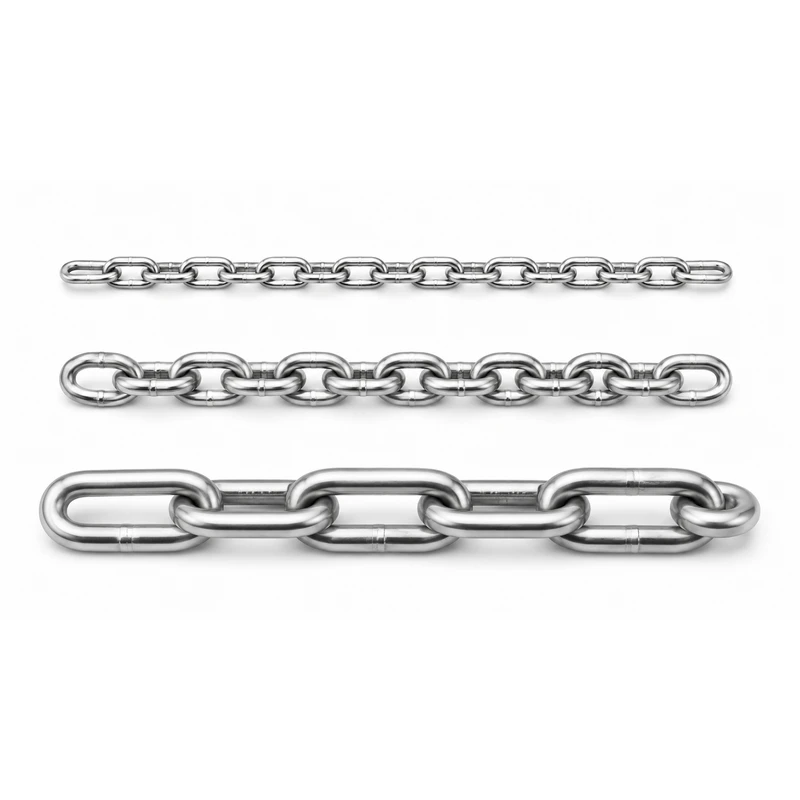
The global hoist chains market continues to surge, driven by rapid industrialization and demand for advanced lifting solutions.
Year | Market Size (USD) |
|---|---|
2017 | 4.5 Million |
2025 | 9.5 Million |
CAGR | Over 10.0% |
Manufacturers in the hoist chains market now embrace innovation, such as automation and IoT, to boost safety and efficiency. Stakeholders analyze segmentation, regional growth, and competition to remain competitive.
Powerful Machinery stands as a trusted leader, offering Chain Hoist products that meet diverse industry needs and strict safety standards.
Key Takeaways
The global hoist chains market is projected to grow significantly, reaching $4.01 billion by 2035, driven by industrialization and demand for advanced lifting solutions.
Innovation in hoist chains, including automation and IoT, enhances safety and efficiency, making it essential for companies to adopt these technologies to stay competitive.
Rising safety standards across industries increase the demand for high-quality hoist chains that comply with strict regulations, ensuring reliability in operations.
Asia Pacific leads the market due to rapid industrialization, with countries like China and India driving demand for construction and material handling equipment.
Companies should focus on sustainability by using eco-friendly materials and energy-efficient practices to meet growing environmental expectations and regulations.
Global Hoist Chains Market Overview
Market Size and Growth Trends
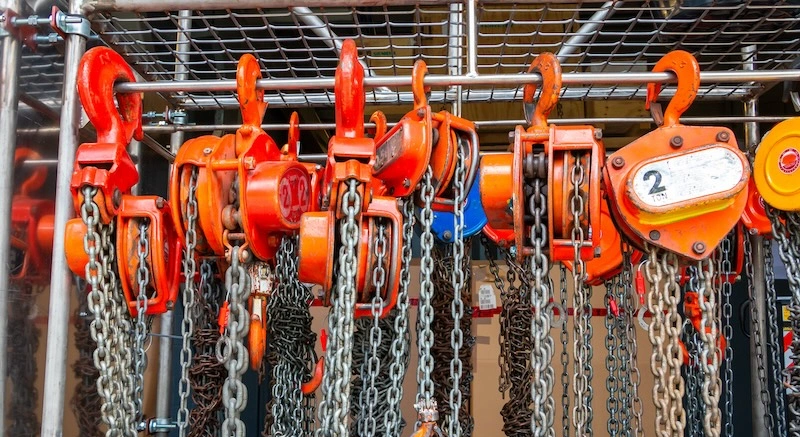
The hoist chains market has experienced steady expansion over the past decade. The global hoist chains market size reached $2.758 billion in 2024 and is projected to grow to $2.853 billion by 2025.
By 2035, analysts expect the hoist chains market size to reach $4.01 billion, reflecting a compound annual growth rate (CAGR) of 3.46%. Other forecasts indicate that the market could achieve a CAGR of 5.4% by 2030, with the hoist chains market size rising to $3.32 billion.
These figures highlight the resilience and upward momentum of the hoist chains market, even as industries face changing economic conditions.
Year | Market Size (USD Billion) | CAGR (%) |
|---|---|---|
2024 | 2.758 | N/A |
2025 | 2.853 | N/A |
2026 | 2.69 | 6 |
2030 | 3.32 | 5.4 |
2035 | 4.01 | 3.46 |
The Asia Pacific region stands out as the leading contributor to the global hoist chains market. Rapid industrialization and urbanization in countries like China and India drive significant demand for construction and material handling equipment.
Asia Pacific holds about 25% of the global hoist chains market share, with China leading due to substantial investments in construction and manufacturing. The expansion of manufacturing sectors and infrastructure projects in this region continues to boost the need for reliable lifting solutions.
The chain hoist market also benefits from increased activity in construction, mining, and logistics. As industries modernize, the demand for advanced hoist chains grows. Companies invest in new technologies to improve efficiency and safety, further supporting market growth.
These trends indicate a positive outlook for the hoist chains market, with steady increases in both value and volume expected over the next decade.
Key Market Drivers and Challenges
Several factors fuel the growth of the hoist chains market. Rising safety standards across industries create a strong demand for high-quality hoist chains that comply with strict regulations.
The growth of industrial automation, with a projected CAGR of about 9%, increases the need for reliable hoist chains in automated material handling systems. The construction sector, growing at around 5% annually, relies on hoist chains for lifting heavy materials and equipment.
The logistics industry, expanding at a CAGR of 7%, also drives demand for efficient material handling solutions in warehouses and distribution centers. Technological innovations, such as the integration of smart technologies and IoT, transform traditional hoisting equipment and enhance operational efficiency.
Driver | Description |
|---|---|
Rising Safety Standards | Implementation of stringent safety standards increases demand for compliant hoist chains in manufacturing, construction, and logistics. |
Increasing Industrial Automation | Growth of automation drives the need for reliable hoist chains in automated systems. |
Expansion of Construction | Construction sector growth leads to higher demand for hoist chains on complex sites. |
Growing Logistics Sector | Logistics industry expansion requires efficient hoist chains for warehouses and distribution centers. |
Technological Innovations | Smart technologies and IoT integration boost demand for advanced hoist chains. |
Despite these drivers, the hoist chains market faces several challenges. Fluctuating raw material costs can affect profitability for manufacturers. A shortage of skilled labor impacts both production and product quality. Compliance with safety standards increases costs and can extend lead times.
High costs associated with advanced, IoT-enabled chain hoists may limit adoption among price-sensitive customers. Regulatory complexities and environmental compliance requirements make market entry more difficult.
Supply chain disruptions can delay the delivery of critical components, affecting the overall market.
Fluctuating raw material costs affect profitability.
Shortage of skilled labor impacts production and quality.
Compliance with safety standards increases costs and lead times.
High costs of advanced chain hoists limit adoption in some segments.
Regulatory complexities and environmental compliance complicate market entry.
Supply chain disruptions hinder the timely delivery of components.
Innovation plays a crucial role in shaping the competitive landscape of the hoist chains market. The integration of smart technologies, such as IoT and automation, transforms traditional hoisting solutions into more efficient systems.
There is a growing demand for customized hoist chains tailored to specific operational needs, reflecting a trend toward versatility. Key players form strategic alliances to foster innovation and collaborative solutions, shifting competition from price to technology and customer experience.
Note: The global hoist chains market continues to evolve as companies embrace innovation and digital transformation. These trends help businesses meet rising demand, overcome challenges, and maintain a competitive edge in the chain hoist market.
Competitive Landscape and Leading Players
Major Companies and Market Share
The hoist chains market features several prominent companies that drive industry trends and shape global growth. Kito Corporation, Columbus McKinnon Corporation, and Ingersoll Rand Inc. lead the global hoist chains market with distinct strategies and market positioning.
Kito Corporation in Japan focuses on enhancing product offerings with advanced technology. Columbus McKinnon Corporation in the United States emphasizes mergers and acquisitions to broaden its market reach. Ingersoll Rand Inc., also based in the United States, actively pursues digital transformation initiatives.
Company Name | Country | Market Positioning |
|---|---|---|
Kito Corporation | Japan | Advanced technology in product offerings |
Columbus McKinnon Corporation | US | Mergers and acquisitions for broader reach |
Ingersoll Rand Inc. | US | Digital transformation initiatives |
Companies in the hoist chains market use several strategies to maintain or grow their market share.
64% focus on enhancing durability and load efficiency through innovation.
Strategic partnerships and collaborations expand market presence.
Regional expansion helps key players capture larger shares in the chain hoist market.
67% diversify strategies across retail, industrial, and digital platforms.
Strong partnerships with dealers and contractors enhance market reach.
Collaboration with service providers improves visibility and customer loyalty.
Key players continue to invest in innovation and regional expansion, which drives growth and shapes the competitive landscape.
Powerful Machinery’s Role in the Hoist Chains Market
Powerful Machinery stands out in the hoist chains market with an extensive product range and global certifications. The company maintains trusted customer relationships and demonstrates a high commitment to innovation.
Unlike many competitors, Powerful Machinery offers certified products that meet international standards, ensuring reliability and safety in the chain hoist market. The brand’s focus on quality, safety, and performance positions it as a leader in the global hoist chains market.
Attribute | Powerful Machinery | Competitors |
|---|---|---|
Product Range | Extensive | Varies |
Global Certifications | Yes | Limited |
Customer Relationships | Trusted | Varies |
Commitment to Innovation | High | Moderate to High |
Powerful Machinery’s dedication to innovation and customer satisfaction supports its strong market presence. The company’s certified chain hoist products address diverse industry needs and align with current trends in safety and efficiency.
As the hoist chains market evolves, Powerful Machinery continues to deliver solutions that drive growth and meet the demands of the chain hoist market.
Innovation and Technology in the Hoist Chains Market
Industry 4.0 and Smart Solutions
Industry 4.0 has transformed the hoist chains market by introducing advanced digital technologies and smart solutions. Manufacturers now integrate sensor technology into hoist chains, which allows for enhanced monitoring and real-time data collection.
These sensors enable predictive maintenance, helping operators address issues before they escalate. The hoist chains market benefits from features such as anti-sway control, tension control, dedicated brake sequencing, falling load detection, and overload detection.
These technological advancements improve both safety and efficiency.
Smart solutions have become a core part of the chain hoist market. Intelligent hoists combine traditional lifting mechanics with electronic control, sensor technology, and data processing. Operators can monitor lifting operations in real time and adapt controls for safer and more efficient workflows.
Integrated load sensors and encoders track every movement, ensuring precise control and reducing the risk of accidents. These technological innovations support the ongoing growth of the global hoist chains market and set new standards for performance.
Integration of sensor technology for enhanced monitoring
Predictive maintenance capabilities
Advanced safety features such as overload detection and anti-sway control
Real-time monitoring and adaptive control
Chain Hoist Product Advancements
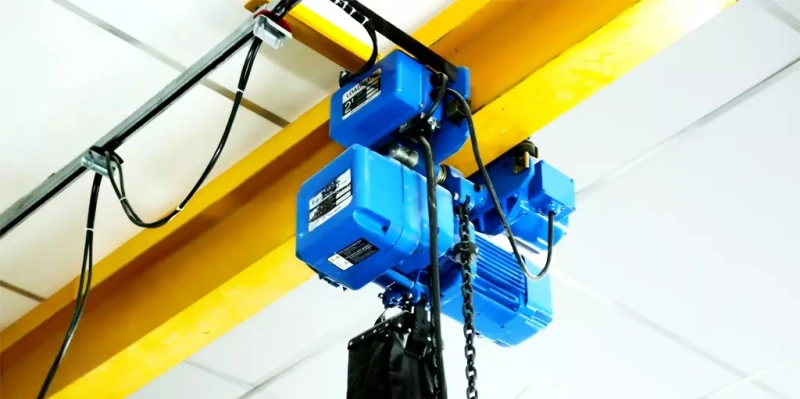
Recent product innovation in the chain hoist market has focused on improving both functionality and user experience. The BatteryStar™ hoist, for example, merges the lifting strength and speed of electric hoists with the portability of manual models.
Operators can control this hoist remotely from up to 60 feet away, receiving alerts for overcapacity and low battery levels. This type of product innovation demonstrates how technological advancements drive the hoist chains market forward.
The following table highlights how new technologies improve performance and safety in the hoist chains market:
Evidence Description | Impact on Performance and Safety |
|---|---|
Integration of sensors and digital monitoring systems | Provides real-time data, enables predictive maintenance, and reduces equipment failure |
Advancements in automation and control systems | Enhances efficiency and precision, supports complex lifting tasks |
Robotic-assisted lifting and remote operation capabilities | Improves safety in hazardous environments, reduces workplace accidents |
Use of data analytics and machine learning | Optimizes efficiency and predictive maintenance, reduces downtime |
Intelligent safety features like overload detection | Minimizes risks, reduces incidents |
Intelligent controls for accurate motion and load handling | Eliminates human error, improves safety, optimizes workflow |
Real-time data sharing | Enhances performance monitoring, facilitates preventive maintenance |
These technological advancements and product innovation trends continue to shape the hoist chains market. Companies that invest in innovation and smart solutions will lead the market and support long-term growth.
Sustainability and Regulatory Compliance
Eco-Friendly Materials and Energy Efficiency
The hoist chains market has seen a strong shift toward sustainability initiatives. Manufacturers now focus on sustainability by adopting eco-friendly materials and energy-efficient production methods. High-tensile alloy steel and advanced grades like Grade 80 or Grade 100 have become standard in the hoist chains market.
These materials offer a superior strength-to-weight ratio and exceptional wear resistance, supporting both durability and environmental goals.
Material Type | Description | Benefits |
|---|---|---|
High-tensile alloy steel | Constructed from heat-treated alloys for strength and durability. | Superior strength-to-weight ratio, lightweight |
Grade 80 or Grade 100 | Standard for high-quality hoists, offering a high safety factor. | Exceptional wear resistance and tensile strength |
Energy-efficient practices play a key role in the hoist chains market. Companies reduce energy consumption and waste by implementing advanced manufacturing techniques. Many now use regenerative braking systems and high-efficiency motors to optimize energy use.
Modern designs prioritize lightweight materials and recyclability, which lowers emissions throughout the product lifecycle. Konecranes’ S-series hoist, for example, achieves 94% recyclability. Automation technologies also enhance operational efficiency and reduce power consumption.
These efforts contribute to the overall growth of the hoist chains market size, especially in regions like the Asia Pacific, where demand continues to rise.
Energy-efficient practices reduce energy consumption and waste in hoist chain production.
Implementation of regenerative braking systems and high-efficiency motors optimizes energy use.
Modern designs prioritize lightweight materials and recyclability, leading to lower emissions throughout the product lifecycle.
Konecranes’ S-series hoist is 94% recyclable, demonstrating a commitment to sustainability.
Automation technologies enhance operational efficiency, significantly reducing power consumption.
Safety Standards and Global Regulations
Safety and regulatory compliance remain critical in the hoist chains market. International standards shape product design and distribution, ensuring that hoist chains meet strict safety and quality requirements. The following table highlights key regulations that impact the hoist chains market size worldwide:
Standard | Region | Description |
|---|---|---|
ASME B30.21 | U.S. | Specifies design requirements and testing methods. |
EN 13157 | Europe | Governs safety and performance standards. |
JIS B8819 | Japan | Sets quality and testing criteria for hoist chains. |
ISO 12100 / ISO 16881 | International | International safety standards for machinery. |
Manufacturers in the Asia Pacific region and beyond must comply with these regulations to access global markets. Adherence to these standards supports market growth and builds trust among stakeholders.
Companies that prioritize innovation and compliance position themselves as leaders in the hoist chains market, driving further expansion in market size and meeting the evolving needs of customers.
Chain Hoist Market Segmentation
By Application: Construction, Mining, Manufacturing
The hoist chains market divides into several key application segments. Construction represents the largest segment, fueled by ongoing infrastructure development and urbanization. Mining emerges as the fastest-growing segment, with companies adopting advanced hoisting technologies to improve safety and efficiency.
Manufacturing plays a significant role, using hoist chains in assembly lines and maintenance operations. Factories rely on these products for operational processes. Construction sites depend on hoist chains to lift heavy materials, enhancing productivity.
Mining and excavating operations require high durability and resistance to harsh conditions.
The chain hoist market also sees strong demand from automotive, aerospace, oil and gas, and logistics industries. E-commerce expansion and automation trends boost the need for efficient material handling solutions.
Industrial Application | Demand Characteristics |
|---|---|
Mining | High demand for strength and durability due to heavy loads. |
Automotive | Requires precision and efficiency in assembly lines. |
Aerospace | Increased demand due to rising air traffic and aircraft manufacturing. |
Construction | Strong demand for lifting equipment to improve production efficiency. |
Energy | Needs reliable hoisting solutions for heavy components. |
Marine | Requires specialized hoist chains for unique environmental conditions. |
By Material: Steel, Alloy Steel, Composites
Material selection impacts both performance and cost in the hoist chains market. Steel chains offer high tensile strength and cost-effectiveness, but require proper maintenance to prevent rust. Alloy steel chains provide improved strength and resistance to wear, making them suitable for heavy-duty applications.
Composite chains deliver tailored properties, such as lightweight construction and corrosion resistance, but often come at a higher price.
Material Type | Advantages | Disadvantages |
|---|---|---|
Steel Chains | High tensile strength, cost-effective | Susceptible to rust, less resistant to extreme temperatures |
Alloy Steel Chains | Enhanced strength, heat-treatable, and durable | Higher cost, still needs protective coatings |
Composite Chains | Lightweight, corrosion-resistant, engineered for specific uses | More expensive, complex manufacturing |
High-grade alloy steel, such as Grade 80 or Grade 100, delivers superior tensile strength and toughness. Heat treatment improves resistance to elongation and wear. Consistency and precision in link dimensions prevent premature fatigue and failure.
By Load Capacity and Drive Type
The hoist chains market offers a wide range of load capacities and drive types. Chain hoists typically handle loads under 3 tons, making them versatile for tasks like lifting engine blocks or positioning steel beams. Wire rope hoists are preferred for capacities above 5 tons. Both types are available for loads between 3 and 5 tons.
Manual hand chain hoists suit low capacities and infrequent use.
Electric hoists provide faster lifting speeds and support heavy-duty cycles.
Pneumatic hoists operate in environments where electric power is impractical, requiring compressed air.
Innovation in drive types and load capacities continues to shape the chain hoist market, meeting diverse industry requirements and supporting ongoing market growth.
Regional Market Insights
Asia-Pacific Growth and Opportunities
Asia-Pacific leads the hoist chains market with strong momentum. Industrialization and urbanization in China and India drive this growth. Manufacturing and infrastructure projects increase the need for effective lifting solutions. Companies in the region focus on quality and international standards.
This approach boosts productivity and safety. Many businesses invest in advanced technology to stay competitive. The market in Asia-Pacific continues to expand as more industries adopt modern hoisting equipment.
North America and Europe Trends
North America and Europe show different trends compared to other regions. Both regions have mature markets with stable regulations and strong innovation. North America stands out for its advanced technology and consistent safety standards.
Europe emphasizes strict regulations, sustainability, and high industrial standards. These factors shape the market landscape and influence product development.
Region | Characteristics |
|---|---|
North America | Mature markets with strong innovation and stable regulations. |
Europe | Driven by strict regulations, sustainability goals, and strong industrial standards. |
Asia Pacific | Rapid growth due to industrial expansion and technology adoption. |
Latin America | Gaining momentum with improved production capabilities. |
Middle East & Africa | Increasing production capabilities and economic policies. |
Manufacturers in North America focus on digital transformation and automation. They also prioritize safety and compliance with industry standards. Europe leads in sustainability, pushing for eco-friendly materials and energy-efficient solutions. Both regions continue to set benchmarks for the global market.
Emerging Markets: Middle East, Africa, South America
Emerging markets present new opportunities for hoist chain manufacturers. Economic growth and infrastructure projects increase industrial activities. This trend boosts demand for hand chain hoists.
Countries like Nigeria and Kenya experience rapid growth from infrastructure investments and rising industrial activity.
South America sees expanding production capabilities, creating more opportunities for market expansion.
The Middle East benefits from supportive economic policies and increased manufacturing output.
Manufacturers who enter these regions can tap into growing demand and establish a strong presence in the global market.
Strategic Outlook and Future Opportunities
Innovation and Digital Transformation Strategies
The future outlook for the hoist chains market depends on the adoption of advanced technology and digital transformation. Companies invest in automation, IoT, and smart solutions to improve operational efficiency.
Industry leaders in Europe drive transformation by integrating real-time monitoring systems and predictive maintenance tools. These advancements support safer and more reliable lifting operations. Digital transformation enables manufacturers to streamline production and optimize supply chains.
Technology also allows for remote diagnostics and data-driven decision-making. The forecast for the industry shows continued growth as businesses embrace innovation and adapt to key market trends. Companies that prioritize technology and transformation position themselves for long-term success.
The forecast highlights the importance of digital transformation in shaping the future outlook of the hoist chains market.
Market Entry and Expansion for Powerful Machinery
Powerful Machinery prepares for expansion by focusing on several strategic actions. The forecast suggests that targeting emerging markets will unlock new opportunities for growth. Europe remains a key region for expansion, with strict regulations and high demand for advanced technology.
Powerful Machinery invests in research and development to drive innovation and meet evolving industry needs. The company develops modular and customizable products, which address specific requirements across sectors. After-sales services create additional revenue streams and strengthen customer loyalty.
Strategic partnerships help Powerful Machinery build a strong market presence and support transformation efforts. The forecast indicates that expanding after-sales support and forming alliances will enhance the company’s competitive advantage.
Powerful Machinery leverages technology to deliver certified products that comply with global standards. The future outlook for the brand remains positive as it adapts to key market trends and pursues digital transformation. The forecast points to sustained growth and leadership in the hoist chains market.
Companies that embrace innovation, technology, and transformation will shape the future outlook of the industry. Powerful Machinery stands ready to capitalize on forecasted opportunities and drive market expansion.
Focus on technological innovation to stay competitive.
Expand after-sales services to enhance customer loyalty.
Target emerging markets for new growth.
Develop modular and customizable products.
Invest in research and development.
Form strategic partnerships to strengthen market presence.
Conclusion
The hoist chains market shows strong growth, driven by innovation, sustainability, and digital transformation. Stakeholders should focus on adopting smart technologies and eco-friendly practices.
Powerful Machinery stands out with certified products, global expertise, and a commitment to safety. Their Chain Hoist solutions deliver reliability and efficiency for demanding industries.
Companies that invest in advanced lifting solutions and prioritize quality will lead the global market.
FAQ
What industries use hoist chains most frequently?
Construction, mining, manufacturing, and logistics rely on hoist chains for material handling. Marine and transportation sectors also use hoist chains to lift heavy loads safely and efficiently.
How do manufacturers ensure hoist chain safety?
Manufacturers test hoist chains according to international standards like ISO and ASME. They use high-tensile materials and integrate safety features such as overload detection and secure locking mechanisms.
What materials are common in chain hoists?
Steel and alloy steel dominate the market. Composite materials appear in specialized applications. Alloy steel offers superior strength and durability, making it ideal for demanding environments.
Are chain hoists suitable for outdoor use?
Chain hoists with corrosion-resistant finishes and robust construction perform well outdoors. Operators choose models designed for harsh conditions to ensure reliability and safety.
How does digital technology impact hoist chain performance?
Digital technology enables real-time monitoring, predictive maintenance, and improved safety. Smart sensors and automation optimize lifting operations, reduce downtime, and enhance operational efficiency.