
Cargo Control
Cargo control keeps your loads stable during transport. You secure freight with ratchet straps, chains, binders, winches, and tie downs that hold heavy cargo in place on trailers and trucks. We build durable cargo control products that deliver real strength and reliability. Need pricing? Ask Powerful Machinery for a cargo control quote.

Our cargo control products meet or exceed DOT securement standards. You keep loads compliant while maintaining safe and reliable transport operations.
We manufacture cargo control gear with high-strength materials that hold loads firmly, reducing cargo shifting and helping maintain stable transport.
Our cargo control lineup includes ratchet straps, chains, binders, winches, and tie downs, giving you reliable solutions for many cargo types.
We build cargo control products for demanding road transport. Strong materials and precise manufacturing help extend service life and reduce replacement.
Cargo Control Products
We supply work provide dependable cargo control products for industry leaders.






CARGO CONTROL EQUIPMENT
Our cargo control equipments support loading operations across diverse applications. Our selection includes:

Grade 70 transport chain delivers strong and reliable cargo securement. This heat-treated carbon steel chain works well for load binding, tie-downs, towing, and transport. Pair it with ratchet or lever binders to keep heavy loads secure during hauling.

Chain binder secures transport chains and keeps cargo stable during hauling. Heat-treated steel construction with forged hooks delivers strong load restraint. Use this load binder with Grade 70 transport chain to secure heavy loads in trucking, construction, and transport.
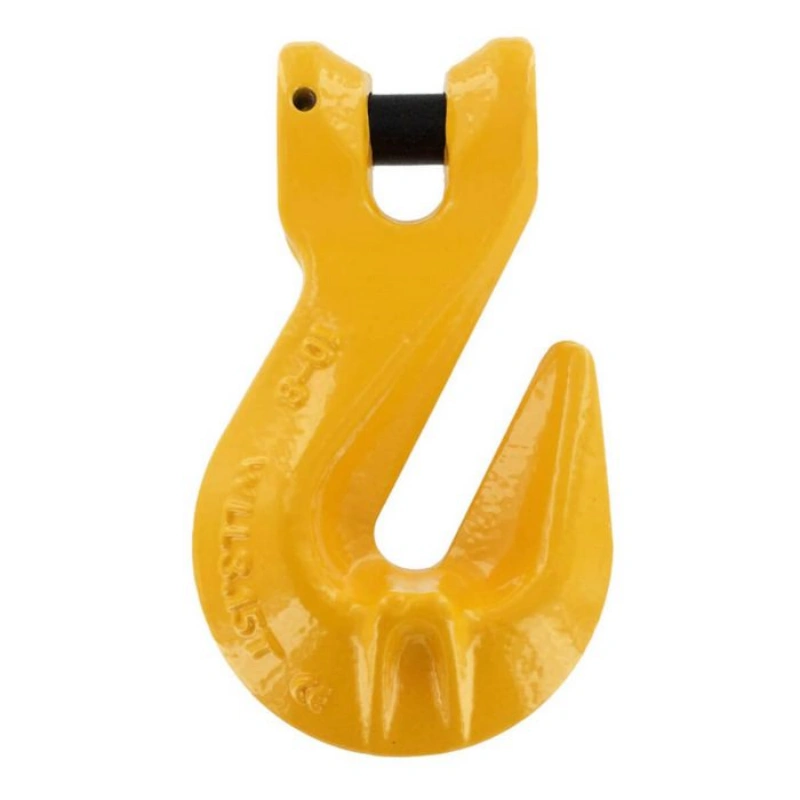
Grab hooks connect and shorten transport chains during cargo securement. The narrow throat design grips a single chain link to prevent slipping and keep loads stable. Durable steel grab hooks work well for towing, hauling, and cargo control applications.

Slip hooks connect transport chains and allow quick load adjustment during cargo securement. A safety latch helps keep the chain in place and reduces accidental release. Strong steel slip hooks work well for towing, hauling, and cargo control.

Coupling Link

Double clevis links connect Grade 70 transport chains with hooks or other cargo control hardware. Forged alloy steel construction delivers strong and reliable chain connections for hauling and load securement.
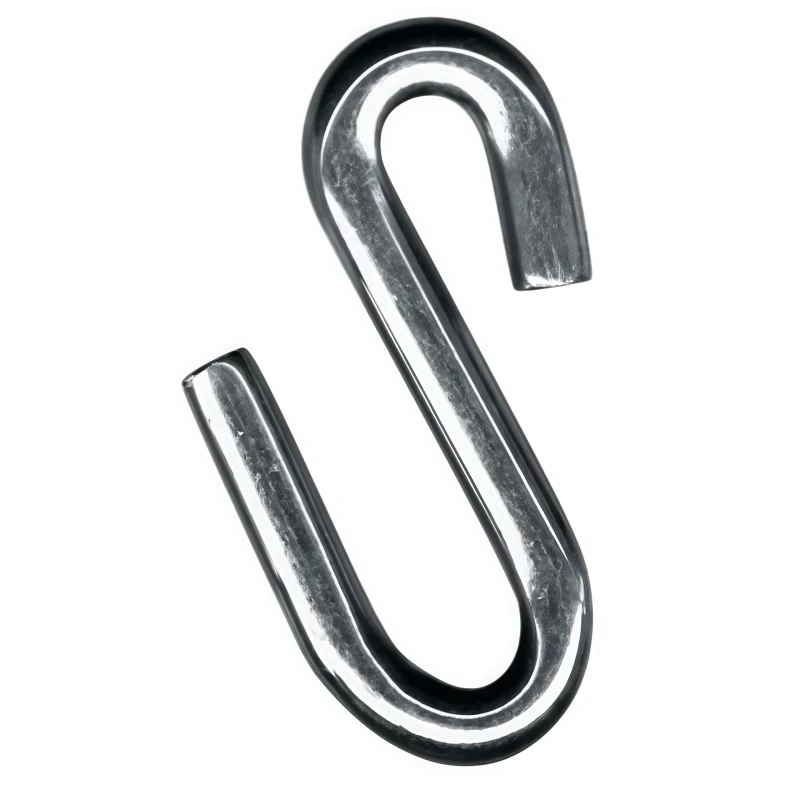
S hooks connect trailer safety chains and provide a secure link between the trailer and towing vehicle. Heat-treated steel S hooks deliver dependable chain connections, while the zinc finish helps resist corrosion.

Tie Down Straps
Tie down straps secure cargo and keep loads stable during transport. Strong webbing and durable hardware provide reliable load restraint for trucks and trailers. These cargo control tie down straps help keep freight secure.
NEED HELP WITH YOUR CARGO CONTROL ORDER?
Let us help! Reach out today and get recommendations on materials and sizing from our experts.


Guide to Cargo Control
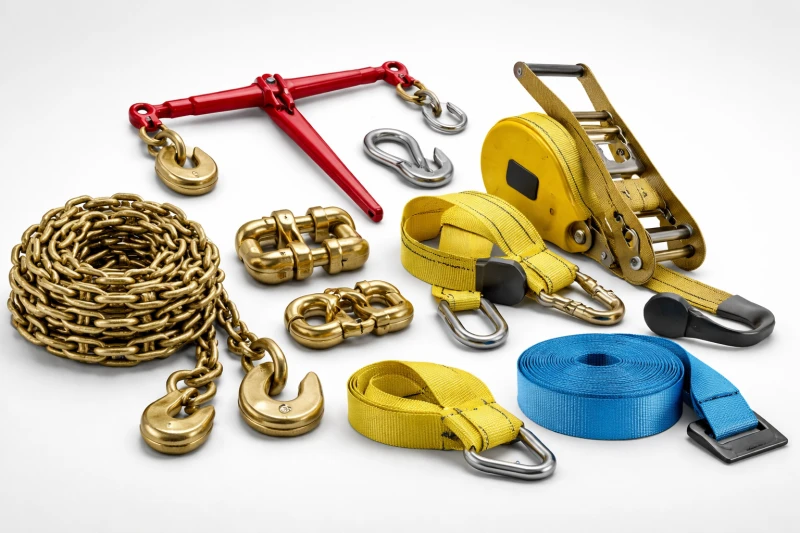
Our guide to cargo control equipment helps you understand cargo control equipment types, applications, and selection tips so you can choose safe, reliable cargo control products.
What Are Cargo Tie Downs and How Do They Secure Freight on Flatbed Trailers?
Cargo tie downs refer to load securement devices that hold freight firmly against a trailer or truck bed during transport. These devices create downward pressure and tension that prevent cargo movement caused by braking, acceleration, vibration, and cornering.
Professional cargo tie down systems usually combine multiple components working together:
ratchet straps that tighten polyester webbing around cargo
transport chains designed for heavy machinery and steel freight
load binders that apply strong tension to chain assemblies
trailer anchor points that support tie-down attachment
Flatbed cargo securement requires proper placement of tie downs across the cargo surface. Even tension distribution keeps the load balanced and stable during highway travel. Strong cargo tie downs reduce the risk of cargo shifting and improve freight safety during long-distance transport.
What is the Working Load Limit in Cargo Control Equipment?
Working Load Limit (WLL) defines the maximum load capacity that cargo control equipment can safely handle during transport. Manufacturers calculate the WLL based on material strength, safety factors, and engineering testing.
Cargo control regulations require the combined working load limit of all tie downs to reach at least 50 percent of the cargo weight in most transport operations.
Key factors influencing working load limit include:
material strength of chains or webbing
hardware design and connector strength
manufacturing quality and heat treatment processes
product testing and certification standards
Clear WLL markings on cargo control equipment allow freight operators to select appropriate tie-down systems for different loads. Proper WLL selection improves load stability and prevents equipment overload during heavy hauling operations.
What Types of Cargo Control Systems Are Used for Flatbed Transportation?
Flatbed transportation requires cargo control systems designed for exposed loads and irregular freight shapes. These systems secure cargo from multiple directions to prevent movement during highway travel.
Common flatbed cargo securement solutions include:
ratchet strap systems for palletized freight
transport chain assemblies for heavy equipment
winch strap systems installed along flatbed trailers
corner protectors that prevent strap damage
Flatbed cargo securement often requires several tie-down points across the load surface. Proper placement distributes tension evenly and improves load stability.
Professional cargo control equipment manufacturers design systems that handle harsh outdoor environments, heavy cargo weight, and long-distance transport requirements.
What is the Difference Between Transport Chains and Cargo Straps?
Transport chains and cargo straps both secure freight, yet each product serves different cargo types and weight categories.
Transport chains consist of high-strength alloy steel links designed for heavy industrial loads such as construction machinery, steel coils, and equipment. Chain assemblies resist abrasion and maintain strength under extreme tension.
Cargo straps use polyester webbing combined with ratchet mechanisms. These straps secure lighter freight and cargo that requires surface protection.
Major differences include:
chains support extremely heavy loads
straps protect cargo surfaces from damage
chains resist sharp edges and abrasion
straps provide flexible positioning around irregular shapes
Many transport operations combine both systems to create a balanced cargo control solution.
How Do Trailer Winch Strap Systems Improve Cargo Securement?
Trailer winch strap systems provide fast and efficient cargo securement on flatbed trailers. A winch mounted along the trailer rail pulls polyester webbing tight across cargo loads.
This system allows operators to secure freight quickly while maintaining consistent tension across multiple tie-down points.
Important advantages include:
rapid tightening during loading operations
strong tension for palletized cargo
efficient load securement on long trailers
compatibility with flatbed anchor rails
Winch strap systems remain widely used in flatbed trucking because they combine speed, reliability, and strong cargo restraint. Durable webbing and reinforced hardware ensure long service life during daily transport operations.
What Materials Are Commonly Used in Cargo Control Equipment Manufacturing?
Cargo control equipment manufacturers select materials that deliver high strength, durability, and reliability during freight transportation.
Common materials include:
high-strength alloy steel used for transport chains and hooks
forged steel hardware designed for load binders and connectors
polyester webbing used for ratchet straps and winch straps
corrosion-resistant coatings applied to steel components
Material quality directly affects product durability and load capacity. Heat treatment processes strengthen steel components and improve resistance to fatigue.
Strong materials combined with precise manufacturing produce cargo control equipment capable of handling heavy-duty transport conditions.
What Role Do Anchor Points Play in Trailer Cargo Securement Systems?
Trailer anchor points create secure attachment locations for cargo tie downs. These anchor points allow chains, straps, and connectors to transfer tension from the load to the trailer structure.
Proper anchor point placement improves load balance and prevents uneven tension distribution.
Common anchor point types include:
D-rings installed on trailer decks
stake pockets integrated into flatbed frames
winch rails mounted along trailer sides
recessed tie-down rings built into trailer floors
Strong anchor points ensure that cargo control equipment performs effectively during heavy hauling operations. Reliable trailer structures support safe and stable freight transport across long distances.
How Does Cargo Shifting Occur During Transportation?
Cargo shifting occurs when load securement systems fail to maintain sufficient tension during transport. Road vibration, sudden braking, and cornering forces can cause unsecured freight to move.
Several factors contribute to cargo shifting:
insufficient number of tie downs
uneven tension distribution across the load
incorrect equipment selection for cargo weight
worn or damaged cargo control equipment
Proper cargo control equipment prevents load movement by creating strong downward pressure and horizontal restraint.
Professional load securement practices maintain consistent tension across the entire cargo surface. Stable cargo positioning reduces accident risk and improves transport safety.
How Does a Cargo Control Equipment Manufacturer Ensure Product Reliability?
Reliable cargo control equipment requires strict engineering design, quality materials, and consistent manufacturing processes. Professional manufacturers apply multiple quality control steps during production.
Key manufacturing practices include:
raw material inspection before production
precision forging and heat treatment for steel components
strength testing to verify load capacity
dimensional inspection for accurate assembly
Quality assurance teams verify that cargo control equipment meets industry performance standards.
Strong manufacturing processes produce durable equipment capable of handling demanding freight securement applications in logistics, construction, and heavy equipment transport.
What Advantages Come From Sourcing Cargo Control Equipment Directly From Manufacturers?
Direct sourcing from cargo control equipment manufacturers provides better product consistency and stronger supply reliability for freight operations.
Manufacturers maintain control over engineering design, production processes, and quality inspection. This level of control ensures reliable performance for cargo securement products.
Major advantages include:
consistent working load ratings across production batches
engineering support for cargo securement solutions
stable product availability for logistics operations
custom production options for straps, chains, and hardware
Experienced manufacturers design cargo control equipment based on real transportation challenges. Strong engineering expertise and strict production standards produce durable products suitable for heavy-duty cargo transport.
Have More Questions of Cargo Control?
Have more questions about cargo control? The right cargo control equipment secures freight, protects drivers, and supports DOT load securement compliance. Contact our team to learn more about cargo control products and find the right solution for your transport needs.