You rely on a chain block when you need to lift heavy loads with precision and control. This tool plays a vital role in industries such as construction, marine, and logistics. Understanding each component matters for your safety and efficiency.
Many incidents occur because of mistakes like using a damaged chain, skipping safety catches, or overloading. Powerful Machinery stands out as a trusted supplier of certified lifting solutions. Review the table below to see the most common safety risks:
Safety Incident Description |
|---|
Using a corroded or damaged chain |
Using a lifting hook without a safety catch |
Misalignment of chain accessories and pulleys |
Wrong chain selection leading to jamming or overload |
Insufficient lubrication is causing chain failure |
Twisted chains or loose pins weakening capacity |
Overloading is causing the chain hoist failure |
Risk of pinching or crushing during operation |
Falling loads causing injury or damage |
Sharp metal shavings are causing cuts |
Key Takeaways
Always inspect your chain block before use. Check for damage, wear, and ensure all components function properly to prevent accidents.
Choose the right chain block based on load capacity. Select a block with a working load limit at least 20-25% higher than your heaviest load.
Follow safe lifting practices. Keep hooks aligned, pull the hand chain straight, and never exceed the hoist’s rated capacity to ensure stability.
Maintain your equipment regularly. Lubricate moving parts, check for wear, and replace damaged components to extend the life of your chain block.
Use certified products from trusted suppliers like Powerful Machinery. This ensures safety, reliability, and compliance with international standards.
Chain Block Overview
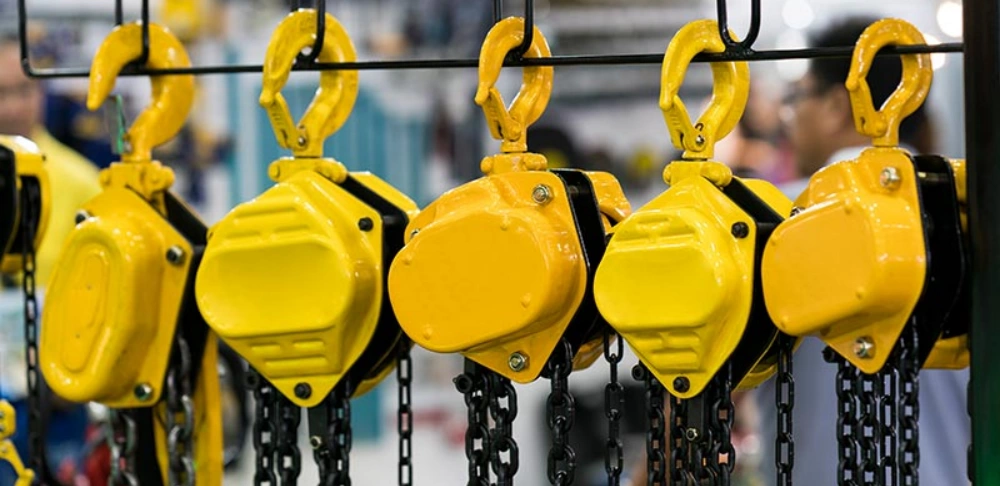
Definition and Function
You use a chain block when you need to lift or lower heavy objects with control and safety. This device uses a simple yet powerful mechanism that multiplies your force, allowing you to move loads that would be impossible to handle manually.
The chain block features a hand chain, a load chain, and a set of gears that work together to provide smooth and precise lifting. Powerful Machinery, a trusted leader in lifting solutions, manufactures chain blocks that meet strict international standards for quality and safety.
A chain block gives you the ability to lift, position, and secure loads with minimal effort. You can rely on its safety latches and braking system to prevent accidents during operation.
Industry Applications
You find chain blocks in many industries where lifting and moving are daily tasks. These devices play a key role in:
Construction: Lifting steel beams, concrete panels, and other building materials.
Manufacturing: Handling machinery parts and assembling equipment.
Warehousing: Moving heavy crates, pallets, and goods efficiently.
Marine and Shipyards: Managing large vessels, components, and custom shape cutting applications.
Transportation and Cargo Handling: Loading and unloading containers and freight.
You can use a chain block in confined spaces and challenging environments, making it a versatile tool for many professionals.
Advantages
When you choose a chain block, you gain several important benefits:
High load capacity for lifting several tons safely.
Precision lifting that reduces the risk of accidents.
Portability and lightweight design for easy transport.
Durability to withstand harsh conditions and frequent use.
Safety features like secure hooks and braking mechanisms.
Operational efficiency that speeds up your workflow and minimizes downtime.
You improve workplace safety and productivity by using a chain block from Powerful Machinery. This tool helps you handle heavy lifting tasks with confidence and reliability.
Key Chain Block Components
Understanding the key components of a chain block helps you operate lifting equipment safely and efficiently. Each part plays a critical role in the overall performance and reliability of the device.
Powerful Machinery uses only high-quality materials and advanced manufacturing processes to ensure every chain pulley block meets international safety standards.
Hand Chain
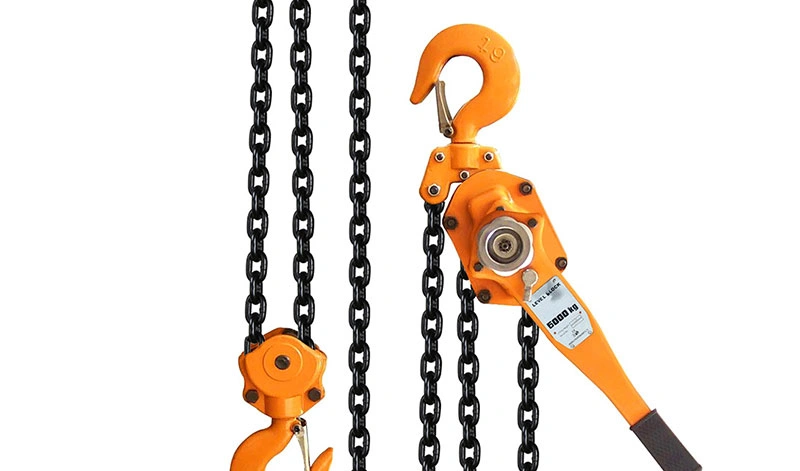
The hand chain is the part you pull to activate the lifting mechanism. It transfers your manual force to the gear system, allowing you to raise or lower heavy loads with minimal effort. The durability of the hand chain depends on the materials and treatments used during manufacturing.
High-strength alloy steel, such as 20Mn2, 20MnV, or 25MnV, provides excellent tensile strength and resists breakage.
Heat treatment processes like quenching and tempering balance hardness and toughness, reducing the risk of fatigue failure.
Anti-corrosion surface treatments, including galvanizing, extend the life of the hand chain and protect it from harsh environments.
You should always inspect the hand chain for signs of wear, corrosion, or surface defects before each use. A well-maintained hand chain ensures smooth operation and maximizes the safety of your chain block.
Load Chain
The load chain carries the weight of the object you are lifting. It must withstand high tension and repeated use without stretching or breaking. Powerful Machinery manufactures load chains from high-grade steel, following strict industry standards for strength and durability.
Standard | Description |
|---|---|
OSHA 1910.184 | Governs the use, inspection, and removal criteria for all lifting slings. |
ASME B30.9 | Guides the fabrication, marking, and testing of lifting chains. |
You should always use a load chain that exceeds the maximum weight of your load. Secure all connections with rated hardware and inspect the chain for damage or deformation before every lift. Routine inspections by qualified personnel help prevent accidents and ensure compliance with safety regulations.
Hooks
Hooks connect the chain block to the load and the anchor point. They must support the full weight of the load and prevent accidental release. Powerful Machinery equips each chain pulley block with forged steel hooks and safety latches.
Swivel hooks allow for easy rotation, improving load stability and reducing the risk of imbalance.
Overload protection features prevent the device from operating beyond safe limits.
You should always check that the safety latch is engaged and the hook is free from cracks or deformation. Proper hook design and maintenance are essential for safe lifting operations.
Gear System
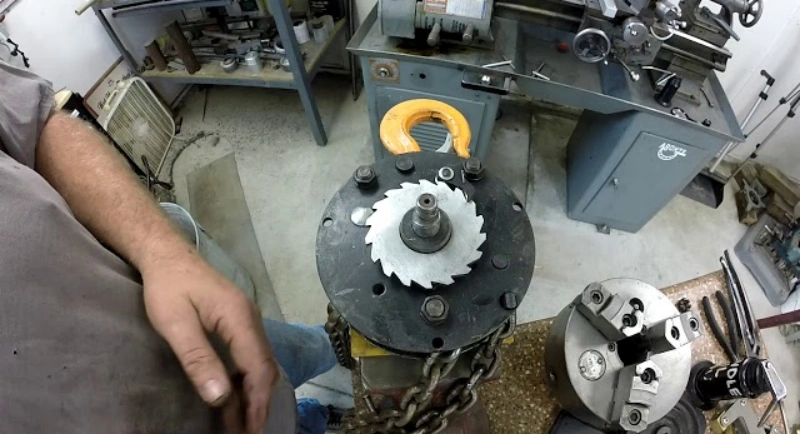
The gear system multiplies your input force, making it possible to lift heavy loads with ease. It consists of several types of gears, each with a specific function.
Gear Type | Function |
|---|---|
Internal Gears | Wind the chains to lift the load with minimal effort. |
Pinion Gears | Engage with the hand chain to receive your input force. |
Reduction Gears | Multiply your force, allowing you to lift heavier loads efficiently. |
A well-designed gear system ensures smooth and reliable operation. Powerful Machinery uses precision-machined gears to maximize efficiency and reduce wear.
Sprocket
The sprocket guides the load chain through the chain block. It ensures the chain moves smoothly and stays aligned during lifting and lowering. A high-quality sprocket reduces the risk of chain jamming and extends the life of both the chain and the device.
You should keep the sprocket clean and lubricated to maintain optimal performance. Regular inspection helps you spot wear or misalignment early, preventing costly repairs.
Braking System
The braking system is one of the most important key components for safety. It holds the load securely in place when you stop pulling the hand chain, preventing accidental drops. Powerful Machinery uses advanced braking systems that meet or exceed international safety standards.
Brake Type | Function |
|---|---|
Mechanical Brakes | Engage instantly to hold the load if you release the hand chain. |
Eddy Current Brakes | Provide resistance to motion for controlled lowering, but do not hold the load stationary. |
Regenerative Braking | Offers speed control by using the motor as a generator, but not for holding loads. |
You should always test the braking system before each lift. A reliable braking system gives you confidence and control during every operation.
Side Plates
Side plates form the main structure of the chain block. They hold all the key components together and protect the internal mechanisms from damage. Powerful Machinery manufactures side plates from high-strength steel, ensuring maximum durability and resistance to impact.
You should check the side plates for cracks, bends, or other signs of damage. Properly maintained side plates keep your chain block operating safely and efficiently.
Tip: Always follow the manufacturer’s guidelines for inspection and maintenance. Using certified equipment from Powerful Machinery ensures you get the highest level of safety and performance for every lift.
Chain Block Working Mechanism
Mechanical Principle
You benefit from the mechanical advantage that a chain block provides. This advantage allows you to lift heavy loads with much less effort than lifting by hand. The device uses a system of gears and pulleys to distribute force efficiently. Here are the main principles at work:
Mechanical advantage lets you use less force to lift a load.
The pulley system spreads out the force, making lifting easier.
Compound pulleys increase the mechanical advantage by using multiple pulleys together.
When you pull the hand chain, the gear system multiplies your input force. This force then moves the load chain, which raises or lowers the load. The braking system holds the load securely when you stop pulling, giving you control and safety during every lift.
Step-by-Step Operation
To operate a chain block safely and effectively, you should follow a clear sequence. Each step ensures that you protect both yourself and your equipment.
Check the rated capacity and never exceed the hoist’s tonnage. Make sure the load matches the hoist’s limits.
Inspect the entire device before use. Confirm that all parts are in good working order.
Examine the upper and lower hooks. They must be firmly attached and not bent. The lifting chain should hang straight with no twists.
Begin lifting slowly. After tightening the chain, check for kinks or other issues before proceeding.
Stand in line with the hand chain wheel. Pull the hand chain clockwise to lift and counterclockwise to lower. Always lift gradually and avoid pulling at an angle.
Use steady, gentle force. If the hand chain does not move smoothly, stop immediately and investigate.
Never stand under or on a suspended load. Use wooden supports if you need to suspend the load temporarily.
Do not lift beyond the specified height. This prevents damage to the hoist.
For tilted or horizontal use, reduce the load by half. Adjust the chain direction and add support chains. Place a pad at the chain entrance for horizontal lifting.
Tip: Always follow these steps to ensure safe operation and extend the life of your equipment.
Component Interaction
Each part of the chain block works together to create a reliable lifting system. When you pull the hand chain, your effort passes through a gear train that multiplies your force. This amplified force turns the lift wheel, which moves the load chain and raises the load.
The braking system then locks the load in place when you stop pulling, preventing accidental drops. This interaction between the hand chain, gears, load chain, and brake ensures that you can lift and hold heavy objects with confidence and precision.
Selecting a Chain Block
Choosing the right chain block for your load-lifting needs requires careful consideration of several factors. You want to ensure safety, efficiency, and long-term value for your operation.
Powerful Machinery offers a wide range of certified chain blocks, each designed to meet strict international standards such as ISO9001, ASME B30.21, and CE.
Load Capacity
You must always determine the maximum weight you plan to lift, including any dynamic forces that may occur during operation. Chain blocks come in capacities from 0.5 to 30 tonnes, with custom options available for heavier loads. Follow these steps to select the correct load capacity:
Identify the heaviest load you will lift.
Choose a block with a working load limit (WLL) at least 20–25% higher than your maximum load.
Consider the chain diameter, as larger diameters support greater weights.
Factor in the angle of use and environmental conditions, which can affect performance.
Inspect equipment regularly, since wear and age reduce strength.
The WLL is the maximum force your equipment can safely support. Manufacturers determine this based on the minimum breaking strength of the weakest component.
Lift Height
You need to match the lift height of the chain block to your application. Measure the distance from the anchor point to the lowest position of the load. Always ensure the hand chain drop is at least two feet less than the lift height for smooth operation. Powerful Machinery provides various chain lengths to suit different lifting scenarios.
Environmental Suitability
Consider the environment where you will use your chain block. Moisture, chemicals, and extreme temperatures can impact performance and safety. Select models with protective coatings and corrosion-resistant materials if you work in harsh conditions.
Powerful Machinery’s products feature advanced surface treatments to withstand demanding environments.
Durability and Maintenance
Durability ensures your equipment lasts through repeated load-lifting tasks. You should inspect chains, hooks, and pulleys before each use. Lubricate moving parts as recommended. Schedule routine maintenance and conduct periodic load tests to verify performance.
Powerful Machinery supplies clear manuals and checklists to support your maintenance routines.
Brand Comparison
When comparing brands, look for these key criteria:
Criteria | Details |
|---|---|
Load Capacity | Choose a block that exceeds your maximum load lifting needs. |
Certification Standards | Verify compliance with ASME, ISO, CE, and OSHA. |
Customer Reviews | Research real-world performance and satisfaction. |
Maintenance Support | Ensure manuals and spare parts are readily available. |
Brand Reputation | Select brands with a strong history and global presence. |
Powerful Machinery stands out with its certified products, global reputation, and responsive customer service. You gain peace of mind knowing your chain block meets the highest standards for safety and reliability.
Safe Operation Tips
Pre-Use Inspection
Before you operate a chain block, always perform a thorough inspection. Follow these steps to ensure your equipment is safe:
Check the nameplate, safe working load (SWL), and identification tag.
Inspect both hooks for cracks, deformation, or an open latch.
Examine all chain links for corrosion, elongation, twists, or sharp edges.
Test the gear mechanism for smooth movement.
Confirm the suspension point, such as an I-beam or trolley, is certified and rated for the load.
Make sure the area below the load is clear and barricaded.
Tip: A careful inspection prevents accidents and keeps your lifting operation efficient.
Proper Setup
Set up your equipment correctly to avoid hazards. Use this checklist:
Assess the weight capacity of your hoist.
Choose a support that can handle the combined weight of the load and hoist.
Inspect the chain and hook for integrity.
Use a load-rated hook or clamp for secure attachment.
Align the hoist vertically above the load.
Attach the load securely and check for balance.
Test with a lighter load before full operation.
Monitor the setup during use.
Schedule regular maintenance.
Lifting Practices
Follow best practices when lifting heavy loads. The table below highlights key recommendations:
Recommendation | Description |
|---|---|
Load Hook Alignment | Keep both hooks vertically aligned above the load’s center of gravity for stability. |
Force Direction | Pull the hand chain in line with the chain wheel to avoid uneven loads. |
Suspension Point Strength | Use a suspension point with at least 1.05 times the rated load of the hoist. |
Maintenance
Regular maintenance extends the life of your equipment. Lubricate moving parts, check for wear, and replace damaged components promptly. Powerful Machinery provides clear manuals and support for all maintenance needs.
Hazard Prevention
Stay alert to common hazards when lifting heavy objects. The table below outlines frequent misuses and how to prevent them:
Prevention Measures | |
|---|---|
Twisting the Chain | Keep the chain straight to avoid jamming and damage. |
Overloading the Hoists | Never exceed the safe working load limits. |
Applying Excessive Force | Use a steady grip and avoid pulling too hard. |
Hoist Modification | Do not alter the hoist to maintain safety and warranty. |
Horizontal Pulling and Angular Lifting | Always lift loads vertically to prevent internal damage. |
Note: Following these tips ensures safe and reliable operation every time you use your chain block.
Powerful Machinery Product Highlights
Chain Block Features
You gain a powerful advantage when you choose a chain block from Powerful Machinery. The design focuses on strength, safety, and ease of use. You can lift heavy loads with minimal effort because the gear system multiplies your force. The hand chain moves smoothly, so you control every lift with precision.
The forged steel hooks and safety latches keep your load secure. You can use the chain block in tight spaces or harsh environments. The compact size and lightweight build make it easy to transport and set up. You also benefit from a safety latch that prevents accidental release.
The robust construction ensures long service life, even with frequent use.
High-tensile steel chains for maximum durability
Precision-machined gears for smooth operation
Secure hook system with safety latch
Corrosion-resistant finish for tough conditions
Multiple capacities available for different lifting needs
Certifications and Reliability
You want equipment that meets the highest standards. Powerful Machinery’s chain blocks deliver on that promise. Each product goes through strict quality control, starting with raw material inspection and ending with comprehensive testing.
You can trust these chain blocks because they meet or exceed major international safety and quality standards. The table below highlights the certifications and quality assurance you receive:
Certification and Quality Assurance Evidence |
|---|
PowerFul Machinery’s chain blocks are fully certified to meet or exceed major international safety and quality standards. |
Every product is rigorously tested to exceed international standards, guaranteeing maximum safety, reliability, and performance in the toughest environments. |
Our rigorous quality control system begins with the meticulous inspection of raw materials and continues through every manufacturing step, including comprehensive testing. |
You can rely on these chain blocks for consistent performance in demanding applications.
Customer Testimonials
You see the difference when you use Powerful Machinery’s chain blocks. Customers around the world trust these products for their toughest jobs. Ben Carter from Canada values the durability in extreme conditions. David Müller from Germany relies on the consistent quality for his construction projects.
Liam O’Connell from Australia chooses Powerful Machinery for certified lifting components that meet strict safety standards. You join a global community of professionals who depend on these chain blocks every day.
For more details and to explore the full range of chain blocks, visit Powerful Machinery’s official website.
Conclusion
You improve safety and efficiency when you understand every part of a chain block. Regular inspections help you avoid injuries and equipment failure.
In 2012, OSHA reported an accident associated with chain block operations: Something malfunctioned in the device, causing the chain to drop, crushing the worker’s right hand. This incident could have been prevented with regular pre-inspections.
Component | Importance |
|---|---|
Strong Shell Housing | Protects internal gears; check for dents or cracks. |
High-Strength Gear Mechanism | Ensures load handling; requires lubrication and checks for dust or rust. |
G80 Load Chain | Inspect for wear or stretch; replace damaged chains immediately. |
Hand Chain | Should operate smoothly; keep clean to prevent slippage. |
Load Hook with Safety Latch | Prevents load from falling; check for deformation or cracks. |
General Safety Tips | Confirm rated capacity, check the brake system, avoid standing under loads, and store properly. |
Choose certified products like Powerful Machinery’s Chain Block for reliable lifting. Follow the selection criteria and safety tips for every lift. For more details and product options, visit Powerful Machinery’s website.
FAQ
What is the maximum load capacity of a chain block?
You can select chain blocks with capacities from 0.5 tons up to 5 tons. Powerful Machinery offers custom options for heavier loads. Always check the rated capacity before lifting.
How do you inspect a chain block before use?
You should check the hooks, chains, and gear mechanism for damage or wear. Confirm the safety latch works. Test the brake system.
Tip: Inspect every component before each operation.
Can you use a chain block in confined spaces?
Yes, you can use a chain block in tight areas. The compact design and lightweight build make it ideal for construction sites, warehouses, and remote locations.
What materials are used in Powerful Machinery’s chain blocks?
You get chain blocks made from high-grade steel. The hooks use forged steel. Chains feature corrosion-resistant finishes.
Component | Material |
|---|---|
Chain | Alloy Steel |
Hook | Forged Steel |
Side Plate | High-Strength Steel |
Are there safety features included with the chain block?
You benefit from secure hooks, safety latches, and advanced braking systems. These features help prevent accidental release and ensure safe operation every time.