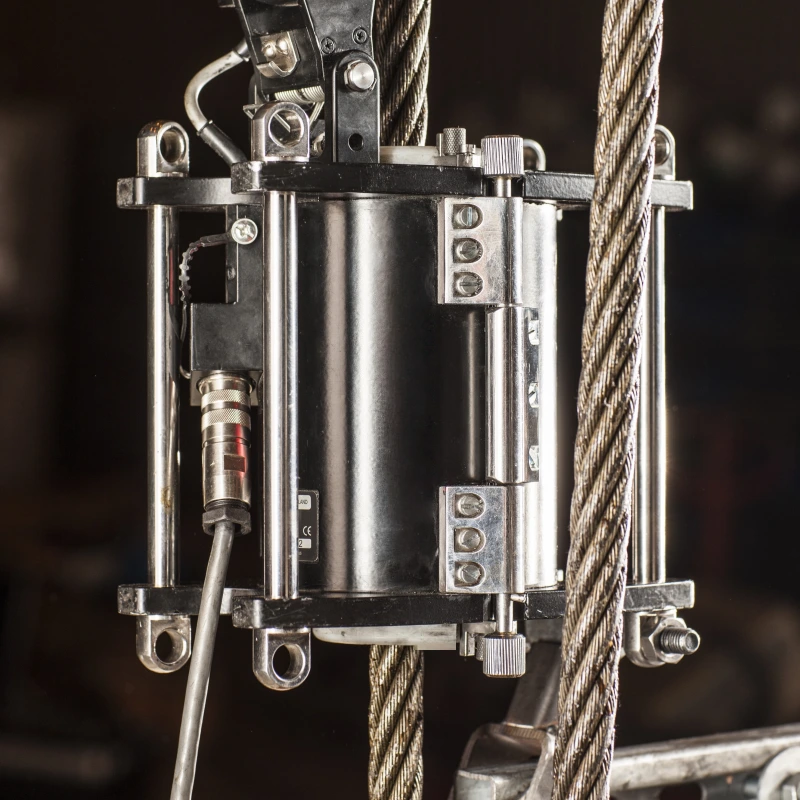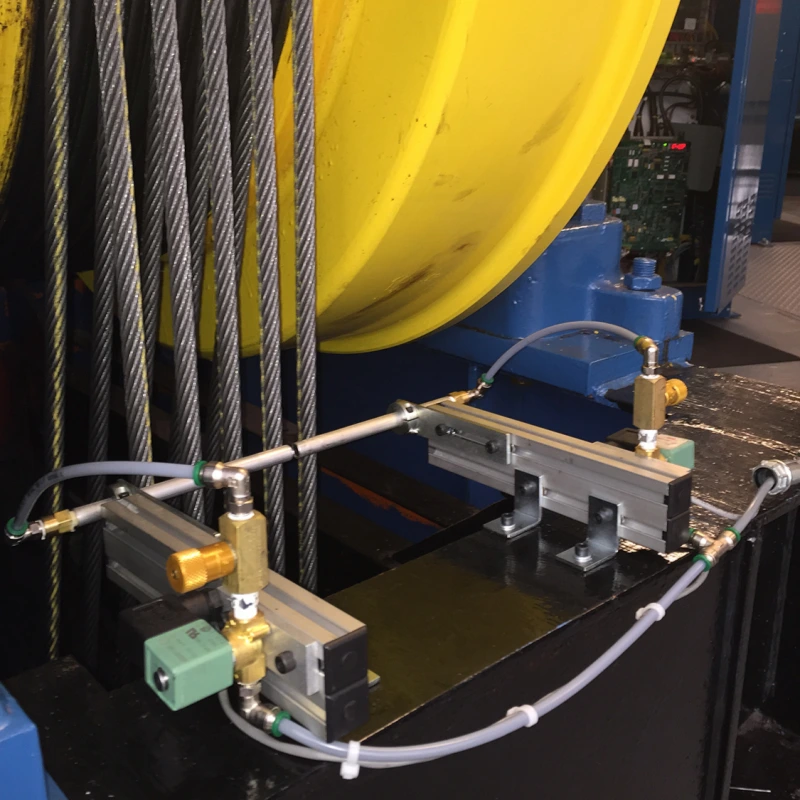
You must follow essential steps for safe crane wire rope installation to protect both people and equipment. Incorrect installation can cause accidents, as seen in a Mumbai Metro incident where poor reeving led to a crane collapse.
Safety authorities report that about 20% of crane accidents result from technical errors like improper wire rope setup. You can trust Powerful Machinery for certified wire ropes and expert guidance. If you feel unsure at any stage, always consult a professional to ensure safety and reliability.
Key Takeaways
Proper installation of crane wire ropes is crucial for safety. Follow all steps to prevent accidents and equipment damage.
Always use certified, high-quality wire ropes. This choice enhances performance and extends the rope’s lifespan.
Inspect and measure wire ropes before installation. Check for corrosion, broken wires, and ensure proper diameter.
Store wire ropes correctly to prevent corrosion. Keep them in a dry area and lubricate before storage.
Seek professional help if you encounter unusual sounds or visible damage during operation. Expert support ensures safety and reliability.
Why Proper Installation Matters?
Safety and Performance Risks
You must install crane wire ropes correctly to protect people and equipment. Improper installation can cause serious injury and lead to costly downtime. Many crane accidents happen because the wrong rope diameter is used or installation procedures are ignored.
When you fit wire rope grips incorrectly, the rope can slip and damage the live end. This mistake puts both personnel and machinery at risk. Corrosion also weakens wire ropes, reducing their strength and reliability. If you do not store ropes properly, you increase the chance of damage and unexpected failures during operation.
Tip: Always check the rope diameter and follow installation steps to avoid twisting and spooling problems. This practice prevents equipment damage and reduces downtime.
The installation phase is critical. Most wire rope problems start here, making your crane vulnerable to operational issues. You can prevent increased stress, boom failure, and performance issues by using the correct rope and following proper procedures.
Key Factors | Impact on Safety and Efficiency |
|---|---|
Correct Rope Diameter | Prevents increased stress and critical failures |
Proper Storage | Reduces the risk of corrosion and damage |
Installation Procedures | Protects the wire rope and ensures performance |
Benefits of Quality Products
You gain many advantages when you choose certified, high-quality crane wire ropes from Powerful Machinery. These ropes use advanced technology and strict quality control. International certifications, such as ISO 9001:2015, guarantee safety and reliability.
You benefit from longer rope life, better performance, and dependable operation. High-quality ropes minimize downtime and support safe practices. Powerful Machinery focuses on sustainability and uses materials that last in demanding environments.
Benefit | Description |
|---|---|
Advanced Technology | Latest manufacturing methods for enhanced performance |
Strict Quality Control | Rigorous testing ensures reliability and safety |
International Certifications | Compliance with global standards like ISO 9001:2015 |
Focus on Safety and Sustainability | Safe practices and sustainable materials |
Longer Rope Life | Durable construction increases lifespan |
Better Performance | Superior design for demanding environments |
Reliability | Consistent performance reduces downtime and supports safe operations |
You should always select wire ropes that meet industry standards, such as ISO 13001 and ISO 13411. Powerful Machinery provides certified products that help you avoid downtime and maintain crane safety. When you invest in quality, you protect your team and equipment from injury and unexpected failures.
Preparation for Crane Wire Rope Installation
Tools and Materials Checklist
You need the right tools and materials before you start installing crane wire rope. Industry experts recommend gathering all items in advance to avoid delays and ensure safety. Use this table to check your preparation:
Item | Purpose | Key Considerations |
|---|---|---|
Wire Rope Slings | Lifting and supporting heavy loads | Inspect for kinks and corrosion |
Synthetic Slings | Flexible lifting in sensitive environments | Protect from sharp edges |
Heavy-duty lifting tasks | Adjust with chain shorteners | |
Connecting slings and hooks | Check for deformation and wear | |
Attaching loads quickly and securely | Inspect for cracks and wear | |
Securing wire rope ends or loops | Use correct spacing and torque | |
Measuring Tape | Measuring rope diameter and length | Ensure accuracy |
Gloves and PPE | Personal protection during handling | Wear at all times |
Reducing friction and preventing corrosion | Apply as needed |
Tip: Always use certified tools and wear proper PPE to protect yourself during installation.
Inspecting and Measuring Rope
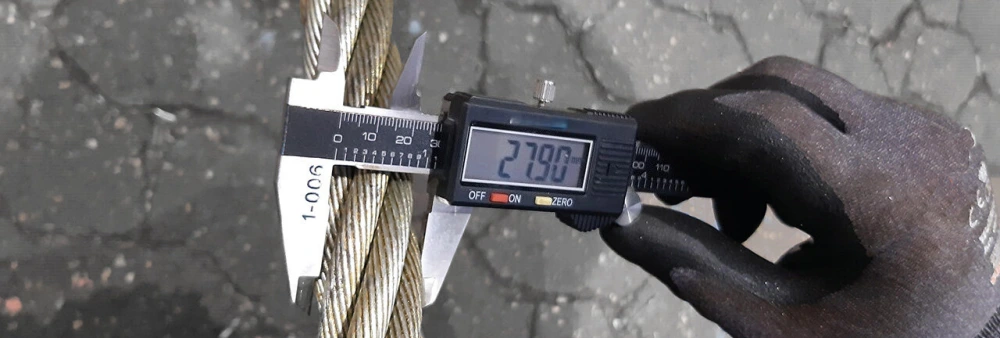
You must inspect and measure the new wire rope before installation. Follow these steps to ensure the rope is safe and fits your crane:
Measure the diameter of the wire rope in a straight, tension-free section. Record the value.
Visually inspect the rope for corrosion, broken wires, or wear, especially if stored for a long time.
Check all pulleys and drum grooves for defects and confirm they meet specifications.
Make sure the sheave groove diameter is 5–10% larger than the rope’s nominal diameter.
Clean the rope and scan its entire length under good lighting. Focus on high-stress areas.
Measure the diameter at several points and compare with the original size.
Count any broken wires and check for proper lubrication.
You should always follow national standards for rope diameter. If the groove appears worn, consider machining it for a proper fit.
Choosing the Right Powerful Machinery Crane Wire Rope
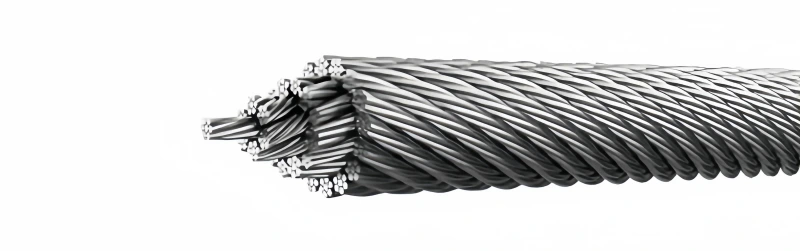
Selecting the correct wire rope ensures safe and efficient crane operation. Consider these factors when choosing from Powerful Machinery’s range:
Factor | Description |
|---|---|
Material | Choose high carbon steel, galvanized, or stainless steel for durability and corrosion resistance. |
Diameter | Match the rope diameter to your crane’s load requirements and drum size. |
Construction Type | Select from 35×7 for rotation resistance, 6×36 IWRC for flexibility, or 6x29Fi for high-speed lifting. |
Load Capacity | Check the breaking strength and working load limits for your application. |
Safety Factor | Use ropes with appropriate safety margins for lifting operations. |
Ensure compatibility with your crane’s hardware and Powerful Machinery’s certified accessories. |
You can contact Powerful Machinery’s technical team for help with custom specifications or unique lifting needs. Their certified products meet international standards, giving you confidence in every lift.
Handling and Storage
Proper Storage Methods
You must store crane wire rope correctly to prevent corrosion and extend its service life. Choose a dry, temperate environment for storage. Moisture and extreme temperatures can cause rust and weaken the rope. Keep the storage area free from acids and chemicals.
These substances can lead to rapid corrosion and crane rope damage. Apply a high-quality lubricant to the wire rope before storage. This creates a protective barrier against moisture.
Store heavy ropes vertically to reduce stress and avoid deformation. Organize shelving and stacking to prevent crushing and make ropes easy to access.
Store in a dry, temperate area
Keep away from acids and chemicals
Lubricate before storage
Store heavy ropes vertically
Organize shelves to prevent crushing
Tip: Regularly inspect stored ropes for signs of rust or damage.
Unreeling and Uncoiling Techniques
You must handle wire rope carefully during unreeling and uncoiling. Lay the free end of the coil on the floor and stand the coil on its edge. Unroll it slowly to avoid kinks in the wire rope. You can also place the coil on a revolving shaft for controlled unwinding.
Support the reel on a pipe or bar so it can turn freely as you pull the rope off. Use a timber brake against the reel flange to add back tension. Never lay the coil flat and pull the rope out, as this causes twists and permanent damage.
Stand the coil on its edge to unroll
Use a revolving shaft for controlled unwinding
Support the reel for free rotation
Apply back tension with a timber brake
Avoid pulling rope from a flat coil
Note: Do not drop reels or allow the rope to form loops during handling.
Common Handling Mistakes
You can avoid many problems by learning about common mistakes in wire rope handling. The table below lists frequent errors and their effects.
Common Handling Mistakes | Description |
|---|---|
Corrosive Environments | Chemicals or saltwater speed up corrosion and cause early failure. |
Lack of Maintenance | Dirt and moisture increase rust if you do not clean and lubricate the rope. |
High Humidity | Damp air leads to fast rust buildup. |
Electrical Hazards | Contact with live wires can cause arc burns and weaken the rope. |
Improper Maintenance | Not keeping distance from electrical sources increases arc burn risk. |
Quality Issues | Manufacturing defects can cause rope loosening and early wear. |
Torsional Stress | Uneven strain from poor handling leads to deformation and failure. |
Severe Wave Deformation | Unreleased torsion creates uneven stress and reduces strength. |
Alert: Always follow best practices to prevent crane rope damage and ensure safe lifting operations.
Crane Wire Rope Installation Steps
Proper crane wire rope installation ensures your crane operates safely and efficiently. You must follow each step carefully to avoid common mistakes and extend the life of your equipment. This section guides you through the installation process, from attaching the rope to the drum to handling rotation-resistant ropes.
Attaching Rope to Drum
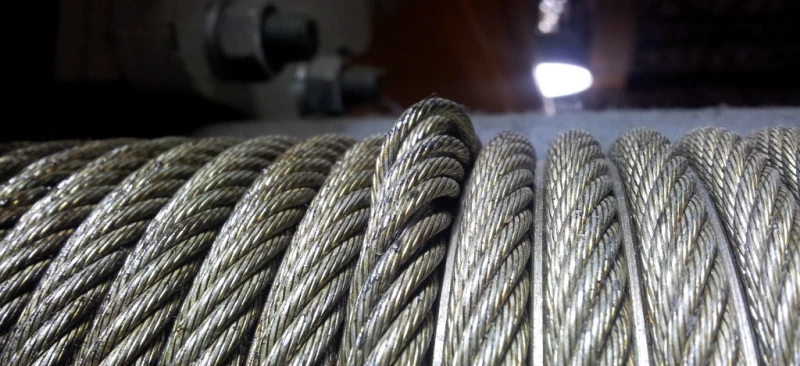
Start by securing the wire rope end to the drum anchorage point. Always follow the equipment manufacturer’s recommended method for this step. Align the anchorage point with the rope’s lay direction. This alignment prevents the wraps from spreading or crossing over, which can cause damage and reduce performance.
You must keep at least two to three dead wraps on the drum during normal operations. These dead wraps help maintain a secure attachment and prevent the rope from slipping off the drum.
Tip: Fix the wire rope ends on the reel and external points exactly as the crane manufacturer instructs. This practice ensures a safe and reliable crane wire rope installation.
Winding and Spooling Evenly
Even winding and spooling are critical for crane wire rope installation. Uneven layers can lead to kinks, crushing, and premature wear. Use these steps to achieve perfect spooling:
Attach the rope securely to the drum anchorage point.
Maintain at least two to three dead wraps on the drum.
Apply back tension while winding. This tension keeps the rope tight and prevents slack.
Use the under-wound method to match the rope’s natural lay with the drum’s rotation. This method reduces side-load and wear.
Apply consistent tension, about 2% of the rope’s breaking strength, during the first wraps. This sets the memory of the line.
Keep a steady pull, around 1,000 lb (≈ 454 kg), to avoid slack and ensure even layers.
Place each new wrap directly beside the previous one. Avoid overlaps and gaps.
Check for misalignment often and correct it immediately.
Wind the rope in a thread lay with close, even layers to prevent bunching and kinks.
Leave clearance for at least two layers of rope on the reel. Do not fill the reel to the rim.
Alert: Induce tension into the line by braking the shipping reel. This step ensures tight and even winding.
Powerful Machinery’s technical support team can help you with best practices for spooling and tensioning. Their crane wire ropes are designed for easy handling and even winding.
Routing Through Sheaves and Pulleys
You must route the wire rope through all sheaves and pulleys with care. This step reduces wear and friction, keeping your crane running smoothly. Follow these best practices:
Make sure the rope is free of kinks, twists, and birdcaging before routing.
Tension the lines properly to prevent slippage or misalignment.
Use correct reeving techniques to distribute the load evenly. This prevents side-loading of the sheave.
Lift and lower loads smoothly. Avoid sudden shocks and dynamic loads that can damage the rope.
Check the fleet angle. Keep it between 0.5° and 2.5° to minimize friction and wear on the sheave.
Note: Proper routing during crane wire rope installation prevents early wear and extends the service life of your equipment.
Special Care for Rotation-Resistant Ropes
Rotation-resistant ropes require special attention during crane rope installation. These ropes have unique characteristics and must be handled according to their group:
Rope Group | Characteristics | Special Considerations |
|---|---|---|
Group 1 | High rotation characteristics | Use a swivel to prevent rotation in certain conditions. |
Group 2 | Medium rotation characteristics | Swivel recommended for single-part reeving; avoid for multiple-part hoisting. |
Group 3 | Low rotation characteristics | Swivel can be used; inspect frequently. |
Fleet Angle | Affects rope winding on the drum | Limit to 0.5° – 2.5° to prevent piling or premature return. |
You must identify the rope group before installation. Use a swivel if recommended, especially for high or medium rotation ropes. Inspect rotation-resistant ropes often for signs of twisting or damage.
Powerful Machinery offers both rotation-resistant and non-rotating options, with technical support to help you choose and install the right product.
Tip: Consult Powerful Machinery’s experts if you have questions about rotation-resistant ropes or need help with the installation procedures.
By following these steps, you ensure a safe and effective crane wire rope installation. Each part of the installation process protects your equipment and supports reliable crane operation.
Securing and Finishing
Using Clips and Seizing
You must secure the ends of your crane wire rope to ensure safe lifting and prevent slippage. Follow these steps for proper installation:
Place wire rope clips about six rope diameters apart for strong holding power.
Tighten each clip before you apply tension to the rope. After loading, re-tighten the clips to account for any reduction in rope diameter.
Insert a wire rope thimble in the eye of the loop. This prevents kinking and extends the life of the rope.
For U-bolt clips, position the base on the live end and the “U” on the dead end of the rope.
When seizing, apply proper seizings on both sides of the cut. This prevents distortion and ensures even load distribution.
Tip: Always follow the manufacturer’s recommendations for the number and placement of clips. If you have questions, Powerful Machinery offers a full-service package with expert installation support.
Preparing Rope Ends
Preparing the rope ends correctly prevents unraveling and keeps your crane safe. Use these best practices:
Seize both sides of the rope before and after cutting. This stops strand separation and core slippage.
Apply at least two seizings on each side of the cut for extra security.
Wrap the rope tightly with wire or tape before cutting to maintain its shape.
Handle rotation-resistant ropes gently to avoid damaging the core.
Inspect seizings regularly. Replace or repair them if you see any signs of wear or loosening.
Never ignore damaged seizings. Address them immediately to prevent rigging failures.
Install all fittings and clips with correct positioning and torque for maximum safety.
You can rely on Powerful Machinery for technical support and guidance throughout the installation process. Their team helps you select the right accessories and ensures every step meets industry standards.
Testing and Final Checks
Break-In and Initial Operation
You must perform a break-in period after installing the new crane wire rope. This step helps the rope adjust and ensures safe performance. During the break-in, operate the crane at reduced speeds and loads. Use only about 10% of the working load limit for several lift cycles.
Run the blocks up to the full boom length and back down. Repeat this process to let the rope components settle into place. Always refer to the manufacturer’s guidelines for specific instructions.
Apply a low percentage of the working load limit for initial lifts.
Operate at reduced speed to avoid shock-loading.
Cycle the rope through the full range of motion several times.
Monitor the rope for any unusual movement or noise.
This careful approach reduces the risk of early wire rope replacement and helps prevent unexpected downtime. You set the foundation for long-term reliability by following these steps.
Safety Inspection
After the break-in, you need to inspect the installation for safety and performance. Use a systematic approach to catch any issues early and avoid costly downtime. Follow these checks:
Check for broken wires, especially in high-stress zones.
Inspect for corrosion or surface rust.
Examine wear at sheave and drum contact points.
Identify any birdcaging, kinks, or crushed sections.
Verify that the rope sits correctly in all sheaves and on the drum.
Confirm the lay direction is consistent.
Measure the rope diameter and compare it to the specifications.
Evaluate sheave and drum grooves for wear or misalignment.
Check end terminations for deformation or slippage.
Look for signs of heat damage.
Document all findings for future reference.
Inspection Point | Description |
|---|---|
Check for Broken Wires | Look for individual or clustered wire breaks. |
Inspect for Corrosion | Find surface rust or pitting that weakens the rope. |
Examine Wear at Contact Points | Spot flattening or polishing at sheave and drum areas. |
Identify Structural Deformation | Detect birdcaging, kinks, or crushed sections. |
Verify Rope Positioning | Ensure correct seating in sheaves and on the drum. |
Confirm Lay Direction | Check for consistent lay to avoid torque damage. |
Measure Rope Diameter | Use a caliper and compare to specifications. |
Evaluate Sheave and Drum Grooves | Inspect for wear or misalignment. |
Check End Terminations | Look for deformation, corrosion, or slippage. |
Detect Heat Damage | Find signs of overheating. |
Review and Document Findings | Keep a log for trend analysis and compliance. |
You support proper maintenance by performing these checks. Early detection of problems allows you to schedule wire rope replacement before failures occur. This practice keeps your crane running safely and reduces downtime.
When to Seek Professional Help?
You may feel confident handling basic crane wire rope installation, but some situations require expert support. If you notice unusual sounds, visible damage, or persistent crane rope issues, you should not hesitate to contact a professional.
Complex installations, unfamiliar equipment, or uncertainty about safety standards also signal the need for technical assistance.
Powerful Machinery provides a range of services to help you address challenging scenarios. Their team includes factory-trained technicians who understand the latest installation methods. You can request on-site help for wire rope removal, installation, or inspection.
Mobile service trucks allow technicians to reach your location quickly and handle urgent repairs or wire rope replacement. These experts use safe, cost-effective techniques and always follow manufacturer specifications.
Here is a summary of the technical support services available:
Service Type | Description |
|---|---|
Wire Rope Installation | Technicians install and tension the wire rope to meet the manufacturer’s requirements for crane safety. |
On-Site Assistance | Field experts manage removal, installation, and inspection at your job site. |
Installation Methods | Multiple installation methods ensure the best fit for your crane and application. |
Factory-Trained Technicians | Specialists use proven techniques for safe and efficient installation. |
Mobile Service | Service trucks provide rapid response for repairs and wire rope replacement. |
Tip: If you feel unsure about any step, reach out to Powerful Machinery’s technical team. You protect your equipment and crew by seeking help before problems escalate.
You should never ignore warning signs or delay action when safety is at stake. Professional support ensures your crane operates reliably and reduces the risk of costly downtime.
Conclusion
You play a vital role in crane safety by following each step of wire rope installation. Key actions include:
Handle ropes carefully to avoid twist loss.
Keep wraps tight and apply back tension.
Correct loose wraps and secure ends before cutting.
Use a cable snake with a swivel for line changes.
Reviewing this guide helps you select the right rope, follow break-in procedures, and perform proper maintenance. If you feel uncertain, consult a professional or reach out to Powerful Machinery for expert support. With practice and preparation, you can install crane wire ropes confidently and safely.
FAQ
How often should you inspect crane wire ropes?
You should inspect crane wire ropes before each shift and after any unusual event. Schedule a detailed inspection every one to three months, depending on usage and environment.
Tip: Keep a log of all inspections for safety compliance.
What signs show you need to replace a wire rope?
Look for these warning signs:
Broken wires
Birdcaging
Kinks or crushed sections
Rust or corrosion
If you see any of these, replace the rope immediately.
Can you reuse wire rope clips and fittings?
You should not reuse wire rope clips or fittings for critical lifting. Always use new, certified hardware to ensure maximum safety and compliance with industry standards.
What is the best way to lubricate crane wire rope?
Apply a wire rope lubricant evenly along the entire length. Use a brush, spray, or drip method. Lubricate after cleaning and before storage to prevent corrosion.
Method | Benefit |
|---|---|
Brush | Precise control |
Spray | Fast coverage |
Drip | Deep penetration |
Who can you contact for technical support?
You can contact Powerful Machinery’s technical team for expert advice, installation help, or product selection. Visit Powerful Machinery’s website for support options.