The electric hoist market will reach USD 3.47 billion by 2026.
Analysts expect a 7.30% CAGR from 2025 to 2032 as market growth accelerates.
Technological advancements and automation drive the demand for electric hoist solutions. IoT integration transforms lifting equipment into smart assets, improving precision and safety.
Strict safety regulations also have a strong impact on adoption rates. Powerful Machinery leads this market by delivering certified, innovative electric hoists trusted by global industries.
Key Takeaways
The electric hoist market is projected to reach USD 3.47 billion by 2026, driven by increasing demand for automation and safety.
Technological advancements, such as IoT integration, enhance hoist efficiency and safety, making them essential in modern industries.
Safety regulations significantly influence market growth, with over 40% of hoisting equipment expected to comply with safety standards by 2025.
Asia Pacific leads the market growth, fueled by rapid industrialization and infrastructure development, with a CAGR of 6.2% expected.
Investing in electric hoists not only improves productivity but also reduces workplace injuries, making them a smart choice for businesses.
Electric Hoist Market Overview

Definition and Applications
The electric hoist market centers on devices that lift and move heavy loads using electric power. These machines play a vital role in modern industry by making lifting tasks safer and more efficient. Companies use electric hoists to reduce manual labor and improve productivity.
The electric hoist market includes a wide range of products, from compact models for small workshops to heavy-duty systems for large construction sites.
Electric hoists serve many industries. The table below highlights key sectors and their main applications:
Industry | Application Description |
|---|---|
Construction | Lifting heavy building materials, machinery, and equipment |
Manufacturing | Moving and positioning parts and machinery during assembly |
Logistics | Handling goods in storage facilities, docks, and distribution centers |
Automotive | Managing parts and machinery in assembly lines and maintenance |
Aerospace | Lifting large components like airplane parts and engines |
This broad range of uses drives steady growth in the electric hoist market. Market research shows that demand continues to rise as industries seek safer and more reliable lifting solutions.
Industry Importance
The electric hoist market holds a crucial place in the global industry. Electric hoists help companies meet strict safety standards and reduce workplace injuries. They support compliance with regulations such as OSHA hoist safety standards.
Advanced features like limit switches and overload protection prevent accidents and protect workers.
The electric hoist market also faces competition from traditional alternatives, such as manual hoists and cranes. However, electric hoists offer greater efficiency and cost savings over time. Real-time monitoring and wireless controls further boost productivity.
As a result, competition from traditional alternatives continues, but electric hoists maintain a strong advantage.
Companies invest in electric hoists to lower operational costs and improve safety. Ongoing research and market research reveal that technological advancements keep the electric hoist market ahead of the competition. This focus on innovation ensures that electric hoists remain essential tools for modern industry.
Electric Hoist Market Size
Global Market Size Overview
The electric hoist market continues to expand as industries seek safer and more efficient lifting solutions. Analysts project the global electric hoist market will reach USD 3.47 billion by 2026. This growth reflects strong demand from sectors such as construction, manufacturing, and logistics.
Companies invest in electric hoists to improve productivity and reduce workplace injuries. The market size has increased steadily due to automation and the adoption of advanced safety features.
Powerful Machinery plays a key role in this market. The company supplies certified electric hoists that meet the needs of demanding industries. Their products help businesses handle heavy loads with precision and reliability.
By offering a wide range of lifting solutions, Powerful Machinery supports market growth and sets high standards for quality and safety.
Regional Market Size Breakdown
Market size varies across major regions. Asia Pacific leads the electric hoist market, driven by rapid industrialization and infrastructure development. North America and Europe also show significant market size, supported by strict safety regulations and advanced manufacturing practices.
The table below highlights the regional market size distribution for electric hoists:
Region | Market Size (USD Million) | Year Range |
|---|---|---|
North America | Various data available | 2018-2032 |
Europe | Various data available | 2018-2032 |
Asia-Pacific | Various data available | 2018-2032 |
Asia Pacific remains the fastest-growing region. Countries like China and India invest heavily in new infrastructure, which increases demand for electric hoists. North America benefits from strong safety standards and a focus on automation.
Europe emphasizes energy efficiency and sustainability, which shapes market trends in the region.
Market Size Trends (2024-2026)
Several market trends influence the electric hoist market size from 2024 to 2026. Intelligent and IoT-based hoists transform material handling by enabling real-time monitoring and predictive maintenance. These technologies reduce downtime by 12%.
Rising industrial automation boosts efficiency and productivity in factories and warehouses. Growing infrastructure development increases the need for reliable lifting equipment in construction and related industries.
A strong focus on safety and ergonomics reduces workplace injuries by 10% through the use of smart technologies.
Trend | Impact on Market Size |
|---|---|
Intelligent and IoT-based hoists | Transforming materials handling with real-time monitoring and predictive maintenance, reducing downtime by 12%. |
Rising industrial automation | Enhancing efficiency and productivity across sectors. |
Growing infrastructure development | Increasing demand for hoists in construction and related industries. |
Focus on safety and ergonomics | Reducing workplace injuries by 10% through smart technologies. |
The global electric hoists market will continue to benefit from these trends. Companies like Powerful Machinery respond to market trends by developing innovative products that meet evolving industry needs.
Their certified electric hoists support safer and more efficient operations in key sectors. As market size grows, businesses look for reliable partners who can deliver advanced lifting solutions.
Key Drivers and Challenges
Construction and Industrial Growth
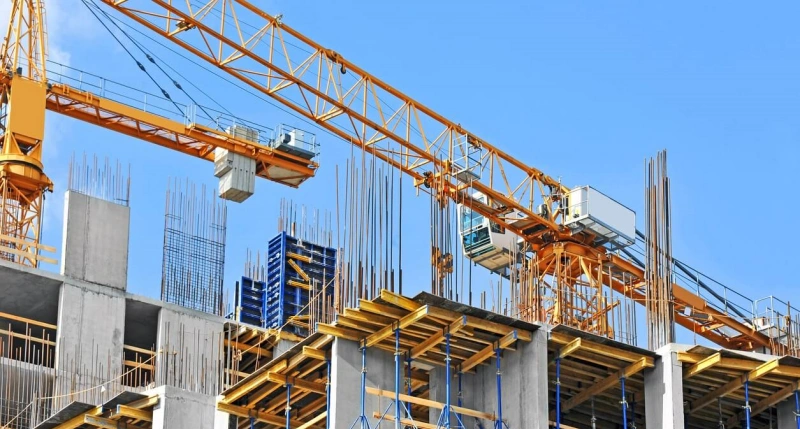
The construction industry continues to expand worldwide. Urban development and infrastructure projects increase the need for advanced lifting solutions. The electric hoist market benefits from this growth as companies seek equipment that improves safety and efficiency.
Market drivers include the demand for smart technologies and a strong focus on workplace safety. In 2025, safety-compliant hoisting equipment will represent over 40% of the market size. This trend highlights the importance of safety in both construction and industrial sectors.
Market research shows that these factors will keep driving demand for electric hoists in the coming years.
Automation and Safety Regulations
Automation and rising safety regulations shape the electric hoist market. Companies invest in intelligent, IoT-enabled hoists to improve operational efficiency and meet strict safety standards. The table below outlines the impact of these market drivers:
Aspect | Impact |
|---|---|
Operational Efficiency | AI-driven automation and predictive maintenance help reduce downtime. |
Safety Compliance | Predictive analytics make it easier to follow safety rules and regulations. |
Market Trends | Intelligent, IoT-enabled hoists are now popular in high-tech manufacturing and infrastructure. |
These advancements help companies comply with regulations and improve productivity. Automation also supports predictive maintenance, which reduces unexpected breakdowns.
Sustainability Initiatives
Sustainability has become a key driver in the electric hoist market. Companies now focus on energy-efficient hoists that lower carbon emissions. Many electric lift trucks use batteries made from up to 98% recyclable materials.
Industry leaders like Mammoet use battery-powered technology for skidding operations, showing a commitment to sustainable practices. The sector also adopts Environmental, Social, and Governance (ESG) principles. Manufacturers use innovative processes and sustainable materials to support global climate goals.
Note: Electric hoist manufacturers who adopt green technologies gain a competitive edge and meet the expectations of environmentally conscious clients.
Market Challenges
Manufacturers and suppliers face several market challenges as they respond to changing industry needs. The table below summarizes the main obstacles:
Challenge | Description |
|---|---|
Overloading and Weight Management | Overloading can cause damage and safety risks. Operators must check weights and follow safe practices. |
Maintenance and Lubrication | Insufficient lubrication can lead to overheating and failure. Regular maintenance is essential. |
Electrical Issues | Power outages and faulty controls disrupt operations. Staff training and regular checks are necessary. |
Operator Training and Safety | Inadequate training can result in accidents. Comprehensive training and safety drills are crucial. |
Environmental Factors | Conditions like dust and moisture affect performance. Proper hoist selection and monitoring are important. |
Hoist Alignment and Positioning | Misalignment can lead to dangerous operations. Regular checks help prevent these risks. |
These market drivers and challenges shape the future of the electric hoist market. Companies that address these issues through research and innovation will remain competitive.
Tech Advancements in Electric Hoists
Automation and IoT Integration
Recent technological advancements have transformed the electric hoist market. Automation and IoT integration now play a central role in modern electric hoists. AI-driven systems optimize load handling and reduce the need for manual intervention.
Smart hoists use sensors to monitor usage patterns and detect anomalies. These features help with preemptive maintenance and reduce downtime. IoT platforms connect hoists to smart factory systems, supporting Industry 4.0 standards. This shift increases operational efficiency and safety for industries worldwide.
Smart Features and Remote Control
Smart features and remote control capabilities enhance both performance and safety. Operators benefit from:
Improved safety by controlling hoists from a safe distance.
Higher efficiency through quick and accurate load positioning.
User-friendly controls suitable for all skill levels.
Flexibility for use in confined or hazardous spaces.
Remote buttons allow variable speed control, making precise load positioning easier. Wireless remotes work from over 60 feet away, keeping operators safe. Built-in intelligence alerts users to issues like overcapacity or low battery, reducing risks during operation.
Safety Innovations
Manufacturers continue to introduce safety innovations in electric hoist design. The table below highlights key advancements:
Innovation | Description |
|---|---|
Remote Control and Wireless Technology | Operators control hoists from a safe distance, reducing exposure to hazards. |
Improved Chain and Pocket Wheel Designs | Longer equipment life, less noise, and lower maintenance costs. |
Drive Technology | Extended speed range for better productivity with lighter loads. |
Programmable Limits | Optimizes lifting range and reduces cycle times. |
Slack Chain Detection | Reduces chain twisting risks during lifting. |
Anti-Sway Technology | Minimizes load swinging, important for fragile materials. |
Load Monitoring Systems | Real-time data on lifted weight prevents overloads. |
Digital Interfaces | User-friendly controls and diagnostics for easier operation. |
Energy Efficiency and Eco-Friendly Solutions
Energy efficiency and eco-friendly solutions are now essential in the electric hoist market. Companies use energy-saving models with regenerative braking to recycle energy. Operators turn off hoists when not in use to prevent unnecessary power consumption.
Regular maintenance of electrical systems minimizes energy loss. Manufacturers choose biodegradable lubricants to reduce environmental impact. End-of-life recycling plans ensure the responsible disposal of hoist components.
Powerful Machinery stands out by offering custom engineering solutions, advanced production technology, and products that exceed international safety standards. Their electric hoists reflect the latest technological advancements and hold certifications from leading global agencies.
Global Electric Hoists Market Segmentation
Market segmentation provides a clear view of the global electric hoist market, helping industry leaders identify growth opportunities and tailor solutions for diverse applications.
Powerful Machinery offers a comprehensive range of electric hoists, with customization options that address unique operational needs across multiple sectors.
By Type: Chain, Wire Rope, Pneumatic, Electric Cranes, Winches
The global electric hoists market includes several types, each designed for specific tasks and environments. Chain hoists deliver durability and compactness, making them ideal for workshops and smaller facilities. Wire rope hoists offer high load capacity and corrosion resistance, suitable for heavy-duty operations.
Pneumatic hoists excel in environments requiring explosion-proof performance and rapid lifting speeds. Electric cranes provide precision control and enhanced safety features, supporting large-scale construction and manufacturing projects.
Winches feature compact designs and high pulling power, often used in marine and material handling applications.
Hoist Type | Key Features |
|---|---|
Wire Rope Hoists | High load capacity, smooth operation, long service life, corrosion resistance |
Chain Hoists | Cost-effective, compact, durable chain construction, manual or electric control |
Pneumatic Hoists | High operational speed, explosion-proof, optimized airflow |
Electric Cranes | High load capacity, precision control, enhanced safety features |
Winches | Compact design, high pulling power, durable rope or cable systems |
The cranes segment stands out for its versatility and reliability, supporting critical lifting operations in construction and manufacturing industry settings.
By Application: Construction, Manufacturing, Logistics, Automotive, Mining, Marine, Energy, Agriculture, Oil & Gas
The electric hoist market serves a wide range of industries. Construction remains the largest consumer, driven by ongoing infrastructure projects and urbanization. Manufacturing industry facilities rely on electric hoists for assembly and material handling.
The logistics boom has increased demand for efficient lifting solutions in warehouses and distribution centers. Automotive and mining sectors use hoists for equipment maintenance and heavy load management. Marine applications require corrosion-resistant hoists for shipyards and docks.
Energy, agriculture, and oil & gas industries depend on specialized hoists for safe and reliable operations.
The electric hoist market is segmented by application across various industries.
Key sectors include construction, manufacturing, logistics, automotive, mining, marine, energy, agriculture, and oil & gas.
The construction industry is the largest end-user, driven by infrastructure development and urbanization.
Industry | Applications |
|---|---|
Automotive & Railway | Commercial Recovery, Cranes |
Aerospace & Defense | Workboats, Utility |
Transportation & Logistics | Military recovery, Stage maker |
Construction | Essential for lifting materials |
Shipping & Marine | Shipyards, docks |
Material Handling | Warehouses, distribution centers |
Agriculture & Forestry | Equipment handling |
Mining | Heavy load management |
Oil & Gas | Safe operations |
Others | Entertainment, Waste Management |
Powerful Machinery supports these industries with certified electric hoists and custom-engineered solutions, ensuring optimal performance in every application.
By Control: Remote, Wired, Manual
Control methods play a vital role in operational safety and efficiency. Remote-controlled hoists have become the preferred choice, offering ranges up to 300 feet and allowing operators to maintain a safe distance from hazards. Wired controls provide reliable operation in environments with potential signal interference.
Manual controls remain relevant for smaller tasks and settings where simplicity is essential. Industry reports show that over 70% of operators favor wireless remotes for their flexibility and safety benefits, especially on large construction sites.
Technological advancements continue to drive the shift toward remote control systems, enhancing user experience and operational safety.
By Capacity: Up to 1 Ton, 1-5 Tons, 5-10 Tons, 10-20 Tons, Above 20 Tons
Capacity segmentation reflects the diverse needs of the global electric hoist market. Hoists with capacities from 1 to 5 tons are crucial for daily operations in maintenance workshops and logistics centers. The 5-ton capacity serves as a robust solution for industrial processes, such as machinery positioning.
The 10-ton hoist bridges standard models and custom solutions, meeting strict operational requirements in sectors like manufacturing and mining. Hoists in the 15/16 to 20-ton range feature high customization and reliability, supporting critical applications in power generation and large infrastructure projects.
1 to 5-Ton Hoists: Essential for daily operations, widely used in maintenance and logistics.
5-Ton Capacity: Robust solution for industrial processes and machinery positioning.
10-Ton Hoist: Bridges standard and custom solutions, vital for strict operational requirements.
15/16 to 20-Ton Hoists: Highly customized, used in critical applications like power generation and infrastructure.
Powerful Machinery offers electric hoists with adjustable weight capacity, ensuring that clients receive products tailored to their specific load requirements.
By Lifting Height: Up to 10m, 10-20m, 20-30m, Above 30m
Lifting height segmentation addresses the vertical reach needed for different projects. Hoists with up to 10 meters of lifting height suit small-scale operations and workshops. Models with a 10-20 meter range support mid-sized construction and manufacturing tasks.
Hoists offering 20-30 meters of lifting height are ideal for large warehouses and infrastructure projects. Above 30 meters, specialized hoists handle unique challenges in high-rise construction and industrial facilities.
Powerful Machinery provides adjustable lifting height options, meeting unique overhead lifting requirements for every project.
By Channel: Direct, Indirect
Sales channel segmentation divides the electric hoist market into direct and indirect channels. Direct sales connect manufacturers like Powerful Machinery with end-users, ensuring personalized service and custom solutions.
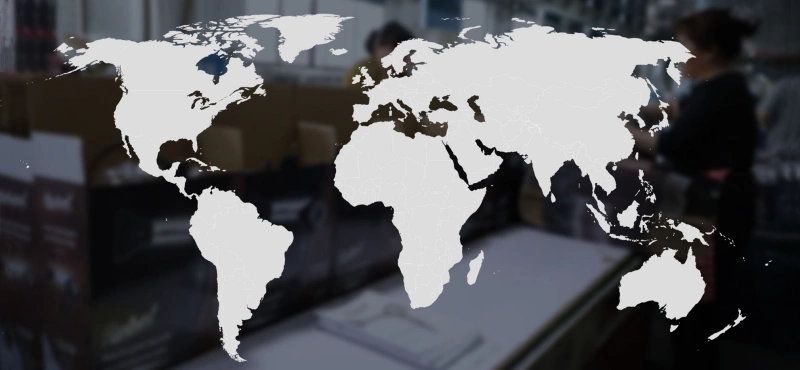
Indirect channels involve distributors and dealers, expanding market reach across regions such as the USA, Canada, Japan, China, Europe, Asia-Pacific, Latin America, the Middle East, and Africa.
This approach allows clients to access electric hoists through preferred local partners, supporting global distribution and after-sales service.
Powerful Machinery delivers extensive customization options for electric hoists, including adjustable lifting height, platform size, weight capacity, mobility enhancements, and advanced safety features. These tailored solutions help clients optimize performance and safety in every application.
Customization Option | Description |
|---|---|
Lifting Height | Adjustable to fit unique overhead lifting requirements. |
Platform Size | Can be customized to meet specific needs. |
Weight Capacity | Options available to accommodate different loads. |
Mobility Options | Add wheels or tracks for enhanced maneuverability. |
Safety Features | Includes guardrails, emergency stop buttons, and sensors for protection. |
Market segmentation enables industry leaders to match electric hoist solutions with operational demands. Powerful Machinery’s product range and customization capabilities position the company as a trusted partner in the global electric hoist market.
Regional Trends
Asia Pacific Growth
The Asia Pacific electric hoist market is expanding rapidly, with a projected CAGR of 6.2% from USD 350 million in 2024 to USD 566.32 million by 2033.
Regional market valuation stands at approximately USD 1.2 billion, with annual growth rates exceeding 7%.
Industrial hubs such as China, India, and Southeast Asia drive demand, with over 150,000 units sold each year.
Rapid industrial expansion and urbanization fuel market growth.
Technological advancements in automation, IoT, AI, and machine learning transform hoist systems into intelligent solutions.
Governments and private enterprises prioritize automation to enhance efficiency and safety.
Innovations enable real-time monitoring and data-driven decision-making.
North America Market
The electric hoist market in North America shows robust growth. Automation and innovation lead the way, especially in manufacturing, construction, and logistics. Strict safety regulations and advanced technology, including smart features and IoT integration, shape the market.
Modern electric hoists offer real-time monitoring and predictive maintenance. These features improve productivity and reduce downtime. Companies in North America invest in electric hoists to meet high safety standards and boost operational efficiency.
Europe Trends
Europe experiences steady growth in the electric hoist market. Industrial automation, infrastructure investments, and strict safety regulations drive demand. Sectors such as manufacturing, construction, and logistics seek efficient and durable lifting solutions.
Technological advancements focus on energy efficiency and ease of maintenance. High initial costs and competition from alternative lifting solutions present challenges. However, the region continues to adopt advanced hoist technologies to support evolving industry needs.
Emerging Markets
Emerging markets contribute significantly to the global electric hoist market. Rising industrialization and infrastructure development increase demand for advanced material handling solutions. The market reached a valuation of approximately USD 1.5 billion in 2022 and is expected to grow at a CAGR of 5.8% from 2023 to 2031.
Companies focus on workplace safety and reducing labor-intensive processes. These trends support the adoption of electric hoists in new and developing regions.
Competition in the Electric Hoist Market
Leading Companies
The global electric hoist market features strong competition among several leading companies. These organizations set industry standards through advanced technology and reliable service. Major players include:
Konecranes from Finland is recognized for advanced lifting technologies and service solutions.
Liebherr, based in Switzerland, is known for high-performance cranes that deliver precision and durability.
Tadano Ltd. from Japan, specializing in mobile and rough terrain cranes.
The Manitowoc Company, Inc., in the United States, is famous for tower and crawler cranes used in large infrastructure projects.
Zoomlion Heavy Industry Science & Technology Co., Ltd. from China, offering a broad portfolio of cranes with competitive pricing and advanced technology.
Powerful Machinery stands out in this competitive landscape. The company supplies certified electric hoists and lifting solutions to clients worldwide. Its products meet strict international standards, including ISO9001, TUV Rheinland, and OSHA certifications.
R&D and Innovation
Research and development drive progress in the electric hoist market. Companies invest in new technologies to improve safety, efficiency, and performance. Market research shows that smart features, IoT integration, and energy-saving systems have become essential.
Powerful Machinery leads with innovative electric hoists that include overload protection, remote controls, and variable speed options. These advancements help customers handle heavy loads safely and efficiently. The competitive landscape rewards companies that focus on continuous improvement and product innovation.
Customer Solutions and Dealer Networks
Customer solutions and dealer networks shape the competitive landscape. Leading companies offer custom-engineered cranes and electric hoists to meet unique project needs. They provide strong after-sales support and training programs.
Powerful Machinery maintains a global presence with a network of trusted dealers and partners. This approach ensures fast delivery, local support, and expert service. Clients benefit from tailored solutions, whether they need standard cranes or specialized electric hoists for demanding environments.
Note: The competitive landscape in the electric hoist market continues to evolve as companies expand their dealer networks and invest in customer-focused solutions.
Industry News and Developments
Product Launches
Manufacturers continue to introduce new electric hoist models with advanced features. Recent launches focus on smart controls, energy efficiency, and enhanced safety. Companies have released hoists with IoT-enabled monitoring, which allows operators to track performance in real time.
Some brands now offer compact designs for tight spaces. Others provide heavy-duty models for large construction projects. Powerful Machinery has expanded its product line to include electric hoists with variable speed control and remote operation. These innovations help businesses improve productivity and safety.
Mergers and Partnerships
The electric hoist market has seen several strategic mergers and partnerships. Leading companies join forces to expand their product portfolios and reach new regions. For example, global manufacturers have partnered with technology firms to develop smart lifting solutions.
Some companies have merged to strengthen their supply chains and improve customer service. These collaborations drive innovation and help meet the growing demand for advanced hoisting equipment.
Regulatory Changes
Regulatory agencies update safety standards to protect workers and ensure reliable operations. New rules require manufacturers to include features like overload protection and emergency stop functions. Many countries now enforce stricter guidelines for equipment certification and operator training.
These changes impact the global electric hoist market by raising the bar for quality and safety. Companies that comply with these regulations gain a competitive advantage.
Post-Pandemic Recovery
The electric hoist market continues to recover from the effects of the COVID-19 pandemic. Supply chains have stabilized, and construction projects have resumed. Companies invest in automation and smart technologies to address labor shortages and improve efficiency.
Demand for electric hoists has increased as industries focus on workplace safety and productivity. The market outlook remains positive, with steady growth expected in the coming years.
Note: Industry news and developments shape the future of the electric hoist market. Businesses that adapt to new trends and regulations will stay competitive.
Conclusion
The electric hoist market shows strong growth as industries adopt automation, IoT, and advanced safety features. Powerful Machinery leads with certified lifting solutions and a focus on innovation. Businesses can stay competitive by investing in smart hoists, training staff, and following safety standards.
The market will continue to evolve, offering new opportunities for those who embrace technology and prioritize safety through 2026.
FAQ
What is the typical lifting capacity of an electric hoist?
Electric hoists usually offer lifting capacities from 0.5 tons to 20 tons. Powerful Machinery provides models with adjustable capacities to meet specific project requirements.
Which industries benefit most from electric hoists?
Industries such as construction, manufacturing, logistics, marine, and automotive rely on electric hoists for safe and efficient material handling. These sectors demand certified lifting solutions for daily operations.
What safety features do modern electric hoists include?
Modern electric hoists feature overload protection, emergency stop functions, and compliance with international safety standards. These features help operators prevent accidents and ensure reliable performance.
Can electric hoists be customized for unique applications?
Powerful Machinery offers customization options, including adjustable lifting height, platform size, weight capacity, and advanced safety features. Clients receive tailored solutions for their operational needs.
How does IoT integration improve electric hoist operations?
Benefit | Description |
|---|---|
Real-time Monitoring | Operators track performance instantly |
Predictive Maintenance | Reduces downtime and maintenance costs |
IoT integration enables smarter, safer, and more efficient lifting operations.