
Hoisting Equipment
Hoisting equipment helps you lift and move heavy loads in factories, warehouses, and job sites. At Powerful Machinery, we build strong hoists, winches, jacks, and lifting tools that work hard and last long. Need reliable hoisting equipment? Get a quote from Powerful Machinery today.

We manufacture hoisting equipment with high-strength materials and strict testing. Every unit delivers safe lifting performance and dependable reliability in demanding work.
Our modern factory and skilled team produce hoisting equipment at scale. We keep stable quality, manage large orders, and deliver on reliable production timelines.
You get chain hoists, electric hoists, winches, jacks, trolleys, and lifting tools in one place. Our hoisting equipment range supports many industrial lifting tasks.
Our engineers guide product selection and provide fast support. You receive clear technical help, spare parts support, and dependable service after delivery.
Powerful Machinery - Your Relaible Hoisting Equipment Manufacturer
We supply work provide dependable hoist equipmentv for industry leaders.



HOIST LIFTING EQUIPMENT
Our hoisting equipments support lifting and rigging operations across diverse applications. Our selection includes:
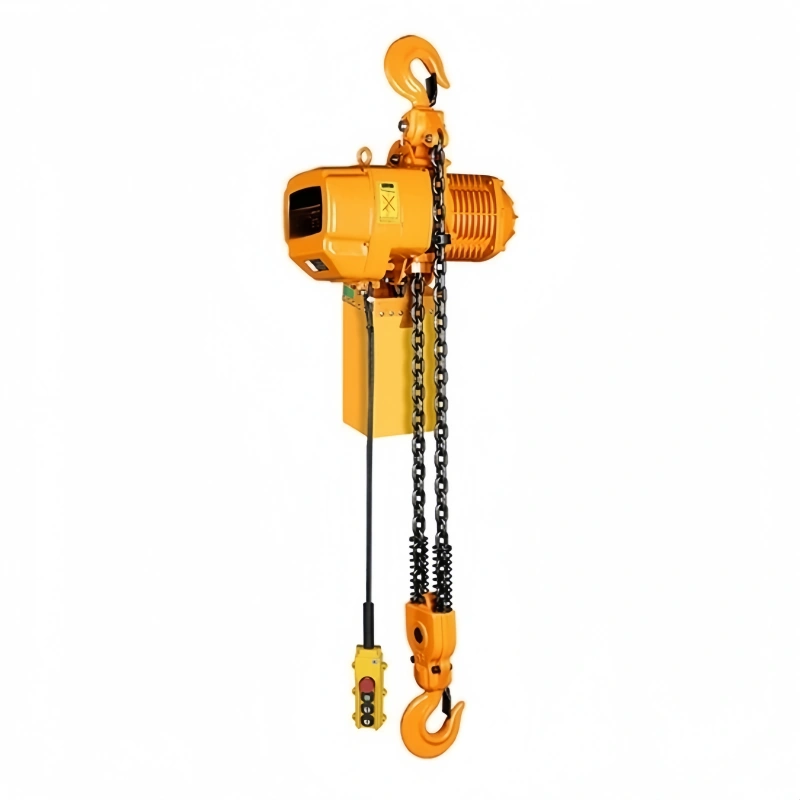
Electric chain hoists are hoisting equipment that lift loads with a strong chain and electric motor. They work well for frequent lifting and light to medium loads in factories, warehouses, and workshops.
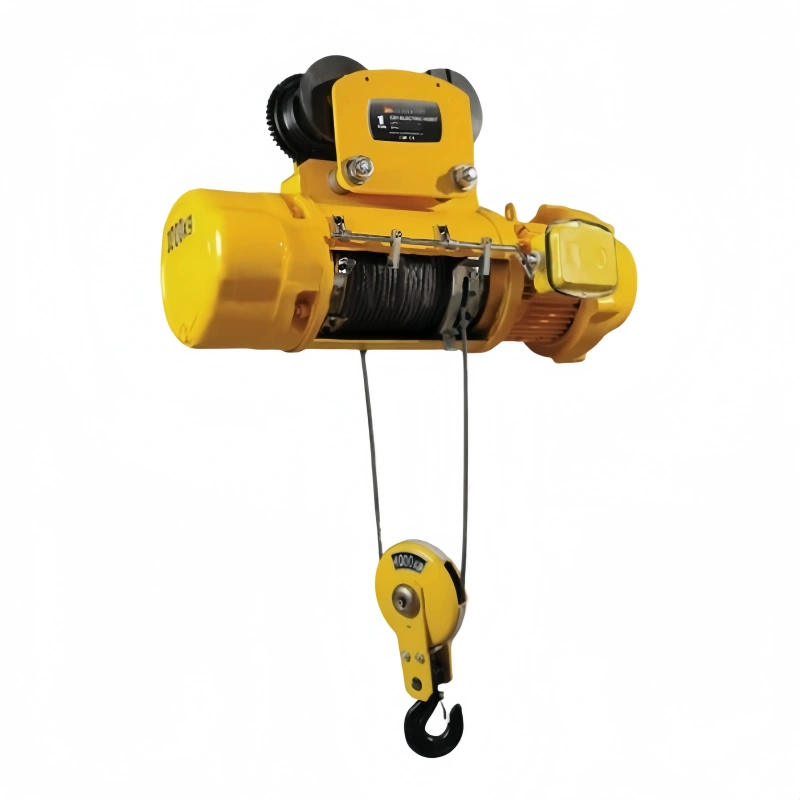
Wire rope hoists are hoisting equipment that lift heavy loads with a steel wire rope and drum system. They handle higher speeds and large capacities, making them ideal for heavy industrial lifting.
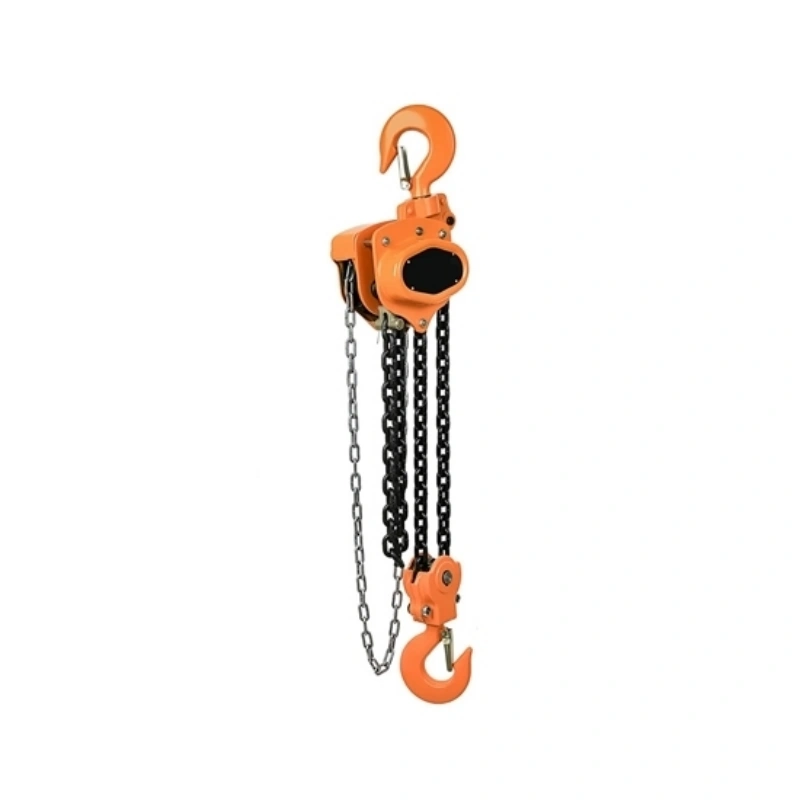
Manual hoists are hoisting equipment that lift loads with a hand chain or lever mechanism. They work well for rigging, maintenance, and lifting tasks in tight spaces or areas without power.
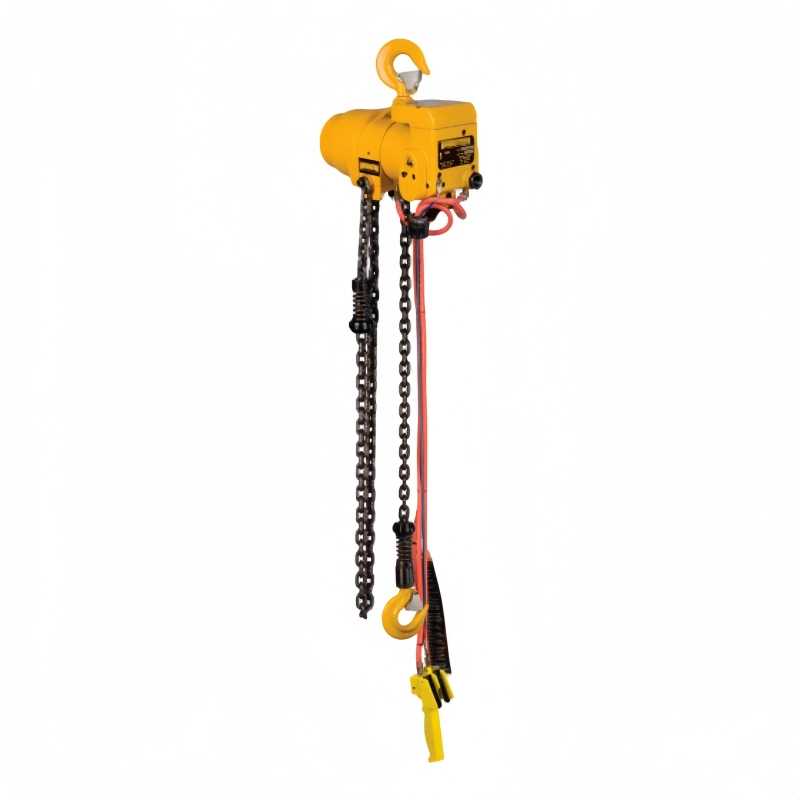
Air Hoists
Air hoists are hoisting equipment powered by compressed air. They support fast, continuous lifting and perform safely in hazardous or explosive environments like oil, gas, and heavy industry.
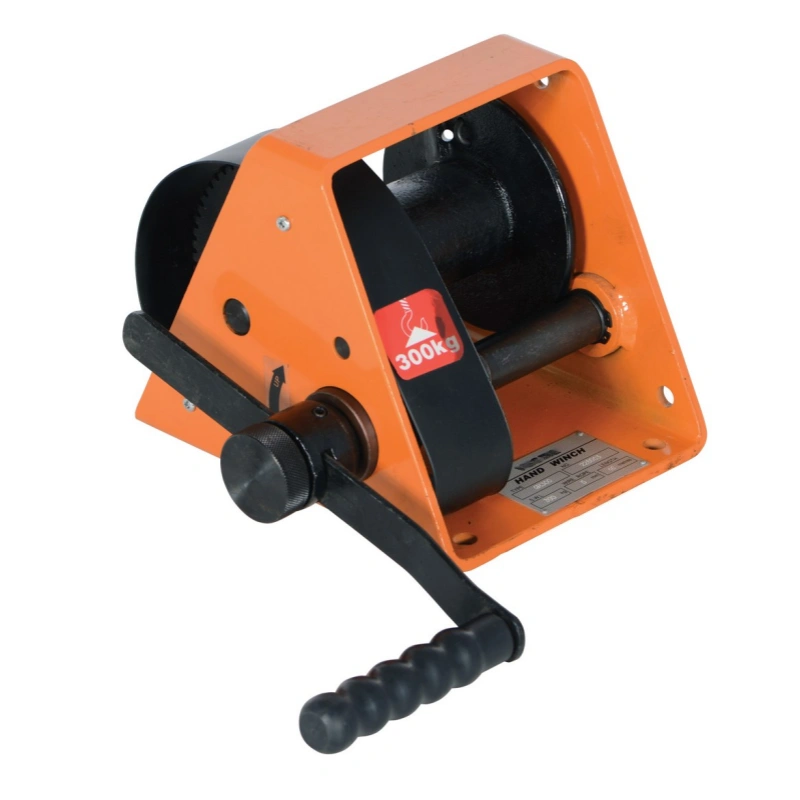
Winches
Winches are hoisting equipment that lift or pull loads with a wire rope or cable wound on a drum. They work well for pulling, lifting, and positioning loads in construction, marine, and industrial jobs.
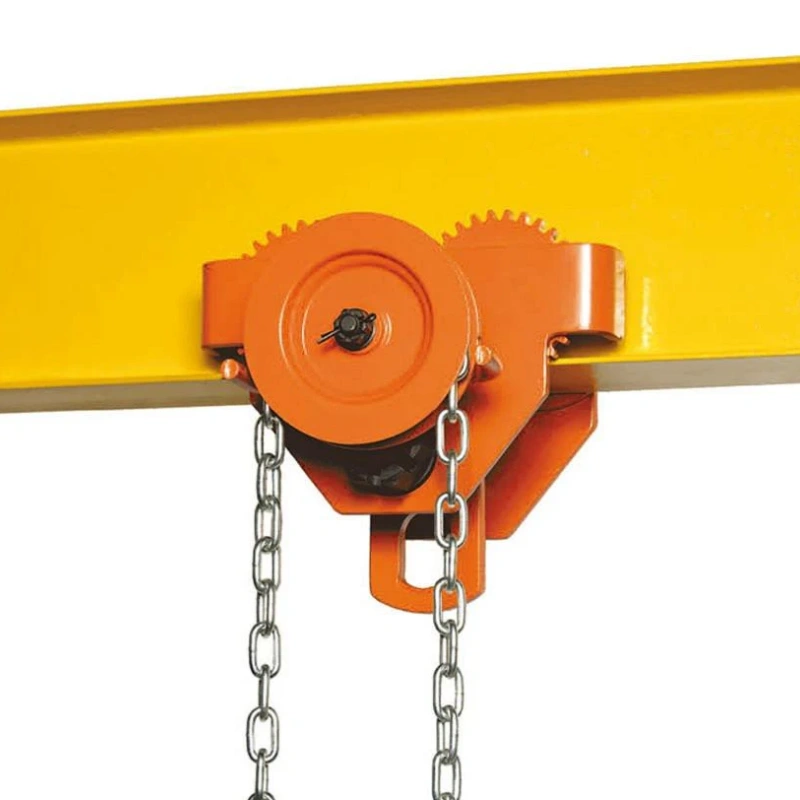
Trolleys are hoisting equipment that carry hoists along a crane beam or track. They let the hoist move horizontally and help position loads easily during lifting and material handling work.
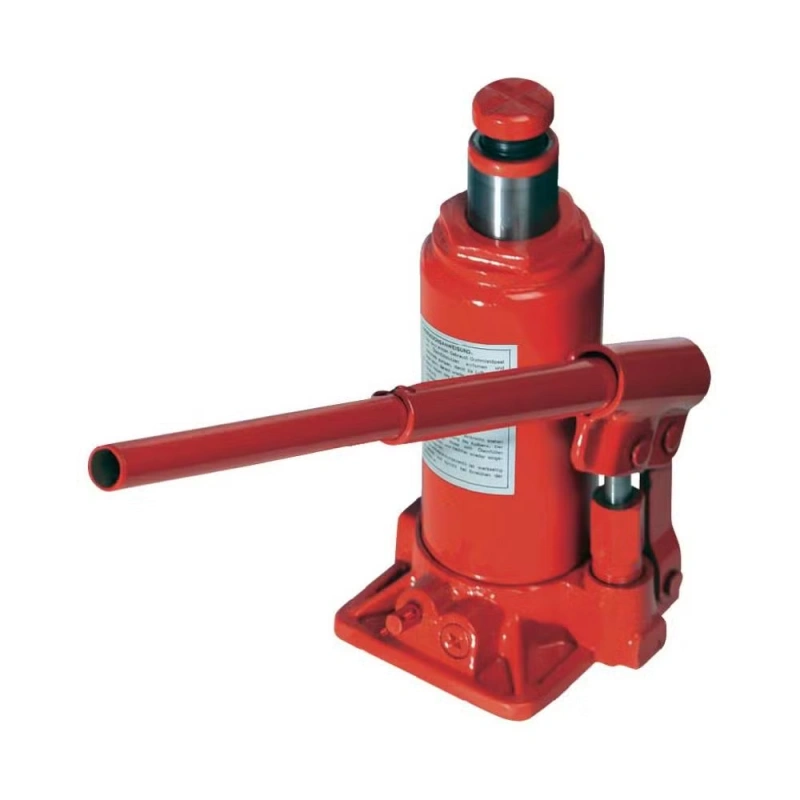
Hydraulic jacks are hoisting equipment that lift loads with hydraulic fluid pressure. They deliver strong vertical lifting for equipment maintenance, repair work, and compact industrial lifting jobs.
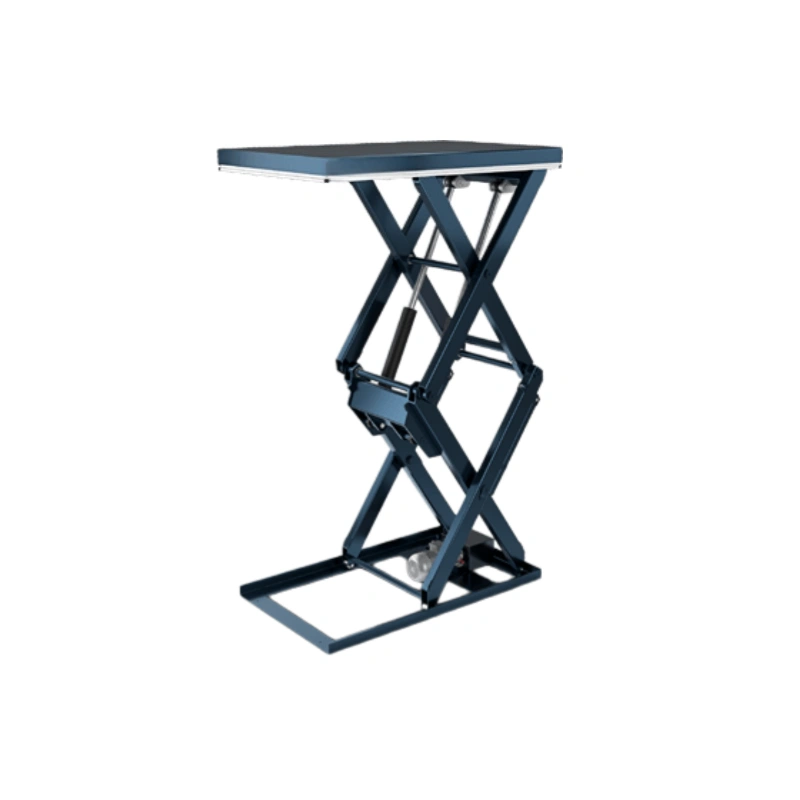
Lifting tables are hoisting equipment that raise or lower loads with a scissor lift mechanism. They allow safe lifting and accurate positioning of heavy materials in warehouses, factories, and workshops.
NEED HELP WITH YOUR LIFTING AND HOISTING EQUIPMENT ORDER?
Let us help! Reach out today and get recommendations on materials and sizing from our experts.


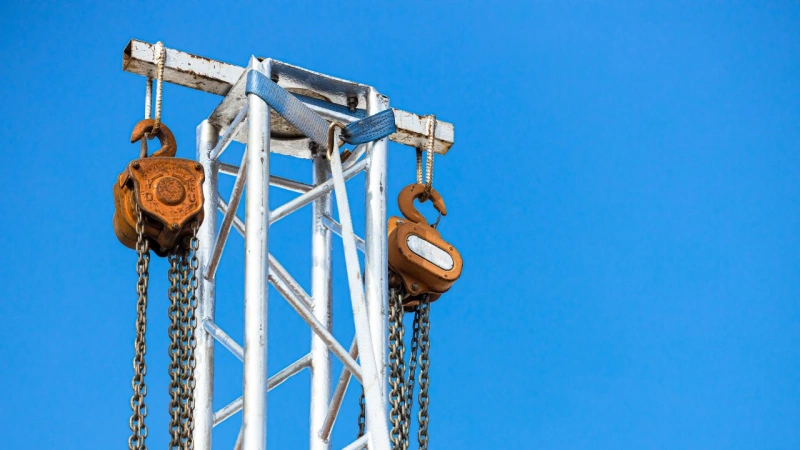
Guide to Hoisting Equipment
Our guide to hoisting equipments helps you understand hoisting equipment types, applications, and selection tips so you can choose safe, reliable rigging connections.
What is Hoisting Equipment?
Hoisting equipment refers to machines and tools that lift, lower, or position heavy loads during industrial work. You rely on hoisting equipment when you need safe and controlled lifting in factories, construction sites, warehouses, and maintenance operations. A typical system includes a lifting device such as a chain hoist, wire rope hoist, winch, or hydraulic jack.
As a manufacturer, we design hoisting equipment to handle demanding loads while giving you precise control during lifting operations. You use these systems to move steel structures, machinery, containers, pipes, or production components.
Key characteristics you should expect from reliable hoisting equipment include:
High load capacity that supports heavy industrial lifting tasks
Stable lifting mechanisms that maintain control during operation
Durable components designed for long service life
Safety features that protect workers and equipment
Compatibility with cranes, beams, and lifting frames
Types of Hoisting Equipment
You can select from several types of hoisting equipment depending on lifting capacity, work environment, and operating method. Each type serves different industries and applications.
Common hoisting equipment types include:
Electric chain hoists – You use them for frequent lifting tasks in factories and production lines where speed and efficiency matter.
Wire rope hoists – You rely on these systems for heavy-duty lifting with higher speeds and larger load capacities.
Manual hoists – You operate these with a hand chain or lever when power sources remain unavailable or when you handle lighter loads.
Air hoists – You install them in oil, gas, and hazardous environments where compressed air powers the lifting system.
Winches – You pull or lift loads with a drum and cable system in construction, marine, and logistics work.
Hydraulic jacks – You lift equipment vertically during repair, installation, or maintenance tasks.
When Hoisting Tools and Equipment Always Remember To?
You must follow strict lifting practices every time you operate hoisting tools and equipment. Safe lifting depends on proper preparation, equipment condition, and operator awareness.
You should always remember these critical practices:
Verify load weight before lifting so the hoist capacity always exceeds the load requirement.
Inspect hooks, chains, and wire ropes for wear, deformation, or corrosion before operation.
Keep the load balanced and centered under the lifting point to avoid swinging.
Maintain clear communication between crane operators and ground personnel during lifting.
Use proper rigging hardware such as slings, shackles, and hooks rated for the load.
Keep personnel away from suspended loads during lifting operations.
Hoisting Equipment in Construction
Construction companies rely on hoisting equipment to lift structural materials, heavy tools, and large building components. You move steel beams, concrete panels, HVAC systems, and mechanical equipment during different stages of construction.
Hoisting equipment improves efficiency and job site safety by reducing manual handling. You lift heavy components directly to elevated working areas where installation takes place.
Construction lifting systems often include:
Electric hoists mounted on overhead beams for structural lifting
Winches used for pulling and positioning loads
Manual hoists for rigging tasks in tight areas
Hydraulic jacks for structural alignment and installation
Crane Inspections and Inspections of Hoisting and Lifting Equipment
Crane inspections and hoisting equipment inspections protect workers, equipment, and lifting operations in demanding industrial environments. Lifting systems handle heavy loads every day, so regular inspection helps identify wear, deformation, or mechanical problems before serious failures occur.
Key areas that require inspection include:
Chain or wire rope wear that reduces lifting strength
Hook deformation or cracks that affect load stability
Brake systems and lifting controls that manage load movement
Motor and gearbox condition in powered hoists
Safety latches and limit switches that prevent unsafe lifting
Function of Hoisting Equipment
The main function of hoisting equipment involves lifting, lowering, and positioning heavy loads with control and stability. Industrial operations rely on hoisting systems when large machinery, structural materials, or production components require safe handling.
Hoisting equipment supports several important tasks:
Safe lifting of heavy materials without excessive manual handling
Accurate positioning of equipment during installation or assembly
Improved workflow efficiency in factories, warehouses, and construction sites
Reduced injury risk during heavy material handling
Parts of Hoisting Equipment
Hoisting equipment includes several key components that work together to lift and control heavy loads. Each component contributes to lifting strength, operational control, and overall safety during industrial lifting tasks.
Main hoisting equipment components include:
Lifting mechanism such as chain, wire rope, or cable
Hook assembly that connects the load to the hoist
Gear system that transfers mechanical force for lifting
Drive system powered by electric motor, air motor, or manual operation
Brake system that controls lifting and lowering movement
Structural frame and housing that support the internal mechanism
How Do You Choose the Right Hoisting Equipment for Your Project?
Selecting the right hoisting equipment requires careful evaluation of lifting requirements, working conditions, and operational demands. Proper equipment selection improves lifting safety and ensures efficient material handling.
Important factors to consider include:
Load weight and required lifting capacity
Required lifting height and operating speed
Indoor or outdoor working environment
Available power sources such as electric or pneumatic systems
Frequency and intensity of lifting operations
Have More Questions of Hoisting Equipments?
Got questions about hoisting equipment? Discover how lifting systems work, how to choose the right tools, and tips for safe operations. Find expert answers and insights to help you select reliable hoisting solutions for your industrial and construction needs.