The most effective way to mark your anchor chain for easy depth reading is to use color-coded, durable markers at regular intervals, starting just above the anchor. Anchor chain marking gives you immediate feedback on how much chain you have deployed, which increases safety and boosts confidence during anchoring.
You improve operational efficiency by instantly tracking chain length and reducing guesswork. Maritime safety organizations recommend several methods for marking your anchor chain:
Marking Method | Description | Benefits |
|---|---|---|
Color Coding | Three colors, each representing a different length | Accurate chain length tracking |
Painting/Dyeing | Paint or dye chain links to mark sections | Enhanced visibility and identification |
Wire Wrapping | Metal wire or steel rings around chain links | Clear indication of specific lengths |
Webbing Tabs | Colored or numbered webbing tabs at intervals | Visual reference for distance |
When you mark your anchor chain, you create a reliable system for safe and effective anchoring.
Key Takeaways
Mark your anchor chain using color-coded markers to quickly identify how much chain is deployed. This enhances safety and reduces guesswork during anchoring.
Use durable materials like webbing tabs or colored zip ties for marking. These options provide clear visibility and withstand harsh marine conditions.
Maintain a consistent marking interval, such as every 25 or 50 feet, to simplify tracking the length of the anchor chain deployed.
Regularly inspect and maintain your markings to ensure they remain visible. Replace faded or damaged markers to keep your anchoring system reliable.
Understand the importance of scope ratios for anchoring. Aim for a minimum scope of 5:1 to ensure your anchor holds securely in various conditions.
Anchor Chain Marking Basics
Why Mark Your Anchor Chain?

You need to know exactly how much anchor chain you have deployed when anchoring your vessel. Marking an anchor chain gives you immediate feedback and helps you avoid guesswork.
Marine industry experts recommend using a marking system that relies on color codes and regular intervals. You can see the fundamental principles in the table below:
Principle/Method | Description |
|---|---|
Scope Importance | Successful anchoring depends on the ratio of anchor rode to water depth, with a recommended scope of 5-to-1. |
Marking Method | A typical marking system uses three colors, with each color representing different lengths of rode. |
Interval Preference | Boaters can adapt marking intervals to their needs, with common preferences being 25, 30, or 50 feet. |
Knowing the scope of your anchor chain is essential for the safety of your vessel. Marking the anchor chain helps you understand the scope of the anchor rode, which is the ratio of anchor rode to water depth.
You should deploy 5 feet of anchor rode for every foot of water depth. If you do not use enough scope, your anchor may drag and fail to set properly.
Benefits of Marking Anchor Chain
You gain several advantages when you use anchor chain marking on your vessel. The most common reasons cited by boat owners and professionals include:
Knowing the scope of the anchor chain is essential for the safety of the vessel.
A marking system is implemented to provide immediate visibility of how much anchor chain has been deployed.
Spacing chain markers at regular intervals allows you to measure chain length quickly.
Marking the anchor chain allows you to identify the length of the anchor rode paid out with ease. You maintain balance and manage forces during anchoring operations.
The scope of the anchor rode influences drift and the forces experienced by the chain, so accurate measurement is vital for safe anchoring. You improve operational efficiency and reduce risk by using a clear marking system.
Anchor Chain Marking Standards
Recommended Marking Intervals
You need a clear system to measure how much anchor chain you have deployed. Most boaters use regular intervals to mark their chains. Common practice is to mark every 25 feet, 30 feet, or 50 feet. These intervals make it easy to count the length of the anchor chain as it leaves the locker.
For example, if you see three markers and each represents 50 feet, you know you have 150 feet out. This method works well for both small boats and large vessels.
Tip: Choose an interval that matches your typical anchoring depth and the total length of anchor chain on your vessel. For longer chains, larger intervals like 50 feet help reduce clutter and confusion.
Powerful Machinery’s anchor chains, including studless anchor chains, support all standard marking intervals. Their smooth finish and consistent link size make it easy to apply markers or paint at precise points.
Anchor Chain Color Code

Color coding is the most popular way to markan anchor chain. You use different colors to show how much chain you have deployed. While there is no universal standard for leisure boats, most boaters follow similar color patterns. This helps you and your crew recognize the markers quickly, even in low light or rough conditions.
Here is a widely adopted color code system:
Segment | Color | Meaning |
|---|---|---|
1 | Green | End of the first segment |
2 | White | Second segment |
3 | Blue | Third segment |
4 | Yellow | Warning that you are nearing the end |
5 | Red | Stop dropping the chain, risk of ripping the shackle |
You may also see a simple pattern using red, white, and blue at 50-foot intervals:
Red: 50 feet
White: 100 feet
Blue: 150 feet
Second Red: 200 feet
Second White: 250 feet
Second Blue: 300 feet
This color coding system gives you a fast visual reference. You avoid guesswork and improve safety during anchoring. Powerful Machinery’s anchor chains accept paint, webbing, or commercial markers, so you can use any color code that fits your needs.
Note: Anchor chain marking is not just for large ships. Even on smaller boats, a clear color code helps you manage the length of anchor chain and anchor with confidence.
Choosing Marking Methods for Anchor Chain
Physical Markers and Materials
You have several options when selecting physical markers for your anchor chain. Many boaters prefer webbing tabs, zip ties, or colored plastic markers. These methods to mark chains offer clear visibility and easy installation.
Webbing tabs sewn onto the chain provide durability and resist wear in harsh marine environments. Colored cable ties present a cost-effective solution and allow you to customize the color code for each interval.
You can also use colored polypropylene rope woven through the links, which passes smoothly through windlasses and does not interfere with chain operation.
Feature | Description |
|---|---|
Durable Construction | Built to withstand harsh marine environments, ensuring long-lasting performance. |
Durable Materials | Made from high-quality, marine-grade materials resistant to corrosion, UV damage, and wear. |
High Visibility | Brightly colored markers with clear and bold markings for easy visibility, even in low light conditions. |
Secure Attachment | Designed for reliable attachment to prevent slippage or loss. |
Versatile Application | Suitable for various vessels and anchoring situations. |
Studless anchor chain from Powerful Machinery supports all these physical markers. Its smooth finish and consistent link size make attachment simple and secure.
Paint and Commercial Markers

Paint remains a popular choice for marking anchor chain. You can apply color-coded markers at regular intervals, using different colors for each depth. Spray paint offers high visibility, but it may wear off over time due to abrasion and saltwater exposure.
Commercial markers, such as plastic clips or snap-on tags, provide a more permanent solution. These markers fit various chain sizes and withstand marine conditions. You should select products designed for windlass compatibility to avoid jamming or damage.
Durability and Environmental Tips
Durability matters when choosing marking methods. You want markers that last through repeated use and exposure to saltwater. Select marine-grade materials that resist corrosion and UV damage.
Avoid products that degrade quickly or pollute the water. Stainless steel anchor chains offer exceptional durability and support eco-friendly practices. Galvanized chains may release zinc into seawater, which can harm marine life.
The potential hazard to maritime life, created by the use and impact of zinc, represents an essential factor that cannot be ignored any longer. Zinc concentrations in seawater have reached an alarmingly high level, which poses a serious threat to aquatic life as zinc produces acute toxicity.
Given the fact that in the course of corrosion processes, which are prevalent in and typical for galvanized anchor chains, substantial amounts of zinc are released into seawater at times, this destructive development is even further supported.
Stainless steel anchor chains, however, actively contribute to protecting marine life by uniting the aspects of exceptional durability with the philosophy of consistent environment-friendliness and sustainability.
Choose color-coded markers and materials that balance visibility, durability, and environmental responsibility. Powerful Machinery’s anchor chain products support all recommended marking methods and help you maintain reliable, sustainable anchoring practices.
Step-by-Step Anchor Chain Marking
Tools and Preparation
You need the right tools before you begin anchor chain marking. Gather your anchor chain, measuring tape, colored markers or paint, zip ties, and a reference chart.
Choose marine-grade materials for durability. Polyester line, colored zip ties, and commercial chain markers work well in harsh marine environments. Prepare a clean workspace where you can lay out the chain without obstruction.
Tip: Use gloves and safety glasses when handling the anchor chain. This protects your hands from sharp edges and prevents injury during the marking process.
Measuring and Laying Out the Chain
Lay your anchor chain flat on a solid surface. Stretch it out fully to avoid tangles and ensure accurate measurement. Use a measuring tape to mark intervals based on your preferred system, such as every 25 feet or 10 meters.
Mark each interval with a temporary tag or chalk. This step helps you visualize where each marker will go and ensures consistency.
Measure from the anchor end upward.
Mark each interval clearly.
Double-check measurements for accuracy.
Applying Markers and Color Codes
Select your marking method. You can use paint, colored zip ties, webbing tabs, or commercial markers. Apply each marker at the measured intervals. For long-term visibility, use a rainbow color scheme, marking each section with a distinct color every 10 meters.
Polyester line colored for marking intervals remains visible and durable over time. Cut zip ties short so they do not catch on the winch. Replace rubber chain markers regularly, as they may harden and fall out.
Paint each section with a different color for easy identification.
Attach colored zip ties or webbing tabs securely.
Use commercial markers designed for marine use.
Note: Mark your anchor chain with colors that stand out in low light and underwater conditions. This improves safety and makes it easier to track chain length during anchoring.
Setting Start and End Markers
Begin by marking the first link and the connecting link. Wrap metal wire or a white steel ring on the first chain link. Paint the first link white and the connecting link red. Repeat this method for each interval up to the sixth section.
For the last sections, use red or yellow paint as a warning that you are nearing the end of the chain. This system helps you avoid deploying too much chain and risking loss of the anchor.
Start marker: White paint and wire on the first link.
Interval markers: Distinct colors or tags at each measured section.
End marker: Red or yellow paint as a warning.
Creating a Reference Table
Create a reference table to help you and your crew identify each marker quickly. Include the color, interval, and meaning for each section. Place the table near the windlass or in your logbook for easy access.
Step | Description |
|---|---|
1 | Wrap metal wire or a white steel ring on the first chain link and the connecting link. |
2 | Paint the first link white and the connecting link red. |
3 | Wrap wire around the second stud link and paint all stud links white and connecting links red. |
4 | Repeat the marking method for subsequent sections up to the sixth. |
5 | Use red or yellow paint for the last sections as a warning. |
Tip: Update your reference table if you change your marking system or replace markers. Consistency ensures everyone on board understands the anchor chain marking system.
You now have a clear, reliable system to mark the chain, track anchor rode, and anchor with confidence. This process supports safe and efficient anchoring for any vessel.
Anchor Chain Types and Powerful Machinery Solutions
Studless Anchor Chain Features
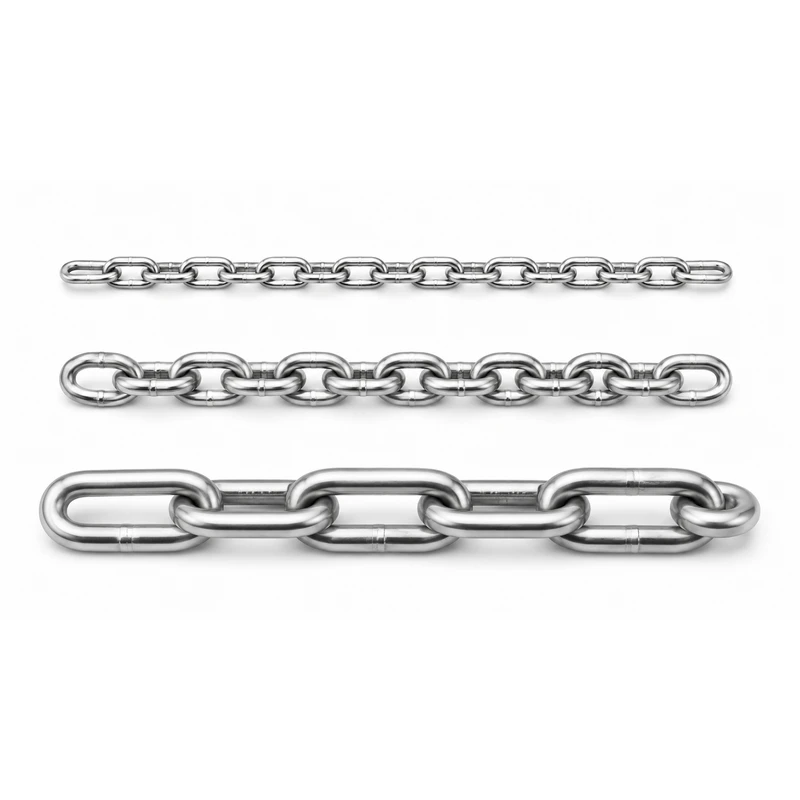
You will find that studless anchor chain offers unique advantages for marine applications. The absence of studs in each link makes the chain lighter and more flexible. You can handle studless anchor chain with ease, especially in situations where weight and space matter.
The design allows for smooth passage through windlasses and reduces the risk of kinking. Studless anchor chain is ideal for yachts, recreational boats, and vessels that require efficient handling.
Feature | Studless Anchor Chain | Standard Chain |
|---|---|---|
Shape | No stud in the middle of each link | Contains studs in each link |
Weight | Lighter due to no stud | Heavier due to studs |
Flexibility | More flexible | Less flexible |
Handling Characteristics | Easier to handle | More cumbersome to handle |
You can rely on Powerful Machinery’s studless anchor chain for consistent performance and compatibility with marking systems.
Anchor Chain Grades and Certifications
You should select anchor chain products that meet international standards for safety and reliability. Powerful Machinery manufactures anchor chains using high-quality materials such as galvanized steel and AISI 316 stainless steel. You benefit from chains that comply with ISO standards and hold certifications from RINA and BV.
These certifications guarantee that your anchor chain will perform under demanding marine conditions. You can choose from different grades and finishes, including hot-dip galvanization and electro-galvanization, to match your specific needs.
Tip: Certified anchor chain ensures long-term reliability and supports effective marking, even in harsh environments.
Product Advantages in Marketing
You gain several advantages when you choose Powerful Machinery anchor chain products. Wide links prevent kinking and allow for flexible, smooth handling. Low-carbon steel provides strength and flexibility.
Bright and zinc-plated finishes protect against corrosion and wear. Neptune coatings withstand saltwater and harsh conditions. Shot peening treatments enhance fatigue resistance.
Ring coining processes strengthen connecting links. These features make marking your anchor chain easy and help maintain visibility over time.
You experience easier handling and improved safety.
You achieve reliable marking compatibility for depth reading.
You enjoy long-lasting durability in marine environments.
Powerful Machinery anchor chain solutions combine advanced engineering with international certifications. You can trust these products to support safe, efficient anchoring and effective chain marking for years to come.
Safety and Maintenance for Marking Anchor Chain
Safety Precautions
You must prioritize safety when working with anchor chain. Wear gloves to protect your hands from sharp edges and heavy links. Use safety glasses to shield your eyes from debris.
Always secure the chain before you begin marking or inspecting it. Make sure the area around the windlass is clear. Never place your fingers between chain links. If you use paint or chemicals, work in a well-ventilated space. Keep all tools organized to prevent accidents.
Tip: Check the stability of your vessel before handling the anchor chain. Sudden movement can cause injury.
Maintaining Markings
You need to keep anchor chain markings visible and effective. Regular maintenance ensures you can read the depth quickly and anchor with confidence. Follow these routines to maintain your markings:
Inspect the anchor chain regularly for wear and fading.
Clean the chain to remove salt, mud, and corrosion.
Reapply paint or replace cable ties when colors fade or break.
Check for missing or damaged markers after each use.
Store the anchor chain in a dry, protected area when not in use.
A clean and well-marked anchor chain helps you avoid mistakes during anchoring. You improve safety and extend the life of your chain by following these steps.
Avoiding Common Mistakes
You can prevent problems by avoiding common mistakes in marking and maintaining your anchor chain. Do not use markers that catch on the windlass or jam the chain. Avoid using colors that blend with the chain or are hard to see underwater.
Never skip intervals when marking the chain. If you change marking methods, update your reference table so everyone on board understands the system. Always check the markings before you anchor.
Mistake | How to Avoid |
|---|---|
Using weak markers | Choose durable, marine-grade options |
Skipping intervals | Mark every section consistently |
Failing to inspect | Check markings before each use |
Ignoring faded colors | Reapply paint or replace markers |
You maintain a safe and reliable anchoring system by following these guidelines. Proper care of your anchor chain and its markings supports efficient and secure anchoring every time.
Calculating Scope with Marked Anchor Chain
Scope Ratios and Best Practices
You need to understand scope ratios to anchor your vessel securely. Scope refers to the ratio of anchor rode length to water depth. Setting the right scope helps your anchor hold firm and prevents dragging. You can follow these best practices:
Minimum scope for secure anchoring is about 5:1.
A scope of 7:1 offers better holding power when space allows.
For calm weather or short-term anchoring, a 4:1 scope may suffice.
If you anchor in 20 feet of water, a 7:1 ratio means you should deploy 140 feet of anchor chain. For short stops in calm conditions, a 4:1 ratio requires only 80 feet. Overnight anchoring in rough weather calls for a 7:1 ratio to keep your vessel safe.
Tip: Always check local conditions and adjust your scope to match wind, current, and bottom type.
Measuring Water Depth
You must measure water depth accurately before deploying your anchor chain. Use a depth sounder or lead line to find the exact depth beneath your vessel. Add the height from the waterline to the bow roller to your measurement.
This total gives you the true depth for calculating scope. Marked anchor chain makes it easy to count the length as you pay out the rode. You can match each marker to your calculated scope and avoid guesswork.
Step | Action |
|---|---|
1 | Measure water depth |
2 | Add bow height |
3 | Calculate total depth |
4 | Use chain markers to deploy |
Using Markings for Confident Anchoring
Marked anchor chain gives you visual indicators of chain length. You see each marker as the chain leaves the locker, which helps you set the correct scope for anchoring. Accurate scope calculation ensures your anchor holds securely and prevents dragging.
You avoid over-deployment, which reduces the risk of tangling or losing the anchor. Reliable markings let you anchor with confidence in any conditions. You can choose methods that suit your vessel, such as paint, zip ties, or commercial markers.
These systems work with Powerful Machinery anchor chain products, supporting safe and efficient anchoring every time.
Conclusion
You improve anchoring safety and efficiency by following anchor chain marking best practices. Use a certified anchor chain for reliable holding power and enhanced stability. Choose forged steel chains with studded links to prevent kinking.
Inspect your anchor chain before each use and perform detailed checks quarterly. Regular maintenance ensures long-term durability and reduces the risk of anchor drag. Powerful Machinery anchor chain supports safe mooring in all conditions.
Modern anchor chain provides greater proof load and systematic cable management.
Routine inspection and marking maintenance keep your vessel secure.
Corrosion-resistant anchor chain minimizes maintenance costs.
Consistent anchor chain marking and inspection protect your vessel and crew for years to come.
FAQ
How often should you check anchor chain markings?
You should inspect anchor chain markings before each use. Regular checks help you spot fading, damage, or missing markers. This routine keeps your anchoring system reliable and safe.
What is the best material for anchor chain markers?
Marine-grade polyester line, colored zip ties, and commercial chain markers work best. These materials resist corrosion and wear. You can choose options that pass smoothly through windlasses.
Can you use paint for marking the anchor chain?
Yes, you can use marine-grade paint for marking anchor chain. Choose bright colors for visibility. Reapply paint when it fades or chips to maintain clear depth readings.
Do Powerful Machinery anchor chains support all marking methods?
You can use paint, zip ties, webbing tabs, and commercial markers on Powerful Machinery anchor chains. The smooth finish and consistent link size make marking easy and secure.