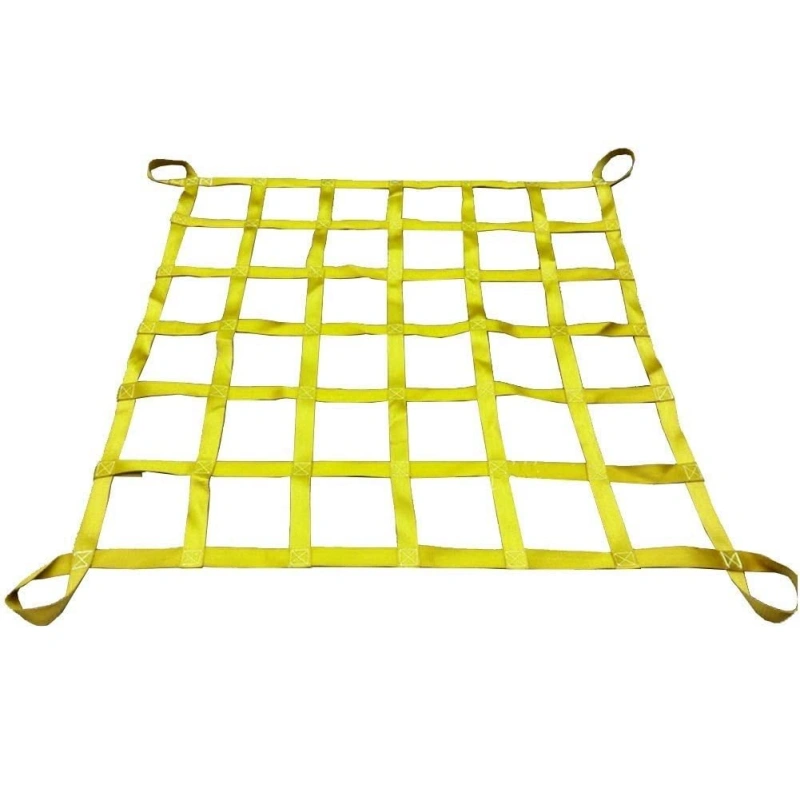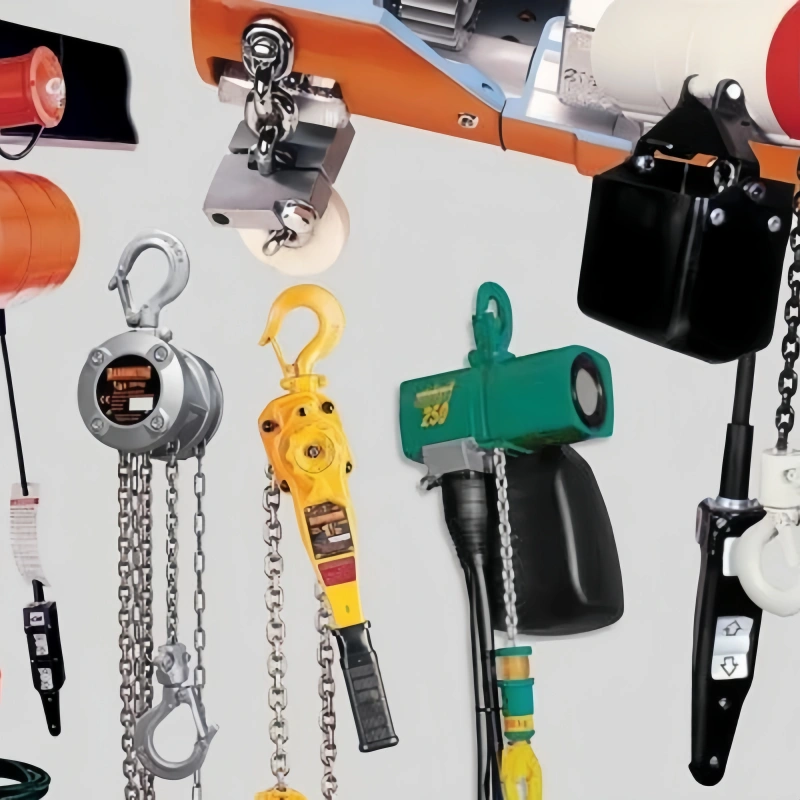
You ensure safe industrial lifting when you use certified cargo nets that minimize risks associated with shifting or falling loads. Cargo net safety stands as a critical factor for protecting both your workers and goods.
High-performance nets, crafted from durable materials like nylon and polyester, provide effective load distribution and resist abrasion in tough environments. Powerful Machinery delivers certified cargo lifting solutions, trusted globally for their strength, reliability, and compliance with industry standards.
Key Takeaways
Always inspect your cargo net for damage before each use. This simple step can prevent accidents and protect your goods.
Center and secure your load in the net to ensure proper weight distribution. This minimizes the risk of tipping during lifting.
Follow manufacturer guidelines and industry standards for safe lifting. Compliance ensures reliability and protects your team.
Use edge protectors for sharp materials to maintain net integrity and safety during lifting operations.
Regularly train your team on proper rigging techniques. This enhances safety and efficiency in cargo handling.
Why Cargo Net Safety Matters?
Preventing Accidents and Damage
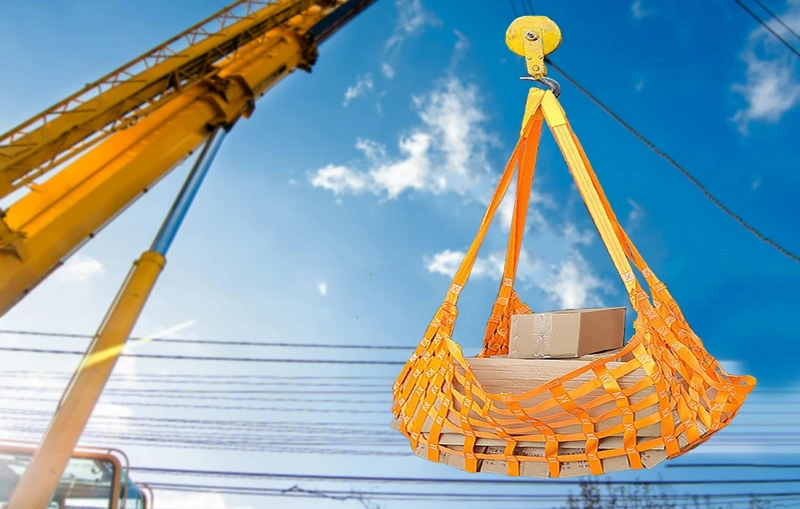
You protect your team and cargo when you prioritize cargo net safety. Many accidents in lifting operations happen because of certification lapses, inadequate testing, or material deficiencies. Using nets that lack proper certification can lead to severe incidents.
If you choose substandard materials, such as basic nylon instead of UV-resistant polyester, the net may fail under harsh conditions. You reduce risks by selecting certified, high-performance nets from Powerful Machinery. Leadership plays a key role in setting safety standards and monitoring risks.
The 2016 Fengcheng power plant collapse shows the consequences of ignoring safety regulations. You avoid costly damage and loss of life when you follow strict cargo net safety protocols.
Tip: Always inspect your cargo net for signs of wear or damage before every lift. This simple step can prevent accidents and protect your goods.
Enhancing Efficiency in Lifting
Cargo net safety improves efficiency in lifting operations. You streamline your workflow when you use nets that encapsulate and secure loads properly. Proper nets prevent shifting and breakage, saving time and labor. You minimize control activity errors and feedback errors by following accident prevention strategies.
When you address controller failures, you reduce the severity of accidents. Powerful Machinery designs nets to distribute weight evenly, making lifting operations smoother and safer. You maintain operational efficiency by using nets that meet industry standards and withstand real-world conditions.
Accident prevention strategies emphasize the need to address control failures and feedback errors to improve safety.
Focusing on minimizing control activity errors or jointly reducing feedback errors and controller failures can effectively reduce severe accidents.
Leadership is crucial in mitigating organizational failures by setting safety standards and monitoring risks.
Meeting Industry Standards
Cargo net safety depends on compliance with recognized industry standards. You ensure reliability and performance when you use nets that meet strict requirements. Powerful Machinery provides products that comply with global certifications, including ISO9001 and OSHA.
These standards demand high break strength and consistent manufacturing. You avoid violations and guarantee safety by choosing nets tested for real-world conditions.
Standard | Requirement | Impact on Compliance |
|---|---|---|
OSHA | Requires nets to withstand a 5:1 safety factor | Ensures safety by demanding high break strength relative to the working load |
ISO 9001 | Ensures consistent manufacturing to avoid defects | Reduces risk of failures due to manufacturing inconsistencies, enhancing reliability |
Testing | Must account for real-world conditions | Prevents violations that could arise from inadequate testing, ensuring nets perform as expected in actual environments |
You protect your workers, goods, and business reputation when you follow cargo net safety guidelines and use certified equipment.
How to Use a Cargo Net? Step-by-Step Guide
You achieve efficient lifting and minimize risks when you follow clear procedures for cargo handling. Powerful Machinery Cargo Nets deliver reliable performance, meeting strict safety standards and compliance requirements. Use the following practical steps to enhance safety and ensure proper cargo net usage.
Inspect for Damage and Compliance
Begin every operation by inspecting a cargo net. You protect your team and goods when you check for fraying, broken strands, or corrosion. Look for clear labels showing the safe working load and certifications.
Powerful Machinery Cargo Lifting Nets meet ASME B30.10 and B30.26 safety standards, supporting compliance with industry regulations. You must inspect a cargo net before each lift and after exposure to harsh conditions. Replace nets immediately if you detect structural damage.
Tip: Regular inspection helps you maintain compliance and prevents accidents during cargo handling.
Lay Out and Untangle the Net
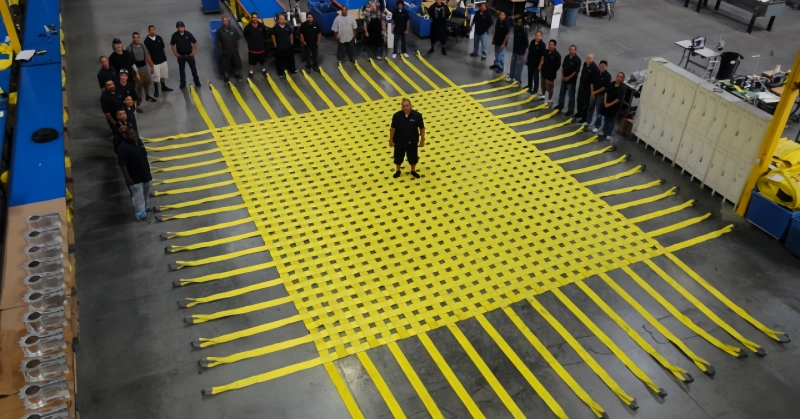
Lay the cargo net flat on a clean surface. Untangle the mesh to ensure all sections are free from knots or twists. You streamline procedures and avoid delays when you prepare the net properly.
Powerful Machinery nets feature lightweight synthetic fibers, making them easy to handle and position. You improve efficient lifting by ensuring the net is square-shaped and fully extended.
Untangle each section to prevent uneven load distribution.
Confirm the net’s shape matches the cargo dimensions for optimal cargo handling.
Center and Secure the Load
Place cargo items in the center of the flat netting. You achieve proper weight distribution and reduce the risk of tipping during lifting operations. Centering the load minimizes shifting and ensures stability. Secure the cargo by wrapping the net around all sides, encapsulating the goods tightly.
Position the cargo in the middle to enhance efficient lifting.
Wrap the net securely to prevent movement during cargo handling.
Use padding or edge protectors for sharp or abrasive materials.
Practical steps to enhance safety include centering the load and securing all items before attaching lifting slings.
Attach Lifting Slings Properly
Connect the four legs of the cargo sling nets to the hooks of the lifting equipment. Powerful Machinery nets feature reinforced loops and a specialized four-point structure for secure containment.
You must ensure the cargo net is properly secured before lifting. Train personnel in proper rigging and lifting techniques to maintain compliance and safety standards.
Attach each sling leg to the designated hook.
Confirm all connections are tight and secure.
Check that the load weight is within the net’s rated capacity and evenly distributed.
Note: Use edge protectors when lifting sharp materials to protect the net and maintain compliance.
Lift and Lower Safely
Lift the cargo slowly, maintaining awareness of the load’s behavior and surroundings. Adhere to established protocols for efficient lifting and cargo handling. Powerful Machinery Cargo Lifting Nets support a safe working load of up to 5,000 kg, meeting EN 1492-1 and CE certification requirements.
You must exercise caution and follow procedures to minimize risks.
Safety Protocols | Description |
|---|---|
ISO 9001 Certification | Ensures quality manufacturing of lifting equipment, providing reliable performance. |
Working Load Limit (WLL) Calculations | Establishes safe usage parameters based on material, angle of pull, and environmental stresses. |
Regular Inspections | Visual and load tests every six months to detect wear and ensure safety. |
Lower the load gently, keeping the cargo net stable. You reduce the risk of damage and maintain compliance with safety standards. Regular inspection and adherence to procedures ensure ongoing safety in cargo handling operations.
Practical steps to enhance safety include monitoring the load during lifting and lowering, and following all manufacturer guidelines.
Benefit | Description |
|---|---|
Proper weight distribution | Prevents tipping during lifting operations. |
Secure lifting of irregular or heavy cargo | Ensures the safety and stability of the load. |
Reduced risk of damage | Minimizes potential damage to cargo or equipment. |
You achieve efficient lifting, protect your goods, and maintain compliance when you follow these procedures for using a cargo net. Powerful Machinery Cargo Lifting Nets stand out for their certified safety standards and high-performance cargo handling capabilities.
Safe Industrial Lifting Tips
Pre-Use Inspection Checklist
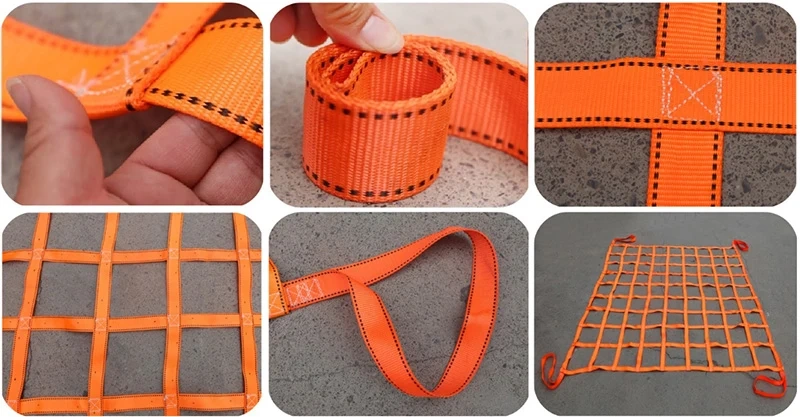
You protect your team and cargo when you follow a thorough inspection routine before every lift. Start by checking the net for cuts, abrasions, or broken stitching. Look for clear labels that show the working load limit and manufacturer information. Confirm that all attachment points are free from corrosion or damage.
Make sure the net is dry and clean, as moisture can weaken the material over time. Use padding or edge protectors when handling sharp or abrasive loads. These safety tips help you spot problems early and prevent accidents.
Tip: Always inspect your cargo net before each use. Replace any net that shows signs of wear or damage.
Avoiding Common Mistakes
Many accidents happen because of overlooked details or rushed procedures. You avoid these issues by following best practices for handling cargo nets. Never exceed the net’s rated capacity, even for short lifts. Distribute the load evenly to prevent tipping or shifting.
Train your team in proper rigging and lifting techniques. Store nets in a dry, shaded area to prevent UV and moisture damage. Regular cleaning removes dirt that can hide early signs of wear. These safety tips keep your equipment reliable and your workplace safe.
Common Mistake | How to Avoid It |
|---|---|
Overloading the net | Always check the working load limit before handling |
Ignoring environmental factors | Choose nets suited for UV, moisture, or chemicals |
Improper storage | Air-dry nets fully before storing |
Skipping inspections | Inspect before every use and after harsh conditions |
Following Manufacturer Guidelines
You ensure safe industrial lifting when you follow manufacturer instructions and industry regulations. Powerful Machinery provides certified cargo nets with clear labeling and documentation. Always use the working load limit, not the breaking strength, for equipment selection.
Adhere to DOT and FMCSA rules for cargo securement. Regularly review maintenance practices, such as quarterly inspections and proper storage. These best practices for handling cargo nets extend their lifespan and maintain compliance.
Rely on safety tips from trusted manufacturers to keep your operations efficient and secure.
Note: Following best practices for handling and maintenance ensures your cargo nets deliver reliable performance every time.
Conclusion
You improve industrial safety when you follow each step for cargo net use. Certified cargo nets help prevent load shift, protect personnel, and maintain balance during lifting operations. You avoid safety incidents and operational delays by inspecting nets, following standard procedures, and documenting issues.
Choosing the right lifting net selection and respecting rated working load limits ensures reliable performance. Powerful Machinery Cargo Lifting Net delivers trusted results for your cargo handling needs.
Prevent load shift and protect your team.
Maintain balance and avoid costly delays.
Inspect, follow procedures, and document issues for ongoing safety.
Prioritize safety, regular inspections, and compliance to keep your operations efficient and secure.
FAQ
What is a webbing cargo net used for in industrial operations?
You use a webbing cargo net to secure and lift loads during industrial operations. This net helps you control unstable cargo, reduce operational risk, and improve safety features. You can handle irregular items and protect goods from shifting or falling.
How do you determine the correct load capacity for a webbing cargo net?
You check the manufacturer’s label for load capacity. Always match the net’s rating to your cargo weight. Never exceed the stated limit. This practice reduces risk and ensures safe operations.
What safety features should you look for in a webbing cargo net?
You should look for reinforced stitching, clear labeling, and strong attachment points. These safety features help you minimize operational risk and maintain control during lifting operations. Regular inspections also keep your equipment reliable.
How does a webbing cargo net reduce operational risk during lifting operations?
You reduce operational risk by using a webbing cargo net that distributes weight evenly. This net prevents load shifting and lowers the chance of accidents. You improve safety features and protect your team during all operations.
Can you use a webbing cargo net for outdoor operations?
Yes, you can use a webbing cargo net outdoors. High-quality nets resist UV rays and moisture. You maintain safety features and reduce risk by inspecting the net before and after outdoor operations.