You want the best lifting chain storage to protect your equipment and keep your team safe. Imagine you finish a tough day on site, drop your lifting chains in a damp corner, and walk away. Over time, rust and corrosion set in, weakening the metal and risking future lifting operations.
Chains exposed to moisture or left uninspected can develop cracks or deform, leading to serious safety hazards. Powerful Machinery offers certified solutions that help you avoid these problems and maintain reliable chain storage for every job.
Key Takeaways
Choose a cool, dry, and dark area for lifting chain storage to prevent rust and corrosion.
Organize lifting chains using dedicated hooks or racks to avoid tangling and damage.
Inspect and clean lifting chains regularly to ensure safety and extend their lifespan.
Use certified lifting chains that meet safety standards to protect your team and equipment.
Implement a maintenance log to track inspections and repairs for each lifting chain.
Lifting Chains and Chain Slings Overview

When you select lifting chains and chain slings for your operations, you invest in the backbone of your lifting equipment. Powerful Machinery brings over two decades of expertise, offering a wide range of certified lifting chains and chain slings that meet the highest industry standards.
You need to understand the types, grades, and configurations to match your specific applications and ensure safety.
Types and Grades of Lifting Chains
You encounter several types of chains in industrial applications. Alloy steel chains deliver unmatched strength and durability, making them ideal for heavy-duty lifting equipment. Stainless steel chains resist corrosion, so you can use them in marine or chemical environments.
The grade of a chain determines its strength and load capacity.
Grade 80 chains balance strength and cost, making them suitable for standard lifting applications.
Grade 100 chains offer a higher strength-to-weight ratio, supporting heavier loads in demanding applications.
Grade 120 chains provide the highest strength, reserved for specialized lifting equipment and critical applications.
Grade 70 chains serve in transportation, securing heavy cargo.
Every lifting chain comes with a specific load capacity, and you must never exceed the working load limit. Always use certified hooks and hardware, and train your team to understand capacity charts. This approach ensures your lifting operations meet all safety standards.
Chains outperform web slings in harsh environments, high-heat zones, and repeated, high-capacity lifts. You rely on their strength and durability for the toughest applications.
Chain Slings Configurations and Uses
Chain slings come in several configurations to match your lifting equipment and applications:
Single-leg slings handle vertical lifts and basic load securing.
Double-leg slings maintain balance during lifts at various angles.
Triple-leg slings offer similar balance and flexibility for complex applications.
Quad-leg slings provide maximum chain length and stability for large or irregular loads.
You can use chain slings in vertical, choker, or basket hitches. Each configuration affects the load capacity and strength of your lifting equipment. For example, a basket hitch can double the load capacity if both legs remain vertical and you respect the D/d ratio.
Always choose certified products that comply with ASME and other international standards. Annual certification and regular inspection guarantee the reliability and safety of your lifting chains and chain slings.
Gold Standard for Chain Storage
Location and Environmental Factors
You set the foundation for safe and durable lifting chain storage by selecting the ideal location. The gold standard for chain block storage starts with a space that protects your equipment from damage and extends its service life. Always choose a cool, dry, and dark area for storage.
This environment prevents rust, corrosion, and degradation of your lifting chains. Moisture and extreme temperatures weaken metal over time, so you must avoid damp basements, outdoor sheds, or areas near chemicals.
A well-ventilated room helps keep humidity low. You should never store lifting chains near windows where sunlight can cause temperature swings. Instead, use a dedicated storage room or a secure indoor area away from direct heat sources.
Powerful Machinery recommends appropriate storage solutions that shield your lifting equipment from dust, dirt, and contaminants. By controlling the environment, you maintain the integrity and safety of your lifting chains.
Tip: Use a thermometer and hygrometer to monitor temperature and humidity in your storage area. Consistent conditions help prevent unexpected damage.
Hanging and Organization Methods
Proper organization is essential for lifting chain storage. You protect your investment and ensure safety by keeping chains untangled and ready for use. Never leave lifting chains on the ground.
Instead, hang them on dedicated hooks or racks designed for lifting equipment. This method prevents kinks, tangles, and unnecessary wear.
You can follow these best practices for organizing your lifting chains:
Store lifting chains in designated areas, away from foot traffic and heavy machinery.
Use racks or wall-mounted hooks to hang each chain separately.
Keep chains off the floor to avoid moisture and accidental damage.
Label each hook or rack with the chain’s grade and length for quick identification.
Inspect chains before hanging to ensure they are clean and free from defects.
A well-organized storage system saves time during lifting operations and reduces the risk of accidents. Powerful Machinery offers certified racks and accessories that support the gold standard for chain block storage. These solutions help you maintain order and extend the life of your lifting equipment.
Note: Regularly check your storage area for clutter or overcrowding. A tidy space supports efficient lifting operations and upholds safety standards.
By following these guidelines, you create an environment where your lifting chains remain strong, reliable, and ready for every lifting task.
Pre-Storage Maintenance for Lifting Chains
Cleaning and Inspection Steps
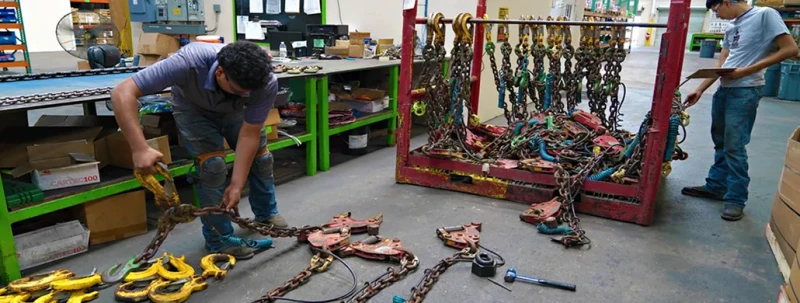
You set the standard for chain block care by following a thorough cleaning routine before storing lifting chains. After each lifting operation, remove dirt, oil, and contaminants from chains. This step prevents corrosion and keeps your lifting chains strong for future use.
Use a wire brush or a clean cloth to reach every link and attachment. Cleaning the sling before inspection helps you spot hidden damage that could affect safety.
Regular inspection is a critical part of pre-storage maintenance. Examine each chain for signs of wear, cracks, or deformation. Look for bent links, worn hooks, and any evidence of corrosion. If you find any defects, remove the chains from service immediately.
Schedule routine inspections at least once a year, but inspect more often if you use lifting chains frequently or in harsh environments. You protect your team and equipment by making regular inspections a habit.
Tip: Keep a maintenance log for each chain. Record cleaning dates, inspection results, and any repairs. This practice supports chain block care and helps you track the condition of your lifting chains over time.
Lubrication and Protection
Proper care for lifting chains includes applying the right lubricant before storage. Penetrating-type lubricants work best for chain block care, especially in areas with moisture or dust. These lubricants displace water and clean the internal parts of chains, reducing the risk of corrosion and wear.
In humid conditions or when chains run through water, use a combination of penetrating oil and tacky grease. The oil forces out water, while the grease seals the chain, providing extra protection during storage.
You should always check that chains are dry before applying lubricant. Coat each link evenly and avoid excess buildup. This step ensures lifting chains remain flexible and ready for safe lifting operations. Store chains in a cool, dry place after lubrication to maximize their lifespan.
Note: Consistent pre-storage maintenance and chain block care extend the life of your lifting chains and support safety in every lifting task.
Common Chain Storage Mistakes
Improper Placement and Overcrowding
You might think any spot in your facility works for lifting chain storage, but improper placement and overcrowding create serious hazards. When you stack or pile lifting chains in a corner or on the floor, you increase the risk of tangling, tripping, and accidental damage.
Inefficient racking layouts can buckle under heavy loads, making it harder to access the right lifting chain when you need it. This not only complicates your daily lifting duties but also raises the chance of workplace injuries and insurance claims.
Overcrowded storage areas can lead to musculoskeletal disorders from overexertion, which impacts both productivity and safety. Powerful Machinery’s safety standards recommend using dedicated racks or hooks, spacing each lifting chain properly, and never exceeding the load capacity of your storage system.
Tip: Always label and separate each lifting chain by grade and length. This simple step supports safety standards and helps you avoid confusion during lifting operations.
Neglecting Regular Maintenance
You cannot ignore regular maintenance if you want to keep your lifting chains safe and reliable. Skipping cleaning, lubrication, or inspections allows wear and corrosion to build up, which shortens the lifespan of your lifting equipment and increases safety hazards.
Following Powerful Machinery’s safety standards, you should:
Clean and lubricate each lifting chain before storage to prevent rust and wear.
Inspect every lifting chain for damage, such as cracks or deformation, before and after storage.
Remove any damaged lifting chain from service immediately to avoid hazards.
Keep a maintenance log to track inspections and repairs, supporting ongoing compliance with safety standards.
Neglecting these steps means you risk using damaged lifting chains, which can fail under load and cause catastrophic incidents. By following strict safety standards, you protect your team and maintain the integrity of your lifting operations.
Lifting Chain Storage Solutions by Powerful Machinery
When you want to protect your lifting chains and maximize efficiency, you need storage solutions that match the strength and reliability of your equipment. Powerful Machinery offers a complete range of chain storage options designed for industrial environments.
You can choose from wall racks, mobile units, and custom accessories that keep your lifting chains organized, accessible, and safe.
Wall Racks and Mobile Units
Wall racks give you a simple way to store heavy-duty chains. You mount these racks on a solid wall in your facility. Each hook or bracket holds a single chain, preventing tangles and making it easy to inspect your lifting chains before every use.
You can label each spot for quick identification. This method keeps your lifting chain storage area neat and reduces the risk of damage.
Mobile units take chain storage to the next level. You move these units wherever you need them, which helps you respond quickly to changing job-site demands. Mobile storage units come with slide-out trays and labeled compartments.
You can organize your lifting chains by grade, length, or application. This setup saves time and improves workflow.
The table below shows how mobile storage units improve your daily operations:
Benefit | Description |
|---|---|
Organized Storage | Reduces disorganization, allowing for quicker access to tools and equipment. |
Improved Response Times | Clearly labeled compartments facilitate instant retrieval, saving time in high-pressure situations. |
Enhanced Safety | Slide-out trays prevent lifting injuries and keep tools stable during transit, minimizing accidents. |
Equipment Longevity | Proper design reduces wear and tear, extending the lifespan of critical equipment. |
You keep your lifting chains off the ground and away from hazards. You also extend the life of your heavy-duty chains by reducing unnecessary handling.
Powerful Machinery’s wall racks and mobile units support all grades of lifting chains, including heavy-duty and transport chains. You can find more about these products on the Chains, Lifting Chains, and Chain Slings pages.
Tip: Use mobile units for large projects or when you need to move lifting chains between work zones. This approach keeps your equipment close and your workflow smooth.
Custom Accessories and Configurations
Every facility has unique needs. Powerful Machinery offers custom accessories and configurations to help you build the perfect lifting chain storage system. You can request racks with adjustable hooks, modular shelving, or reinforced frames for extra-heavy-duty chains.
You might need special holders for chain slings or attachments for lifting chains with unique fittings.
You can also choose accessories that protect your chains from dust, moisture, and impact. For example, you can add protective covers, anti-slip mats, or locking mechanisms.
These features keep your lifting chains secure and ready for use. You can even design a storage system that fits into tight spaces or integrates with your existing technology.
Powerful Machinery uses advanced technology to create solutions that match your workflow. You get storage systems that support safety, efficiency, and equipment longevity. You can trust these products to handle the demands of heavy-duty lifting and industrial operations.
Note: Custom configurations help you adapt to new projects or changes in your lifting equipment inventory. You can scale your chain storage as your business grows.
When you invest in Powerful Machinery’s lifting chain storage solutions, you protect your lifting chains, improve safety, and streamline your operations. You also ensure that your heavy-duty chains and equipment stay in top condition for every lifting task.
Choosing the Right Lifting Solutions
Assessing Needs and Space
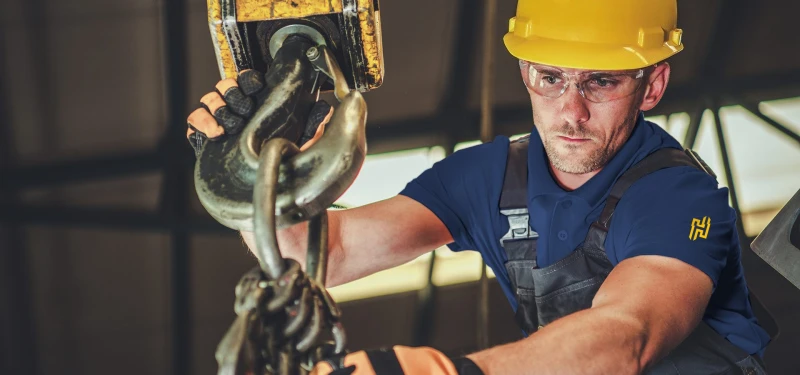
You start by looking at your lifting operations and the space you have. Every facility has different lifting chains, so you must match your storage to your lifting needs. Walk through your work area and count the number of lifting chains you use every day.
Check the types, grades, and lengths of your lifting chains. You want to make sure each lifting chain has a dedicated spot.
Think about the flow of your lifting work. Place your lifting chains close to where you use them most. This setup saves time and keeps your lifting area safe. If you have a small space, wall racks help you use vertical storage.
For larger sites, mobile units let you move lifting chains where you need them. Custom racks fit unique lifting chains or special lifting attachments.
Tip: Label each rack or hook with the grade and length of the lifting chain. This step helps you grab the right lifting chain fast and keeps your lifting area organized.
Comparing Features and Certifications
You want lifting chains that meet strict safety standards. Powerful Machinery designs lifting chains to match international and Australian standards. These certifications show that your lifting chains follow safety, design, and inspection rules.
When you choose certified lifting chains, you protect your team and your equipment.
The table below shows how certifications help you pick the right lifting chains for your storage:
Evidence Description | Purpose of Compliance |
|---|---|
Powerful Machinery holds certifications for its lifting chains that comply with various Australian standards. | Ensures adherence to safety, design, and inspection protocols essential for safe operation. |
These standards set the foundation for safety, design, and ongoing inspection. | Guarantees that lifting equipment is designed and maintained to meet safety requirements. |
Proper records show that your equipment meets certification requirements and is safe for use. | Documentation is crucial for demonstrating compliance during audits or inspections. |
You should keep records for every lifting chain. Write down inspections, repairs, and storage checks. This habit proves your lifting chains are safe and ready for every lifting job.
When you compare lifting chains, look for features like adjustable hooks, corrosion resistance, and easy-to-read labels. Certified lifting chains give you peace of mind and help you pass any safety audit.
Note: Always choose lifting chains from a trusted source like Powerful Machinery. Certified lifting chains keep your lifting operations safe and efficient.
Maintenance Routines for Stored Chains
Scheduled Inspections
You must keep your lifting chains in top condition with a consistent maintenance routine. Scheduled inspections form the backbone of safe lifting operations. Powerful Machinery recommends that you match your inspection intervals to the service type of your lifting chains. Use the table below to guide your schedule:
Service Type | Definition | Inspection Timing |
|---|---|---|
Normal | Less than 65% of the rated load and used 15% of the time or less | Annual |
Heavy | Greater than 65% of rated load and/or used more than 15% of the time | Every 6 months |
Severe | Non-standard conditions: High or low temperatures, outdoor and/or salt water exposure, caustic environment, etc. | Quarterly |
You should always perform a regular inspection before returning lifting chains to storage. During each inspection, check for wear, cracks, deformation, and corrosion. If you find any defect, remove the chain from service right away. This practice keeps your lifting equipment reliable and supports safety on every job.
Keep detailed records for every lifting chain. Your maintenance log should include:
Manufacturer, MRC/WLL, height of lift, and asset number
Photos and storage location
Condition of chains, hooks, safety catches, chain bags, anchors, motors, couplings, mountings, and limit switches
Electrical items like control and power cables
Ancillary rigging for damage, twists, frays, kinks, and SWL markings
Transmission noise, vibration, lubrication status, and any repairs or adjustments
Noted defects and actions taken
Tip: Consistent record keeping helps you track the history of each lifting chain and ensures compliance with Powerful Machinery’s standards.
Environmental Monitoring
You must monitor the storage environment to protect your lifting chains from damage. Use a thermometer and a hygrometer to check temperature and humidity levels. High humidity or extreme temperatures can cause corrosion and weaken chains.
Keep your lifting chains in a cool, dry, and dark place. Avoid areas with chemical exposure or direct sunlight.
Check your storage area regularly for dust, moisture, or clutter. Clean the space as part of your maintenance routine. This habit prevents unexpected damage and extends the life of your lifting chains.
When you combine scheduled inspections with environmental monitoring, you create a strong maintenance plan that keeps your lifting equipment safe and ready for every lift.
Conclusion
You improve workplace safety and equipment durability when you follow best practices for lifting chain storage. Keep your work area clean and place all rigging in designated chain storage areas. Use dry, covered racks or hooks and avoid direct contact with the ground.
Store chains away from corrosive materials. These steps protect your lifting equipment and reduce lost time incidents. Regular review of your storage routines helps you maintain safety and achieve long-term cost savings.
A safe work environment leads to a more satisfied and productive workforce.
Proper storage helps protect the rig from damage and lowers workers’ compensation payouts.
FAQ
How often should you inspect lifting chains in storage?
You should inspect lifting chains before every use and at scheduled intervals based on usage.
Tip: For heavy or severe service, increase inspection frequency to catch issues early.
What is the best way to prevent rust on stored lifting chains?
Apply a light coat of penetrating lubricant after cleaning. Store chains in a cool, dry, and dark place.
Keep chains off the ground
Avoid humid environments
Can you store different grades of chains together?
You should store each grade separately and label storage locations. This practice prevents confusion and ensures you always select the correct chain for your lifting task.
Does Powerful Machinery offer custom storage solutions?
Yes, you can request custom racks, accessories, and configurations to fit your facility’s needs.
Note: Contact Powerful Machinery for tailored solutions that match your lifting equipment and workflow.