
Lifting Shackles
Lifting shackles form the backbone of rigging, connecting slings, wire rope, and loads with confidence. We manufacture lifting shackles in proven designs, pin options, and load ratings built for real work. Quote shackles from Powerful Machinery today.

We build lifting shackles with proven load ratings, so every unit delivers the strength you expect in real lifting conditions.
Our factory handles bulk and repeat orders with steady output, helping you plan projects without supply interruptions.
We produce OEM lifting shackles with flexible specs, pin options, and branding to fit your technical needs.
Each lifting shackle goes through strict testing and inspection, keeping quality consistent across every shipment.
Powerful Machinery - Your Trusted Lifting Shackle Manufacturer
We supply work provide dependable lifting shackles for industry leaders.





SHACKLES FOR LIFTING
Our lifting shackles support lifting and rigging operations across diverse applications. Our selection includes:

Anchor Shackle
Anchor shackle, also called a bow shackle, has a wide rounded bow that supports multi-directional loads and connects multiple slings with ease for lifting and rigging work.
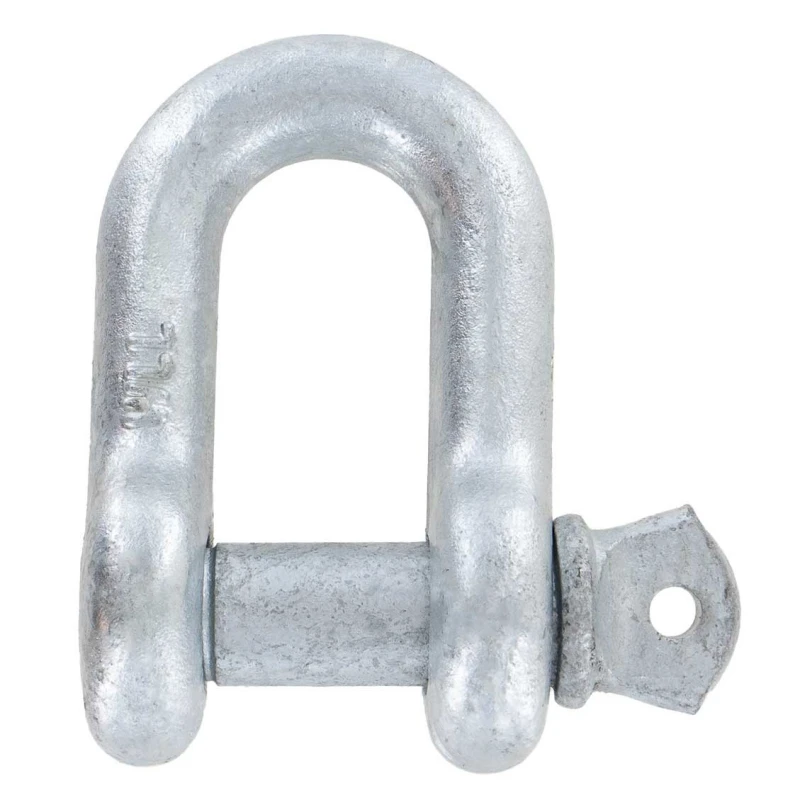
Chain shackle, also known as a D shackle, uses a narrow D-shaped body for straight, in-line loading. It delivers a compact, secure connection and avoids side loading to keep strength stable.

Wide Body Shackle
Wide body shackle has a wider bow that increases bearing surface for web and round slings, helping reduce wear, prevent kinking, and support safer lifting connections.
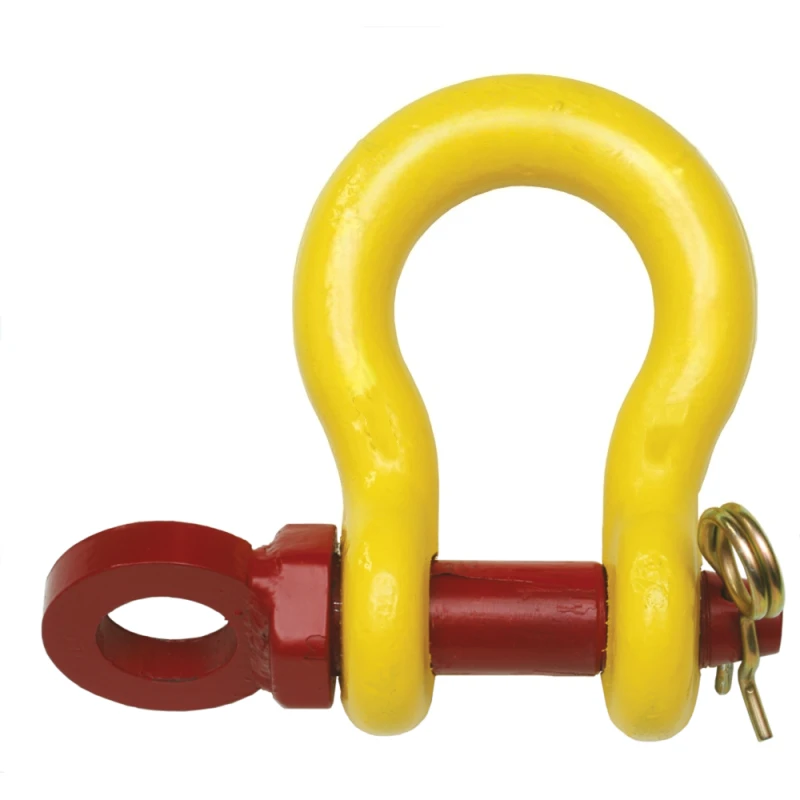
ROV/Subsea Shackles
Subsea shackle supports underwater lifting with high-visibility coatings and ROV-friendly features, helping operators achieve safe, accurate connections in subsea environments.

Piling Shackle
Piling shackle offers extended reach for connecting loads at deep or hard-to-access points, making it effective for lifting sheet piles and similar construction materials.
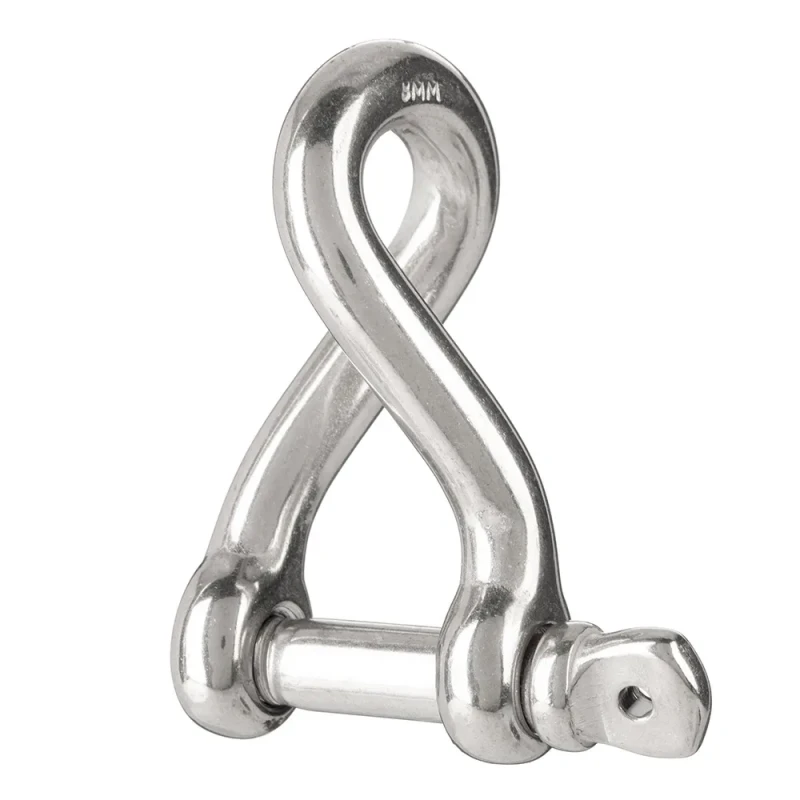
Twist Shackle
Twist shackle features a 90-degree twisted D-shaped body that redirects load direction, helping align lifting connections without twisting chains or slings.
NEED HELP WITH YOUR LIFTING SHACKLE ORDER?
Let us help! Reach out today and get recommendations on materials and sizing from our experts.


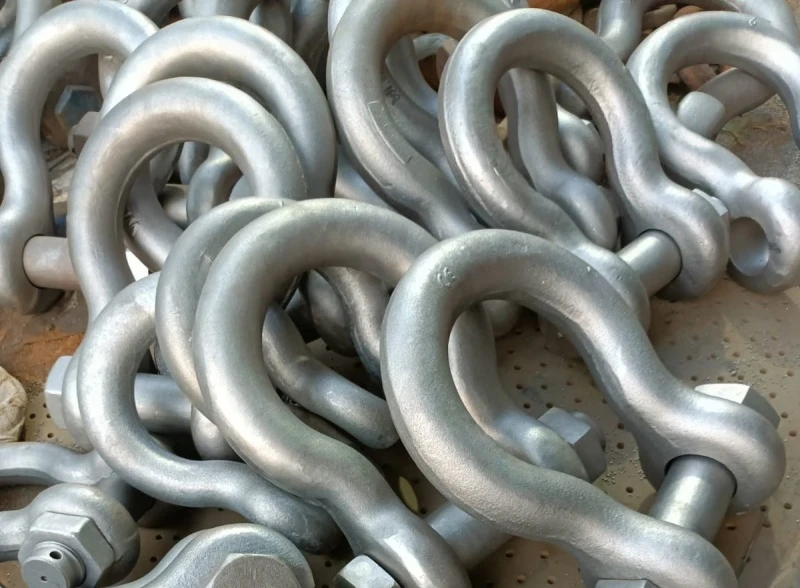
Guide to Shackle for Lifting
Our Guide to lifting shackles helps you understand shackle types, applications, and selection tips so you can choose safe, reliable rigging connections.
What lifting shackle sizes should you choose for your project?
Choosing the right lifting shackle size affects safety, efficiency, and equipment lifespan. Instead of relying on nominal size alone, you need to evaluate how the shackle fits and performs in real lifting conditions.
When selecting lifting shackle sizes, you should consider:
Pin diameter to match sling eyes and connection points without play or binding
Bow width to allow proper seating of slings without pinching or distortion
Inside length to ensure enough clearance during loading and unloading
Sling diameter compatibility to avoid excessive wear and reduced sling life
Connection point thickness to maintain correct load alignment
Load geometry and movement to allow free rotation under load
Dimensional consistency from the manufacturer to ensure repeatable fit across bulk orders
Lifting Shackles Weight Limits
Lifting shackles weight limits represent the maximum working load you can apply during normal lifting conditions. You treat this value as a strict limit rather than a target. You account for load angle, dynamic forces, and shock loading because these factors increase real stress. You never rely on visual judgment alone. As a manufacturer, we establish weight limits through material selection, heat treatment, and proof testing. You gain consistent performance when every shackle matches its marked rating.
Types of Lifting Shackles
Lifting shackles come in different designs to handle specific load directions and rigging needs. Choosing the correct type improves load control, connection safety, and overall lifting performance.
The main types of lifting shackles and how you choose them:
Anchor shackles for multi-leg slings and angled or side-loaded lifts
Chain shackles for straight, in-line tension and single-direction loads
Wide body shackles for web slings and round slings that need a larger bearing surface
Screw pin shackles for temporary lifts that require frequent removal
Bolt-type shackles for long-term installations and applications with vibration
How do you calculate lifting shackle capacity correctly?
Calculating lifting shackle capacity correctly helps you control risk and plan safe, repeatable lifts. You look beyond the marked rating and consider how real lifting conditions affect load stress.
To calculate lifting shackle capacity, you should:
Start with the marked working load limit (WLL) on the shackle body
Evaluate sling angles that increase force on the shackle
Account for load movement and dynamic forces during lifting
Check connection alignment to avoid side loading
Reduce capacity when angled or off-center loading exists
Use manufacturer-published capacity data based on tested values
How Do Lift Shackles Work?
Lifting shackles work as connection points that transfer load between slings, hooks, chains, and lifting points. You insert the pin through aligned components so load travels through the shackle body rather than across the pin threads. You allow movement to self-align under load. As a manufacturer, we design bow shape and pin fit to support proper load transfer. You gain stability and predictable behavior when shackles sit correctly within the rigging system.
Lift Shackles Good or Bad?
Lifting shackles perform extremely well when you use them correctly. Problems appear when you overload, side load, or mismatch sizes. You avoid poor results by choosing certified shackles and following load ratings. As a manufacturer, we see failures linked to misuse rather than product design. You benefit from shackles because they offer flexibility, strength, and easy inspection.
Lifting Equipment Rigging Types of Shackles
Lifting equipment rigging relies on different shackle types to handle specific load paths, materials, and working environments. Choosing the right rigging shackle improves safety and connection reliability.
Shackles commonly used in lifting equipment rigging include:
Anchor shackles for multi-directional loads and multi-leg slings
Chain shackles for straight, in-line loading
Wide body shackles for web slings and round slings
Twist shackles for changing load direction and alignment
Subsea shackles for underwater lifting and offshore operations
Piling shackles for deep or hard-to-reach connection points
How do you use lifting shackles correctly on site?
Using lifting shackles correctly on site helps prevent accidents, equipment damage, and unexpected downtime. Following consistent steps ensures stable load control and predictable lifting performance.
To use lifting shackles correctly on site, you should:
Inspect the shackle before use for damage, wear, or missing markings
Match shackle size and rating to the lift plan rather than guessing
Install the pin fully and correctly to secure the connection
Check alignment so the load stays in line with the shackle body
Allow free movement during loading to avoid side stress
Avoid shock loading caused by sudden lifts or drops
Lifting Shackles Inspection Checklist
Regular inspection of lifting shackles helps you catch damage early and reduce lifting risk. A clear inspection checklist supports safer operations and consistent equipment performance.
Your lifting shackles inspection checklist should include:
Shackle body deformation such as bending or distortion
Pin wear and thread condition to ensure secure engagement
Visible cracks or elongation that indicate overload
Surface damage and corrosion that weaken strength
Readable load limit markings on the shackle body
Immediate removal of damaged shackles from service
Have More Questions of Lifting Shackles?
Have more questions about lifting shackles? We provide clear guidance on selection, capacity, and proper use, helping you plan safe lifts and avoid costly rigging mistakes.