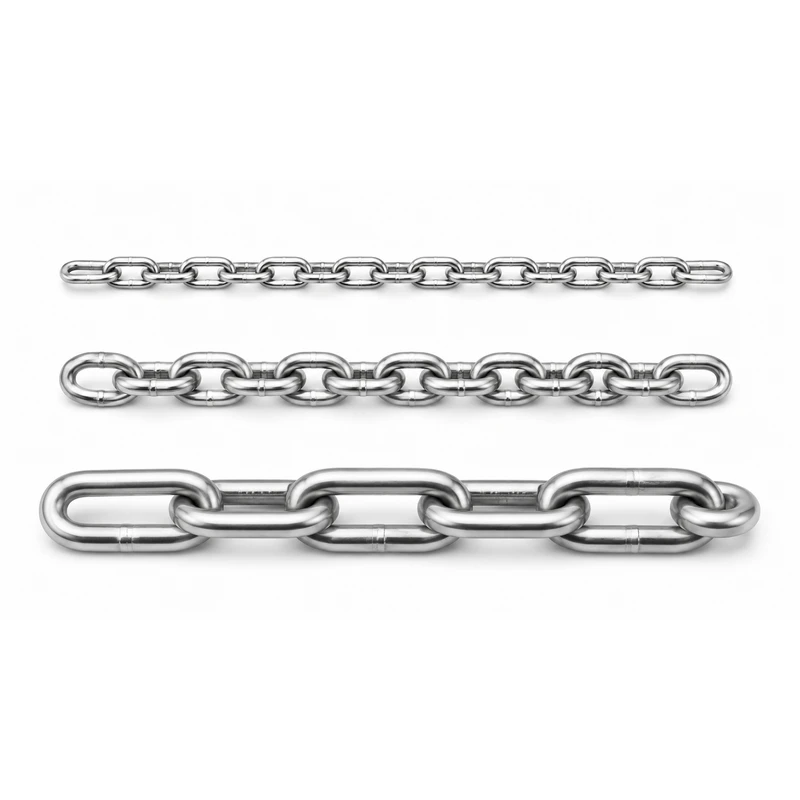
You encounter Proof Load, WLL, and MBL every time you select lifting equipment. These terms define the strength, limits, and reliability of gear used in critical operations. Industry standards highlight their importance for safety, helping you avoid overloading and equipment failure. The table below clarifies each term:
Term | Definition |
|---|---|
Proof Load | Load tested by the manufacturer to ensure equipment withstands expected use |
WLL | Maximum load a lifting attachment is designed to lift under ideal conditions |
MBL | Minimum load that risks breakage or loosening of the load |
Powerful Machinery provides certified lifting solutions that meet strict safety requirements. Understanding lifting equipment safety terminology ensures you make safe and confident choices.
Key Takeaways
Understand the definitions: Proof Load tests equipment strength, WLL is the maximum safe load, and MBL indicates the breaking point.
Always check the WLL marking before lifting. This ensures you do not exceed safe limits and helps prevent accidents.
Follow the weakest link principle. The overall strength of your lifting system depends on its lowest-rated component.
Conduct regular inspections and maintenance on lifting equipment. This practice ensures safety and extends the life of your gear.
Use certified lifting equipment from trusted suppliers. This guarantees compliance with safety standards and reliable performance.
Lifting Equipment Safety Terminology
Working Load Limit (WLL) Defined
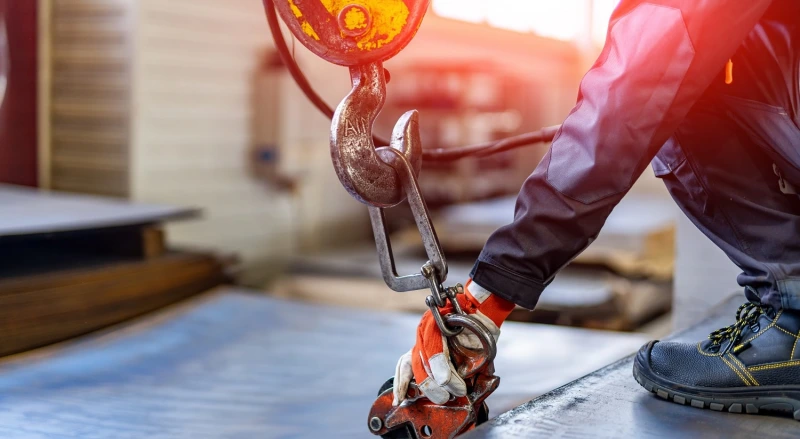
You see the term working load limit on every piece of lifting equipment. WLL represents the maximum load you can safely lift during normal operations.
Manufacturers determine WLL by dividing the breaking strength of the equipment by a safety factor. International standards like ASME B30 and OSHA regulations require WLL to be clearly marked. Powerful Machinery ensures all products display accurate wll ratings, giving you confidence in every lift.
Tip: Always check the wll marking before starting any lifting operation.
Safe Working Load (SWL) and Its Use
Safe working load is a term you may encounter, though wll has largely replaced it in modern lifting equipment safety terminology. SWL indicates the maximum load you can apply safely, often calculated with a safety factor to account for unexpected conditions. For example, if a sling breaks at 100 tons and the safety factor is 5, the SWL is 20 tons.
Powerful Machinery follows global standards to ensure SWL and wll are consistent and reliable.
Minimum Breaking Load (MBL) Explained
Minimum breaking load defines the point where lifting equipment risks breaking. MBL is determined through destruction testing, which means the equipment must withstand this load before failure. You should never reach the MBL during normal lifting.
Powerful Machinery tests every product to meet or exceed the minimum breaking load required by EN13889 and other international standards.
Proof Load in Lifting Equipment
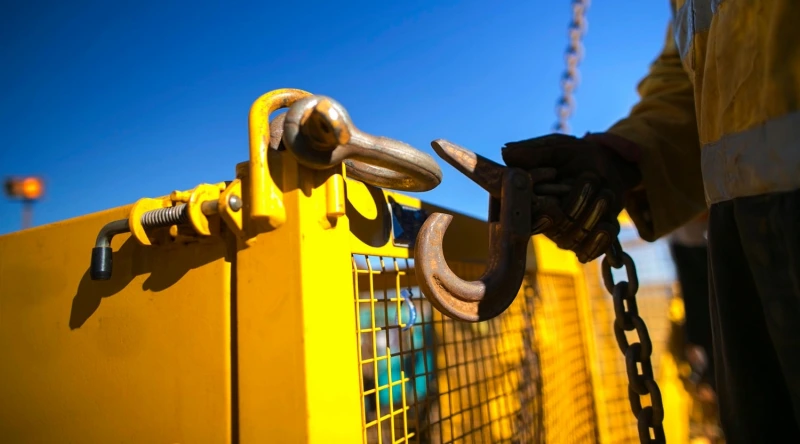
Proof load is the load applied during testing to verify the strength and integrity of lifting equipment. Manufacturers expose products to the proof load, which is higher than the wll but lower than the mbl. This process ensures the equipment can handle expected loads without permanent deformation.
Powerful Machinery conducts rigorous proof load tests, guaranteeing safety and reliability for every lifting application.
Safety Factor and Its Role
The safety factor is a ratio that shows how much stronger the equipment is compared to its designed load. For example, OSHA recommends a safety factor of 5:1 for lifting equipment. You calculate WLL or SWL by dividing the minimum breaking load by the safety factor.
This ratio protects you from unexpected stresses and ensures safe lifting operations. Powerful Machinery always applies appropriate safety factors, meeting or exceeding international requirements.
Term | Definition |
|---|---|
WLL | Maximum load specified by the manufacturer for safe lifting. |
SWL | Safe operational load, calculated with a safety factor. |
MBL | Load that must be achieved before the equipment risks breaking. |
Proof Load | Load test specified by current standards. |
Safety Factor | Ratio indicating how much stronger the equipment is compared to its designed load. |
You rely on lifting equipment safety terminology to select the right gear and protect your team. Powerful Machinery delivers certified products that meet strict standards, ensuring every lift is safe and efficient.
Determining and Marking WLL and SWL
Manufacturer Testing and Certification
You rely on precise calculations and strict testing when you select lifting gear. Manufacturers determine the working load limit and safe working load during the design and testing phases. They calculate SWL by dividing the breaking load by a safety factor, often called sf.
The WLL is set by the manufacturer and represents the maximum load the equipment can handle under normal conditions, also using an sf. These limits ensure that lifting equipment operates safely and does not fail during use.
Powerful Machinery follows a rigorous process to certify every piece of lifting gear. The company conducts periodic inspections at least once a year. Qualified engineers certify the structural mechanics of each product. After commissioning or major repairs, technicians perform a load test to verify the equipment’s capacity.
Powerful Machinery also maintains ISO-9001 certification, which requires documented quality management systems and regular inspections. This commitment to certification reduces accidents and ensures you receive reliable lifting solutions.
Legal Markings and Compliance
You must always check for clear markings on your rigging and lifting gear. International standards require manufacturers to mark the wll and other critical information directly on the equipment. These markings help you identify the correct load rating and avoid overloading.
Legal compliance also means that all documentation, such as inspection records and engineering plans, must be available for review. Powerful Machinery ensures every product meets or exceeds global standards, including ISO, OSHA, and TUV certifications. This attention to detail protects you and your team during every lift.
Note: Never exceed the marked WLL. Always use certified and inspected lifting accessories to maintain safety.
System WLL and Weakest Link Principle
When you assemble a rigging system, you must consider the weakest link principle. The overall strength of a multi-component lifting assembly depends on its lowest-rated part. If one component, such as a shackle or fitting, has a lower load rating, the system WLL must reflect that value.
You should always check each part of your lifting gear to ensure the system can handle the intended load. This practice prevents unexpected failures and keeps your lifting operations safe.
Always follow the weakest link principle. The safety of your lifting depends on every component in your rigging system.
Proof Load vs WLL vs MBL: Key Differences
Comparison Table of Terms
Understanding the differences between proof load, WLL, and MBL is essential for safe lifting operations. Each term serves a unique purpose in the world of lifting equipment and cranes. The table below summarizes the main distinctions:
Criterion | Proof Load Test | MBL (Minimum Breaking Load) | |
|---|---|---|---|
Purpose | Safe daily usage limit | To test production quality | Defines the equipment’s ultimate limit |
Value | Lowest value (e.g., 1000 kg) | Middle value (e.g., 2000 kg) | Highest value (e.g., 4000 kg) |
Application | Must never be exceeded | Applied once during production | Applied in the lab until failure |
Legal Requirement | Must be marked on equipment | Required for certification | Basis for wll calculation |
Safety Factor | Includes calculated value (e.g., 4:1) | 2 times wll (e.g., 2:1) | Determines the safety factor |
You should always check these ratings before using any lifting equipment. Powerful Machinery ensures every product meets or exceeds current industry standards, so you can trust the markings on your gear.
Relationships and Formulas
The relationship between proof load, wll, and mbl is straightforward but critical. You calculate wll by dividing the mbl by the safety factor. The proof load sits between the wll and mbl, acting as a quality control step during manufacturing.
Key Formulas:
WLL = MBL / Safety FactorProof Load = WLL × Proof Load Factor(typically 2:1 for synthetic slings)
For example, if a chain has an mbl of 4000 kg and a safety factor of 4, the wll is 1000 kg. During the proof load test, the manufacturer applies a load of 2000 kg (2 × wll) to verify the chain’s integrity. This process ensures that the chain can handle expected loads in cranes and other lifting applications without permanent deformation.
You must never use the proof load as your working limit. The proof load only confirms that the equipment can withstand a higher load once during testing. The wll is the maximum load you should ever apply during lifting operations.
Examples and Caveats
Let’s look at a practical example. Suppose you select a lifting sling for use with cranes. The sling has a wll of 2 tons, a proof load of 4 tons, and an mbl of 8 tons. You should never lift more than 2 tons, even though the proof load and mbl are much higher.
The proof load test only shows that the sling can survive a one-time overload without damage. The mbl indicates the point where the sling will break.
Note: Proof load is not an allowance to exceed the wll. Always treat the wll as your absolute maximum during lifting.
You must also remember that lifting ratings and fall protection ratings are not the same. Lifting equipment follows different standards than fall protection gear. Never substitute one for the other.
Always use equipment with clear markings that meet recognized standards.
Never exceed the wll, even if the proof load or mbl appears much higher.
The safety factor protects you from unexpected stresses, such as shock loading or angle changes during lifting.
In industries like construction and shipping, proof load testing is a non-destructive method to ensure every sling or chain can handle significant overloads without damage. This practice is vital for safety in demanding environments.
You should always select lifting equipment from trusted suppliers like Powerful Machinery. High-quality products use documented materials, advanced stitching, and rigorous proof load tests to guarantee consistent performance. This attention to detail ensures your cranes and lifting operations remain safe and reliable.
Practical Application and Safety with Powerful Machinery
Equipment Selection Using WLL and SWL
You must select the right lifting equipment for every job. Start by identifying the working load limit on each piece of gear. Always ensure the WLL is greater than the actual load, with a safe margin. Never estimate the weight—verify it. Calculate the total system WLL based on the weakest component.
If you use multiple items, the lowest-rated part sets the limit. Apply angle factors if you are not lifting vertically. Consider the duty cycle and how often you will use the equipment. Regular inspection and maintenance keep your lifting and rigging hardware safe and compliant with standards.
Tip: Never exceed the WLL or SWL during routine operations. This practice prevents sudden failures and protects your team.
Angle and Environmental Factors
Angles and environmental conditions can reduce the effective capacity of your lifting gear. When you lift at an angle, the forces in each leg increase, which lowers the safe working load. High temperatures, chemicals, or harsh weather can degrade material properties.
Wear and fatigue from repeated use also decrease the effective SWL, even if the equipment looks fine. Always factor in these conditions during your risk assessment before starting any lift.
Safe Lifting Checklist
Follow these steps for safe lifting practices:
Plan the lift. Know the load weight, lifting method, route, and hazards.
Use the correct equipment. Make sure all gear is certified, inspected, and suitable for the task.
Check load stability. Confirm the load is balanced and secure.
Maintain safe posture. Lift with your legs and keep your back straight.
Ensure clear communication. Use a trained signalman and standard signals.
Stay clear of suspended loads.
Stop work if unsafe. Report defects or unsafe conditions immediately.
Maintenance and Inspection
Regular inspection is essential for safe lifting. International standards require thorough examinations at least once a year by a competent person. In harsh environments, you may need quarterly or monthly checks. Document every inspection and address any issues right away.
Preventive maintenance extends the life of your hoists and reduces costs. Early detection of problems keeps your team safe and prevents downtime.
Key Provision | Description |
|---|---|
Regular Inspections | Lifting equipment must be thoroughly inspected at suitable intervals. |
Documented Exams | OSHA and ASME require documented, thorough exams at least every 12 months. |
Increased Frequency | For harsh environments, inspections may be needed quarterly or monthly. |
Fall Protection vs Lifting Ratings
You must never use lifting ratings for fall protection gear. Fall protection equipment follows different standards and is designed to absorb energy during a fall. Lifting equipment, such as chains and slings, is built to move materials, not protect people from falls.
Always use the correct gear for each application to ensure safety and compliance.
Powerful Machinery supports your operations with certified products, comprehensive documentation, and expert support. You can trust their lifting and rigging hardware to meet or exceed international safety standards.
Conclusion
You now understand the key differences between Proof Load, WLL, and MBL. Always rely on WLL and SWL for safe lifting. Safety factors, regular inspections, and strict standards help reduce workplace accidents.
You should follow preventive measures like thorough pre-use inspections, proper latching, routine maintenance, and training. The safest lift is the one never made. Trust certified brands such as Powerful Machinery for reliable lifting solutions.
Preventive Measures | Description |
|---|---|
Thorough Pre-Use Inspections | Inspect equipment for wear, cracks, or latch malfunctions |
Routine Maintenance | Maintain lifting gear regularly |
Training and Awareness | Train personnel on safe lifting practices |
FAQ
What happens if you exceed the WLL of lifting equipment?
You risk equipment failure and serious injury. Exceeding the WLL can cause permanent deformation or breakage. Always follow the marked WLL for every lift.
How do you find the WLL on a lifting component?
You locate the WLL stamped or tagged directly on the equipment. Manufacturers like Powerful Machinery mark this value clearly for your safety.
Is Proof Load the same as Working Load Limit?
No. Proof Load is a test value applied during manufacturing. Working Load Limit is the maximum safe load you can use during daily operations.
Why do you need a safety factor in lifting?
A safety factor protects you from unexpected stresses, such as shock loads or angle changes. It ensures the equipment remains safe even if conditions change.
Can you use lifting equipment for fall protection?
Application | Use Lifting Gear? |
|---|---|
Lifting Materials | ✅ Yes |
Fall Protection | ❌ No |
You must use specialized fall protection gear. Lifting equipment does not meet fall arrest standards.