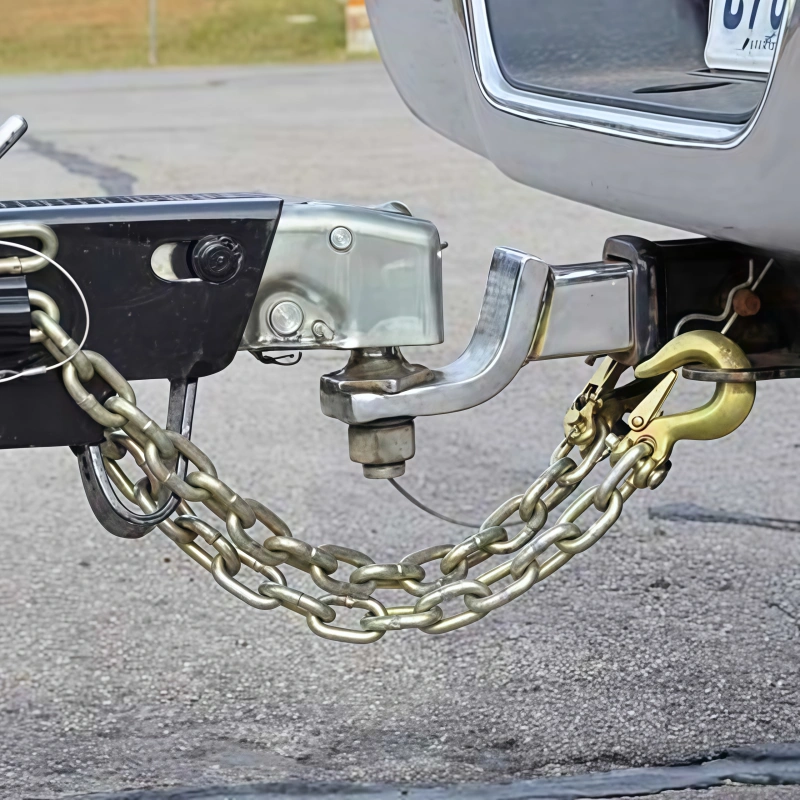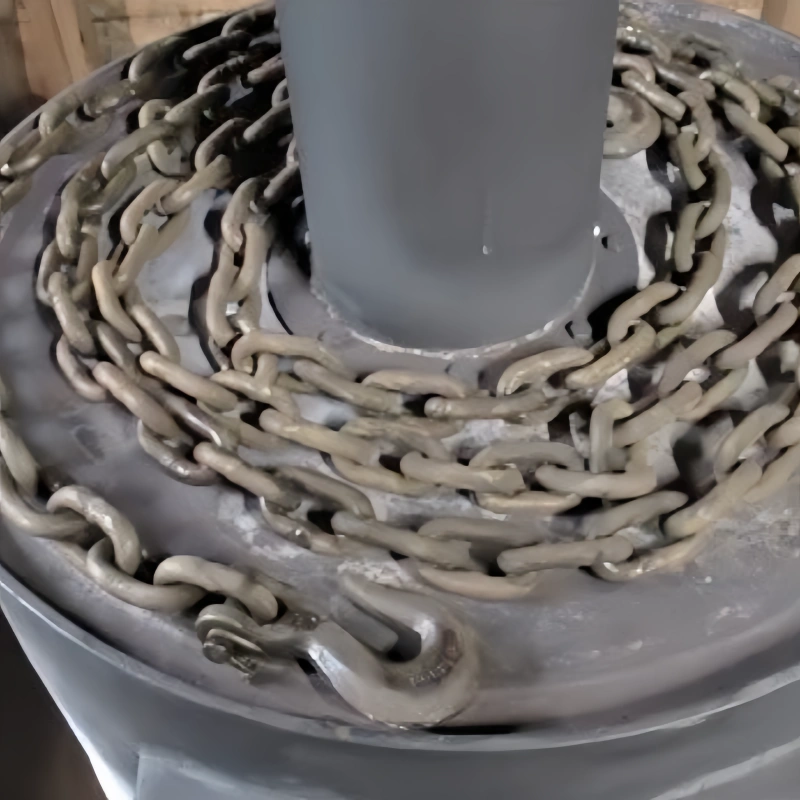
The main difference between shackles and chains lies in how each connects and secures loads during lifting and rigging. You use shackles as strong connectors designed for tasks like lifting beams or moving machinery, while chains serve as flexible links for pulling, securing, or hoisting.
Understanding these differences improves safety and efficiency in industrial settings. Powerful Machinery provides certified shackles and chains trusted by professionals worldwide. Consider your specific application and load requirements when choosing between these components.
The global lifting shackles market reached USD 1.2 billion in 2023 and continues to grow, especially in the construction and oil and gas industries.
Industry experts classify shackles by function, including D shackles for in-line tension and bow shackles for heavy-duty lifting.
Key Takeaways
Shackles serve as strong connectors for lifting and rigging, while chains provide flexible links for pulling and securing loads.
Choose the right type of shackle based on your application: Dee shackles for straight pulls and Bow shackles for multi-directional loads.
Always inspect shackles and chains for damage before use to ensure safety and maintain their working load limit.
Select shackles and chains that meet international safety standards to guarantee reliability in demanding environments.
Regular maintenance, including lubrication and cleaning, extends the lifespan of shackles and chains, ensuring optimal performance.
Shackles vs Chains: Definitions
What Is a Shackle?
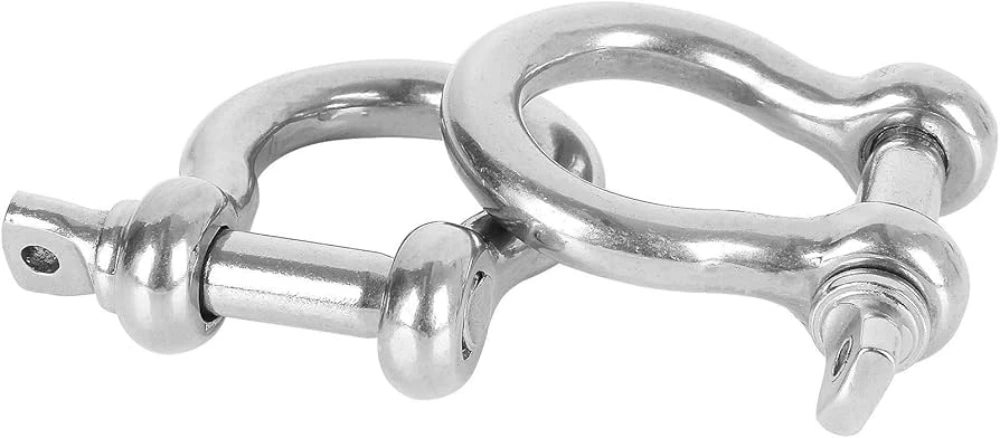
You use a shackle as a critical connector in lifting and rigging operations. A shackle links lifting equipment, slings, or loads together, creating a secure connection point. You often see shackles in construction, marine, and cargo handling industries.
Powerful Machinery offers shackles in various shapes, including Dee and Bow types, each designed for specific load requirements. You select a shackle based on the shape, closure type, and material. For example, you might choose a Dee shackle for straight-line pulls or a Bow shackle for multi-directional loads.
The drop-forged steel construction ensures that shackles withstand heavy loads and harsh conditions. You benefit from certified shackles that meet international safety standards, giving you confidence in every lift.
Tip: Always check the load rating and certification before using a shackle in your rigging setup.
When you use shackles, you improve safety and efficiency. You can rely on Powerful Machinery shackles for consistent performance in demanding environments. The secure pin or bolt closure prevents accidental release, making shackles ideal for critical lifting tasks.
What Is a Chain?
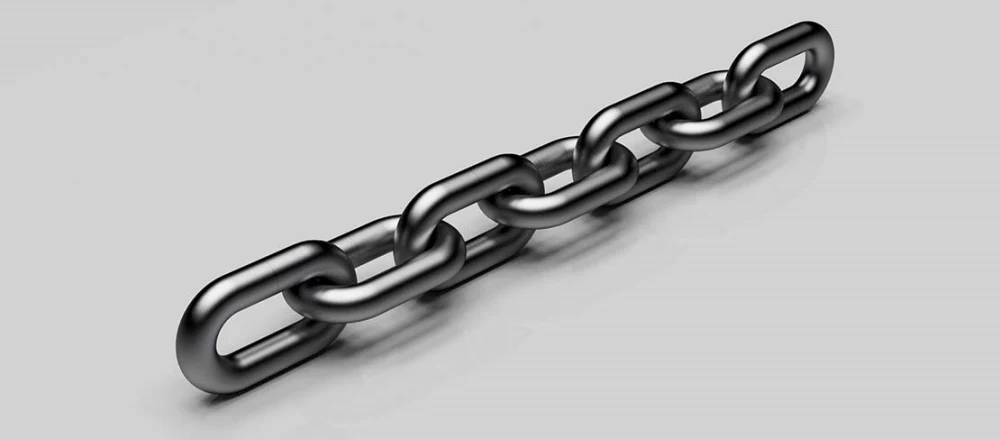
You use a chain as a flexible series of interconnected links. A chain handles pulling, securing, hoisting, or towing tasks. You find chains in industries such as transportation, construction, and marine.
Powerful Machinery manufactures chains with high-tensile strength, including Grade 80 and G100 lifting chains. You select a chain based on the required load capacity, length, and material.
Chains adapt to various shapes and loads, making them versatile for many applications. You might use a chain to secure cargo, lift heavy machinery, or anchor equipment.
Chains offer flexibility and strength for dynamic loads.
You can pair chains with shackles for enhanced rigging solutions.
Powerful Machinery chains meet strict international standards, ensuring reliability.
When you choose a chain, you gain a solution that adjusts to different angles and positions. You can trust Powerful Machinery chains to deliver durability and safety in every project. The robust design and certified quality make chains essential for industrial users.
Chain Shackle Types and Features
Dee (D) Shackles
You encounter Dee shackles as one of the most common types of shackles in industrial settings. This type of chain shackle features a D-shaped design that creates a strong, secure connection for straight-line pulls. Dee shackles work best when you need to connect a chain or wire rope in a compact space.
You often use these shackles for lifting, towing, or securing loads where clearance is limited. Powerful Machinery offers Dee shackles in various sizes, including 1/4”, 5/16”, 8mm, and 10mm, crafted from galvanized steel or stainless steel.
You benefit from certified products that meet international standards, ensuring safety and reliability.
Note: Always select the right size and material for your chain shackle to match your load requirements.
Bow Shackles
Bow shackles provide a U-shaped design with higher clearance, making them ideal for multi-directional loads. You use bow shackles when you need to connect multiple chains or slings to a single anchor shackle. These types of shackles distribute force more evenly, which increases the working load limit.
You find bow shackles especially useful in lifting, rigging, towing, and anchoring applications. Powerful Machinery supplies bow shackles that meet strict safety certifications, giving you confidence in demanding environments. You can rely on these shackles for durability and performance.
Feature | Dee (D) Shackles | Bow Shackles |
|---|---|---|
Shape | D-shaped design | U-shaped design |
Clearance | Lower clearance, compact design | Higher clearance, accommodates multiple connections |
Strength | Generally lower Working Load Limit (WLL) | Generally, higher WLL due to load distribution |
Space Requirements | Ideal for limited space and flush connections | Suitable for angular loads and multiple connections |
Applications | Preferred for strong, secure connections | Preferred for lifting, rigging, towing, and anchoring with multiple connections |
Chain Shackle Materials
You choose chain shackles based on the material to match your application and environment. Galvanized steel offers excellent strength and corrosion resistance, making it suitable for outdoor and marine use. Stainless steel provides superior durability and resists rust, which is essential for harsh conditions.
Powerful Machinery manufactures chain shackles in both materials, ensuring you get the right solution for your needs. You find D chain shackles available in multiple sizes and types, allowing you to select the best option for your project.
Material | Sizes | Type |
|---|---|---|
Galvanized Steel | 1/4”, 5/16”, 8mm, 10mm | D chain shackle |
Stainless Steel | Various | D chain shackle |
You improve safety and efficiency when you select the correct chain shackle material. Powerful Machinery’s certified shackles guarantee performance and reliability in every lift. You can trust these products to meet the highest standards in construction, marine, and transportation industries.
Shackles vs Chains: Main Differences
Structure and Design
When you compare shackles vs chains, you notice clear differences in structure and design. A shackle features a U-shaped body with a pin or bolt closure. You use a shackle to create a secure, removable connection between rigging components.
Chains consist of a series of interconnected links that provide flexibility and strength. You rely on chains for tasks that require movement or adjustment of load position.
You select a chain shackle based on the shape and intended use. Dee shackles work best for straight-line lifting operations. Bow shackles handle multi-directional loads and offer higher clearance.
Powerful Machinery manufactures chain shackles in both Dee and Bow designs, ensuring you find the right fit for your rigging operations.
Note: The design of each chain shackle affects its suitability for different types of loads. Bow shackles excel with angled loads, while Dee shackles perform best with straight pulls.
Shackle Type | Suitability for Loads | Notes |
|---|---|---|
Bow Shackles | Multi-directional loads | Better for angled loads |
Dee Shackles | Straight-line lifting | Less effective for angled loads |
You also find chain shackles with bow-shaped designs for heavy-duty lifting operations using chain slings. The robust construction of the Powerful Machinery shackles ensures durability and reliability in demanding environments.
Function and Application
You use shackles vs chains differently in lifting operations and rigging operations. A shackle acts as a connector, allowing you to join slings, hooks, or other hardware. You can remove and reuse a shackle, making it ideal for temporary or adjustable setups.
Chains serve as flexible links that secure, lift, or pull heavy loads. You depend on chains for applications that require strength and adaptability.
Type | Description |
|---|---|
Shackles | U-shaped metal connectors that create removable connections between rigging components. |
Chains | Strong, flexible materials are used for securing and lifting heavy loads, especially in rugged environments. |
You choose a chain shackle when you need to connect chain slings to lifting equipment. Powerful Machinery offers certified chain shackles that meet international standards, giving you confidence in every lift.
You select chains for tasks such as hoisting, towing, or securing cargo. The versatility of chains makes them essential for many industrial applications.
Tip: Always match the right chain shackle or chain to your specific lifting operations to maximize safety and efficiency.
Load Capacity and Safety
You must consider the working load limit and safety when selecting between shackles and chains. Each chain shackle and chain has a rated working load limit that you must respect to prevent failure.
Powerful Machinery provides clear specifications for every product, helping you choose the right component for your rigging operations.
You follow strict safety standards when using shackles and chains. You inspect each shackle before use, checking for damage or wear. You select the correct shackle for the job, ensuring the pin is properly seated and secured. You center the load on the bow and make proper sling and hardware connections.
You account for sling angles, which affect tension on the shackle. You never replace the original pin, and you avoid extreme temperatures and chemical exposure. You always respect the working load limit to maintain safety.
Inspect Before Every Use: You check shackles for damage or wear before each use.
Select the Right Shackle for the Job: You choose the correct type for your application.
The Pin Must Be Properly Seated and Secured: You ensure the pin is installed correctly.
Center the Load on the Bow: You apply loads straight and centered.
Make Proper Sling and Hardware Connections: You connect components securely.
Account for Sling Angles: You calculate forces based on sling angles.
Never Replace the Original Pin: You use only the original pin.
Avoid Extreme Temperatures and Chemical Exposure: You protect shackles from harsh environments.
Always Respect the Working Load Limit: You never exceed the rated capacity.
Environmental factors also affect the performance of shackles vs chains. Continuous exposure to corrosive environments reduces tensile strength. You may see cracking or pitting in chains.
Constant stress from heavy loads increases these risks. Extreme temperatures can compromise the integrity of shackles and chains, leading to potential failure during lifting operations.
Corrosive environments reduce tensile strength.
Cracking and pitting may occur in chains.
Constant heavy loads increase wear.
Extreme temperatures can compromise integrity.
You rely on Powerful Machinery’s certified chain shackles and chains for superior safety and performance. You ensure every lifting operation meets international standards, protecting your team and equipment.
Uses of Shackles and Chains
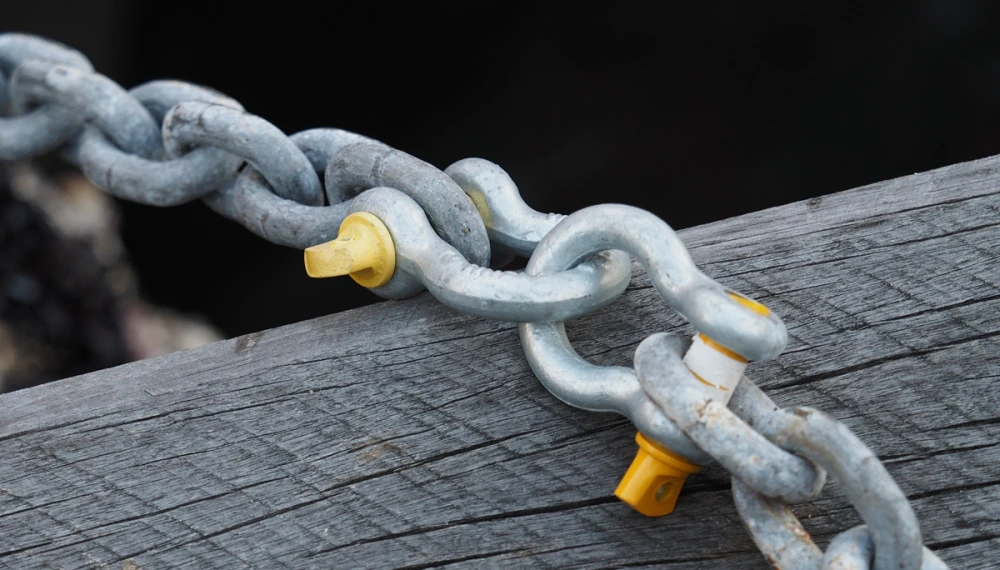
Industrial Applications
You rely on shackles and chains for essential lifting and rigging tasks in industrial environments. You use a shackle to connect slings, hooks, or wire ropes to heavy machinery. You select a chain for pulling, hoisting, or securing loads. You often see chain shackles in factories, warehouses, and manufacturing plants.
You choose the right shackle type to match the working load limit of your operation. You use shackles for towing, tie-down, and pulling applications. You depend on chains for the flexible securement of materials and equipment.
Powerful Machinery’s products deliver consistent performance, helping you maintain safety and efficiency in every load securement application.
You use shackles for lifting beams, engines, and industrial modules.
You select chains for moving heavy pallets and securing machinery.
You trust chain shackles for connecting lifting slings to cranes.
Note: Always verify the working load limit before using a shackle or chain in your rigging setup.
Marine and Cargo Handling
You encounter shackles and chains as critical components in marine operations. You use bow shackles for mooring, anchoring, and lifting tasks on ships and offshore platforms. You select chains to secure cargo and prevent shifting during transport.
You rely on chain shackles to connect ropes and chains for safe cargo handling. You see shackles used to stabilize containers and heavy loads on deck. Powerful Machinery’s certified shackles and chains withstand harsh marine environments, ensuring reliable, secure, and operational safety.
You use bow shackles for anchoring vessels and securing mooring lines.
You select chains for lashing cargo and preventing movement at sea.
You depend on chain shackles for connecting lifting gear in port operations.
Application | Shackle Type | Chain Type | Working Load Limit |
|---|---|---|---|
Mooring | Bow shackle | Marine chain | High |
Cargo Lashing | Chain shackle | Lashing chain | Specified |
Anchoring | Bow shackle | Anchor chain | Certified |
Construction and Transportation
You use shackles and chains to secure and move heavy equipment in the construction and transportation industries. You select a shackle to connect slings to cranes for lifting steel beams and concrete slabs. You rely on chains for stabilizing oversized loads and machinery during transit.
You trust chain shackles for forming strong connection points in rigging setups. You use transport chains for load securement applications, preventing cargo shifts and ensuring compliance with safety standards. Powerful Machinery’s products help you protect assets and maintain operational reliability.
You secure excavators and bulldozers with chains and shackles.
You stabilize steel coils and structural beams using chain shackles.
You transport industrial modules and oversized goods with certified chains.
Tip: Regularly inspect shackles and chains for wear to maintain the working load limit and ensure safe securement.
Advantages of Powerful Machinery Shackles
Strength and Durability
You demand maximum strength and durability when you select a shackle or chain for your lifting operations. Powerful Machinery shackles deliver unmatched strength because each shackle uses high-grade steel and advanced forging techniques. You can trust these shackles to handle heavy loads without deformation.
Every chain and shackle undergoes rigorous tensile testing to confirm strength under extreme conditions. You benefit from a robust design that supports repeated use in tough environments. The smooth finish on each shackle and chain allows for easy inspection and cleaning, which helps you maintain strength and reliability over time.
Product Type | Strength Features | Durability Benefits |
|---|---|---|
Shackle | High tensile strength, drop-forged steel | Withstands repeated heavy loads, resists wear |
Chain | Interconnected links, high load capacity | Flexible, adapts to various loads, long service life |
You see the difference in performance when you use Powerful Machinery shackles and chains for overhead lifting, cargo handling, or marine applications. The strength of each shackle and chain ensures your equipment stays secure and your operations run smoothly.
Safety Standards
You prioritize safety in every lifting or rigging task. Powerful Machinery shackles and chains meet strict safety standards, including ASME and OSHA requirements. These standards ensure each shackle and chain can handle specified loads without failure.
You gain peace of mind knowing that every shackle and chain passes magnetic particle testing to detect defects. Rigorous testing procedures reinforce your confidence in the safety and reliability of these products.
Standard | Impact on Safety |
|---|---|
ASME | Ensures shackles and chains handle rated loads safely |
OSHA | Regulates design and testing for accident prevention |
You protect your team and equipment by choosing shackles and chains that comply with international safety standards. You know that every shackle and chain from Powerful Machinery supports safe lifting operations, even in demanding environments.
Tip: Always inspect your shackle and chain before each use to maintain safety and strength.
Versatility in Rigging
You need versatile solutions for complex rigging scenarios. Powerful Machinery shackles and chains adapt to a wide range of applications. You use shackles for overhead lifting in warehouses, rail yards, and shipping terminals.
You rely on chains for securing cargo, towing, and anchoring in the marine and transportation industries. The stainless steel construction of each shackle and chain ensures durability, even in corrosive environments.
You benefit from a robust design that supports safe lifting, whether you handle heavy machinery or irregularly shaped loads.
Application Type | Description |
|---|---|
Industrial | Overhead lifting, secure connections in factories and terminals |
Marine | Lifting, rigging, and anchoring in corrosive environments |
Transportation | Cargo handling, load securement in ports, and distribution centers |
Recreational | Vehicle recovery, outdoor activities, showcasing adaptability |
You improve efficiency and safety by choosing shackles and chains that perform reliably in every scenario. The versatility of Powerful Machinery shackles and chains makes them essential tools for professionals who value strength, safety, and adaptability.
Choosing Between Shackles and Chains
Key Factors to Consider
When you make a shackle selection or choose a chain for your project, you must evaluate several important factors. You need to match the type of shackle or chain to your load and environment. The table below helps you compare key considerations for shackle selection and chain use:
Factor | Recommendation |
|---|---|
Shackle Type | Use bow shackles for multi-directional loads. Choose dee shackles for straight-line pulls. |
Working Load Limit | Select a shackle or chain with a working load limit equal to or greater than your maximum load. |
Pin Type | Use screw pins for temporary setups. Choose bolt-type pins for permanent, secure connections. |
Load Direction | Align loads with the centerline of the shackle. Reduce the working load limit for side loading. |
Material | Pick carbon or alloy steel for strength. Use stainless steel or galvanized for corrosion resistance. |
Standards Compliance | Verify that shackles and chains meet ASME, EN, or other international standards. |
Inspection | Check shackles and chains for damage, wear, and proper markings before each use. |
Powerful Machinery supports you with custom-engineered solutions. You can work with their engineers to design shackles or chains for unique applications. You receive guidance from consultation to production, ensuring your equipment fits your project needs.
Application Scenarios
You must select the right shackle or chain for each scenario. The table below shows how different situations influence your choice:
Factor | Description |
|---|---|
Maximum Weight Capacity | You must know the weight limit of each shackle and chain to prevent overload and maintain safety. |
Material Suitability | Galvanized steel shackles and chains resist rust and provide strength for outdoor use. |
Type of Pin | Screw pins allow quick changes. Bolt-type pins offer extra security for long-term connections. |
Powerful Machinery offers specialized shackles and chains for construction, marine, and transportation. You can request products with custom dimensions or materials for special projects.
Tip: Always match your shackle selection and chain choice to the specific load and environment for maximum safety.
Maintenance Tips
You keep your shackles and chains in top condition by following these maintenance practices:
Lubricate chains and shackles regularly to reduce friction and prevent rust.
Rotate your lifting equipment to distribute wear and extend lifespan.
Use padding or edge protectors when lifting sharp or abrasive materials.
Clean shackles and chains after every use to remove dirt and chemicals.
Schedule regular servicing and replace worn components according to manufacturer guidelines.
You maintain safety and performance by inspecting shackles and chains before each use. Powerful Machinery provides support for maintenance and replacement, helping you keep your rigging equipment reliable.
Conclusion
You see clear differences between a shackle and a chain in industrial applications. The table below highlights the main features:
Feature | Shackle | Chain |
|---|---|---|
Main Use | Secure connector for lifting | Flexible link for pulling |
Typical Shape | Bow or D | Interconnected links |
Markings | WLL, size, maker ID | WLL, grade, size |
Angle Tolerance | Bow handles angles well | Limited angle tolerance |
You must select the correct shackle for your load and environment. Choosing the right shackle or chain improves safety and efficiency. Powerful Machinery provides certified shackles and chain solutions trusted by professionals. You should consult a shackle expert for tailored advice. This step helps you plan safe lifts, reduce risk, and stay compliant with safety standards.
Tip: Always match your shackle to the job and consult a specialist for complex rigging needs.
FAQ
What is the main purpose of a shackle in lifting operations?
You use a shackle to connect lifting equipment, slings, or loads securely. This component creates a reliable link that supports safe lifting, rigging, and material handling in industrial environments.
How do you choose the right shackle for your application?
You select a shackle based on load capacity, shape, and material. Dee shackles work best for straight pulls. Bow shackles handle multi-directional loads. Always check certifications and match the shackle to your specific task.
Tip: Review the working load limit before each use.
Can you use a shackle in marine environments?
You can use a shackle in marine settings. Stainless steel and galvanized shackles resist corrosion, making them suitable for anchoring, mooring, and cargo handling on ships or offshore platforms.
How often should you inspect a shackle?
You should inspect a shackle before every use. Look for signs of wear, deformation, or corrosion. Replace any shackle that shows damage to maintain safety and performance.
Inspection Step | Action |
|---|---|
Visual Check | Look for cracks |
Pin Security | Ensure proper closure |
Markings | Confirm legibility |
What certifications should a shackle meet for industrial use?
You need a shackle that meets international standards such as ASME, OSHA, or EN. Certified shackles guarantee safety and reliability for lifting, rigging, and cargo operations.