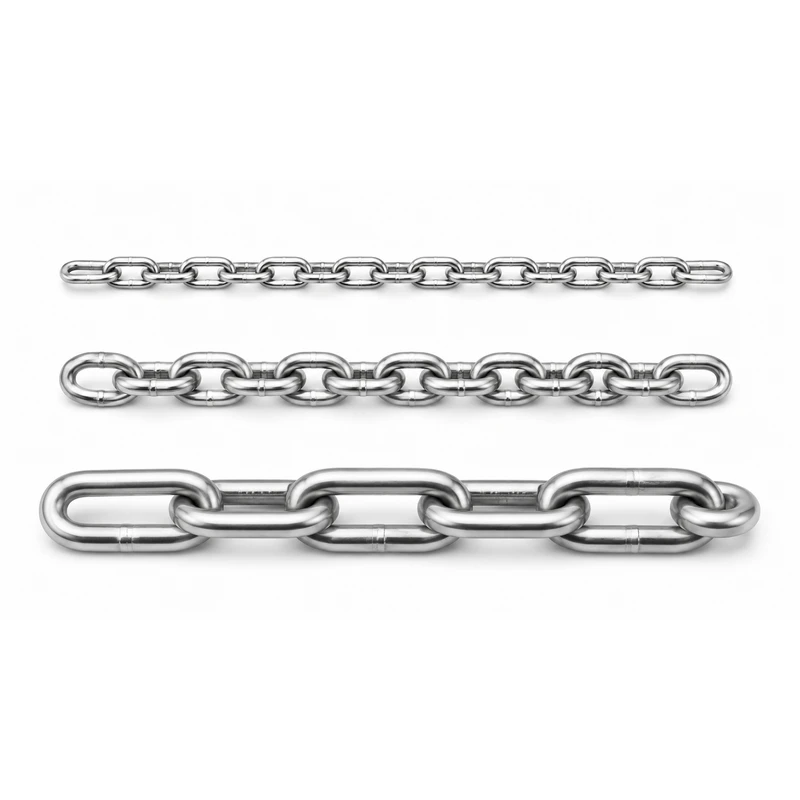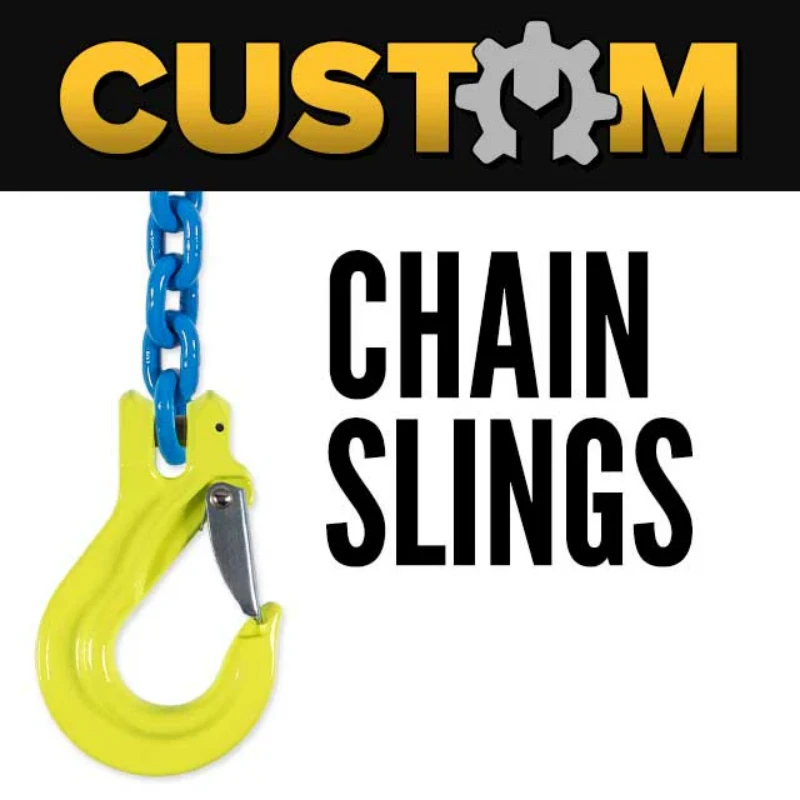
You must always match tow chain grades and working load limits to your towing needs for maximum safety. Tow chain grades indicate the strength and durability of towing chains.
Using the wrong grade can reduce performance, even if the chain seems strong. Check the grade and pick one that fits your job and equipment. The table below shows why this matters:
Chain Grade Use | Safety Impact |
|---|---|
Wrong chain grade | Limits towing performance, even if the chain looks strong |
Proper chain grade check | Ensures the chain fits the application and expected load |
Right grade selection | Matches job type, load, and equipment for safe towing |
Choose certified tow chains from Powerful Machinery to ensure reliable and verified performance.
Key Takeaways
Always match tow chain grades to your towing needs for maximum safety. Using the wrong grade can lead to performance issues.
Check the working load limit (WLL) of your chains. Never exceed this limit to prevent accidents and equipment failure.
Inspect your tow chains before each use. Look for signs of wear, rust, or damage to ensure safe towing operations.
Choose certified chains from reputable manufacturers like Powerful Machinery. This guarantees reliability and compliance with safety standards.
Use two safety chains for every towing setup. Cross them under the trailer to create a cradle in case of disconnection.
Tow Chain Grades Explained
What Are Tow Chain Grades?
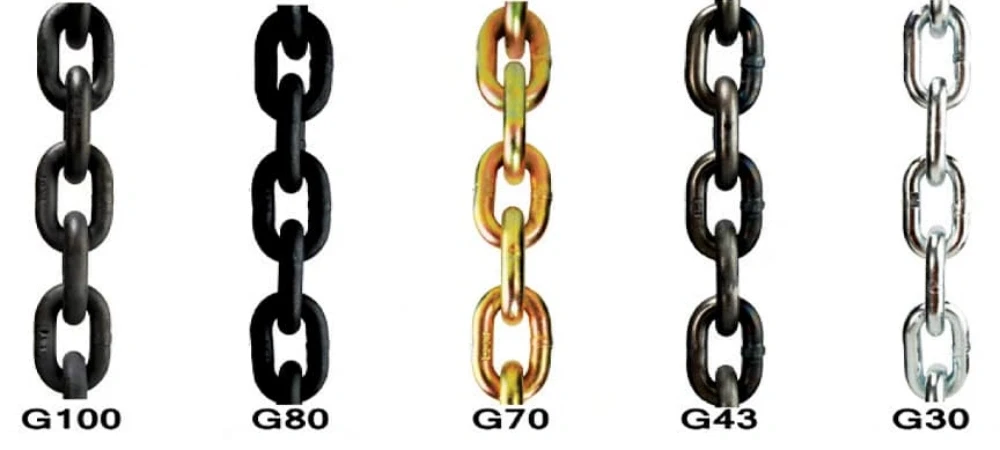
When you select towing chains, you need to understand tow chain grades. These grades show the strength, durability, and intended use of each chain. Manufacturers assign chain grades based on the minimum tensile strength and ultimate breaking force.
Higher numbers mean greater strength. You can find these grades stamped on the links, such as G43, G70, G80, or G100. Always check for clear markings and ask for documentation to confirm the grade before use.
Powerful Machinery stands out as a leading manufacturer of certified towing chains. The company follows strict international standards, including NACM, ISO, and ASTM.
These standards ensure that every chain meets safety and performance requirements. You can trust Powerful Machinery for verified load ratings and consistent quality.
Tip: Always look for the manufacturer’s logo, batch number, and grade stamp on your towing chains. This helps you verify authenticity and safety.
Grade Comparison: G30, G43, G70, G80, G100
Tow chain grades differ in material, strength, and application. The table below compares the most common grades you will see:
Chain Grade | Design Factor | Working Load Limit (WLL) | Material Type | Overhead Lifting Rating | Typical Application |
|---|---|---|---|---|---|
3:1 | 1,300lb – 6,900lb | Low-strength carbon steel | No | Light pulling, barriers, fencing | |
3:1 | 2,600lb – 13,000lb | Carbon steel | No | Securing, heavy pulling, animal chains | |
4:1 | 3,150lb – 15,800lb | High-strength carbon steel | No | Transport tie-down, legal load securing | |
4:1 | 3,500lb – 18,100lb | High-tensile alloy steel | Yes | Overhead lifting, slings | |
G100 | 4:1 | 4,300lb – 22,600lb | High-grade alloy steel | Yes | Heavy lifting, premium slings |
You should match the grade to your towing needs. For example, G30 works for light-duty jobs, while G70 is best for transport and legal load securing. G80 and G100 are suitable for overhead lifting and the most demanding tasks.
Powerful Machinery provides towing chains in G43 and G70, with verified load ratings and full certification. This gives you peace of mind for every towing operation.
International standards like OSHA, ASME, and NACM set the rules for chain grades and safety. Powerful Machinery’s certifications guarantee that your towing chains meet these requirements, so you can tow with confidence.
Choosing Towing Chains
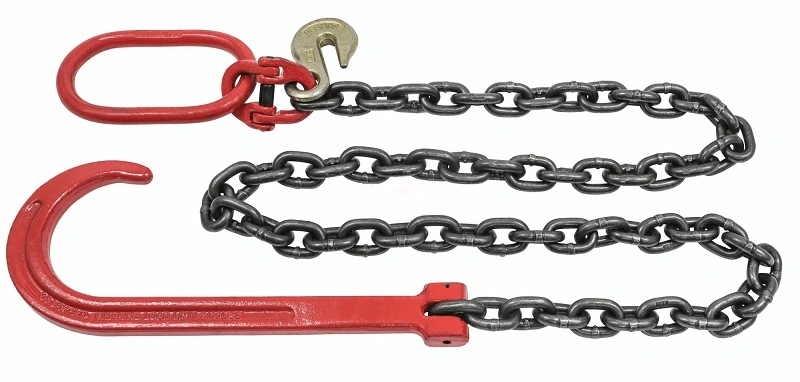
Assessing Vehicle Weight and Load
You must start by knowing the total weight of your vehicle and the load you plan to tow. Accurate weight assessment is the foundation of safe towing. If you underestimate the weight, you risk equipment failure and unsafe conditions.
Tow truck operators often face heavy loads, so you need chains that are suitable for towing and can handle the demands of your applications.
When you choose a tow chain, always check the gross vehicle weight rating (GVWR) and the combined weight of the trailer and cargo. Select a chain with a working load limit that meets or exceeds this total.
For heavy-duty towing, Powerful Machinery offers chains designed for heavy loads and challenging environments. These chains provide verified breaking strength and consistent performance, making them ideal for heavy load securement.
Common mistakes in this step include:
Using undersized chains that do not match the working load limit.
Mixing chain grades, which creates uneven stress and weak points.
Skipping regular inspections, which can hide cracks or wear.
Tip: Always inspect your chains before each use. Replace any chain that shows signs of wear, rust, or damage.
Working Load Limit and Safety
The working load limit is the maximum force a chain can safely handle during normal operations. You must never exceed this limit. The working load limit is set well below the chain’s breaking strength to protect you and your equipment.
Surpassing the working load limit can lead to chain stretching, cracking, or even breaking. This puts your towing operation and equipment lifespan at risk.
Key safety points to remember:
Exceeding the working load limit can cause catastrophic failures and injuries.
The working load limit ensures safe towing, even with heavy loads.
Regular inspections and strict adherence to guidelines help maintain safety and extend equipment life.
When you select chains, match the grade, diameter, and hook style to your towing requirements. For example, a G70 chain with a grab hook is suitable for towing and securement of heavy loads, while a G43 chain may fit lighter applications.
Powerful Machinery tow chains come in various grades and diameters, with customizable hook styles like grab hooks, slip hooks, and J hooks. This flexibility allows you to choose the best combination for your specific applications.
Choosing the right chain-and-hook combination prevents dropped loads, failed inspections, and costly downtime. Proper sizing and selection of hooks prevent load slippage and side-loading, which can compromise safety.
Never pair a lower-grade hook with a higher-grade chain, as the weaker component will become the failure point.
Legal and Industry Standards
You must follow legal and industry standards when selecting towing chains. These standards ensure your equipment meets safety requirements and passes inspections. Powerful Machinery manufactures tow chains that comply with major international standards, giving you confidence in every towing job.
Here is a summary of key standards for tow chain manufacturing and certification:
Standard | Description |
|---|---|
ISO 1834 | Covers short link chains for lifting purposes, specifying general conditions of acceptance. |
ASTM A391/A391M | Specifies requirements for Grade 80 alloy steel chains used in lifting applications. |
ASTM A413/A413M | Covers carbon steel chains, including Grades 30, 43, and 70, outlining chemical composition and mechanical property minimums. |
You should always use chains that meet or exceed these standards. This ensures your towing chains are suitable for towing and securement in all professional applications. Tow truck operators rely on certified chains to avoid penalties and ensure public safety.
Customizable tow chain solutions from Powerful Machinery address unique towing challenges. Custom parts match vehicle dimensions for a perfect fit, improve safety, and allow for specialized setups. This adaptability is essential for commercial towing and heavy loads.
Note: Proper storage and maintenance also play a role in chain safety. Store chains in a dry, organized area and keep them lubricated to reduce wear.
By following these guidelines, you can select the right towing chains for your needs and ensure safe, reliable performance in every situation.
Step-by-Step Selection Guide
Identify Towing Needs
Start by evaluating your towing requirements. Consider the type of vehicle, the total weight you need to tow, and the environment where you will operate. These factors help you determine the right chain for your application. Use the table below to clarify what you should check:
Factor | Description |
|---|---|
Tensile Strength | Measures how much force a chain can withstand before breaking; higher grades handle more force. |
Working Load Limit (WLL) | Indicates how much work a chain can do before breaking; it varies based on the towing operation type. |
You should always match the chain’s working load limit to the gross vehicle weight and the load you plan to move. This step prevents overloading and ensures safe towing.
Select Chain Grade and Size
Choose the chain grade and size based on your towing needs. Industrial chain grades like G43, G70, G80, and grade 100 offer different working load limits. The table below shows the range for each grade:
Chain Grade | Working Load Limit Range |
|---|---|
G30 | 1,300 lb – 6,900 lb |
G43 | 2,600 lb – 13,000 lb |
G70 | 3,150 lb – 15,800 lb |
G80 | 3,500 lb – 47,700 lb |
G100 | 4,300 lb – 35,300 lb |
For example, g70 towing chains are ideal for transport and heavy-duty securement, while g80 tow chains and grade 100 chains provide higher strength for demanding environments.
Always select a chain with a verified load rating that meets or exceeds your requirements. Powerful Machinery offers OEM support and custom sizing to ensure you get the right fit for your job.
Check Accessories and Customization
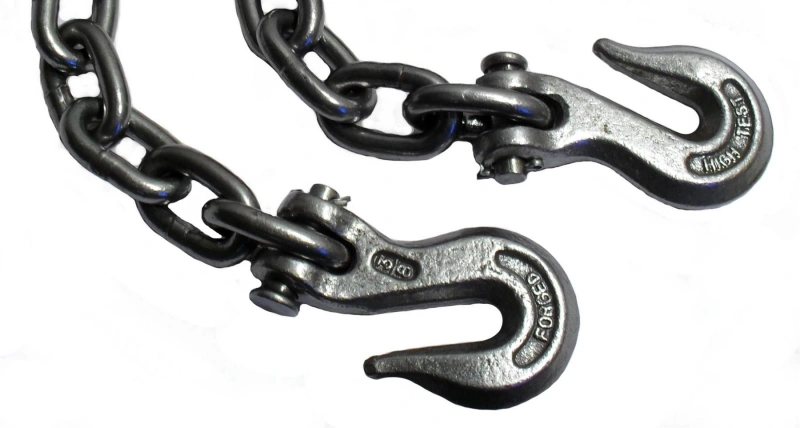
Accessories and customization options enhance safety and performance. You should use two safety chains for every towing setup. Cross them under the trailer’s yoke and hook them to the hitch loops. This setup creates a cradle if the trailer disconnects, preventing accidents.
Safety chains act as a backup if your trailer becomes disconnected from your tow vehicle. They help to keep the trailer from running off on its own down the road, potentially hurting someone. Most states require them.
Two safety chains should be used on every towing setup, including towing a vehicle behind your RV. Safety chains come in a variety of classes, and the capacity of each chain should exceed your gross trailer weight (GTW).
When attaching safety chains, remember to cross the chains underneath the hitch and coupler to create a cradle for the coupler in the event of a disconnection.
Replace old, damaged, or missing safety chains.
Make sure chains are not too long or too short.
Inspect safety chains regularly.
You can also customize your tow chain assemblies with different hook styles, lengths, and branding. Powerful Machinery provides expert advice and custom solutions to match your exact towing needs. Consult their team for guidance on the best accessories and configurations for your application.
Conclusion
Selecting the right tow chain grade keeps your towing operation safe and compliant. You must always check the working load limit, vehicle weight, and legal standards. Industry studies show that 58% of operators violate safety chain rules, often leading to costly penalties:
Key Aspect | Details |
|---|---|
Importance of Compliance | Following regulations prevents violations and ensures safe towing. |
Violation Statistics | 58% of operators risk fines by using incorrect safety chains. |
Certified tow chains from Powerful Machinery deliver proven reliability, rigorous testing, and full customization. You reduce accidents, lower replacement costs, and ensure every tow meets the highest safety standards.
FAQ
What grade tow chain should you use for most towing jobs?
You should use G43 or G70 tow chains for most towing and transport tasks. These grades offer high strength and durability. Always check the working load limit to match your vehicle and cargo weight.
How do you verify a tow chain’s grade and load rating?
Look for grade stamps on the chain links. Check for the manufacturer’s logo and batch number. Request certification documents from your supplier. Powerful Machinery provides verified load ratings and full documentation for every tow chain.
Can you customize tow chains for special towing needs?
Yes, you can request custom lengths, hook styles, and branding. Powerful Machinery offers OEM support and custom assemblies. You get chains tailored to your exact requirements for safety and performance.
How often should you inspect your tow chains?
You should inspect your tow chains before every use. Look for wear, rust, cracks, or deformation. Replace any damaged chains immediately to maintain safe towing operations.
Where can you buy certified tow chains?
Supplier | Features |
|---|---|
Powerful Machinery | Certified grades, verified load ratings, customization, and global delivery |
You can visit Powerful Machinery’s website to order certified tow chains.