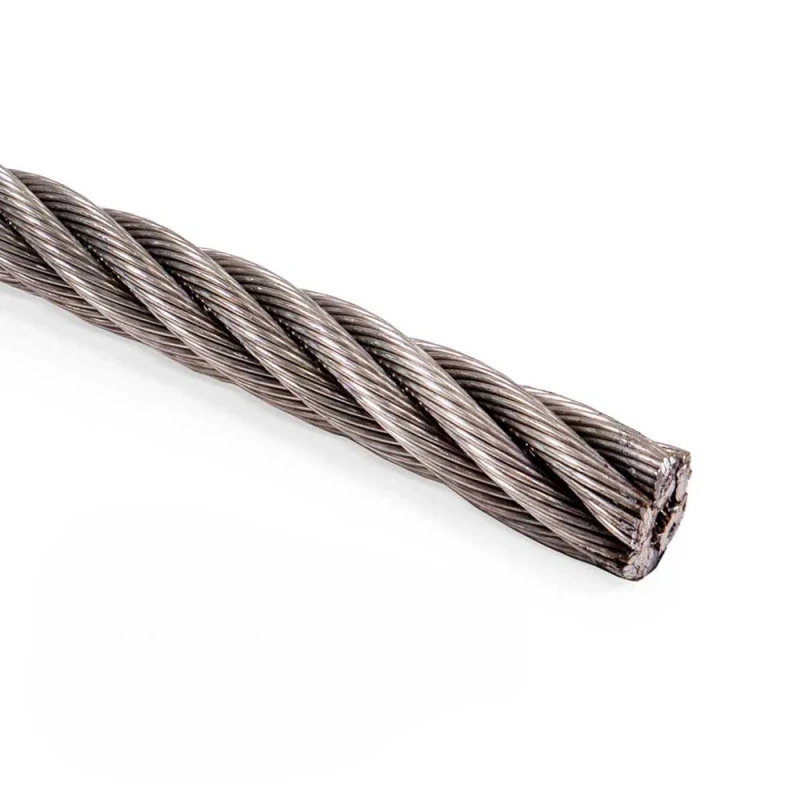
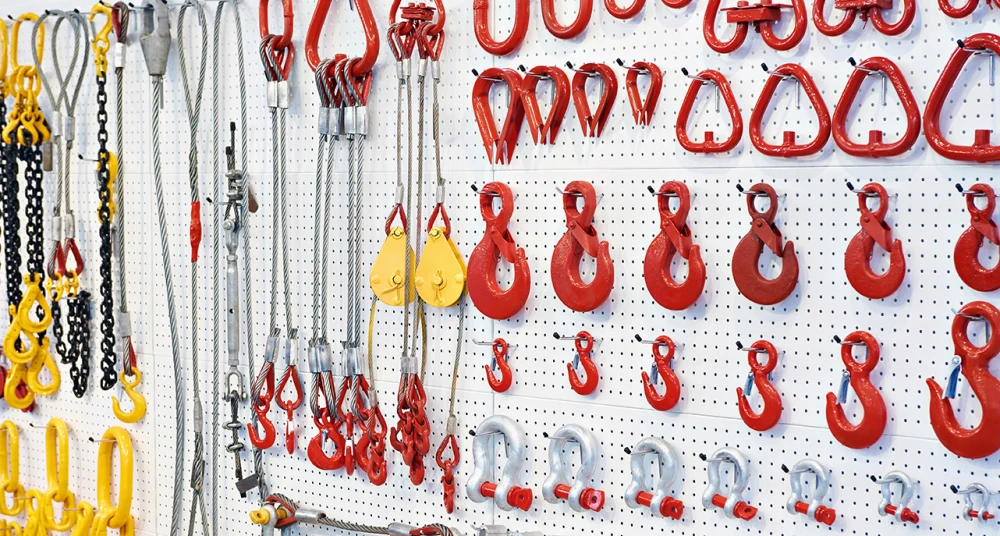
When you work with heavy loads, understanding the main types of rigging is essential for safety and efficiency. The most common rigging components include:
Slings
Shackles
Hooks
Eyebolts and hoist rings
Turnbuckles
Choosing the right Rigging Types and Applications helps you secure loads, streamline lifting, and reduce risks on the job site. Proper rigging keeps your team safe and increases productivity.
Key Takeaways
Understand the main rigging components like slings, shackles, and hooks to ensure safe lifting operations.
Regularly inspect all rigging equipment for damage or wear to maintain safety and performance.
Choose the right rigging type based on load, environment, and application to enhance efficiency and reduce risks.
Follow strict safety principles and industry standards to protect your team and equipment during lifting tasks.
Consult with experts like Powerful Machinery for tailored rigging solutions and compliance with safety regulations.
Rigging Overview and Categories
What Is Rigging?
Rigging refers to the system of equipment and techniques you use to lift, move, or secure heavy loads. You encounter rigging in many industries, each with its own definition and challenges.
For example, in maritime settings, rigging connects cranes to cargo and faces saltwater exposure. In construction, rigging involves components that lift and secure materials, meeting strict safety standards. Entertainment professionals use rigging to set up stages and lighting, adapting to unique spaces and tight schedules.
Industry | Definition of Rigging | Unique Challenges |
|---|---|---|
Maritime | Crane rigging forms the mechanical link between lifting equipment and loads. | Saltwater exposure, dynamic loading from waves, and limited access for inspection or repair. |
Construction | Various rigging components are used for lifting and securing loads. | Must meet strict safety standards and undergo regular inspection. |
Entertainment | Rigging is used to set up stages, lighting, and sound systems for events. | Adapting to tight schedules, unique spaces, and ensuring safety for performers and audiences. |
Tip: You should always match your rigging system to the demands of your industry and environment.
Standing and Running Rigging
You will find two main categories in the types of rigging: standing rigging and running rigging. Standing rigging provides structural support and remains fixed, while running rigging controls and adjusts moving parts. The table below highlights key differences:
Feature | Standing Rigging | Running Rigging |
|---|---|---|
Function | Provides structural support to the mast | Controls and adjusts the sails |
Material | Stainless steel wire or rod | Synthetic rope |
Characteristics | Fixed in place, does not move | Dynamic, frequently adjusted |
Components | Shrouds, stays, spreaders | Halyards, sheets, control lines |
Maintenance | Regular inspection, periodic replacement | Frequent inspection, more replacements |
You need to inspect both types regularly to maintain safety and performance.
Rigging in Key Industries
Rigging plays a vital role in several industries. You rely on rigging to lift, move, and secure loads in construction, oil and gas, manufacturing, and transportation. The table below shows how rigging supports each sector:
Industry | Primary Applications |
|---|---|
Construction | Lifting heavy loads |
Oil and Gas | Moving equipment and materials across challenging terrains |
Manufacturing | Safe lifting operations for large machinery or heavy equipment |
Transportation and Logistics | Moving goods and equipment efficiently |
You must understand the types of rigging and their applications to choose the right system for your project.
Types of Rigging and Applications
Understanding the main types of rigging and applications helps you select the right system for your lifting needs. Each rigging type offers unique features and benefits for different operations. You must evaluate the load, environment, and project requirements before choosing the best rigging components.
Rope Rigging
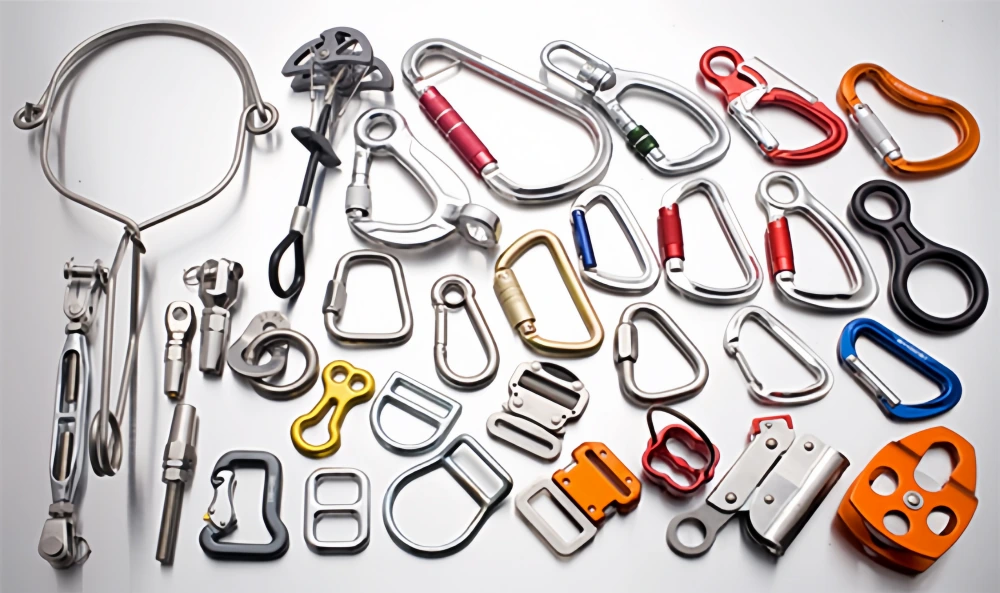
Rope rigging remains one of the oldest and most versatile techniques in the industry. You use rope for a wide range of rigging operations, from simple lifts to complex multi-point hitches. Natural fiber rope once dominated the field, but today, you rely on advanced synthetic and wire rope for greater strength and durability.
Sling Type | Features | Load Capacities |
|---|---|---|
Wire Rope Slings | Resist heat and abrasion, suitable for heavy industrial lifting | Rated capacity is influenced by factors like Working Load Limit (WLL) and sling angle. |
Synthetic Slings | Lightweight, flexible, gentler on loads, but vulnerable to cuts and heat | Generally, lower load capacities compared to wire rope, depending on material and design. |
You often use rope rigging in construction, marine, and entertainment applications. Rope excels in situations where flexibility and ease of handling are critical. You can tie a variety of hitches, such as the bowline or clove hitch, to secure loads or create anchor points.
Rope rigging also supports quick adjustments during operations, making it ideal for dynamic environments.
Wire Rope Rigging
Wire rope rigging stands out for its strength and reliability in heavy lifting operations.
You choose wire rope when you need to handle large loads, resist abrasion, and maintain performance under tough conditions. Wire rope consists of multiple strands of steel wire twisted together, creating a robust and flexible lifting solution.
Wire rope slings offer several advantages:
Lightweight hardware for lifting heavy loads.
Suitable for specific applications where weight is a critical factor.
Reliable for heavy, repetitive lifts.
Designed to work well with standard rigging hardware.
However, you must consider some limitations. Wire rope cannot easily be repaired and must be removed from service if damaged. It is susceptible to abrasion, kinking, and crushing, which can reduce capacity. You should avoid using wire rope in high-temperature or corrosive environments.
You find wire rope rigging in construction, transportation, and manufacturing operations. It supports a wide range of rigging types and applications, including basket hitch, choker hitch, and vertical hitch configurations.
You rely on wire rope for both standing and running rigging components, ensuring safe and efficient lifting.
Synthetic Rigging
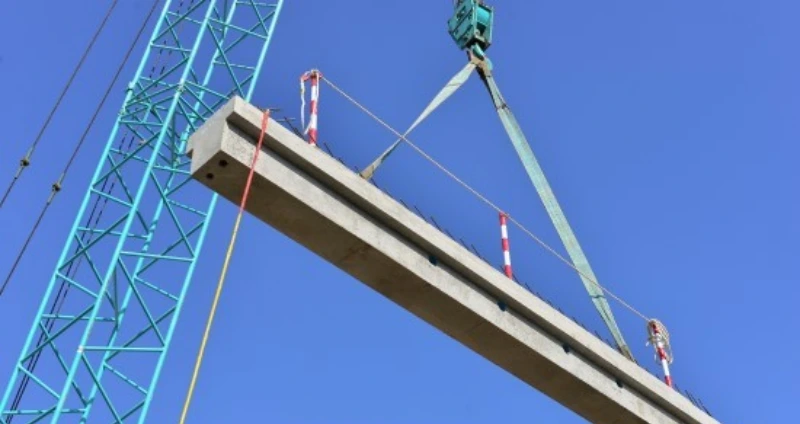
Synthetic rigging has transformed modern lifting operations with its lightweight and flexible properties. You use synthetic slings made from materials like polyester and nylon, which offer unique mechanical characteristics.
Material | Stretch at Rated Capacity | Chemical Resistance | Temperature Limits |
|---|---|---|---|
Polyester | Approximately 3% | Resistant to acidic environments | -40°F to 194°F |
Nylon | 8-10% | Resistant to aldehydes and ethers | -40°F to 194°F |
Synthetic rigging is gentle on delicate loads and easy to handle, making it a popular choice for many applications. You often use synthetic slings in construction, entertainment, and event rigging operations. In theatrical performances, you rely on synthetic rigging to change sets and enable aerial stunts safely.
Concerts and events use synthetic slings to suspend lighting and sound equipment, enhancing the audience experience. In movies and TV programs, synthetic rigging facilitates camera movement and stunt execution, ensuring both safety and creative flexibility.
You must inspect synthetic rigging regularly, as it is vulnerable to cuts and heat. You should avoid using synthetic slings in high-temperature or abrasive environments.
Chain Rigging
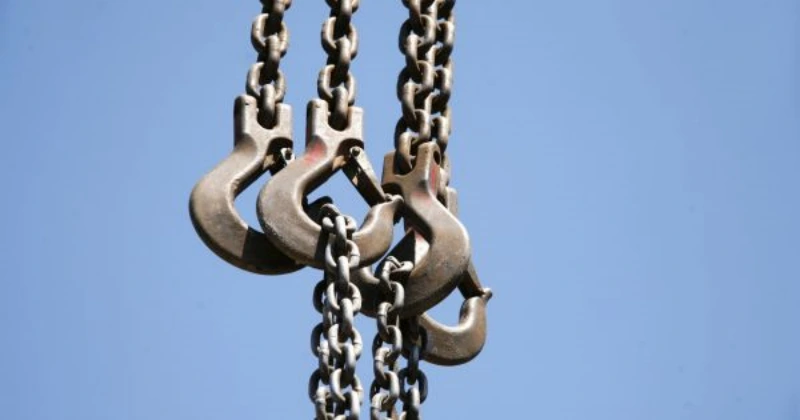
Chain rigging delivers unmatched durability and strength for the most demanding lifting operations. You use chain slings when you need to handle rough loads, high temperatures, or abrasive conditions. Chain rigging components, such as hooks, master links, and couplers, provide reliable performance in harsh environments.
You benefit from chain rigging in construction, manufacturing, and cargo handling applications. Chain slings are exceptionally strong and durable, especially in high-temperature and rough load conditions. Wire rope slings provide a balance of strength and flexibility, often at a lower cost per lift compared to chain slings.
Synthetic slings are lighter and require less maintenance but may not perform well in high-temperature or abrasive environments.
You must follow strict safety standards when using chain rigging:
Never load rigging equipment beyond its recommended safe working load.
Inspect all slings and attachments daily for damage or defects.
Proof-test special lifting accessories to 125% of their rated load before use.
Ensure identification tags are present, detailing size, grade, rated capacity, and reach.
OSHA 1910.184 and ASME B30.9 regulate safe operating practices for chain slings. You must know the load weight and ensure the rated load of the sling is not exceeded. Rigging equipment must have legible identification markings and be inspected before each use.
Powerful Machinery’s Rigging Solutions
You can trust Powerful Machinery for certified, high-performance rigging solutions across all major industries. With over 20 years of experience, Powerful Machinery offers a comprehensive range of rigging components, including lifting chains, wire rope, and hardware accessories.
The company’s products are certified by leading international bodies, such as ISO9001, ISO14001, and TUV Rheinland, ensuring they meet or exceed global safety and quality benchmarks.
Product Type | Description |
|---|---|
Foundry Hooks & High-Temp Fittings | Specialized hooks engineered for high-temperature environments, maintaining structural integrity. |
High-Capacity Sling Components | Heavy-duty master links, couplers, and shackles for the heaviest lifting tasks. |
Below-the-Hook Lifter Components | Load-bearing shackles and eyebolts for plate clamps, coil tongs, and other specialized lifters. |
Heat-Treated Alloy Chains | Chains are designed to resist abrasion and thermal degradation in extreme conditions. |
IWRC Wire Ropes | Wire ropes are selected for superior strength and performance under challenging conditions. |
You benefit from custom-engineered solutions tailored to your project requirements. Powerful Machinery rigorously tests every product to exceed international standards, guaranteeing reliability in the toughest environments.
You can rely on their expertise for all rigging types and applications, from construction to marine and transportation operations.
Tip: Consult with Powerful Machinery’s experts to select the right rigging components and techniques for your specific lifting operations.
Essential Rigging Components
Hooks, Shackles, and Slings
You rely on hooks, shackles, and slings as the backbone of any rigging system. These components connect loads to lifting equipment and ensure safe movement. You must select the right hardware for each task and understand its rated capacities.
The table below shows common rigging hardware and its working load limits:
Rigging Hardware | Rated Load Capacity (WLL) |
|---|---|
Anchor Shackle | 9,500 lb (4.75 tons) |
Adjusted Shackle | 6,650 lb |
Each Sling Leg | 4,240 lb |
You should inspect all equipment for wear or damage before every use. You also need to calculate the load weight and center of gravity to choose the correct rigging components. Following industry safety standards and OSHA regulations protects everyone involved in lifting operations.
Rigging Configurations
You can use different rigging configurations to distribute weight and maintain control during lifts. Multi-leg chain slings spread the load across several attachment points. However, perfect equality in load distribution rarely happens.
The two-leg rule states that when you use a four-leg sling, you must rate it as if only two legs carry the full load. For three-leg slings, two legs usually bear most of the weight, while the third stabilizes the load. Understanding these configurations helps you maintain safety margins and prevent accidents.
Tip: Always check your rigging configurations and ensure you follow the correct rating rules for each setup.
Advanced Techniques
You face complex challenges in high-risk environments. You must understand the load before you create a lifting plan. A comprehensive plan keeps everyone informed and reduces the risk of mistakes.
Modern rigging uses advanced tools like IoT sensors and load moment indicators to monitor stress and equipment health in real time. The Two-Tension Rope System (TTRS) gives you better control and safety compared to older methods.
Major projects, such as moving tunnel boring machines or bridge sections, show how specialized techniques and careful planning make difficult lifts possible.
Note: Regular inspections and robust safety protocols are essential for every rigging operation. Qualified riggers with proper training ensure safe and efficient lifts.
Safety Principles and Rigging Selection
Core Safety Practices
You must follow strict safety principles when working with rigging. These principles protect you, your team, and your equipment. Regular inspection and proper training form the foundation of safe operations.
You should inspect all rigging hardware before each use and after any incident. Industry standards require several types of inspections to keep your rigging in top condition:
Inspection Type | Frequency/Details |
|---|---|
Initial Inspection | Upon receiving rigging hardware from the supplier or manufacturer. |
Daily Inspection | Every day for frequently used equipment. |
Periodic Inspection | Every twelve months, or more often in harsh conditions. |
Visual Inspection | Before each use, check for wear and tear. |
Competent Person Inspection | By a trained individual, frequency varies with usage. |
You must look for common issues such as broken wires, cracks, burns, or stretched links. Training helps you recognize these hazards and respond quickly. You should update your knowledge regularly to keep up with new technologies and regulations. Safety depends on your commitment to learning and following industry standards.
Choosing the Right Rigging
Selecting the correct rigging systems requires careful planning. You need to match the equipment to the load, environment, and application. Follow these steps to make the right choice:
Determine the load type and weight.
Assess environmental conditions, such as temperature, humidity, and chemical exposure.
Analyze lifting angles and how they affect the load.
Match equipment capacity to the job.
You must consider the unique features of each sling type:
Sling Type | Key Considerations |
|---|---|
Synthetic Web Slings | Lightweight and flexible; ideal for fragile surfaces; sensitive to cutting, heat, and chemicals. |
Synthetic Round Slings | Flexible; may hide internal damage. |
Wire Rope Slings | Rigid, temperature-resistant; can wear at sharp edges. |
Alloy Steel Chain Slings | Durable in harsh environments; heavy, may damage sensitive surfaces. |
Environmental factors also affect rigging performance. High temperatures can melt materials, while low temperatures make them brittle. Humidity causes corrosion, and UV exposure weakens synthetic fibers.
You must always select equipment from suppliers with a strong reputation for safety and reliability. This reduces the risk of accidents and ensures compliance with industry standards.
Powerful Machinery’s Commitment to Safety
You can trust Powerful Machinery to uphold the highest safety standards in every product and service. The company invests in comprehensive employee training and continuous improvement. User manuals, video courses, and on-site programs give you practical guidance for safe operation.
Certification programs validate your skills and help you meet safety principles. Powerful Machinery uses innovative tools like simulators and online platforms to make training effective and engaging. Every product meets or exceeds international standards, including ISO9001 and TUV Rheinland.
You benefit from a partner who values safety as much as you do, whether you use standing rigging, running rigging, or advanced lifting solutions.
Tip: Regular training and inspection keep your rigging safe and reliable. Always choose certified equipment and stay informed about the latest safety practices.
Conclusion
You have explored the main rigging types—such as shackles, hooks, wire ropes, chains, and slings—and their vital roles in lifting and securing loads. Industry experts stress the importance of using the right equipment and following safety principles, like confirming load weights and never standing under suspended loads.
When you consult certified professionals like Powerful Machinery, you gain access to risk identification, compliance audits, and expert coaching, all of which help you achieve safe and efficient lifting operations.
FAQ
What is the most important safety check before using rigging equipment?
You must inspect all rigging hardware for visible damage, wear, or missing identification tags.
Tip: Always check for cracks, deformation, or corrosion before each use.
How do you choose the right sling for your lifting job?
You should consider the load weight, shape, and environment.
Use synthetic slings for delicate loads.
Choose chain slings for high temperatures or rough conditions.
How often should you inspect rigging components?
You need to perform a visual inspection before every use. Schedule a more detailed inspection at least once a year or more frequently in harsh environments.
Why trust Powerful Machinery for rigging solutions?
You benefit from certified products, expert support, and custom-engineered solutions. Powerful Machinery meets international safety standards and provides reliable equipment for demanding industries.