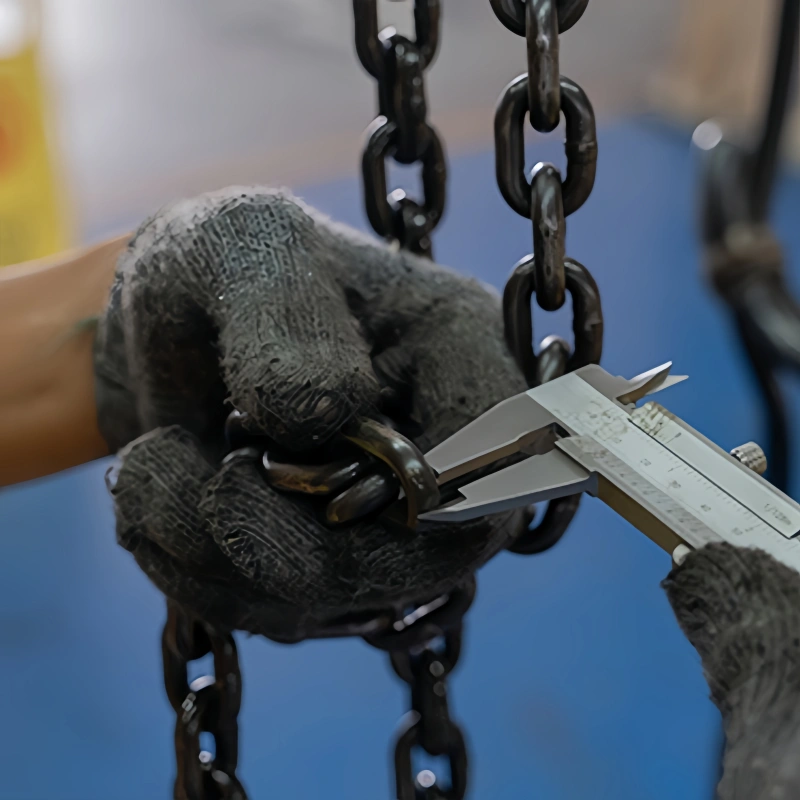
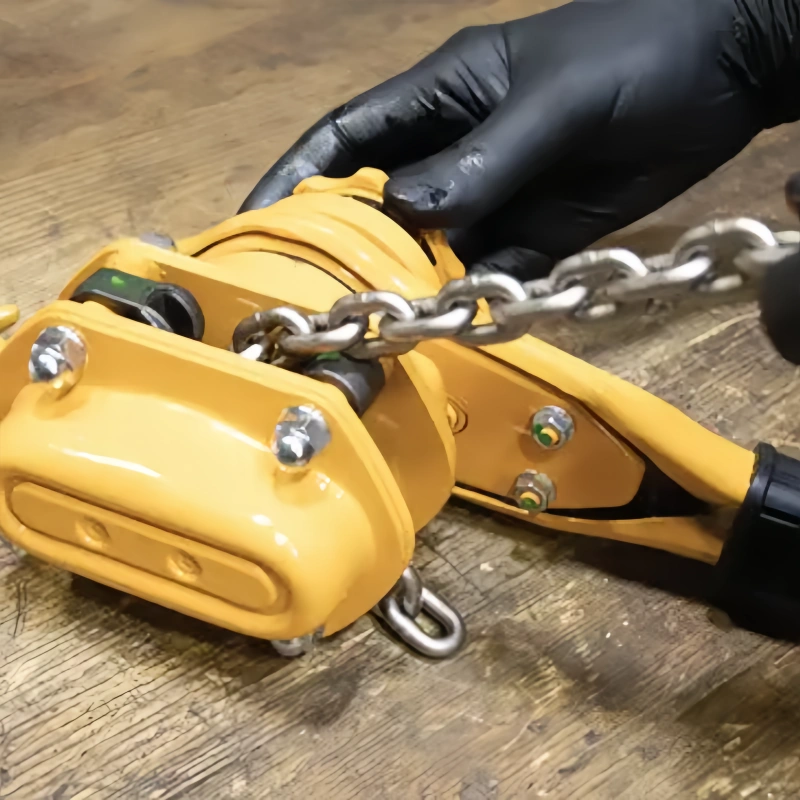
You use turnbuckles to adjust tension and secure loads in many applications. When you ask what turnbuckles are used for, you find they help stabilize structures, rigging, and cargo.
Powerful Machinery turnbuckles give you reliable performance in construction, marine, and industrial environments. You protect people and equipment by choosing certified products for critical projects.
Key Takeaways
Turnbuckles adjust tension in cables, ropes, and wires, making them essential for stabilizing structures in construction, marine, and industrial settings.
Choose turnbuckles made from durable materials like stainless steel to resist corrosion and ensure long-lasting performance in harsh environments.
Regularly inspect turnbuckles for wear and damage to maintain safety and prevent failures in critical applications.
Select the right type of turnbuckle (eye, hook, or jaw) based on your specific needs to ensure secure and effective connections.
Always follow safety guidelines when using turnbuckles, including checking load limits and ensuring proper alignment during installation.
What Are Turnbuckles Used For?
Main Applications
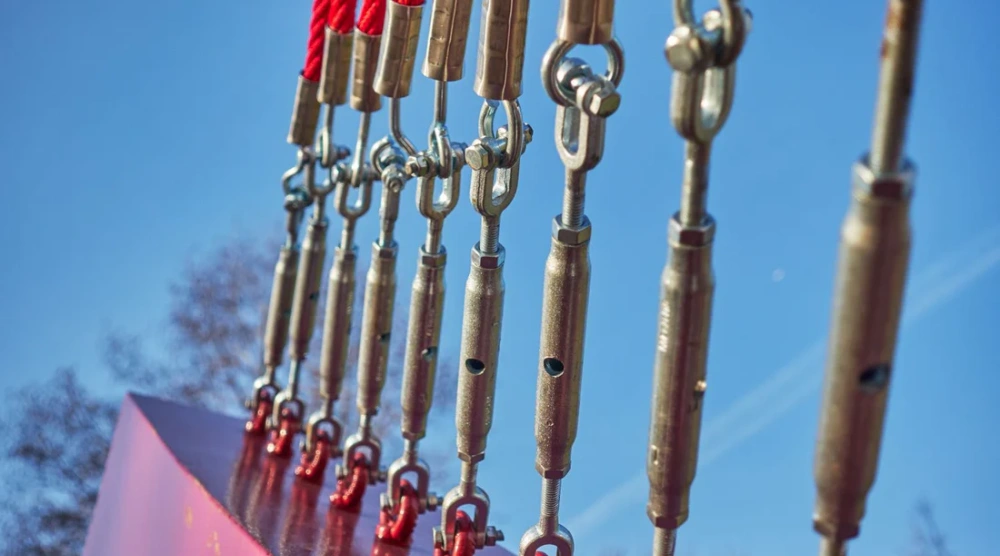
You often ask what turnbuckles are used for when you need to adjust tension and secure loads. A turnbuckle gives you control over the tightness of cables, ropes, and wires. You use these devices in many settings because they offer reliable tensioning capabilities.
In construction, you stabilize tall structures such as towers and bridges by tightening guy wires. You keep scaffolding frames secure and upright with precise adjustments. In marine environments, you rely on turnbuckles to control the rigging of sails and keep ropes taut.
You also use them to maintain the safety of cargo during transport. Industrial sites depend on turnbuckles to support fences and suspension bridges, ensuring that everything stays in place.
Tip: Regularly inspect your turnbuckles to maintain safety and prevent failures in critical applications.
You choose Powerful Machinery turnbuckles for their strength and reliability. These products meet international standards and provide peace of mind in demanding environments. You benefit from durable materials like stainless steel and drop-forged steel, which resist corrosion and wear.
You find turnbuckles in various sizes and designs, making them suitable for both heavy-duty and lighter tasks.
Industry Examples
You see turnbuckles in action across many industries. The following table shows where you use them and why they matter:
Industry | Application Description |
|---|---|
Construction | Stabilizes structures, secures scaffolding, and adjusts guy wires |
Marine | Tightens rigging, controls sail direction, secures cargo |
Trucking | Secures loads during transportation |
Fencing | Maintains tension in fence lines for agriculture |
Bridges | Supports cable tensioning in suspension bridges |
Cell Towers | Keeps wire cables taut for structural integrity |
Sports Entertainment | Tightens ropes in boxing and wrestling rings |
You use turnbuckles to keep cell phone towers stable by holding cables in place. You rely on them in agricultural settings to keep fence lines tight and upright. You see them in sports arenas, where they secure ropes in boxing and wrestling rings for athlete safety.
Powerful Machinery turnbuckles help you meet the highest safety standards in each of these industries.
When you ask what turnbuckles are used for, you discover their role in maintaining structural integrity and safety. You trust these devices to provide adjustable tension and support in every application. Powerful Machinery ensures that each turnbuckle delivers consistent performance, giving you confidence in your projects.
Turnbuckle Basics
How Does a Turnbuckle Work?
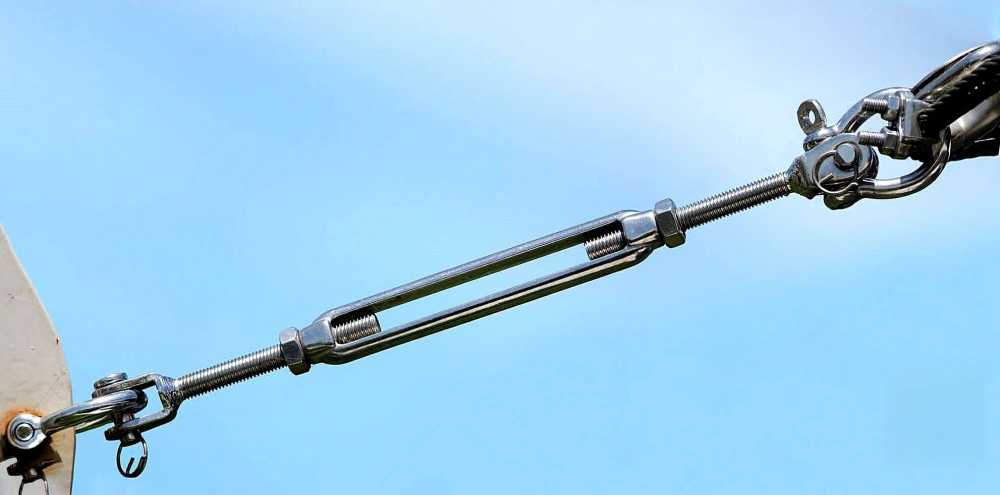
You use a turnbuckle to adjust the tension in cables, ropes, or rods. The basic mechanical principle relies on a threaded body and two end fittings. When you rotate the central frame, the threads move the end fittings either closer together or farther apart.
This action lets you tighten or loosen the connected components without twisting the cables themselves.
The turnbuckle has a threaded body that adjusts tension in cables or ropes.
The threads are oriented in opposite directions, causing the end fittings to move apart or together when the body is rotated.
This design allows for precise tension adjustments without twisting the attached cables or ropes.
Turnbuckles feature a metal frame and two threaded ends. You rotate the frame to control the tension. This design gives you precise control over how tight or loose the cables or ropes become.
You can make small adjustments to achieve the exact tension needed for your project. This ability helps you maintain safety and stability in construction, marine, and industrial settings.
Note: Always check the alignment of the threads before making adjustments. Proper alignment prevents damage and ensures smooth operation.
Key Features of Powerful Machinery Turnbuckles
You choose Powerful Machinery turnbuckles for their advanced features and reliable performance. The materials and design enhance durability and safety. The table below highlights the key specifications and benefits:
Feature/Specification | Description/Importance |
|---|---|
Compliance with safety standards | Ensures reliability and adherence to industry regulations. |
Corrosion-resistant materials | Increases lifespan and reduces maintenance needs. |
Certified load ratings | Guarantees that the turnbuckle can handle specified loads. |
Minimum tensile strength of 500 MPa | Ensures structural integrity under stress. |
Safety factor ≥ 5:1 under working load limits | Provides a margin of safety to prevent failure. |
Built-in locking mechanisms | Prevents accidental loosening during operation. |
Innovations like self-locking mechanisms | Enhances operational safety and reduces failure risks. |
You benefit from turnbuckles made with stainless steel or drop-forged steel. These materials resist corrosion and wear, making them suitable for harsh environments. Powerful Machinery turnbuckles meet international safety standards, giving you confidence in every application.
Built-in locking mechanisms and certified load ratings help you maintain safety and reliability, even in demanding conditions.
Types of Turnbuckles
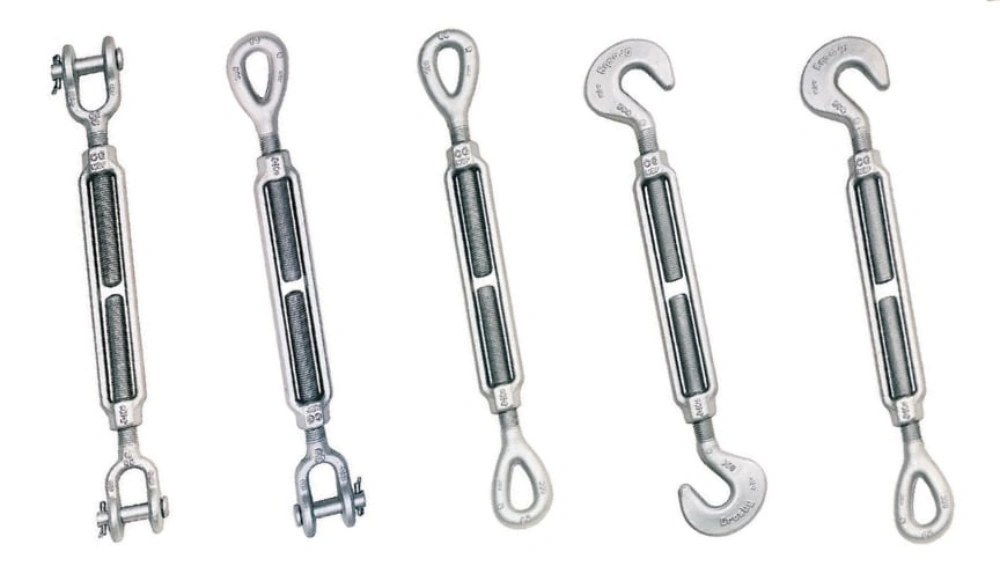
When you choose a turnbuckle, you need to understand the different types of turnbuckles available. Each type offers unique advantages for specific tasks. Powerful Machinery provides a wide range of options, so you can select the best fit for your project.
Eye, Hook, and Jaw Types
You often see three main types of turnbuckle end fittings: eye, hook, and jaw. Each design serves a different purpose. The table below helps you compare these types:
Turnbuckle Type | Description | Advantages | Limitations |
|---|---|---|---|
Eye/Eye | Both ends have solid loops for permanent connections. | Very secure, eliminates slippage risk. | May not suit all applications. |
Both ends have hooks for quick attachment and release. | Versatile, easy to use. | Not safe for lifting, risk of slippage. | |
One end has a jaw with a bolt and nut, the other an eye. | Added security, flexible connections. | Limited to specific attachments. | |
Hook/Eye | One end is a hook, the other an eye. | Quick adjustments, easy to attach. | The hook may come loose under tension. |
Jaw/Jaw | Both ends have jaws for unique attachments. | Equal tension, flexible use. | May need special components. |
You use eye end fittings for straight-line pulls and permanent connections. Jaw end fittings work best when you need a secure, long-term connection. Hook end fittings make temporary rigging easy, but you should avoid using them for lifting tasks.
Tip: Always match the end fitting to your application for maximum safety and reliability.
Specialty Turnbuckles for Heavy Duty
You may need specialty turnbuckles for heavy-duty jobs. Powerful Machinery offers models like DIN1480 stub ends and deck lashing turnbuckles. These products use stainless steel or drop-forged steel, which resist corrosion and wear. You can trust them in harsh environments.
Specialty turnbuckles meet strict international safety standards. You should inspect them regularly for corrosion and damage. Loads must be applied in-line to prevent side loading. Use jam nuts or lock wire to keep the turnbuckle from unscrewing during use. Remove any turnbuckle that shows excessive wear.
Specialty turnbuckles provide high strength for demanding tasks.
You find them in construction, marine, and cargo handling projects.
Powerful Machinery ensures each turnbuckle meets ISO, ASTM, and other global standards.
Note: Consult with the manufacturer if you work in extreme conditions. This helps you choose the right turnbuckle for your needs.
Turnbuckle Installation
Step-by-Step Guide
You want to know how to use a turnbuckle for safe and effective tensioning. Follow these steps to install a turnbuckle correctly:
Unscrew both end fittings from the body and extend them to their full take-up length.
Inspect the turnbuckle for any signs of damage or wear before installation.
Attach one end fitting to a stable anchor point. For an eye end, loop it through the securement point. For a hook end, place it around the temporary anchor. For a jaw end, unscrew the bolt, position the anchor between the clevis ears, then insert and tighten the bolt.
Connect the other end fitting to the cable, rope, or wire you want to tension. Use additional hardware if needed.
Gradually turn the turnbuckle body to bring the end fittings closer together. Adjust until you reach the desired tension in your cable or rope.
Tighten any nuts or locking mechanisms to secure the fittings and prevent loosening during use.
Use an appropriately sized wrench for adjustments. Avoid using a spud wrench or pry bar, which can damage the turnbuckle.
Tip: Always check that the anchor points are solid and the threads are properly aligned before applying tension.
Safety Tips
You need to follow safety guidelines when learning how to use a turnbuckle. These tips help you avoid common mistakes and keep your rigging secure:
Wear gloves and safety glasses when handling turnbuckles.
Only use heavy-duty turnbuckles rated for the load you plan to bear.
Never overload the hardware. Know the working load limits for each component.
Inspect turnbuckles before each use and check regularly for wear, corrosion, or damage.
Lubricate the hardware to reduce friction and prevent rust.
Use turnbuckle covers to protect against the weather when not in use.
Always use turnbuckles in straight, in-line applications. Avoid side loading.
Make sure all nuts, bolts, and pins are locked and fit the thread size of the end fitting.
Do not mix different-sized threads or mismatched components.
Secure end fittings to prevent snapback or accidental loosening.
Note: Over-tightening can strip threads or bend metal, weakening your rig. Regular inspections help you catch early signs of wear and keep your installation safe.
Choosing Turnbuckles
Factors to Consider
You need to select the right turnbuckle for your project. Several important factors help you make a safe and effective choice.
Load Capacity: Check the maximum load the turnbuckle can handle. Always choose a turnbuckle with a working load limit that exceeds your project’s requirements.
Material and Corrosion Resistance: Pick stainless steel or galvanized steel if you work in wet or corrosive environments. These materials resist rust and last longer.
Size and Thread Type: Make sure the turnbuckle fits your wire ropes and anchor points. The thread type must match your hardware for a secure connection.
Adjustability and Length: Decide how much tension adjustment you need. Longer turnbuckles offer more flexibility for tightening or loosening.
Safety Features: Look for lock nuts or self-locking mechanisms. These features prevent accidental loosening during use.
Application Specific Requirements: Follow any industry standards or regulations for your project.
Manufacturer and Quality: Choose turnbuckles from trusted brands like Powerful Machinery. High-quality products ensure reliability and safety.
Tip: Always inspect your turnbuckle before use. Check for signs of wear or damage to maintain safety.
The table below shows how load capacity influences your choice:
Factor | Description |
|---|---|
Working Load Limit (WLL) | The maximum load a turnbuckle can safely handle. |
Material Properties | The grade of steel or stainless steel affects strength. |
Manufacturing Process | Quality and reliability depend on how the turnbuckle is made. |
End Fittings | Type and size impact load distribution. |
Body Design | Open or closed design changes load handling capabilities. |
Safety Factor | Usually 4:1 or 5:1 for extra safety under load. |
Environmental Conditions | Corrosion and temperature can reduce effective WLL. |
Matching Turnbuckle to Application
You must match the turnbuckle specifications to your project’s needs. The table below helps you compare key factors:
Factor | Description |
|---|---|
Load Capacity | Choose a turnbuckle that supports your load with a safety margin. |
Material Suitability | Select materials based on your environment and application. |
Application Type | Use turnbuckles designed for construction, marine, or industrial projects. |
Environmental Factors | Consider temperature, humidity, and chemicals that may affect performance. |
You improve safety and reliability when you match the turnbuckle to your application. Powerful Machinery offers a wide range of certified turnbuckles. You find options for every industry, from construction sites to marine environments. Always review your project’s requirements before making a selection.
Note: The right turnbuckle keeps your project secure and helps you avoid costly mistakes.
Conclusion
You rely on Powerful Machinery turnbuckles for safety, reliability, and versatility in every project. The table below shows how these turnbuckles benefit different sectors:
Sector | Benefit |
|---|---|
Construction | Supports structural components and maintains tension, enhancing safety and project efficiency. |
Sports | Ensures the safety and stability of equipment, allowing athletes to perform confidently. |
Agriculture | Secures fencing and stabilizes crop trellises, ensuring the integrity of agricultural structures. |
Aviation | Holds components in place and adjusts tension in control cables, crucial for safety and functionality. |
Certified, high-quality turnbuckles give you long-term safety and reliability. Their strength and precise engineering help maintain structural integrity.
You extend turnbuckle life by following these practices:
Clean regularly to prevent corrosion.
Lubricate threads to reduce friction.
Inspect before each use.
Always choose turnbuckles with ISO and OSHA certifications for the best results.
FAQ
What materials do Powerful Machinery turnbuckles use?
You find Powerful Machinery turnbuckles made from stainless steel or drop-forged steel. These materials resist corrosion and provide high strength. You can use them in harsh environments without worrying about rust or wear.
How do you adjust a turnbuckle safely?
You rotate the central body to tighten or loosen the tension. Always check the alignment of the threads before making adjustments. Use a wrench for precise control.
Tip: Inspect the turnbuckle before each use to ensure safety.
Where can you use turnbuckles?
You use turnbuckles in construction, marine, transportation, and industrial settings. The table below shows common uses:
Application | Purpose |
|---|---|
Construction | Stabilize structures |
Marine | Secure rigging |
Transportation | Tie down cargo |
Fencing | Maintain tension |
How do you choose the right turnbuckle size?
You check the working load limit and match it to your project needs. Measure the cable or rope diameter. Select a turnbuckle with a safety margin above your required load.
You find size charts on the Powerful Machinery website for easy selection.