>
>
Chain Block Maintenance and Safety Essentials

Chain Block Maintenance and Safety Essentials

Chain Hoist Maintenance and Safety: Ensure reliable operation with daily inspections, certified equipment, and strict safety practices in industrial settings.
Table of Contents

You ensure safe lifting operations when you commit to regular chain block inspection, proper equipment selection, and strict safety standards. Industry data shows that these practices deliver real benefits:

  1. You maximize work efficiency by keeping chain blocks in top condition.

  2. You reduce the risk of personal injury through routine safety checks.

  3. You prevent load damage by maintaining chain block integrity.

Powerful Machinery delivers certified products and expertise to help you achieve the highest level of Chain Hoist Maintenance and Safety. Focus on daily checks, periodic inspections, and load testing to maintain reliability and protect your team.

Key Takeaways

  • Regular inspections of chain blocks before each use prevent accidents and ensure safety.

  • Proper operator training enhances skills and awareness, leading to safer lifting operations.

  • Adhering to industry standards and using certified equipment reduces the risk of equipment failure.

  • Implementing daily maintenance practices, like lubrication and cleaning, extends the lifespan of chain blocks.

  • Selecting the right chain block for your lifting requirements ensures both safety and efficiency in operations.

Chain Hoist Maintenance and Safety

chain hoist maintenance and safety

Operator Training

You play a critical role in chain hoist maintenance and safety by investing in proper operator training. Every industrial lifting operation depends on your skill and awareness.

Training programs must cover operational mechanics, inspection routines, risk management, and hands-on practice. The following table outlines the essential components of an effective operator training program:

Key Component

Description

Operational Mechanics

Learn how chain hoists work, including gear ratios and mechanical advantage.

Inspection and Maintenance

Practice daily checks and routine maintenance to ensure safety and longevity.

Risk Assessment and Management

Identify hazards and apply strategies to reduce risks during lifting operations.

Practical Skills

Apply knowledge in real-world scenarios to reinforce safe lifting habits.

You must understand how to inspect the chain hoist before each use, recognize signs of wear, and respond to unresponsive controls or overheating motors. Industrial safety standards require you to pass written and practical exams.

You should also receive certification from recognized organizations such as OSHA, NCCCO, or CIC. Powerful Machinery supports your training needs by providing certified products and expert guidance for safe lifting.

Industry Standards

You ensure chain hoist maintenance and safety by following strict industrial standards. These standards protect you and your team during every lifting operation.

International guidelines such as ISO 16872:2015 and ASME B30 set requirements for chain construction, testing, and safe use. You must comply with these standards to maintain safety and reliability in industrial environments. The table below shows how compliance impacts safety records:

Aspect

Impact on Safety Records

Compliance with Standards

Adhere to load ratings and rigorous testing

Quality Control Investment

Lower risk of accidents and equipment failures

Continuous Innovation

Develop safer, more reliable chain hoist solutions

Powerful Machinery manufactures chain hoists that meet or exceed these international standards. You benefit from products that undergo rigorous testing and quality control. You reduce the risk of accidents and equipment failures when you choose certified lifting solutions.

You must also follow recommended inspection frequencies to maintain chain hoist safety. Leading safety organizations advise the following schedule:

Inspection Type

Frequency

Description

Daily Inspection

Before each shift

Visual and functional check by the operator for immediate operational safety.

Frequent Inspection

Monthly to quarterly

Thorough inspection by trained personnel, documented with a signed report.

Periodic Inspection

Annually

In-depth inspection by a qualified person may involve partial disassembly to check for wear.

You should document every inspection and maintenance activity. This record-keeping helps you track the condition of your chain hoist and ensures compliance with industrial safety standards.

Safety Features

You protect yourself and your team by using chain hoists equipped with advanced safety features. These features prevent accidents and ensure reliable lifting in industrial settings.

Pre-operation checks, proper setup, and safe lifting techniques form the foundation of chain hoist maintenance and safety. The table below highlights the most effective safety practices:

Safety Feature

Description

Pre-Operation Checks

Inspect chains, hooks, and brakes; verify load weight and balance.

Proper Setup

Securely mount the hoist and balance the load to prevent side-loading.

Safe Lifting Techniques

Lift slowly, stay out of the danger zone, and monitor the load continuously.

Maintenance Practices

Regular lubrication and immediate replacement of damaged components.

Modern chain hoists include overload protection mechanisms such as slip clutches. These devices prevent lifting when the load exceeds the rated capacity. If you attempt to lift an excessive load, the hand chain slips without raising the load, protecting both you and the equipment.

Safety latches on hooks prevent slings or attachments from slipping off. You must check that every latch is present and undamaged before starting any lifting operation. A missing or damaged latch can cause a load to fall, leading to serious accidents.

Powerful Machinery integrates these safety features into every chain hoist. You receive products designed for industrial reliability and maximum safety. You can trust the secure hook system and safety latch to keep your lifting operations safe and efficient.

You must also recognize common causes of chain hoist failures to prevent accidents. The table below lists the most frequent issues found in industrial environments:

Cause

Description

Wear

Gradual loss of material from the gear surface due to friction.

Misalignment

Improper alignment of the gears can lead to uneven wear and accelerated failure.

Inadequate Lubrication

Insufficient or contaminated lubricant can increase friction and wear.

Excessive Load

Overloading the gearbox can cause the gears to deform, leading to reduced efficiency and failure.

Impact Loads

Sudden shocks or vibrations can induce plastic deformation, especially in weaker materials.

Material Fatigue

Repeated stress cycles can weaken the material, leading to cracks and eventual fracture.

Manufacturing Defects

Poor quality control or manufacturing defects can weaken the gear’s structure.

Water Ingress

Water can degrade the lubricant’s properties and accelerate corrosion.

Contaminant Particles

Dirt, dust, and metal particles can damage the gear surfaces and bearings.

Improper Alignment

Misaligned gears can cause excessive friction and wear.

Foreign Object Damage

Debris or foreign objects can damage the gears and chain.

Excessive Chain Tension

Overtightening the chain can increase stress on the gears and bearings.

You prevent these failures by following chain hoist maintenance and safety protocols. You inspect your equipment daily, lubricate moving parts, and replace damaged components immediately. You also avoid overloading and ensure proper alignment during every lifting operation.

Powerful Machinery delivers chain hoists with robust safety features and certified quality. You maintain a safe industrial workplace when you follow best practices and rely on trusted equipment.

Chain Block Components

chain block components

Shell Housing & Gears

You rely on the shell housing and gears to protect and power your chain block. Manufacturers use high-strength steel and apply heat treatment to increase hardness and reduce wear. This process prevents metal fatigue and extends the lifespan of your equipment.

The shell housing shields the internal gears from dust, moisture, and impact. You benefit from lightweight housing that maintains structural integrity while reducing overall weight. The following table shows how different materials affect durability:

Material Type

Impact on Durability

High-strength steel

Excellent strength and resistance to deformation

Corrosion resistance

Prevents corrosion, extending lifespan in harsh environments

Heat treatment

Increases hardness, reduces wear, and prevents metal fatigue

Lightweight housing

Reduces weight while maintaining structural integrity

Strong shell housing made from high-strength material ensures protection for internal gears and provides long service life. You gain confidence in your lifting operations when you use chain blocks with robust gear mechanisms.

Load Chain & Hand Chain

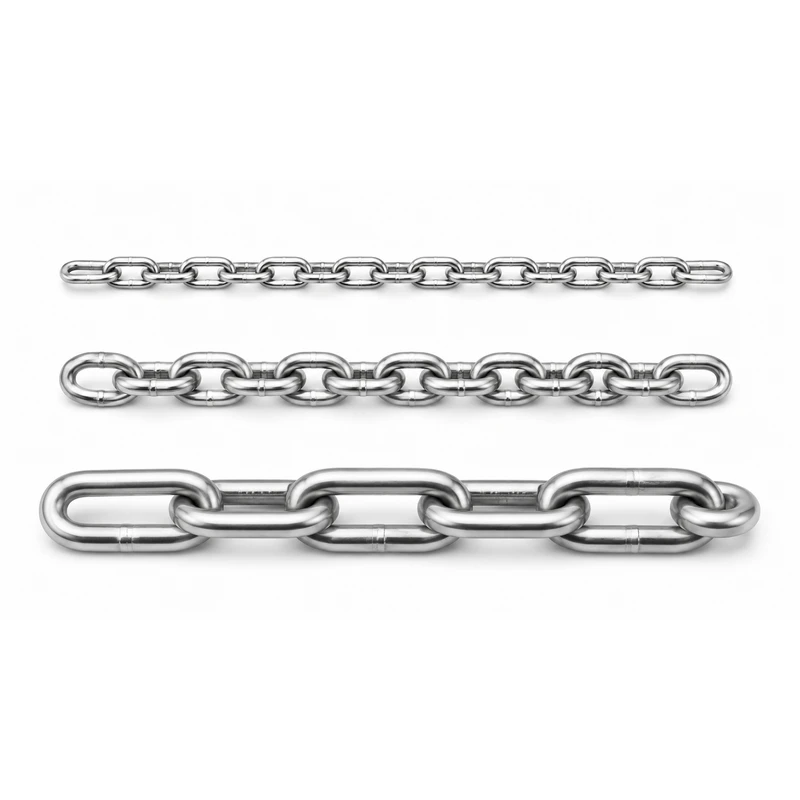
You depend on the load chain and hand chain for safe and efficient lifting. Industry standards require alloy steel chains for overhead lifting because they offer a high strength-to-weight ratio and minimum elongation before breaking. Grade 80 chains, approved by OSHA, withstand extreme heat and resist wear.

The breaking strength of these chains is often ten times greater than their rated capacity. You find load chains with spark-resistant and food-grade coatings for specialized environments. The chain grading system uses tensile strength to determine load capacity and safety.

You should always check for signs of wear and ensure the chain meets the required standards before each use.

  • Alloy steel chains handle significant loads and maintain safety.

  • Grade 80 chains provide resilience in demanding conditions.

  • Coated chains offer protection in specific environments.

Hooks & Safety Latch

You secure every lift with a load hook with a safety latch. This component prevents accidental release and keeps the load stable during operation. Forged steel hooks deliver strength and reliability.

You must inspect the load hook with the safety latch before each use to confirm it is undamaged and functioning properly. A missing or faulty latch increases the risk of accidents. Powerful Machinery designs hooks to meet strict safety standards, giving you peace of mind in every lifting scenario.

Tip: Always verify the latch is present and closes securely before starting any lift.

Chain Block Safety Measures

Pre-Use Inspection

pre use inspection

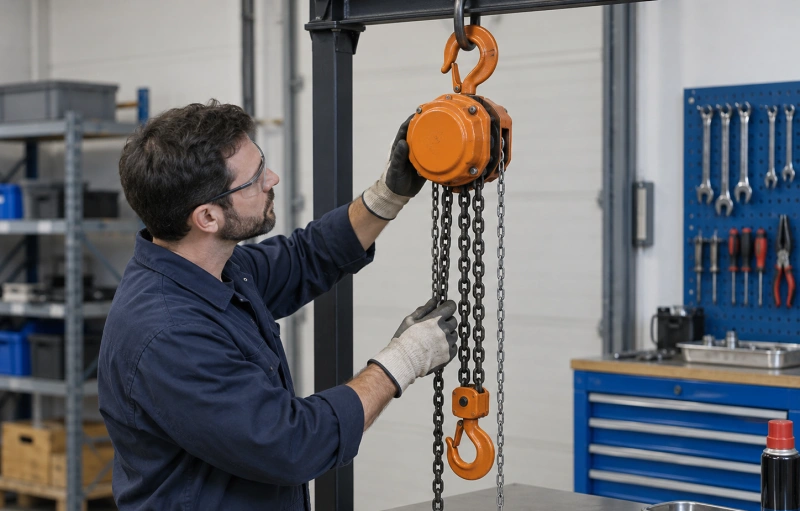
You protect your team and equipment when you perform thorough pre-use inspections before every lifting operation. These measures help you identify potential hazards and maintain a well-maintained chain block.

You should follow a systematic approach to inspection, focusing on both visual and functional checks. Use the following steps to ensure safety and reliability:

  1. Check for damage on the lifting chain, hand chain, hooks, and the body of the chain block. Look for signs of wear, corrosion, or deformation.

  2. Conduct a visual examination for rust or cracks. Inspect the chain for elongation, twisted links, or kinks.

  3. Test the chain block with a light load to confirm smooth operation.

  4. Verify that all moving parts receive proper lubrication.

  5. Confirm the load capacity and ensure the load does not exceed the rated limit.

  6. Attach the load securely using appropriate slings or attachments.

  7. Position yourself away from the direct path of the load.

  8. Raise and lower the load slowly and steadily, keeping a firm grip on the hand chain.

  9. Maintain clear communication with your team if you work together.

  10. Schedule regular maintenance and keep the chain block stored in a dry, clean environment.

  11. Familiarize yourself with emergency stop mechanisms.

  12. Ensure the area around the chain block remains clear of unnecessary personnel.

You reduce the risk of accidents and equipment failure by following these chain block safety measures. Daily inspections and pre-use inspections form the foundation of a safe lifting environment.

Safe Lifting Practices

You achieve safe lifting when you apply proper lifting techniques and follow established safety measures. A well-maintained chain block performs best when you use it correctly. You should always select stable lifting points and balance the load before starting. The following practices help you maintain safety during every lift:

  • Lubricate the load chain and gears regularly to prevent wear and corrosion.

  • Test and adjust the brake periodically to maintain optimal holding force.

  • Replace worn chains, hooks, or friction discs immediately. Avoid makeshift repairs.

  • Keep detailed logs of inspections, maintenance, and repairs.

  • Never exceed the rated capacity of the chain block. Overloading leads to failure and workplace accidents.

  • Inspect the chain block before every use, checking for chain wear, hook deformation, and brake responsiveness.

  • Lift vertically to avoid dangerous side loads.

  • Keep your hands and body clear of the load path.

  • Use tag lines to guide and control the load if necessary.

  • Move the load slowly and steadily to prevent swinging or sudden shifts.

You enhance safety and efficiency by following these measures. Proper lifting techniques and attention to detail help you prevent injuries and protect valuable equipment.

Accident Prevention

You minimize risks and maintain a safe workplace by implementing accident prevention measures. Safety starts with awareness and continues through every stage of lifting and maintenance. You should always use certified equipment and follow industry standards.

Powerful Machinery provides chain blocks that meet strict safety certifications, ensuring you receive reliable and safe products. Review the table below for key safety standards:

Standard

Description

EN 13157

Specifies safety requirements for hand chain blocks and lever hoists, including load capacity, safety mechanisms, and testing protocols.

EN 1677

Outlines requirements for forged steel lifting components, ensuring they are made from high-quality materials and designed for safe load handling.

You prevent accidents by choosing equipment with these certifications. You also maintain safety by scheduling regular maintenance, keeping accurate inspection records, and replacing damaged parts promptly.

You should never ignore warning signs such as unusual noises, slow operation, or visible damage. You create a culture of safety when you encourage your team to report hazards and follow all chain block safety measures.

Tip: Always review your lifting plan and communicate with your team before starting any operation. Clear instructions and teamwork reduce the risk of accidents.

You maintain a safe and productive environment by prioritizing safety, performing daily inspections, and using well-maintained chain blocks. Powerful Machinery supports your commitment to safety with certified products and expert guidance.

Chain Block Selection

Load Capacity

You must select a chain block with the correct load capacity for your lifting application. Manufacturers determine load capacity by considering several factors. The table below shows what influences safe lifting limits:

Factor

Description

Type of lifting gear

Different types of gear have varying load capacities.

Material strength

The strength of the materials used in the chain block affects its capacity.

Design

The design of the block can influence how much weight it can safely lift.

Duty cycle

The frequency and duration of use can impact the load capacity.

Angle of lift

The angle at which the load is lifted can change the effective capacity.

Environmental factors

Conditions like temperature and corrosion can affect safe working limits.

You should always check the rated load before lifting. Never exceed the manufacturer’s specifications. Proper selection ensures safe lifting and protects your equipment.

Lift Height & Environment

You need to match the chain block’s lift height to your project requirements. Consider the environment where you perform lifting. Environmental factors can affect equipment performance and safety:

  • Corrosion can damage chain blocks in humid or salty areas. Choose corrosion-resistant materials.

  • Temperature extremes may cause steel to become brittle. Select alloys designed for cold conditions.

  • Abrasion from dust can wear down moving parts. Use sealed bearings and robust enclosures.

You improve lifting safety and efficiency when you select chain blocks built for your environment.

OEM Compatibility

You maintain safety and reliability by using OEM parts for chain blocks. Always choose original chains, hooks, brakes, and load-bearing fasteners. Conduct a compatibility audit to verify that all materials suit your lifting environment. This step ensures every component works together for safe lifting.

  • Use OEM parts for chain, hooks, brakes, and load-bearing fasteners.

  • Conduct a compatibility audit to verify materials are suitable for the environmental conditions.

Manual vs Electric

You must decide between manual chain hoists and electric chain hoists for your lifting needs. Each type offers unique advantages and limitations. The table below compares safety and efficiency:

Type

Advantages

Disadvantages

Electric Chain Hoists

Higher efficiency and ease of use

Higher initial cost

Reduced physical effort

Maintenance and power requirements

Enhanced control and precision

Manual Chain Hoists

Cost-effectiveness

Requires physical effort

Simplicity and reliability

Limited to lower capacities

No power source required

Manual chain hoists work well for simple lifting tasks and remote locations. Electric chain hoists provide greater efficiency and control for frequent or heavy lifting. You should choose the type that matches your lifting frequency, load weight, and work environment.

Tip: Always review your lifting requirements and consult with Powerful Machinery experts for the best chain block selection.

Chain Hoist Maintenance

Daily Checks

You maintain safety and reliability in every lifting operation when you perform daily chain hoist maintenance. Start each shift by inspecting the main assembly for damage, deformation, or wear. Examine the cables, ropes, chains, and hooks for signs of stress.

Look at the boom and hydraulic components for cracks or leaks. Check the trolley structure, wheels, and brakes for smooth movement. Inspect the hoist mechanism, chain, and hook for any issues. Review the electrical system for damaged wiring or faulty components.

Ensure the lubrication system works and that all moving parts receive proper lubrication. Check the battery’s condition and charge level. Verify the controls and instrumentation for accurate operation. Confirm that safety devices function correctly.

Inspect cables and ropes for proper tension and lubricate as needed. Always check the brake system before lifting any load.

Tip: You improve safety and prevent accidents when you document each inspection and address issues immediately.

Lubrication & Cleaning

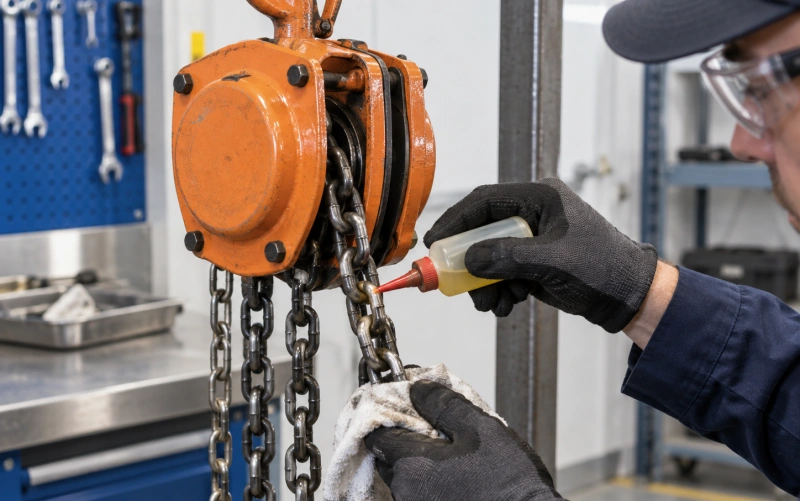
You extend the service life of your chain hoist when you follow best practices for lubrication and cleaning. Apply lubricant at designated points according to the manufacturer’s recommendations. Lubrication reduces wear between pins and bushings, flushes out debris, and ensures smooth engagement with the sprocket.

Clean the hoist after each use to remove dirt and obstructions. Use a damp towel for routine cleaning and mild soap and water for deeper cleaning. Make sure the hoist is dry before lifting. Remove debris from all moving parts to maintain performance.

Lubrication also inhibits rust, carries away heat, and cushions impact forces. Regular maintenance of the chain and gears decreases friction and avoids wear. Always check the brake system and adjust as needed.

Practice

Description

Regular Lubrication

Lubricate chain and gears to reduce friction and extend service life.

Regular Cleaning

Clean after each use and wash occasionally with mild soap and water.

Proper Lubrication Points

Apply lubricant at designated points for smooth operation.

Remove Obstructions

Keep the hoist free from dirt and debris to maintain optimal lifting performance.

Maintenance Records

You ensure safety and compliance with industry regulations when you keep accurate maintenance records. Store dated inspection reports where authorized personnel can access them. Establish a long-range inspection program for ropes or chains, including records of those removed from service.

Maintain dated reports for accountability and safety. Regular maintenance logs help you track brake adjustments, chain hoist maintenance, and lifting performance. You support a culture of safety when you review records and schedule regular maintenance for every chain hoist.

Note: Consistent record-keeping improves safety and helps you identify patterns in lifting equipment wear and brake performance.

Periodic Inspection & Load Testing

Scheduled Servicing

You keep your lifting equipment reliable when you follow a strict schedule for maintenance. Manufacturers recommend professional servicing for electric chain hoists at least once a year.

In environments with frequent lifting, you should increase the frequency to every six months. Manual chain hoists require annual professional inspection, along with daily visual checks. You can use the following table to guide your maintenance schedule:

Type of Hoist

Recommended Servicing Frequency

Electric Chain Hoists

At least once a year, every six months in high-usage environments

Manual Chain Hoists

Annual professional inspection; daily visual checks

You improve safety and extend the life of your chain block when you adjust your maintenance schedule based on usage intensity and environmental conditions.

Static & Dynamic Tests

You verify the strength and reliability of your chain block through load testing. Static load testing applies a slow, constant load to measure displacement. This method works best for stable sites and projects that demand precision. Dynamic load testing uses high-energy impacts to measure stress waves.

You complete dynamic tests faster, making them ideal for large-scale lifting operations or sites with access challenges. The table below highlights the differences:

Aspect

Static Load Testing

Dynamic Load Testing

Methodology

Applies a slow, constant load to measure displacement

Uses high-energy impacts to measure stress waves

Efficiency

Slower process, often taking hours or days

Faster, typically completed in minutes per shaft

Cost

Generally more expensive due to a longer testing duration

More cost-effective for rapid assessments

Suitability

Ideal for stable sites and projects needing precision

Better for sites with access issues and large-scale needs

You ensure your lifting equipment meets safety standards when you perform both types of load testing as part of your periodic inspection routine.

Replacement of Parts

You maintain safe lifting operations by replacing worn or damaged chain block parts. During inspection, look for gouges, nicks, weld spatter, corrosion, and distorted links. Verify that the chain feeds smoothly into and away from the sprockets.

Measure chain elongation using the manufacturer’s instructions or by checking a 12-inch section. Inspect for twist and side bow in the chain. Replace any part that shows signs of wear or damage. You prevent accidents and keep your lifting equipment in top condition when you follow these steps.

Tip: Always use original replacement parts to maintain the integrity and safety of your lifting equipment.

Storage & Installation Safety

Proper Storage

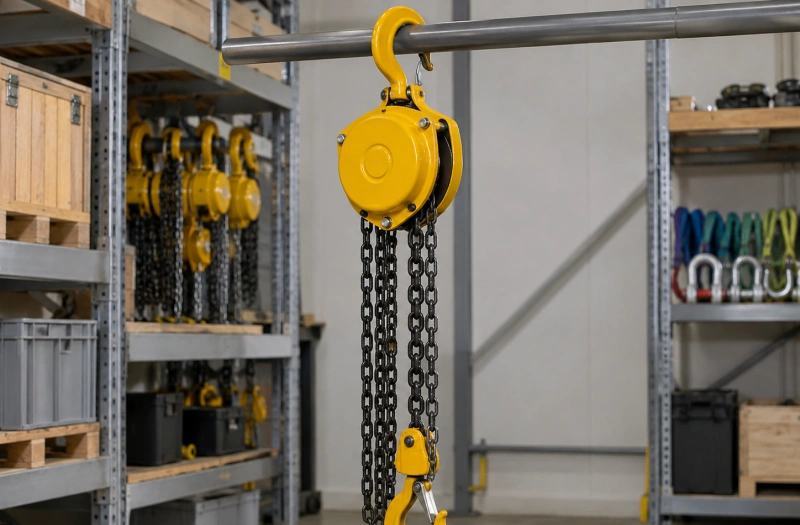
You protect your chain block and ensure safety when you store it correctly. Indoor storage keeps your lifting equipment away from rain and temperature changes. Good airflow prevents condensation, which can cause corrosion and damage. Avoid sealed damp areas that trap moisture.

You can use desiccant packs in storage boxes to control humidity and maintain safety. Place your chain block on a sturdy shelf or rack, away from chemicals or sharp objects.

Always keep the lifting chain clean and dry before storage. You prevent rust and extend the life of your equipment when you follow these safety steps.

Regular maintenance checks help you spot any issues before they become serious problems. You create a safer environment for your team and protect your investment in lifting equipment.

  • Store your chain block indoors, away from rain or temperature fluctuations.

  • Avoid sealed damp areas, ensuring good airflow to prevent condensation.

  • Use desiccant packs in storage boxes to control humidity.

  • Place equipment on a sturdy shelf or rack, away from chemicals or sharp objects.

  • Keep the lifting chain clean and dry before storage.

Tip: You improve safety and reduce the risk of corrosion when you inspect your chain block before and after storage.

Installation Tips

You guarantee safety and reliable lifting when you install your chain block with care. Start by choosing the right chain pulley block for your lifting requirements. Consider the environment, lift height, and weight capacity. Make sure your equipment meets all safety standards.

Follow the manufacturer’s installation instructions and secure the block to a solid structure. This step prevents accidents and ensures safe lifting. Conduct routine inspections before each use. Check for wear and tear on the chain, hooks, and pulleys.

Lubricate moving parts as recommended to maintain functionality and safety. Schedule regular maintenance to address potential issues and extend the lifespan of your lifting equipment.

  1. Choose the right chain pulley block for your lifting requirements.

  2. Follow installation instructions and secure the block to a solid structure.

  3. Conduct routine inspections before each use.

  4. Lubricate moving parts to maintain functionality.

  5. Schedule regular maintenance to extend equipment lifespan.

You improve safety and lifting performance when you follow these installation tips. Proper installation and storage protect your team and equipment, making every lifting operation safer and more efficient.

Advanced Lifting Scenarios

Tandem Lifting

You encounter tandem lifting when you need to move oversized or heavy loads that exceed the capacity of a single chain block. Tandem lifting uses two or more chain blocks working together. You must coordinate every movement to maintain safety. Each operator should communicate clearly and follow a detailed lifting plan.

You balance the load between chain blocks to prevent tipping or shifting. You inspect each chain block before starting and confirm that all hooks and chains are secure. You monitor the lifting process and adjust as needed to keep the load stable.

You improve safety by assigning a supervisor to oversee the operation and stop lifting if any issue arises.

Tip: Always use certified chain blocks from Powerful Machinery for tandem lifting. You reduce risks and ensure safety in complex lifting scenarios.

Environmental Considerations

You face unique challenges when lifting in harsh environments. Extreme temperatures, moisture, and dust can affect chain block performance and safety. You select chain blocks with corrosion-resistant materials for humid or marine locations.

You choose equipment designed for cold weather if you work in freezing conditions. You inspect your chain block more often in harsh environments and increase maintenance frequency. You store your equipment in dry areas and clean it after each use.

You protect your team and equipment by adapting your lifting practices to the environment.

Environment

Lifting Challenge

Safety Solution

Marine/Coastal

Corrosion

Use corrosion-resistant gear

Cold Weather

Brittle materials

Select cold-rated chain blocks

Dusty Sites

Abrasion

Clean and inspect frequently

Rigging Equipment Selection

You choose rigging equipment based on the load, environment, and lifting method. You select slings, shackles, and hooks that match the weight and shape of the load. You verify that each piece of equipment meets safety standards. You inspect rigging before every lift and replace any worn or damaged parts.

You use only original components for chain blocks to maintain safety and reliability. You keep detailed records of rigging inspections and maintenance. You improve lifting efficiency and safety by choosing the right equipment for every job.

Note: Consult Powerful Machinery experts for advice on rigging equipment selection. You ensure safety and maximize lifting performance with professional guidance.

Conclusion

You maintain safety by inspecting your chain block daily, choosing the right equipment, and scheduling professional servicing. Powerful Machinery supports your commitment to safety with certified products and expert guidance.

You improve safety when you select chain blocks that match your needs and environment. You create a culture of safety through ongoing training and consultation.

Contact Powerful Machinery experts to enhance safety and ensure reliable lifting operations.

FAQ

How often should you inspect your chain block?

You should inspect your chain block before each use and schedule professional inspections annually. Daily checks help you spot wear or damage early. Annual servicing ensures long-term reliability and safety.

What safety features do Powerful Machinery chain blocks include?

You benefit from safety latches, overload protection, and forged steel hooks. These features help you prevent accidental release and protect your team during lifting operations.

Can you use a chain block outdoors?

You can use a chain block outdoors if you select corrosion-resistant models. Always store your equipment in a dry place after use. Clean and lubricate the chain block to prevent rust.

What is the maximum load capacity for Powerful Machinery chain blocks?

Model Type

Load Capacity Range

Standard

0.5 to 5 tons

Heavy Duty

Up to 10 tons

You must always check the rated capacity before lifting any load.

How do you maintain a chain block for long service life?

Tip: Clean and lubricate your chain block after each use. Replace worn parts immediately. Store your equipment indoors and keep detailed maintenance records to ensure safety and extend service life.

Send Your Inquiry
Download Product Catalog

After downloading the product catalogue, our dedicated technical experts will provide you with one-on-one service.

Get in touch