You rely on lifting equipment to safely and efficiently move heavy loads in industrial and commercial settings. These tools play a vital role in preventing injuries and boosting productivity. Different types of lifting equipment serve unique purposes, from moving materials at height to transporting goods across warehouses.
The table below shows the most common types and their main applications:
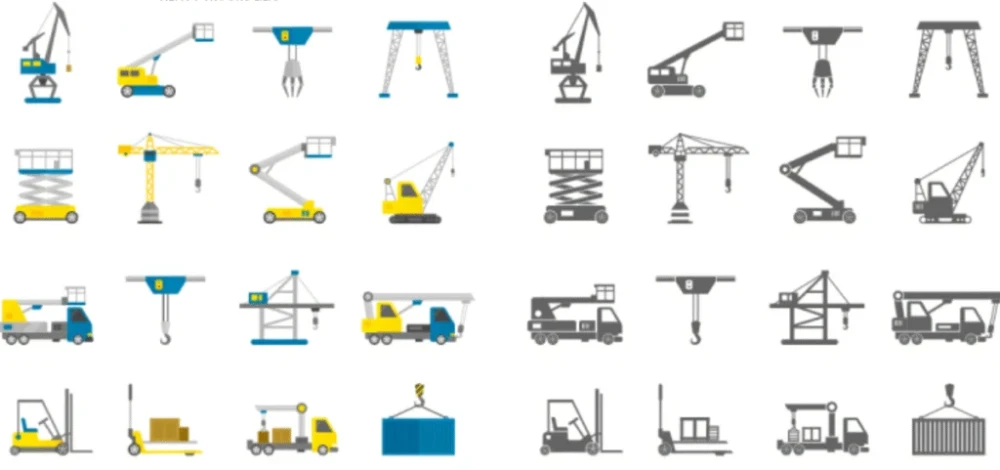
Type of Lifting Equipment | Primary Application |
|---|---|
Lifting Tables and Platforms | Elevate materials and people for work at heights |
Hydraulic Elevators | Move materials in buildings up to six stories |
Scissor Lifts | Carry people for construction work at various heights |
Cranes | Lift and move heavy loads, mobile or fixed |
Hoists | Lift or lower materials using hooks |
Forklifts | Transport materials over short distances |
Overhead Cranes | Material handling in manufacturing facilities |
Gantry Cranes | Jobs indoors or outdoors, adaptable to many tasks |
Choosing the right equipment, following safety rules, and keeping up with regular checks help you protect your team and your investment.
Key Takeaways
Lifting equipment enhances safety and productivity by allowing the safe movement of heavy loads, reducing manual labor risks.
Choose certified lifting equipment to ensure compliance with safety standards, which minimizes the risk of equipment failure and injuries.
Regular inspections and maintenance of lifting equipment are crucial for safety; follow recommended schedules to extend equipment lifespan.
Understand the specific lifting equipment types and their applications to select the right tools for your job, ensuring efficiency and safety.
Consult with experts for custom lifting solutions that address unique challenges, improving safety and operational efficiency.
What Is Lifting Equipment?
Definition and Purpose
You use lifting equipment to move heavy loads safely and efficiently in your workplace. International safety standards define lifting equipment as any work equipment used for lifting or lowering loads, including attachments that anchor, fix, or support the load.
This category covers a wide range of tools and machines you might see every day.
Definition | Description |
|---|---|
Lifting Equipment | Work equipment for lifting or lowering loads, including attachments used for anchoring, fixing, or supporting them. |
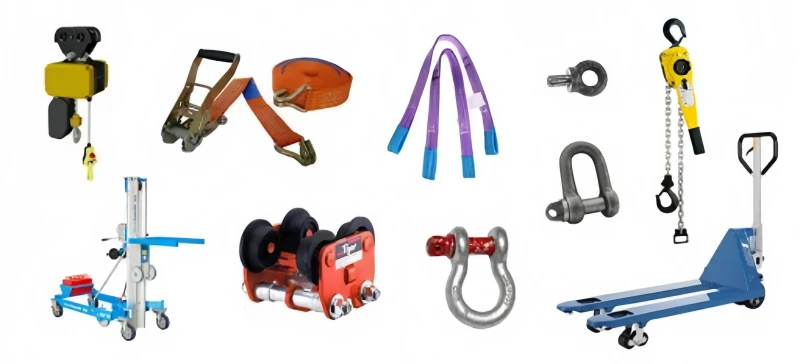
Examples | Lifts, cranes, ropes, slings, hooks, shackles, eyebolts, rope and pulley systems, forklift trucks. |
You rely on these tools to handle materials that are too heavy or awkward to move by hand. Lifting equipment helps you complete tasks faster and with less physical strain.
The main purposes of using lifting equipment in industrial operations include:
Enhanced efficiency and productivity. You can speed up building and shipping processes, which reduces manual labor and project times.
Improved safety standards. These tools protect you and your team by minimizing risks linked to manual lifting and help you meet safety regulations.
Versatility across industries. You find lifting equipment in construction, manufacturing, and many other sectors because of its adaptability.
Key Benefits
When you choose certified lifting equipment, you gain several important advantages. Certified tools go through strict testing to make sure they can handle their rated loads.
This reduces the risk of failure and keeps your team safe. Certification also shows that your equipment meets legal requirements and follows safety protocols.
Benefit | Description |
|---|---|
Reduced Risk of Failure | Certified equipment undergoes rigorous testing to ensure it can handle maximum-rated loads, significantly lowering the chances of unexpected failures that could lead to injuries or damage. |
Compliance with Regulations | Certification demonstrates that equipment meets legal requirements, ensuring adherence to safety protocols and performance standards. |
Streamlined Inspection Processes | Regular inspections and maintenance checks are simplified, saving time and resources for employers while ensuring equipment safety. |
Extended Service Lifespans | Certified equipment lasts longer due to rigorous standards and regular checks, reducing long-term costs associated with replacements and repairs. |
Independent Certification Value | Certification from an independent body provides unbiased verification of safety and performance, enhancing the credibility of the equipment and the reputation of the companies using it. |
Tip: Always check for certification labels on your lifting equipment. This simple step helps you ensure safety and reliability in your daily operations.
Types of Lifting Equipment
You encounter many types of lifting equipment in industrial and commercial settings. Each type serves a unique purpose and helps you move loads safely and efficiently.
Understanding the common types of lifting equipment helps you select the right tools for your job and ensures you follow best practices for safety and productivity.
Cranes and Hoists
Cranes and lifting hoists form the backbone of most material handling operations. You use these machines to lift, lower, and move heavy objects across short or long distances. Cranes come in many forms, each designed for specific tasks and environments.
Crane Type | Typical Lifting Capacity |
|---|---|
Tower Cranes | 20 tons to 100 tons |
Mobile Cranes | 10 tons to 60 tons |
Truck Cranes | Up to 175 tons |
Gantry Cranes | Varies widely, some over 1,000 tons |
Workstation Cranes | 150 lbs to 2 tons |
You see gantry cranes in shipyards and construction sites. Monorail cranes work well for production lines, moving materials along a fixed path. Jib cranes provide manual rotation and fit in limited spaces. Workstation cranes handle lighter duties, with capacities from 150 lbs to 2 tons.
Overhead cranes are essential in manufacturing, where you need to move loads across large areas with precision.
Lifting hoists, such as electric or manual chain hoists, help you raise and lower loads with control. You find these hoists in factories, warehouses, and workshops. They attach to cranes or fixed supports and offer reliable lifting for many applications.
If you are choosing between different hoist designs, see our chain hoist vs wire rope hoist guide for a detailed comparison of load capacity, duty cycle, lifting speed, operating environment, and maintenance requirements.
Tip: Always check the rated capacity of your crane or hoist before use. This ensures you do not overload the equipment and keeps your team safe.
Winches and Jacks
Winches and jacks give you the power to lift, pull, or position heavy objects with ease. You use winches to pull loads horizontally or at an angle. These devices use cables or ropes wound around a drum, powered by hand or motor. Winches are common in construction, marine, and vehicle recovery operations.
Jacks help you lift loads vertically. You see hydraulic jacks in automotive repair shops, where they raise vehicles for maintenance. Mechanical jacks, such as screw jacks, provide stable lifting for machinery and structures. Both winches and jacks are vital types of lifting equipment for precise load control and positioning.
Slings, Shackles, and Hardware
Slings, shackles, and other rigging hardware connect your load to the lifting gear. You choose from several types of slings, each made from materials that suit different tasks.
Type of Sling/Shackle | Material Characteristics |
|---|---|
Wire Rope Slings | High strength, abrasion-resistant, durable |
Synthetic Web Slings | Lightweight, non-marring, less resistant to heat and chemicals |
Round Slings | Strong, flexible, ideal for delicate loads |
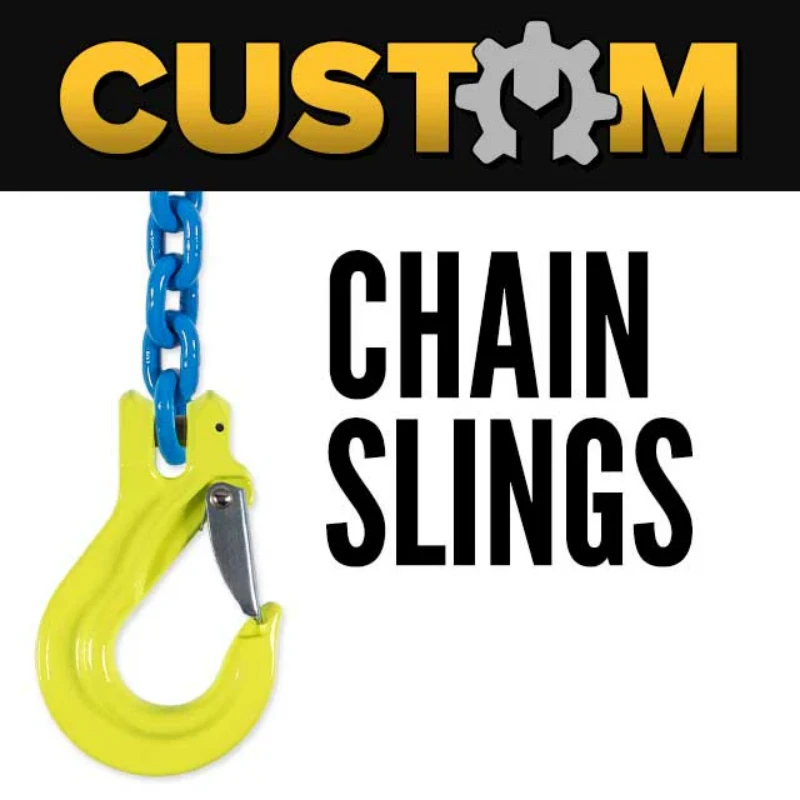
Chain Slings | Excellent for rugged environments and heavy loads |
Wire rope slings give you durability and resistance to abrasion. Synthetic web slings are lightweight and gentle on delicate surfaces. Round slings offer flexibility and strength for fragile items. Chain slings handle tough jobs in harsh environments.
Shackles, hooks, and master links connect slings to cranes, hoists, or beams. You rely on certified rigging hardware to ensure every lift is secure and compliant with safety standards.
Lifting Beams and Clamps
Lifting beams and clamps help you manage loads that need extra support or special handling. Lifting beams distribute weight evenly, making it easier to lift long or awkward items. You use clamps to grip beams, plates, or other materials securely during lifting.
You must ensure your lifting beams and clamps meet strict safety standards. The most important certifications include:
EN 13155: Sets safety and design requirements for non-fixed load lifting attachments.
LOLER: Requires strong, stable, and clearly marked lifting clamps, with regular inspections.
CE Marking (UKCA): Confirms compliance with EU/UK safety directives.
Lifting clamps must show their load capacity and include safety features like locking mechanisms. You protect your team and equipment by choosing certified products for every rigging operation.
Specialized Lifting Equipment by Powerful Machinery
You find advanced lifting solutions with Powerful Machinery’s range of lifting equipment. The company offers wire rope pulling hoists, ratchet pullers, chain pulley blocks, hand chain hoists, and I Beam Hoist Clamps. Each product is engineered for durability, safety, and ease of use.
Powerful Machinery’s lifting hoists and gear feature high-tensile steel construction and ergonomic designs. The I Beam Hoist Clamp fits a wide range of beam sizes and supports loads up to 2 tons.
Every product meets or exceeds international standards, including ISO9001, TUV Rheinland, and EN 13155. You can trust these tools in construction, marine, transportation, and warehousing.
Note: Powerful Machinery’s lifting equipment undergoes rigorous testing and carries full certification. This gives you confidence in demanding environments and helps you meet global safety requirements.
You see the global lifting equipment market evolving with new technologies. North America leads in advanced lifting gear, while Europe focuses on innovation and sustainability. The Asia-Pacific region grows quickly due to urbanization and industry.
Smart features like IoT and AI now appear in modern lifting equipment, helping you monitor performance and prevent breakdowns.
When you choose Powerful Machinery, you invest in certified, reliable lifting solutions trusted by professionals worldwide. You gain access to custom-engineered products and expert support for every rigging challenge.
Lifting Equipment in Industrial Work
Applications in Construction and Manufacturing

You see lifting equipment in industrial work every day, especially in construction and manufacturing. These sectors rely on material handling tools to move heavy materials, position steel beams, and transport concrete blocks. You use cranes to lift building materials to higher floors.
Hoists help you raise machinery during installation. Forklifts and chain pulley blocks make it easier to move materials across the site.
In manufacturing, you depend on material handling systems to keep production lines running smoothly. You use lifting beams to support large components. Slings and shackles connect loads to cranes for safe movement. Reliable lifting operations reduce downtime and keep your team safe.
Powerful Machinery supplies certified lifting equipment trusted by professionals worldwide. You benefit from products that meet strict safety standards and deliver consistent performance in demanding environments.
OSHA states, “The safety benefit of the rule is the prevention of injuries or fatalities resulting when operators certified to operate the type of crane assigned still lack the knowledge or skill to operate that crane for the assigned task.
OSHA has already determined that there is a significant risk of injury when operators are allowed to operate heavy machinery that they are not qualified to operate.”
Marine, Transportation, and Warehousing
You find material handling equipment essential in marine, transportation, and warehousing. In shipyards, you use lifting equipment to load and unload cargo.
In transportation, you rely on hoists and winches to secure materials on trucks and trains. Warehousing operations depend on forklifts and clamps to organize goods and move materials efficiently.
Benefit | Description |
|---|---|
Increased Productivity | Automates material handling, reducing loading/unloading time and optimizing labor capacity. |
Enhanced Safety | Reduces manual handling risks, leading to fewer occupational accidents and injuries. |
Cost Efficiency | Lowers labor costs while improving operational efficiency and reducing downtime due to accidents. |
You improve safety and productivity by using certified lifting equipment in industrial settings. Nearly 2.78 million workers die from occupational accidents and work-related diseases each year. Another 374 million workers suffer non-fatal injuries.
You protect your team by choosing reliable lifting equipment for every lifting operation. Powerful Machinery’s global presence means you get trusted solutions for material handling in any environment.
Tip: Always select certified lifting equipment for your material handling needs. You reduce risks and ensure smooth lifting operations in construction, manufacturing, and beyond.
Safety and Compliance
Key Regulations and Standards
You must follow strict lifting operations and lifting equipment regulations to protect your team and meet legal requirements. These rules set the foundation for safe lifting equipment use in every workplace. The table below highlights the most important regulations you need to know:
Regulation | Description |
|---|---|
OSHA 1910.179 | Overhead cranes’ safety requirements, including rated load limits and proof testing. |
OSHA 1926 Subpart CC | Mobile cranes regulations emphasize safety and compliance. |
OSHA 1910.184 | Guidelines for slings and rigging, focusing on load limits and record-keeping. |
LOLER | European regulations require periodic inspections and certified proof tests. |
ISO 9927 | Crane inspection requirements for safety and compliance. |
ISO 4301 | Classification of cranes based on design and usage. |
ISO 4309 | Wire rope discard criteria based on fatigue and damage history. |
ISO 13849 | Functional safety standards for control systems, including load monitoring devices. |
You see OSHA as the main enforcer of safety in the United States. ASME and ANSI also help set industry standards. In Europe, LOLER and ISO standards guide health and safety regulations for lifting equipment. Following these regulatory requirements helps you avoid accidents and costly penalties.
Powerful Machinery holds certifications like ISO 13854:2017 Safety of Machinery. This global standard reduces risks in machinery design and use. You can trust that every product meets or exceeds international safety measures.
Operator Training and Certification
You need competent personnel to operate lifting equipment safely. Employers must provide training that combines classroom learning and hands-on practice. A qualified trainer should always supervise operators-in-training. Only certified operators can handle equipment in hazardous conditions.
You must complete LOLER training to understand lifting operations and lifting equipment regulations. Retraining is necessary if your performance drops or if you switch to new equipment. Certification proves you are qualified and helps you meet safety considerations in every job.
Tip: Always check that your team has up-to-date LOTO training and certification before starting any lifting operation.
Inspection, Labeling, and Documentation
You must inspect all lifting equipment regularly to ensure safety. Daily checks by the operator catch obvious problems before use. Monthly inspections look for wear and tear. Annual inspections by a certified inspector confirm that equipment meets all safety standards.
Inspection Type | Frequency | Documentation Required |
|---|---|---|
Daily Inspections | Daily | Checklist by the hoist operator before first use |
Monthly Inspections | Monthly | Documented inspection for wear and tear |
Annual Inspections | Yearly | Complete inspection by a certified inspector |
You should keep records for all inspections, especially for below-the-hook devices, chain slings, and metal mesh slings. Proper labeling shows load limits and inspection dates. These safety measures help you stay compliant and protect your team.
Powerful Machinery supports you with certified products and guidance on best practices. You can rely on their expertise to keep your lifting operations safe and efficient.
Selecting Lifting Equipment
Assessing Load and Environment
When you start choosing the right type of lifting equipment, you need to look at several important factors. You must know the weight of your load, the height you need to reach, and the environment where you will use the equipment. The table below helps you organize your assessment:
Factor | Description |
|---|---|
Load Capacity | Determine the maximum weight of the load, including attachments and accessories. |
Lift Height | Ensure the equipment can safely reach the required height without overextending. |
Application | Select equipment suited for specific tasks and industry needs, considering safety standards. |
Environment | Assess conditions like indoor/outdoor use, temperature, and space limitations. |
Mobility | Decide if the equipment needs to be mobile or stationary, and its ability to operate on uneven terrain. |
Safety Features | Identify equipment with essential safety features like load-limiting devices and emergency stops. |
You improve safety and efficiency when you carefully review these factors before choosing the right type of lifting equipment.
Matching Equipment to Task
Choosing the right type of lifting equipment for your specific job reduces the risk of accidents. You make sure the equipment can handle the load’s weight and shape. This lowers the chance of structural failures.
The right choice also helps you follow safety rules and keeps operators from getting tired or making mistakes. You protect your team and your investment by matching the equipment to the task.
Tip: Always check the manufacturer’s guidelines and certifications before choosing the right type of lifting equipment for your project.
Consulting Experts and Custom Solutions
You may face unique challenges that standard lifting equipment cannot solve. Consulting with lifting equipment experts gives you access to custom-engineered solutions. Powerful Machinery offers direct support and custom designs to fit your needs. When you work with experts, you gain several advantages:
Efficiency: Custom lifting equipment fits your workflow and reduces downtime.
Safety: Special safety features address your specific risks.
Flexibility: You can upgrade or modify equipment as your needs change.
Cost-Efficiency: Long-term savings come from better productivity and less downtime.
You get reliable advice and tailored products when you choose Powerful Machinery. Their team helps you with every step, from planning to installation, so you always have the best solution for your lifting challenges.
Lifting Equipment Maintenance and Inspection
Routine Checks and Intervals
You need to keep your lifting equipment in top condition to ensure safety and reliability. Regular maintenance helps you catch problems early and avoid unexpected breakdowns. Most industry standards recommend that you check cranes every day before starting work.
These daily checks focus on safety features and basic functions. Each month, you should look for signs of wear and tear, such as frayed cables or loose bolts. Once a year, a certified inspector should perform a full review of the crane’s structure and make sure it meets all safety regulations.
For lifting chains, you should schedule periodic inspections at least once every 12 months. During these checks, look for wear, corrosion, or damage. The table below shows the recommended intervals for different types of equipment:
Equipment Type | Recommended Interval |
|---|---|
General Lifting Equipment | Every 6 months (minimum) |
Lifting Equipment for People | Every 6 months (minimum) |
Annual Tests | Minimum requirement |
Common causes of equipment failure include overloading, improper maintenance, and harsh environments. You can see these risks in the table below:
Cause | Description |
|---|---|
Overloading | Using the equipment beyond its design limits. |
Improper Maintenance | Skipping lubrication or inspections which can hide flaws. |
Environmental Factors | Exposure to corrosive or abrasive conditions that damage components. |
Tip: Always follow the recommended inspection schedule to keep your equipment safe and extend its lifespan.
Digital Tracking and Documentation
You can improve your maintenance process by using digital tools. Digital inspection apps let you record checks in real time, which helps you keep accurate records and avoid losing important documents.
QR codes attached to your equipment give you instant access to inspection histories and manuals. This reduces manual errors and makes updates easy.
Automated reminders from digital platforms help you remember when inspections are due. Analytics features show you how your equipment is performing, so you can spot problems before they become serious. This proactive approach keeps your lifting equipment safe and ready for use.
Note: Digital tracking creates a clear audit trail and helps you meet compliance requirements with less effort.
Lifting Operations Planning
You need careful planning to keep lifting operations safe and efficient. Good preparation helps you avoid accidents and ensures every job runs smoothly. When you create effective lifting plans, you protect your team and your investment.
Lift Plans and Risk Assessment
You start with a detailed lift plan before any lifting operation. This plan covers all the steps and safety checks you need. A strong lift plan includes these key parts:
Risk assessment: You identify hazards and decide how to reduce risks.
Method statement: You describe the steps and equipment for the lift.
Equipment selection: You choose the right lifting equipment for the job.
Personnel roles: You assign clear duties to everyone involved.
Site conditions: You check the ground, weather, and any obstacles.
Emergency procedures: You set up plans for unexpected problems.
According to LOLER, all lifting operations must be properly planned by a competent person, supervised, and carried out safely.
Simple vs Complex Operations
You must know the difference between simple and complex lifts. Simple lifts use one piece of equipment and need less planning. Complex lifts involve more risks and require detailed lifting plans and risk assessments. The table below shows how planning changes based on the type of lift:
Type of Lift | Planning Requirements |
|---|---|
Simple Lift | Minimal planning; usually one piece of equipment. |
Complex Lift | Detailed planning, full risk assessment, and specific lift plans. |
Critical Lift | Highest risk; needs engineer review and constant supervision. |
You should always match your planning to the level of risk in the operation.
Supervisor Roles and Best Practices
Supervisors play a key role in safe lifting operations. You rely on them to:
Carry out risk assessments and spot hazards.
Pick the right equipment for each job.
Assign clear roles, such as supervisor, rigger, operator, and signalman.
Inspect all equipment for safety and certification.
Set up clear communication signals.
Prepare emergency plans.
Keep the site secure from unauthorized people.
Supervisors need special training to understand safety rules and enforce them. This training helps you follow the law and keeps your team safe. Powerful Machinery supports you with certified lifting equipment and expert advice. You can trust their products and guidance for safe and efficient lifting operations.
Conclusion
You gain a safer, more productive workplace when you understand the types of lifting equipment and choose the right tools for each job. Ongoing maintenance and operator training bring long-term benefits:
Increase productivity and reduce downtime
Lower accident risks and job site errors
Save money by extending equipment life
Consulting certified suppliers like Powerful Machinery supports your success:
Service Type | Contribution to Safety and Efficiency |
|---|---|
Risk Identification | Detect hazards early and reduce accident risks |
Auditing Services | Ensure compliance and boost operational safety |
Lifting Coaching and Mentoring | Improve knowledge and safety standards |
Stay committed to regular training, inspections, and planning. You protect your team and maximize your investment with every lift.
FAQ
What certifications should you look for in lifting equipment?
You should check for certifications like ISO9001, TUV Rheinland, EN 13155, and OSHA. These show that your equipment meets international safety and quality standards.
How often should you inspect your lifting equipment?
You should inspect your lifting equipment daily before use. Schedule monthly and annual inspections with a certified professional to ensure safety and compliance.
Can you use the same sling for every lifting job?
No, you should choose the sling based on the load type, weight, and environment. Using the wrong sling can cause accidents or damage.
What is the maximum load for an I Beam Hoist Clamp from Powerful Machinery?
The I Beam Hoist Clamp supports up to 2 tons. You can adjust it to fit beams from 75mm to 230mm wide.
Where can you find more information or support for Powerful Machinery products?
Visit Powerful Machinery’s official website for product details, technical support, and expert advice.