
Rigging Shackles
Rigging shackles connect slings, chains, and loads where lifting safety matters. We manufacture bow and D types with clear load ratings and stable strength for real job sites. Ready to quote rigging hardware from Powerful Machinery today.

We use high-grade steel and proven heat treatment to deliver rigging shackles with reliable strength and long service life.
We support your team with clear product guidance and application training to help you select and use rigging shackles correctly.
Every rigging shackle meets strict load ratings, testing rules, and traceable quality control from raw material to shipment.
We develop rigging shackles with smarter designs and custom options to solve real lifting and connection challenges.
Rigging Shackle Featured Partners
We supply work provide dependable rigging shackles for industry leaders.





SHACKLES FOR RIGGING
Our rigging shackles support lifting and rigging operations across diverse applications. Our selection includes:
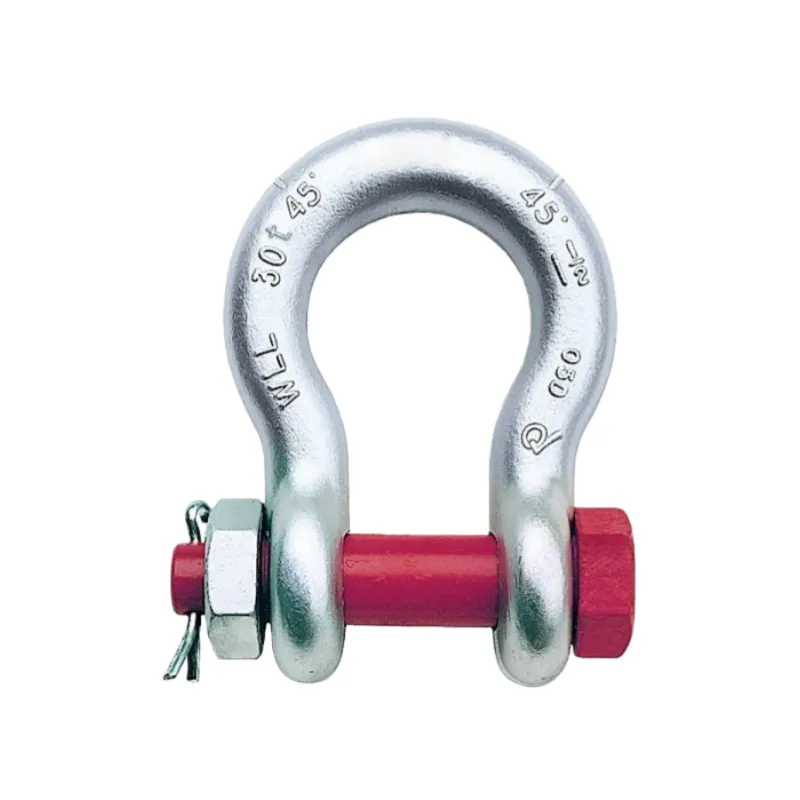
Bow Shackle
A bow shackle has a wide, rounded body that allows multi-directional loading, making it ideal for connecting slings and lifting loads where movement and angle change occur.

D Ring Shackle
A D shackle has a narrow, D-shaped body designed for straight, in-line loading, providing a secure connection for lifting and rigging without side loading.

Wide Body Shackle
A wide body shackle features a wider bow that supports larger slings, reducing bending and wear while protecting synthetic slings during lifting and rigging.
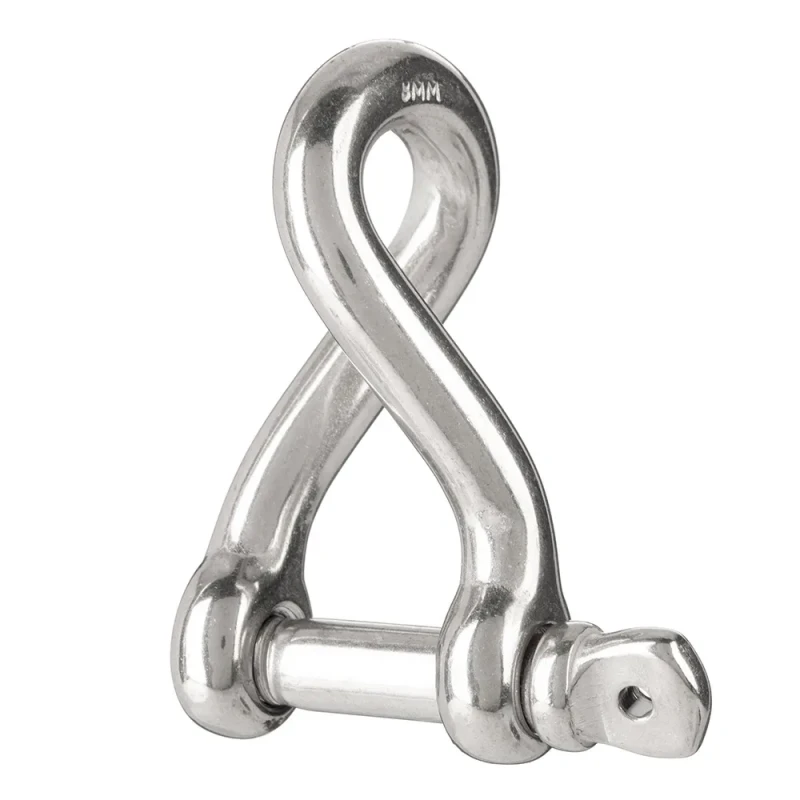
Twist Shackle
A twist shackle has a body twisted 90 degrees to align connections at different angles, making it useful when lifting points do not sit in the same plane.

Rov Shackle
An ROV shackle is designed for underwater lifting and subsea rigging, allowing secure connection and release by robotic arms in offshore and deep-sea operations.

Long Reach Shackle
A long reach shackle features an extended body that allows easy connection to recessed or hard-to-access pick points, making it practical for construction and lifting tasks.

Web Sling Shackle
A web sling shackle is designed for synthetic web slings, using a wide, flat bearing surface to reduce pressure and protect the sling from wear during lifting.
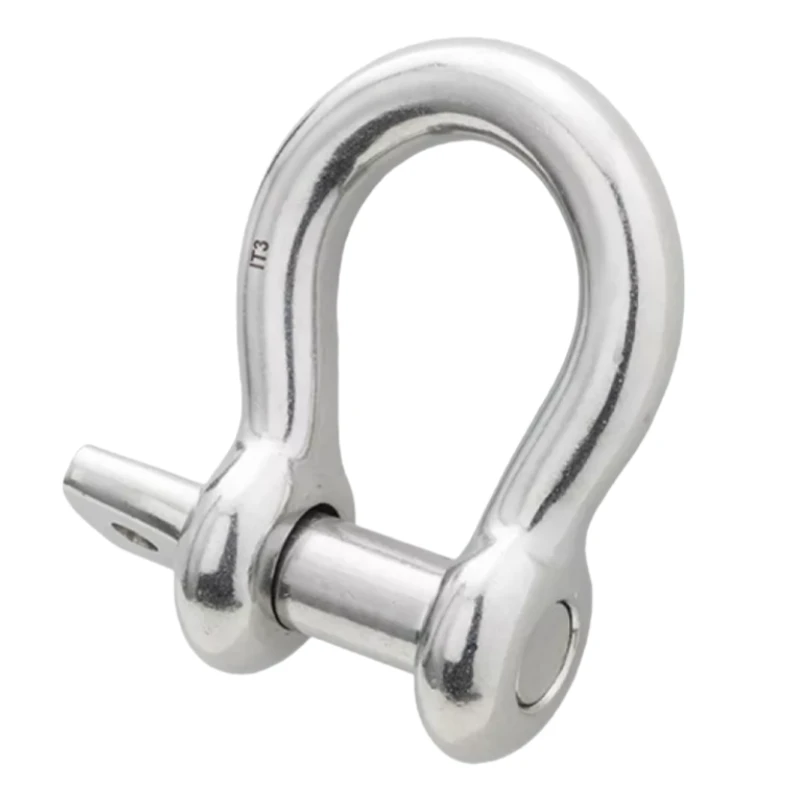
Stainless steel shackles offer strong corrosion resistance for marine, outdoor, and high-humidity use, providing secure load connections where rust protection and durability matter.
NEED HELP WITH YOUR RIGGING SHACKLE ORDER?
Let us help! Reach out today and get recommendations on materials and sizing from our experts.


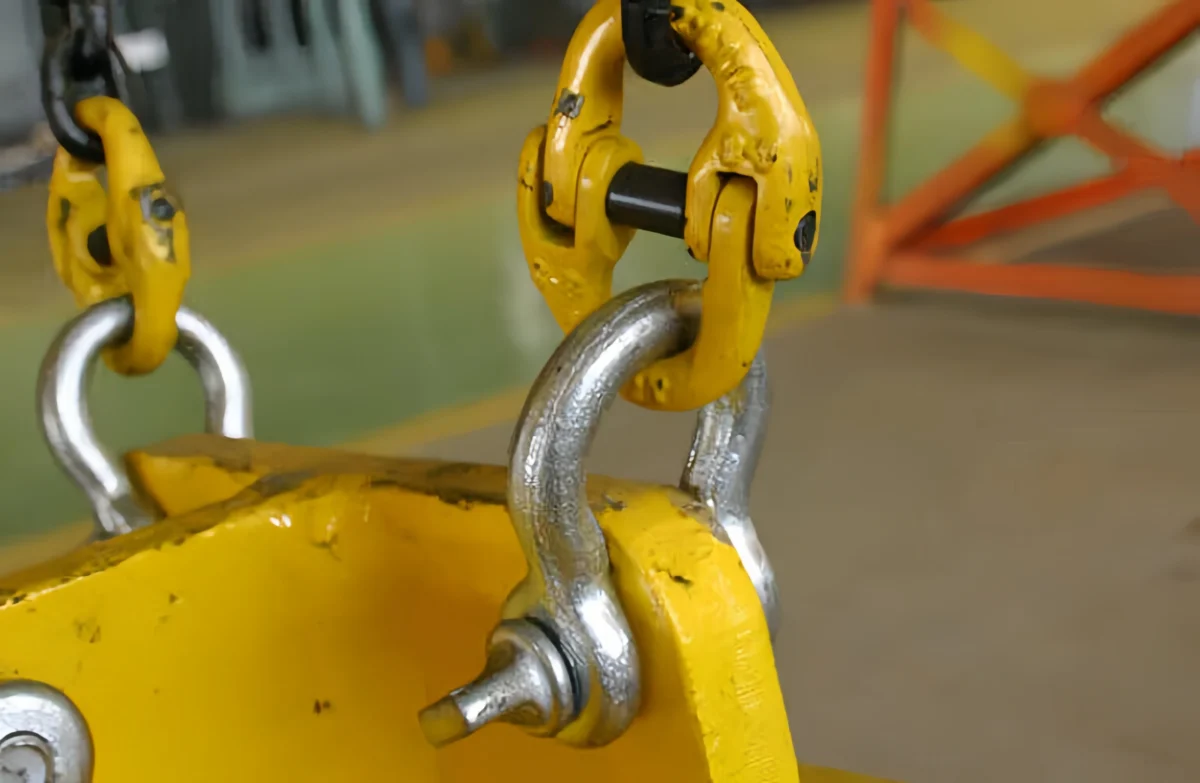
Guide to Shackle for Rigging
Our Guide to Rigging Shackles helps you understand shackle types, applications, and selection tips so you can choose safe, reliable rigging connections.
Types of Shackles for Rigging
Rigging operations rely on several shackle types, each built for specific load paths and connection needs. Selecting the right type reduces wear, improves alignment, and protects lifting assemblies. As a manufacturer, we design shackles to handle real jobsite forces, not catalog assumptions.
Key rigging shackle types include:
Anchor shackles (bow shackles): Wide body design supports multi-leg slings and angled loads without sidewall stress.
Chain shackles (D shackles): Straight profile maintains strength in straight-line pulls and single-leg connections.
Screw pin shackles: Fast installation for temporary rigging and frequent changeouts.
Bolt-type shackles: Nut and cotter system secures long-term or vibration-prone rigging.
Round pin shackles: Captive pin design suits factory fixtures and repeated lifts.
Each type serves a mechanical purpose. Load direction, sling count, movement frequency, and inspection access should drive the selection decision.
Shackle Proper Rigging Techniques
Correct rigging technique protects the shackle, the sling, and the lifted load. Poor alignment causes bending stress, pin damage, and early failure. We engineer shackles to meet rated limits, not to compensate for misuse.
Best-practice rigging techniques include:
Seat the load in the shackle body, never on the pin threads
Align force straight through the bow or body centerline
Tighten screw pins hand-tight, then back off slightly to prevent binding
Use bolt-type shackles for lifts with vibration or rotation
Match sling width to shackle size to prevent point loading
Avoid side loading unless the rating explicitly allows it
Rigging discipline protects lifting equipment life and keeps load control predictable under real working conditions.
How do I choose the correct rigging shackle sizes?
Shackle size selection depends on working load limit, sling diameter, and connection geometry. Bigger shackles do not always mean safer rigging. Oversized hardware introduces instability and uneven loading.
Correct sizing requires attention to:
Working load limit that exceeds the maximum applied load
Pin diameter that matches sling eyes or hardware openings
Body width that supports multi-leg sling angles
Clearance that prevents sling pinching or twisting
Fit that allows free articulation without forcing alignment
As a manufacturer, we recommend sizing based on rated capacity first, then dimensional compatibility. Accurate sizing reduces wear, improves inspection clarity, and ensures predictable performance during lifting operations.
How to Use Shackles in Rigging?
Using shackles correctly means treating them as load-rated connectors, not general-purpose links. Every lift should start with a check of alignment, capacity, and fit.
Correct usage steps include:
Verify shackle grade and working load limit markings
Confirm pin fully engages threads or nut and cotter
Place sling eyes in the shackle body, not stacked on the pin
Avoid torque from misaligned sling legs
Remove shackles from service immediately after overload signs
Store shackles clean and dry after use
Consistent use practices extend service life and protect crews. Rigging hardware performs best when operators respect its engineered load path.
Can you rig shackle to shackle?
Direct shackle-to-shackle rigging creates point loading and uncontrolled articulation. This setup increases stress concentration on pins and bodies. Manufacturers do not design shackles for direct interlocking under load.
If operators still consider this configuration, they must understand:
Pin-to-body contact reduces rated capacity
Rotation under load causes uneven force transfer
Inspection becomes difficult during tension
Wear accelerates at contact points
Load shift risk increases during lift movement
We recommend using intermediate hardware such as master links or lifting rings. Purpose-built connectors maintain full rating and provide controlled articulation without damaging rigging components.
What Are Lifting Equipment Rigging Types of Shackles Used Across Industries?
Different industries apply shackles in specific lifting systems. Manufacturers design shackles to meet those functional demands rather than generic lifting scenarios.
Common applications include:
Construction cranes using bolt-type anchor shackles
Offshore rigs requiring alloy steel shackles with traceability
Manufacturing plants using round pin shackles for fixtures
Utility lifting using screw pin shackles for fast setup
Heavy transport using large bow shackles for multi-leg slings
Each application demands known capacity, predictable articulation, and clear inspection access. Selecting shackles based on industry use improves safety consistency across repeated lifts.
Rigging Shackle Inspection
Inspection ensures the shackle maintains its original load rating. Damage often starts small and grows quickly under load cycles. Manufacturers define inspection criteria to prevent unexpected failure.
Inspection should check for:
Bent or elongated shackle bodies
Pin thread damage or galling
Wear exceeding manufacturer tolerance
Cracks near crown or pin holes
Illegible markings or missing identification
Corrosion that reduces cross-section
Rigging teams should inspect shackles before every lift and perform documented periodic inspections. Early removal protects the entire rigging assembly and avoids costly downtime.
Rigging Shackle Rules
Rigging rules exist to protect workers and equipment. Shackles do not fail randomly. Rule violations create predictable failure patterns.
Core rules every operation should follow:
Never exceed the working load limit
Never side load unless rated for it
Never replace pins with bolts or improvised parts
Never apply shock loads during lifting
Never weld or modify shackles
Never mix grades in a single load path
Following these rules ensures shackles perform as engineered. Compliance reduces liability and supports consistent lifting outcomes.
How do material and grade affect rigging shackles?
Material choice defines strength, fatigue resistance, and environmental durability. Manufacturers select alloy compositions based on real load behavior.
Material considerations include:
Carbon steel for light-duty static lifts
Alloy steel for high-strength lifting and dynamic loads
Heat treatment for improved fatigue resistance
Surface coatings for corrosion control
Traceability markings for quality assurance
Higher grade shackles support heavier loads with smaller profiles. Material quality directly affects safety margins and inspection confidence during long-term use.
Have More Questions of Rigging Shackles?
Understanding how each rigging shackle works helps you select hardware that fits your load, setup, and jobsite conditions. If you need support choosing the right shackle for your application, contact our team for practical guidance.