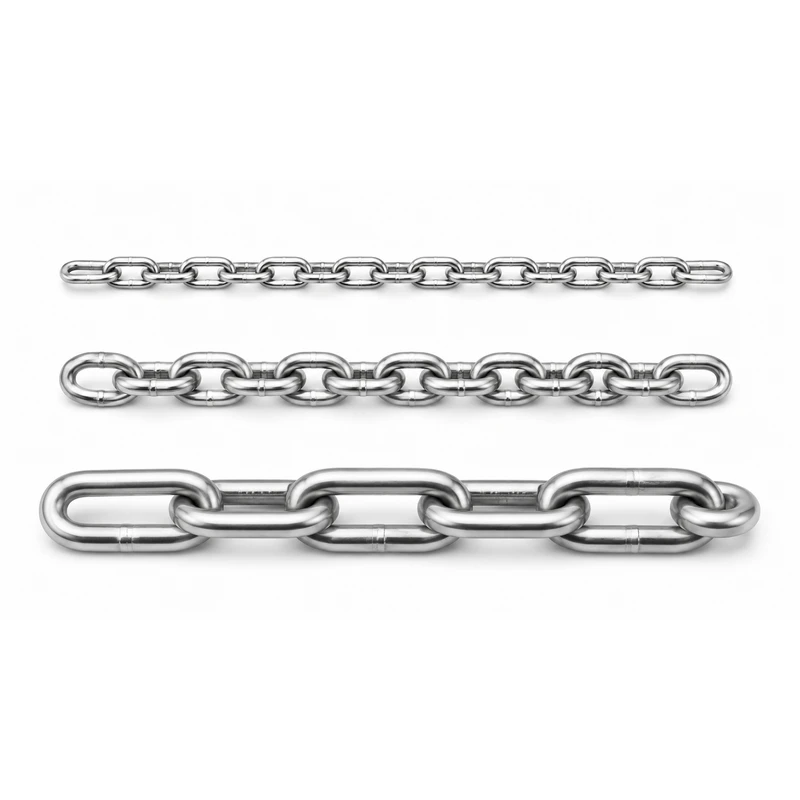
You want to know how to attach a chain to an eye bolt? Start by threading your chain through the loop of the eye bolt and securing it with a quick link or shackle.
Powerful Machinery’s eye bolts make this process simple for beginners since they offer superior protection against rust and corrosion. Take a look at the table below to see why stainless steel is a favorite:
Material Type | Advantages |
|---|---|
Stainless Steel | Superior protection against rust and corrosion |
Carbon Steel | Stronger and more durable |
If you’re looking for extra help, visual guides on TikTok and step-by-step instructions from trusted sites like Jimmy Green can make things even easier. With the right products and a few easy steps, you’ll feel confident attaching your chain safely.
Key Takeaways
Choose stainless steel eye bolts for rust resistance and durability. They are ideal for outdoor use and heavy loads.
Always check the working load limit of your eye bolts and chains before use. This ensures safety and prevents accidents.
Use quick links or shackles for easy and secure connections. They simplify the attachment process without needing extra tools.
Inspect your eye bolts and chains regularly for wear or damage. Replace any parts that show signs of corrosion or weakness.
Wear safety gear like gloves and goggles during installation. This protects you from potential injuries.
Tools Needed for Eye Bolts and Chains
Choosing Powerful Machinery Eye Bolts
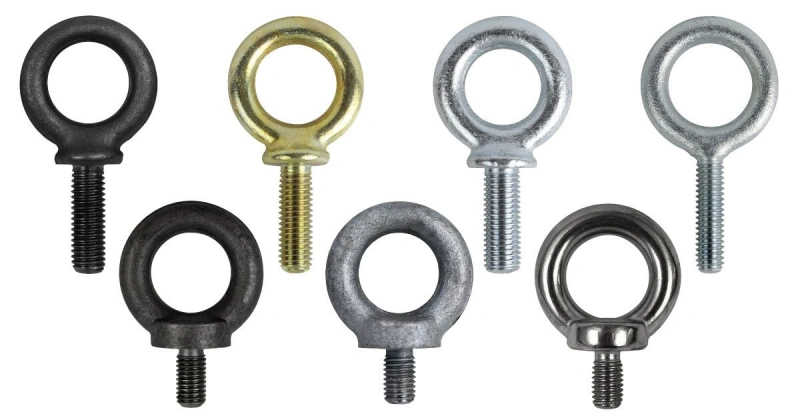
When you start any chain attachment project, you want to pick the right eye bolts. Powerful Machinery stainless steel eye bolts stand out because they resist rust and last longer, even outdoors or near water. You can trust these eye bolts for lifting, securing, or rigging tasks.
They come in different sizes and styles, so you can match them to your job. Always check that your eye bolts meet industry standards. Here’s a quick look at some important certifications:
Standard | Description |
|---|---|
ASME B30.26 | Rigging hardware for below-the-hook lifting devices |
OSHA 1910.184 | Slings and rigging hardware regulations |
ASME B18.15 | Forged eyebolts dimensional and strength standards |
Federal Spec FF-B-575E | Bolt, hook, and forged eyebolt specifications |
Selecting the Right Chain and Accessories
You need more than just eye bolts. Pick a chain that matches the load you plan to lift or secure. Look for chains made from strong materials, like stainless steel, for extra safety.
Accessories like shackles and quick links help you connect everything. Anchor shackles and chain shackles each handle different types of loads. Make sure all your parts fit together and meet safety standards.
Tip: Always use shoulder eye bolts if you plan to lift at an angle. This helps prevent breaking and keeps your setup safe.
Basic and Optional Tools
Here’s a handy list of what you’ll need to get started:
Eye bolts (choose the right size and type for your project)
Chains (check for strength and compatibility)
Shackles or quick links (for secure connections)
Wrenches or pliers (to tighten and secure hardware)
Lubricant (to keep eye bolt threads rust-free)
Safety gloves (protect your hands during installation)
You should inspect your eye bolts and chains before each use. Look for signs of wear, rust, or damage. Lubricate the threads regularly and replace any eye bolts that look worn out. Never over-tighten your eye bolts, and always make sure they are fully threaded into the mounting surface.
Maintenance Practice | Description |
|---|---|
Regular Inspections | Check chains and eye bolts daily for damage or defects |
Check for Wear | Look for bent links, nicks, or thread damage |
Remove Damaged Hardware | Take out any chains or eye bolts showing signs of damage |
With the right tools and a little care, you can attach chains to eye bolts safely and confidently.
How to Attach Chain to Eye Bolt: Step-by-Step
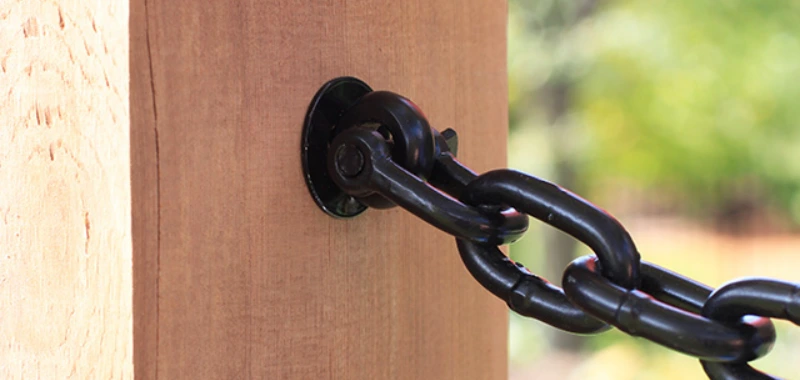
Attaching a chain to an eye bolt can seem tricky at first, but you can master it with a few simple steps. Let’s break down how to attach a chain to an eye bolt using three common methods. You’ll find that Powerful Machinery eye bolts make the process smooth and safe.
Using Quick Links or Repair Links
Quick links and repair links are handy connectors. They let you join your chain to the eye bolt without tools or fuss. Here’s how to attach a chain to an eye bolt with a quick link:
Hold the quick link in one hand. Twist open the threaded sleeve.
Slide one end of your chain through the open quick link.
Pass the quick link through the eye of the eye bolt.
Twist the sleeve closed until it feels snug. Use pliers for a final tight turn if needed.
Tug on the chain and quick link to check the connection.
Tip: Always check the working load limit on your quick link and eye bolts. Never exceed the rated capacity.
Powerful Machinery stainless steel eye bolts have a smooth, precise eye. This makes it easy to slide in quick links or repair links. You get a secure attachment every time.
Attaching Chain Directly to Eye Bolt
Sometimes you want to skip extra hardware. You can attach your chain right through the eye bolt. Here’s how to attach a chain to an eye bolt directly:
Pick a chain with links large enough to fit through the eye of your eye bolt.
Thread the last link of your chain through the eye bolt.
If you use a twist link chain, make sure the link sits flat inside the eye.
Pull the chain until it sits snug against the eye bolt.
Double-check that the chain moves freely but cannot slip out.
Note: Only use this method if your chain fits well and the eye bolt is rated for your load. Check the working load limit before you start.
Powerful Machinery eye bolts come in many sizes. You can always find one with an eye big enough for your chain.
Securing with Pliers or Wrenches
You want your connection to be tight and safe. Pliers or wrenches help you finish the job. Here’s how to attach a chain to an eye bolt and secure it:
After you connect your chain with a quick link or shackle, grab a pair of pliers or a wrench.
Hold the eye bolt steady with one tool.
Use the other tool to tighten the quick link or shackle. Turn until it feels firm.
Do not over-tighten. You want it secure, but not damaged.
Give the chain and eye bolt a good shake. Make sure nothing slips or rattles.
Safety Check: Wear gloves to protect your hands. Inspect your eye bolts for rust or cracks before every installation.
Common Installation Mistakes to Avoid
Many beginners make the same errors when learning how to attach a chain to an eye bolt. Watch out for these:
Using lag eye bolts for overhead lifting
Installing eye bolts without pilot holes
Applying side loads to non-shoulder designs
Ignoring corrosion in outdoor environments
You can avoid these mistakes by choosing Powerful Machinery stainless steel eye bolts. They resist rust, meet international standards, and come in shoulder and non-shoulder designs for every job.
Remember: Always match your eye bolts, chain, and accessories to your load and environment. Check the working load limit before every attachment.
Now you know how to attach a chain to an eye bolt using three safe and simple methods. With the right tools and a little practice, you’ll get a strong, reliable connection every time.
Safety Tips and Common Mistakes with Eye Bolts
Safety Precautions Before Attaching a Chain
You want every job with eye bolts to be safe from the start. Before you begin, put on your safety gear. Grab gloves, safety glasses, and sturdy boots. Make sure your workspace is clear, well-lit, and free from overhead hazards. Always check the weather if you work outdoors.
Good communication with your team helps prevent accidents.
Here’s a quick table to help you remember the basics:
Category | Key Points |
|---|---|
Personal Protective Equipment | Hard hat, safety glasses, gloves, steel-toed boots, high-visibility clothing |
Workplace Setup Requirements | Clear communication, barriers, adequate lighting, firm ground, no overhead obstructions, and weather considerations |
Critical Safety Rules | Never exceed working load limit, never stand under loads, never use damaged equipment |
Emergency Procedures | Emergency plans, stop controls, first aid supplies, and practice lowering loads safely |
Proper Anchor Point Selection | Anchor supports 5x the load, designed for lifting, properly installed, and no damage |
Common Errors to Avoid
You can avoid most problems with eye bolts by watching out for a few common mistakes. Never overload your eye bolts. Always check the working load limit before you start.
Misalignment of slings or chains can bend or break the eye bolts. Regular inspection is key. If you see any wear, corrosion, or cracks, remove the eye bolts right away. Never use eye bolts that look worn or have been modified.
Here’s a list of errors to keep in mind:
Misaligned slings or chains can bend or snap eye bolts.
Overloading eye bolts can cause sudden failure and injury.
Skipping inspections leads to unsafe attachment points.
Using damaged or corroded eye bolts increases risk.
Ignoring the working load limit can result in accidents.
Checking the Security of Your Connection
After you finish your attachment, check everything carefully. Look for proper thread engagement. The shoulder of the eye bolts should sit flush with the surface. Never use washers under the shoulder. Over-tightening can damage threads and reduce strength.
Make sure the hole size matches the eye bolts. Start threading by hand to avoid cross-threading.
Use this checklist:
Threads fully engaged
Shoulder seated with no gap
No washers under the shoulder
No signs of cross-threading
No over-tightening
If you follow these steps, your eye bolts will hold strong. You can trust Powerful Machinery eye bolts for every attachment, whether you use a chain, sling, or even an eye hook.
Conclusion
You’ve learned how to attach a chain to eye bolts step by step. Using high-quality eye bolts from Powerful Machinery means you get reliable attachment and less maintenance over time. These eye bolts handle heavy loads and resist wear, so you save money and boost safety.
Always check the working load limit before each use. Double-check your eye bolts, chain, and eye hook for damage. Practice makes you confident, and soon you’ll master every attachment. Remember, following safety tips and using the right eye bolts keeps your working load limit secure.
Tip: Trust your eye bolts for every project. They’re built to last and support your goals.
FAQ
What is the working load limit, and why does it matter?
The working load limit tells you the maximum weight your setup can safely handle. Always check this number on your eye bolts and chains. If you go over the working load limit, you risk equipment failure and injury.
How do I find the working load limit for my eye bolt?
You can find the working load limit stamped on the eye bolt or listed in the product manual. Powerful Machinery eye bolts always display this information clearly. Never guess—always confirm the working load limit before you start.
Can I use any chain with my eye bolt if the working load limit matches?
You need to make sure both the chain and the eye bolt have the same or higher working load limit. If one part is weaker, your whole setup is only as strong as that weakest link. Always match the working load limit for every component.
What happens if I exceed the working load limit?
If you go over the working load limit, your eye bolt or chain could break suddenly. This can cause accidents or damage. Always stay under the working load limit to keep your project safe.
Do I need to check the working load limit every time I use my setup?
Yes, you should check the working load limit before every use. Chains and eye bolts can wear out or get damaged over time. Double-checking the working load limit helps you avoid mistakes and keeps your setup safe.