
Powerful Machinery manufactures manual hydraulic pallet trucks, electric, rider, and specialty pallet jacks for warehouses and material handling. Tell us your load, route, and quantity, and request a pallet jack quote from Powerful Machinery.
Why Choose Powerful Machinery for Pallet Jacks?

Manufacturer support from product selection through quotation
Manual, electric, rider, and specialty configurations
Options for standard and application-specific pallet handling
Clear recommendations based on load, route, pallet, and quantity
Different warehouse tasks call for different pallet jack designs. Choose the equipment type by considering load weight, pallet clearance, aisle width, floor condition, travel distance, and handling frequency.
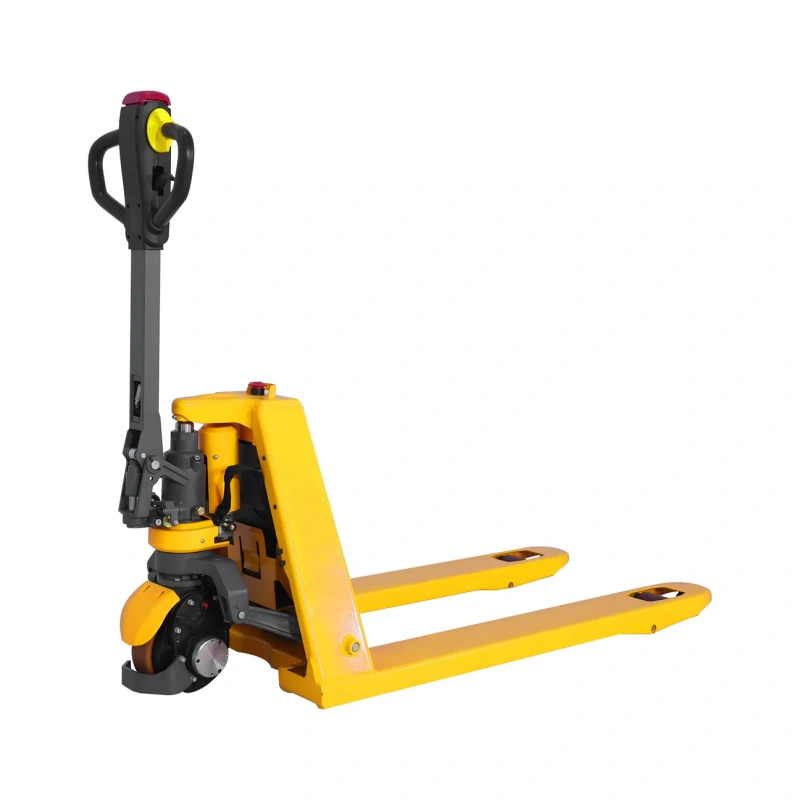
Electric Pallet Jack
Electric pallet jacks reduce operator effort during repeated pallet movement. Walk-behind models work well in receiving, production, and warehouse areas where the operator needs controlled travel and clear visibility.
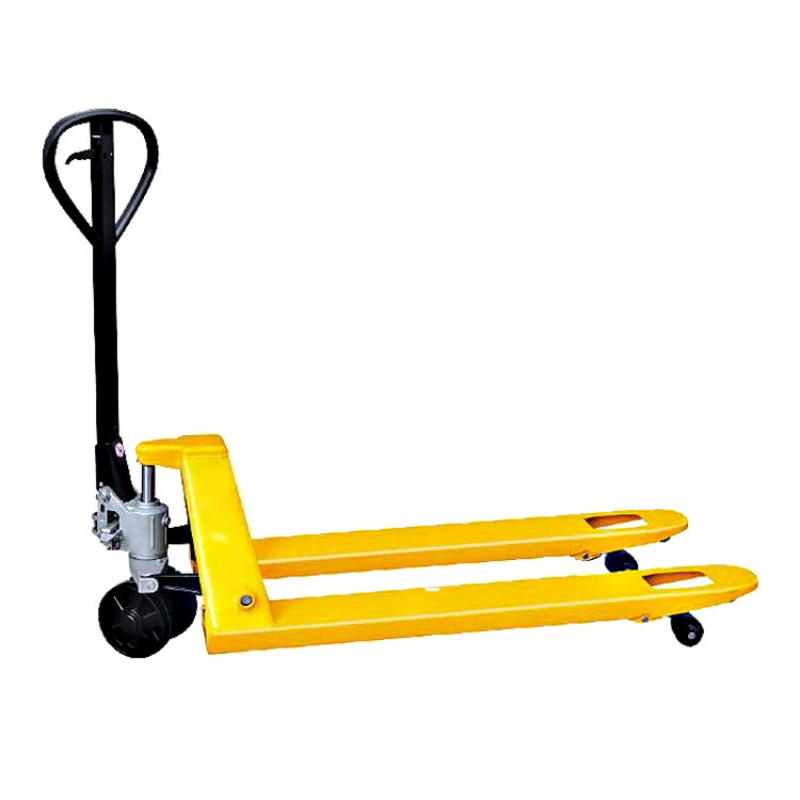
Manual pallet jacks suit routine, short-distance pallet movement in warehouses, stockrooms, loading areas, and retail spaces. They are a practical choice when loads stay near floor level and the surface is smooth and level.
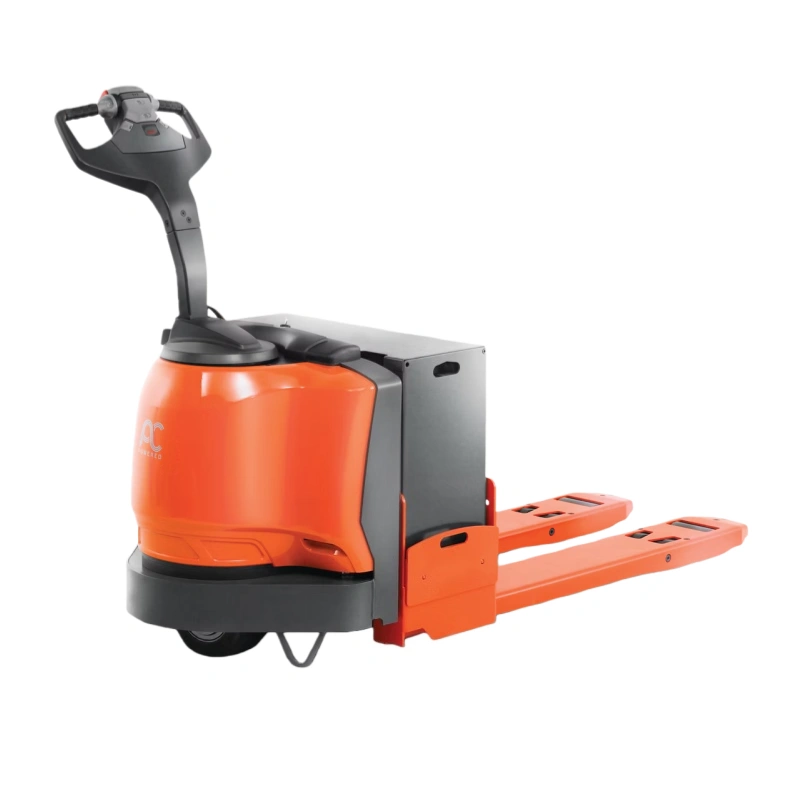
Rider Pallet Jack
Rider pallet jacks are designed for longer travel routes and higher handling frequency. A standing or riding platform can make repeated movement across a large warehouse more efficient.
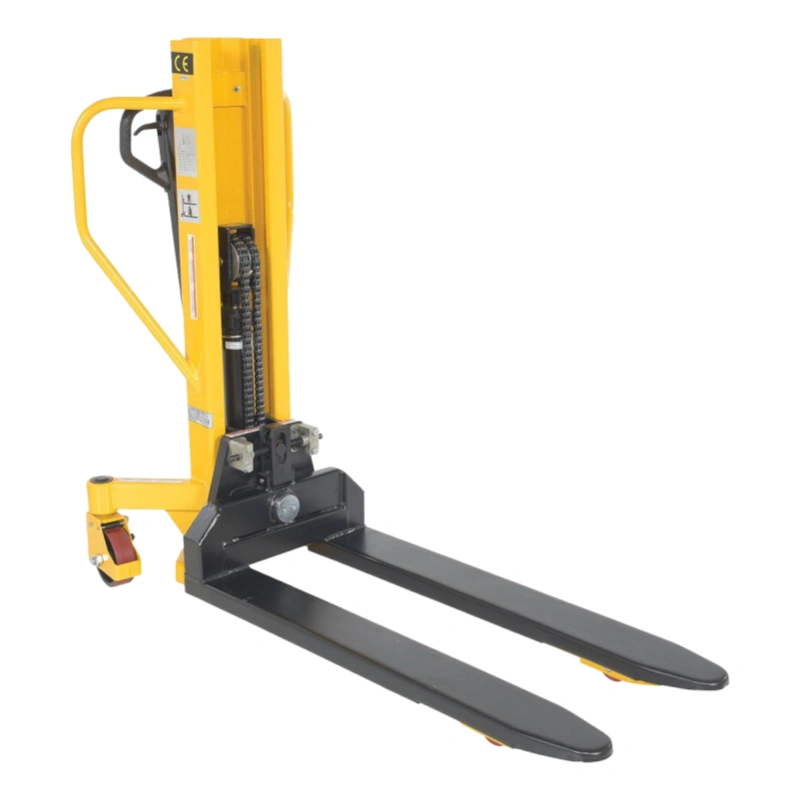
High Lift Pallet Jack
High lift pallet jacks raise loads to a more comfortable working height for packing, sorting, assembly, and order preparation. Confirm the required lift height, capacity, and load stability before ordering.
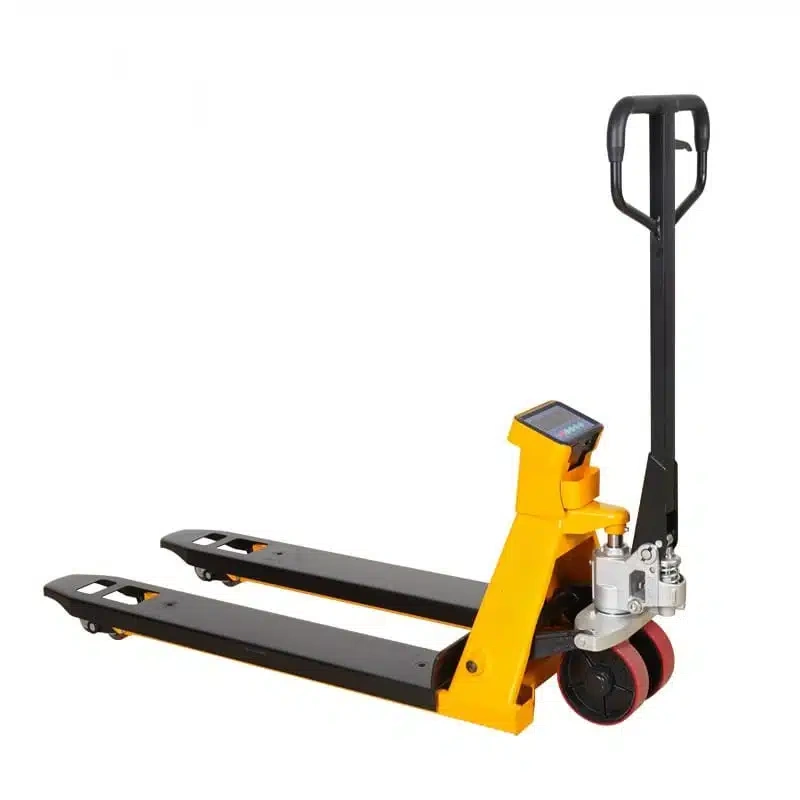
Pallet Jack With Scale
A pallet jack with scale can weigh a load during movement and reduce extra handling steps in receiving, shipping, inventory, and production. Confirm the required weighing range and accuracy for your application.
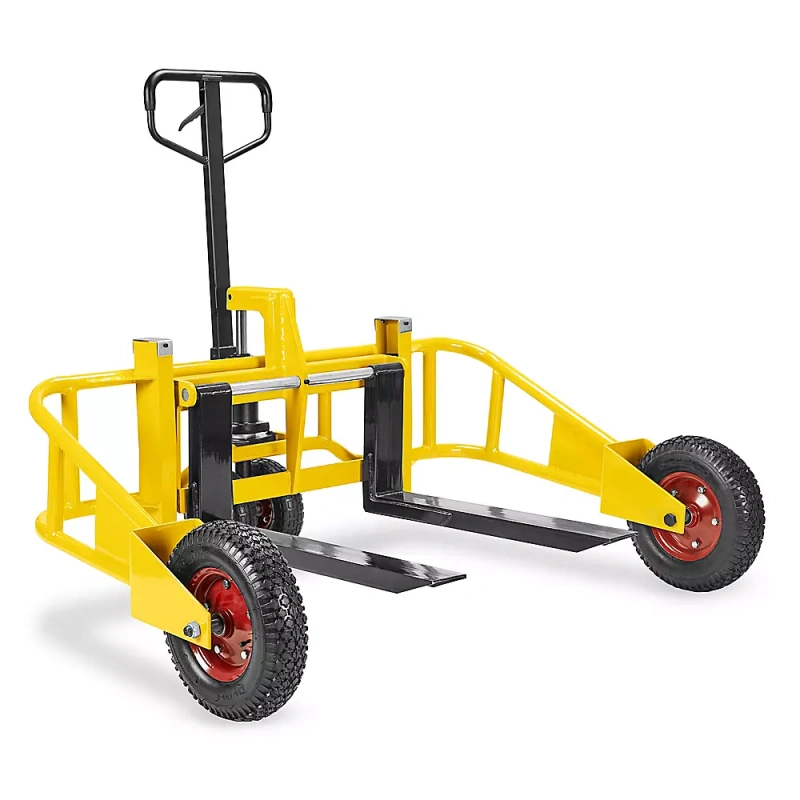
Rough Terrain Pallet Jack
Rough terrain pallet jacks are intended for suitable outdoor or uneven surfaces such as asphalt, gravel, or compacted ground. Confirm the route, load, wheel configuration, and operating limits before use.
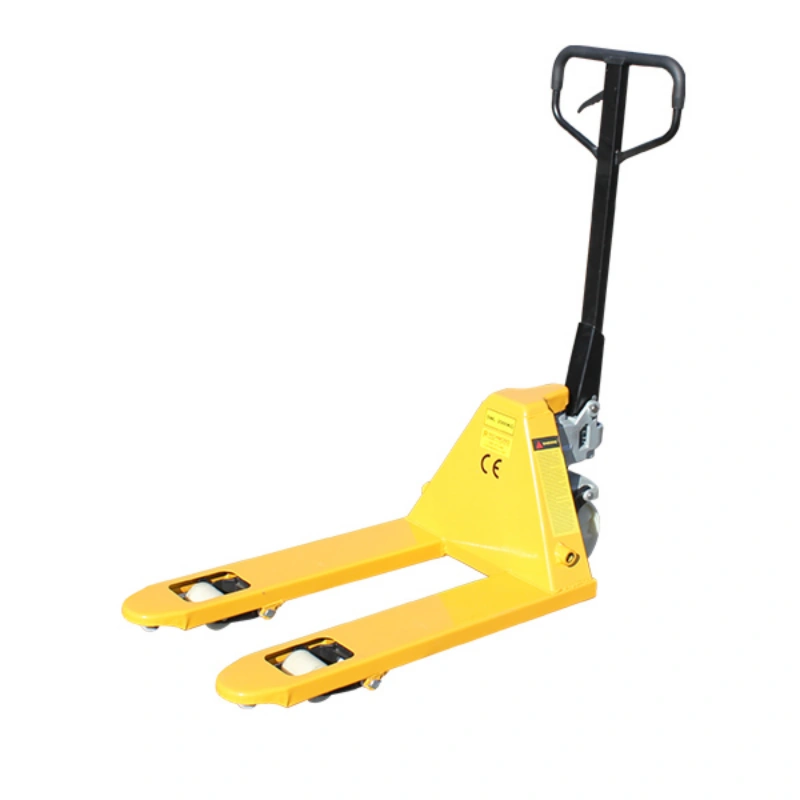
Low Profile Pallet Jack
Low profile pallet jacks help access pallets with reduced entry clearance. Narrow pallet jacks suit restricted aisles and special pallet widths. Confirm fork height, width, entry direction, and turning space before selecting a model.
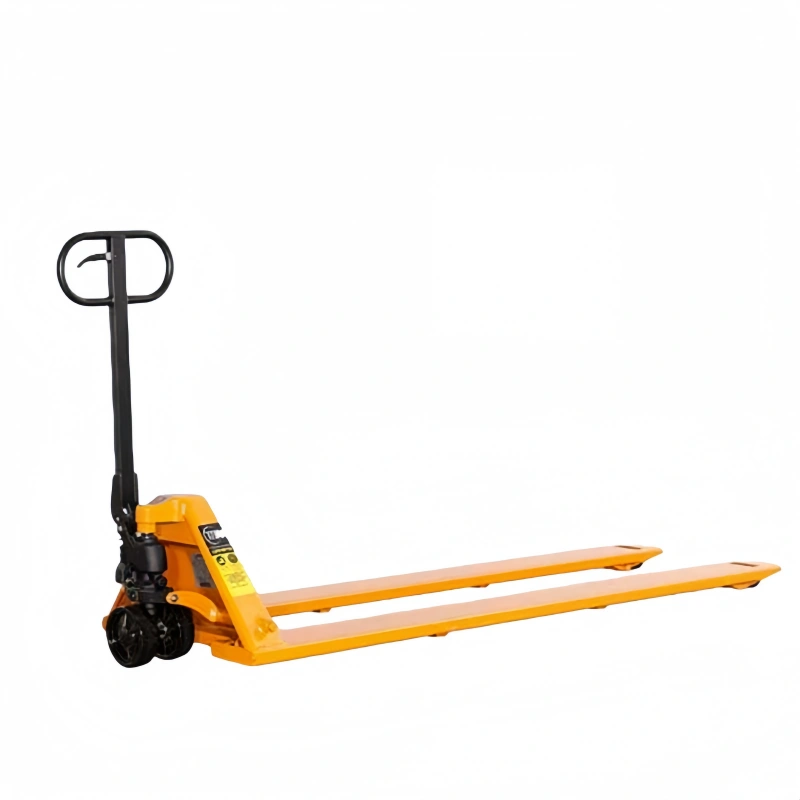
Narrow Pallet Jack
A compact pallet jack with narrow or adjustable forks, designed to handle special loads and move easily through tight aisles and confined spaces.
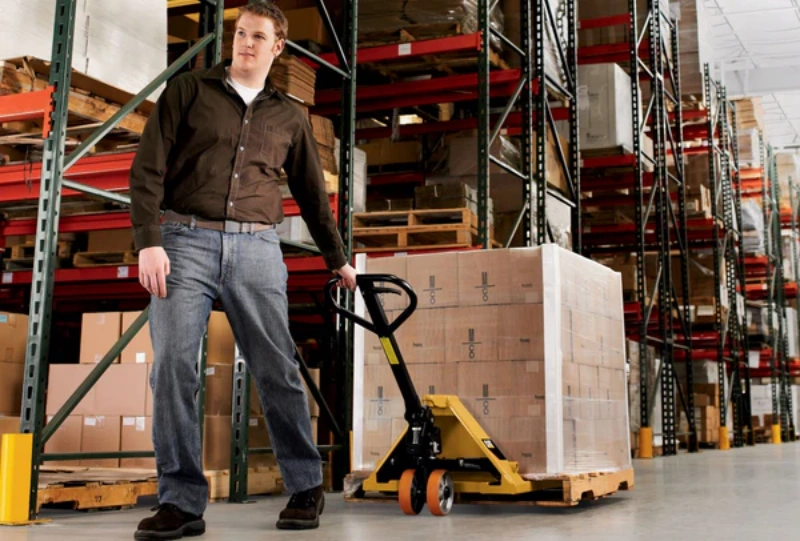
Electric Pallet Jack Options
Electric pallet jacks are a practical choice when operators move pallets frequently, travel longer distances, or handle a high daily workload. Walk-behind models keep the operator behind the machine, while rider models support longer travel routes through large facilities.
Select the powered configuration by reviewing moves per shift, average load, travel distance, charging access, floor conditions, temperature, and required operating time. Battery and duty-cycle requirements should match the real work pattern rather than a single peak load.
The correct electric pallet jack still depends on pallet entry, fork dimensions, capacity, aisle width, turning space, and floor conditions. Send the pallet drawing or dimensions, maximum load, operating route, daily frequency, quantity, and destination so we can recommend a suitable configuration.
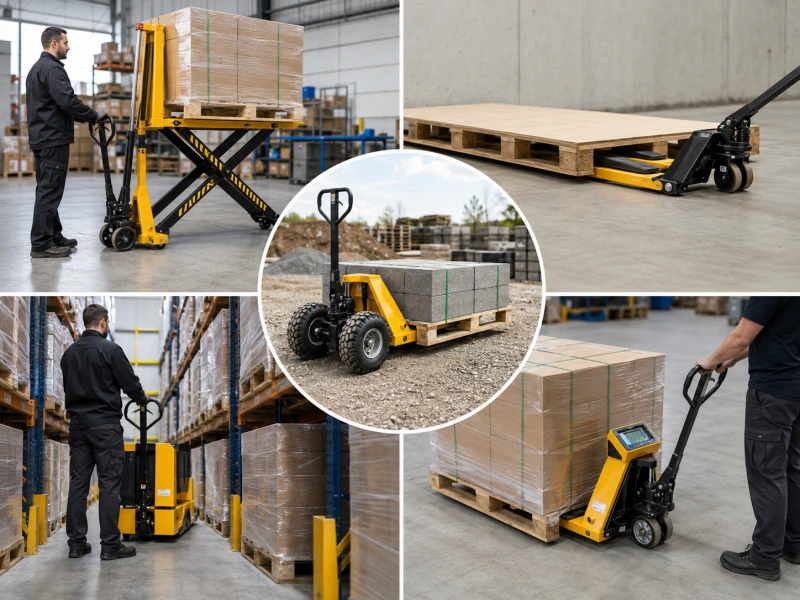
Specialty Pallet Jacks for Specific Applications
Specialty pallet jacks solve problems that a standard configuration may not. High lift models support work-position tasks. Low profile models access reduced-clearance pallets. Rough terrain models address suitable outdoor routes. Narrow models fit restricted aisles. Scale models combine transport with weighing.
Every specialty design has application limits. Send the pallet drawing, maximum load, floor condition, route, handling frequency, clearance, and required dimensions so the proposed configuration can be reviewed before production.
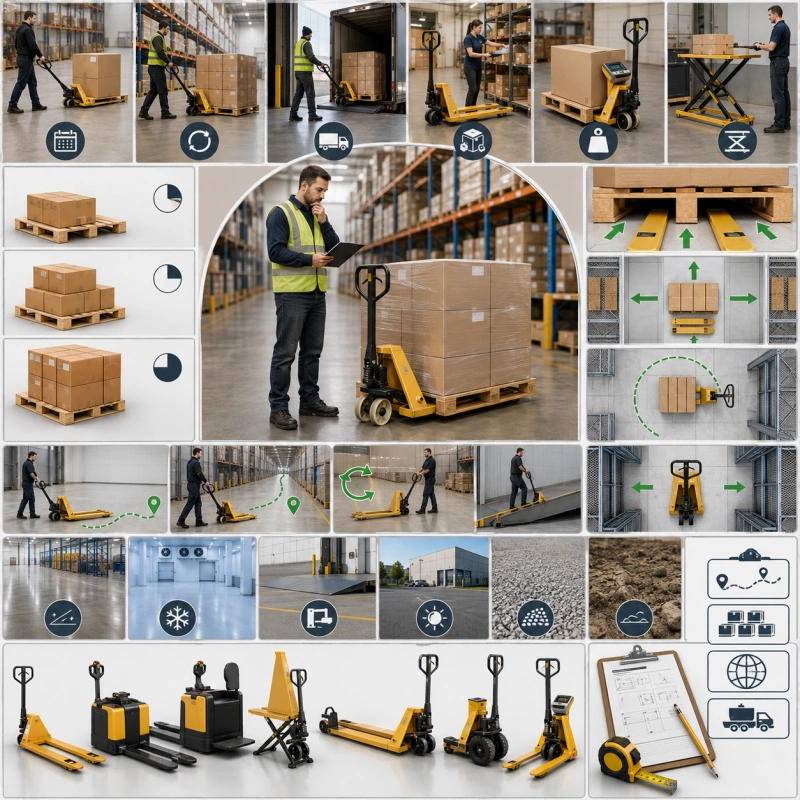
How to Choose a Pallet Jack?
Start with the handling task. Decide whether the equipment will support occasional movement, repeated warehouse transport, loading and unloading, order preparation, weighing, or work-position support.
Then review the operating conditions:
1. Load: confirm the maximum working load, including pallet and packaging.
2. Pallet entry: measure the opening, bottom-board layout, and entry direction.
3. Clearance: check fork height, fork width, aisle width, and turning space.
4. Travel: compare distance, moves per shift, slope, and operator effort.
5. Floor: identify smooth indoor floors, cold storage, loading docks, yards, gravel, or uneven surfaces.
6. Product type: choose manual, electric walkie, rider, high lift, low profile, rough terrain, narrow, or scale equipment.
7. RFQ details: provide dimensions, load, route, quantity, destination, and required documents.
Pallet Jack Applications
Pallet jacks support floor-level material movement in warehouses, distribution centers, factories, receiving areas, production lines, retail backrooms, stockrooms, and loading zones. The right model depends on the pallet, floor, distance, clearance, and handling frequency. For outdoor routes, ramps, rough surfaces, or intensive travel, describe the route before selecting the equipment.
Pallet Jack FAQs
What is a Pallet Jack?
A pallet jack is a material-handling device used to lift and move palletized loads over short distances. Manual and powered models are available for different operating patterns.
Should I choose a manual or electric pallet jack?
Choose manual equipment for occasional, short-distance movement on suitable floors. Consider an electric walkie or rider model when travel is frequent, longer, or physically demanding.
When should I use a high lift pallet jack?
Use a high lift model when a load must be raised to a more comfortable working position for packing, sorting, assembly, or order preparation.
Can pallet jacks be used outdoors?
Some rough terrain models are designed for suitable outdoor surfaces. Standard warehouse models are generally better suited to smooth, level floors.
What is a low profile pallet jack?
A low profile model has reduced fork height for accessing pallets and platforms with limited clearance.
Can you supply pallet jacks with scales or special dimensions?
Powerful Machinery can discuss scale, narrow, low profile, high lift, and other application-specific requirements. Send the load and dimensions for review.
Request a Pallet Jack Quote
Tell us the pallet dimensions, maximum load, floor condition, travel distance, handling frequency, preferred pallet jack type, quantity, destination, and packaging requirements. Powerful Machinery will review the details and recommend a suitable configuration.