You operate an electric hoist machine in demanding environments. Powerful Machinery electric hoists deliver strength and reliability, but even top equipment needs regular preventive attention.
You can boost the lifespan of your electric hoist machine and prevent costly downtime by following practical electric hoist troubleshooting and maintenance steps. Preventive care increases equipment life, enhances safety, and keeps your electric hoist machine ready for heavy work. Consider the industry impact:
Impact Area | Benefit |
|---|---|
Lifespan | Preventive maintenance extends the electric hoist machine’s service life. |
Downtime | Preventive routines reduce unexpected stoppages. |
Cost Savings | Preventive action saves up to 18% in maintenance costs. |
ROI | Every $1 for preventive care saves up to $5 in future repairs. |
You set the standard for electric hoist performance when you make preventive maintenance a priority.
Key Takeaways
Regular maintenance extends the lifespan of your electric hoist by up to 50%. Prioritize preventive care to avoid costly repairs.
Daily inspections for wear and unusual noises are crucial. Catching issues early can prevent unexpected downtime.
Use manufacturer-approved lubricants and cleaning agents. Proper lubrication reduces friction and prevents rust, enhancing safety.
Follow strict lockout procedures during maintenance. This protects you from accidental startup and electrical hazards.
Invest in operator training. Well-trained operators can recognize potential problems and enhance overall safety.
Electric Hoist Troubleshooting and Maintenance
Electric Hoist Failures
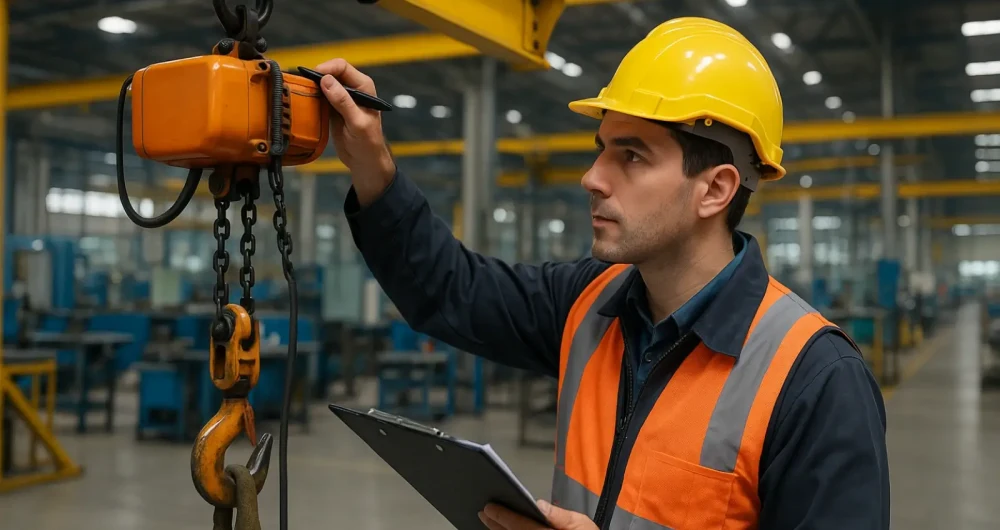
You face many challenges when operating an electric hoist machine in industrial environments. Even with Powerful Machinery’s advanced safety features and robust construction, failures can occur. Recognizing these issues early helps you prevent downtime and costly repairs. The most common electric hoist failures include:
Motor overheating or failure
Brake system malfunctions
Electrical control system faults
Load chain wear, kinking, or damage
Abnormal noise and vibration
Hook and latch assembly issues
Limit switch inaccuracies or failure
Powerful Machinery electric hoists stand out for their built-in overload protection and emergency stop functions. These features help you avoid many common failures, but you must still perform regular electric hoist troubleshooting and maintenance to ensure safe operation.
Diagnosing Electrical Issues
Electrical problems can stop your electric hoist machine from working. You might notice symptoms like the hoist operation being unresponsive, abnormal sounds, or the hoist moving in the wrong direction. To troubleshoot and repair these issues, follow a systematic approach:
Check the power supply at the main line or branch circuit switch.
Inspect for blown fuses or tripped circuit breakers.
Test for electrical continuity in wiring and connections.
Ensure the hoist operates at the correct power voltage and frequency.
Verify that the brake functions properly and does not bind.
You should also regularly inspect the pendant and its cable. Annual checks of the control panel by a qualified electrician help you catch hidden problems. Tighten all electrical connections to prevent failures. Powerful Machinery electric hoists make diagnostics easier with user-friendly controls and clear wiring layouts.
Tip: Use a multimeter to check for control voltage and diagnose issues with contactors. This tool helps you quickly identify faults and restore safe operation.
Motor and Brake Problems
Motor and brake issues can lead to symptoms like overheating, the brake not releasing, or the machine being unable to lift the rated load. You need to address these problems quickly to avoid further damage.
The table below outlines frequent motor and brake problems in Powerful Machinery electric hoists and proven repair techniques:
Problem Type | Description |
|---|---|
Lubrication Issues | Lack of lubrication causes excessive noise and damages gears and bearings. |
Brake Adjustments | Incorrect adjustments lead to unreliable braking and excessive sliding distance. |
Motor Overheating | Overloading or damaged bearings cause the motor to overheat, risking failure. |
Electrical Faults | Faulty wiring or blown fuses affect hoist performance. |
Technique | Description |
|---|---|
Lockout/Tagout (LOTO) Procedures | Isolate power before maintenance for safety. |
Inspecting Power Cords, Plugs, and Connections | Identify wear and electrical hazards. |
Listening to the Motor | Detect issues based on abnormal sounds. |
Testing the Braking System | Ensure the brake holds loads securely and functions correctly. |
You should always listen for abnormal sounds and check for overheating. If you find the brake not releasing, inspect for worn components or misalignment. Powerful Machinery electric hoist machines feature reliable motors and brakes, but regular electric hoist troubleshooting and maintenance keep them in top condition.
Mechanical and Load Chain Issues
Mechanical and load chain issues can cause your electric hoist machine to become unable to lift the rated load or operate unsafely. Common problems include worn-out cables, improper lubrication, and environmental factors. The table below highlights typical issues:
Issue | Description |
|---|---|
Overheating of the Motor | Continuous use or excessive load leads to motor failure. |
Worn-out or Damaged Cables | Frayed cables pose safety risks during lifting. |
Improper or Lack of Lubrication | Moving parts wear out quickly without proper lubrication. |
Electrical Failures | Faulty wiring or blown fuses cause downtime. |
Failure of the Brake System | Malfunctioning brakes risk load stability. |
To prevent these failures, follow these electric hoist troubleshooting and maintenance strategies:
Select the correct chain size and type for your application.
Align and tension the chain properly during installation.
Inspect chains and cables regularly for wear or elongation.
Lubricate moving parts to reduce friction and extend chain life.
Protect the hoist from contamination, extreme temperatures, and humidity.
Use advanced diagnostic tools for real-time monitoring and predictive maintenance.
Powerful Machinery electric hoist machines offer increased efficiency, reduced wear and tear, and ease of operation. You can maximize uptime and safety by following a proactive maintenance schedule.
Regular electric hoist troubleshooting and maintenance extends the lifespan of your equipment by up to 50%, making it a smart investment for any operation.
Electric Hoist Maintenance Methods
Routine Inspection
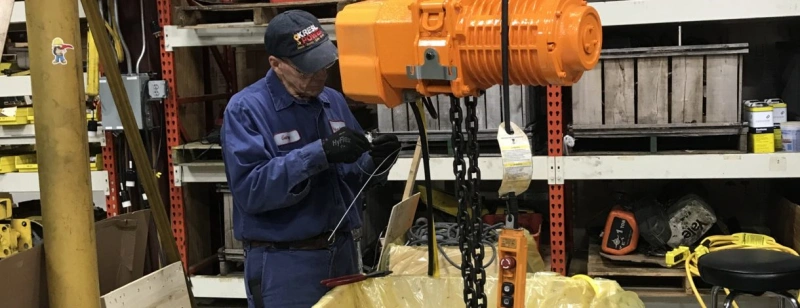
You must follow a strict maintenance schedule to keep your electric hoist machine safe and reliable. Routine inspections form the backbone of electric hoist maintenance methods. Start each day with a visual check for wear or damage. Listen for unusual noises during operation.
Weekly, run a function test to confirm all controls work as designed. Every quarter, inspect electrical connections and control systems. Preventive maintenance every three to six months helps you catch hidden issues before they become serious.
The table below outlines a recommended inspection routine for your electric hoist machine:
Inspection Type | Frequency | Details |
|---|---|---|
Daily Inspection | Daily | Check for visible wear, listen for unusual noises, and document findings. |
Weekly Function Test | Weekly | Function test to ensure operational safety and performance. |
Quarterly Electrical | Quarterly | Inspect electrical connections and control systems for safety. |
Preventive Maintenance | Every 3-6 months | Check critical components against safety standards. |
Lubrication and Cleaning
Proper lubrication and cleaning are essential electric hoist maintenance methods. Use only manufacturer-approved lubricants and cleaning agents for your electric hoist machine. Lubricate the alloy steel chain and gears to reduce friction and extend service life.
Cleaning removes dust and debris that can cause wear. Lubrication also prevents rust, absorbs vibration, and seals out moisture. You improve safety and efficiency when you keep your electric hoist machine clean and well-lubricated.
Product Type | Recommendation | Purpose |
|---|---|---|
Lubricant | Manufacturer-approved lubricants | Designed for alloy steel chains and gears |
Oil | 10R oil from Lubriplate | Protects the chain under heavy loads, reduces friction |
Cleaning Agent | Manufacturer-approved cleaning agents | Ensures cleanliness and maintenance efficiency |
Load Testing
Load testing is a critical part of electric hoist maintenance methods. You must test your electric hoist machine at 100% to 125% of its rated load, following OSHA and ASME standards. Before testing, run the hoist through all motions without a load. Listen for abnormal sounds and check limit switches.
During the test, verify that the hoist can safely lift and lower the test load. Document all results for future diagnosis and compliance.
Wire Rope and Chain Care
Wire rope and chain care are vital electric hoist maintenance methods. Inspect the wire rope and chain before each use. Look for broken wires, kinks, corrosion, or reduced diameter. Replace any component that shows signs of serious wear. Store your electric hoist machine in a dry, cool place to prevent rust.
Coil the chain or rope neatly to avoid tangles. Increase inspection frequency if you use the hoist outdoors or in harsh conditions. Proper care ensures safe operation and extends the life of your electric hoist machine.
Electric Chain Hoist Failures
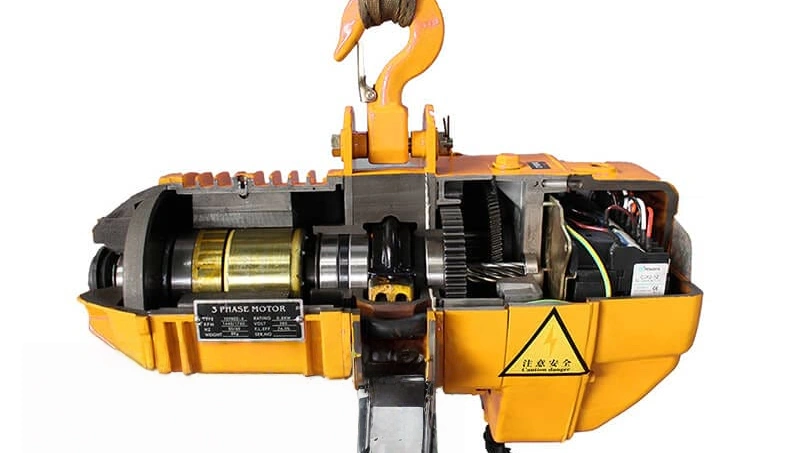
Common Failure Types
You may encounter several electric chain hoist failures during daily operations. Powerful Machinery’s certified electric hoist machines are engineered for reliability, but even the best equipment can face issues. The table below highlights the most common electric chain hoist failures you should watch for:
Failure Type | Description |
|---|---|
Control Failure | Issues in the control circuit or controller damage can stop intended movements. |
Brake Failure | Insensitive or non-functional brakes pose safety risks and require checks or replacement of worn pads. |
Circuit Failure | Contactor coil short circuits can disrupt the electrical circuit and require prompt replacement. |
You may also notice pitting, fatigue fractures, or wear in the interlink areas of the chain. These problems can lead to unsafe lifting conditions if not addressed quickly.
Note: Poor maintenance causes up to 70% of electric chain hoist failures. You can prevent 80% of downtime with routine inspections. One hour of downtime can cost your operation over $1,000.
Troubleshooting Steps
You need a systematic approach to resolve common electric chain hoist repair problems. Start with these steps:
If your electric hoist machine does not respond, check power sources and connections. Inspect for overload conditions. Verify internal wiring integrity.
If you hear abnormal noise during operation, stop the hoist. Check the power phase and inspect bearings. Consult a professional if necessary.
If the hoist moves in the wrong direction, check the phase sequence and wiring.
If the hoist cannot stop or slides after stopping, cut off power. Check the contactor and adjust the brake nut. Replace worn parts as needed.
The table below summarizes frequent problems and recommended troubleshooting actions:
Problem Description | Potential Causes | Recommended Solutions |
|---|---|---|
No response to controls | Power supply issues, circuit failures | Check the main power switch, fuses, circuit breakers, and wiring connections. |
Cannot stop or slide | Damaged braking system, limit switch issues | Cut off power, check the contactor, adjust the brake nut, and replace worn parts. |
Motor overheating | Overloading, worn bearings | Ensure load is within limits, clean or replace bearings. |
Transmission oil leakage | Worn seal ring, loose bolts | Replace the seal, tighten the bolts as per instructions. |
Repair Solutions
You should always use certified repair methods for your electric hoist machine. Powerful Machinery recommends professional repairs to maintain safety and performance. For effective repair solutions, follow these guidelines:
Use only OEM parts for all repairs to ensure compatibility and reliability.
Follow manufacturer specifications for every repair to guarantee safety.
Rely on professional services for repairs involving motors, transformers, circuit breakers, wiring, lighting, control panels, and grounding systems.
Address motor repairs if you notice overheating or unexpected shutdowns.
Repair transformers if you detect reduced power or humming noises.
Replace or repair circuit breakers if tripping occurs often.
Inspect and repair wiring and conduits if you find exposed wires or frequent trips.
Repair lighting if you notice non-functional or flickering lights.
Service control panels and switchgear if warning lights or unresponsive switches appear.
Repair grounding systems to prevent electrical shocks.
Tip: Certified repairs protect your electric hoist machine and ensure compliance with international safety standards. You maintain the value and reliability of your electric hoists by choosing professional repair services.
Safety Practices for Electric Hoist Operation
Lockout and Power Isolation
You must follow strict safety rules when performing maintenance or repairs on an electric hoist. Lockout and power isolation procedures protect you from accidental startup and electrical hazards. Always disconnect the main power supply before you begin work.
Use lockout devices and tags to signal that the equipment is under maintenance. Powerful Machinery electric hoists feature real-time monitoring systems that alert you to active circuits and potential risks. These systems enhance safety and support operational safety by minimizing unexpected incidents.
Professional Servicing
You should rely on certified technicians for complex repairs and inspections. Professional servicing ensures that your electric hoist meets international safety standards, including ISO9001 and OSHA. Technicians use advanced diagnostic tools to check limit switches, brake systems, and electrical components.
Powerful Machinery recommends using only OEM parts and following manufacturer guidelines for every repair. This approach maintains operational safety and prevents equipment failure.
Tip: Schedule regular professional inspections to detect hidden issues and keep your electric hoist in optimal condition.
Operator Training
Operator training forms the foundation of safe operation. You need to understand the user manual and nameplate to operate the electric hoist correctly. Powerful Machinery offers training simulators with VR and AR technology, allowing you to practice emergency responses in a safe environment.
Training covers adjusting upper and lower limit stops, checking brake systems, inspecting steel wire ropes, and conducting insulation resistance tests. Well-trained operators enhance safety and reduce the risk of accidents.
Emergency Response
You must prepare for emergencies to ensure operational safety. Powerful Machinery electric hoists include automated limit switches and sensors that detect hazardous conditions and prevent over-travel.
Remote operation capabilities allow you to control the hoist from a safe distance during emergencies. Establish clear emergency procedures and conduct regular drills. Quick response minimizes injury and equipment damage.
Safety Feature | Description |
|---|---|
Real-time Monitoring Systems | Immediate feedback on equipment status and alerts for overheating or excessive load. |
Automated Limit Switches and Sensors | Prevents over-travel and detects hazardous conditions. |
Training Simulators | VR and AR for immersive training and emergency preparedness. |
Remote Operation Capabilities | Enables safe operation from a distance in hazardous environments. |
You set the standard for operational safety by following these safety rules and using Powerful Machinery’s certified electric hoist features. Consistent training, professional servicing, and emergency preparedness enhance safety and ensure safe operation every day.
Conclusion
You protect your team and equipment when you prioritize regular maintenance, prompt troubleshooting, and strict safety practices for Powerful Machinery Electric Hoists. Operator training and professional inspections play a key role in reducing risks and extending the lifespan of your hoists.
The table below highlights how these actions improve your workplace:
Practice | Impact on Safety and Lifespan |
|---|---|
Reduces accident risk and extends equipment lifespan | |
Proper operator training | Enhances safety by recognizing potential problems |
Scheduled professional inspections | Ensures compliance and reliable operation |
Adopt these strategies to maximize performance and create a culture of responsibility in every lifting operation.
FAQ
How often should you inspect your electric hoist?
You should inspect your electric hoist daily for visible wear and unusual noises. Schedule a more detailed inspection every three to six months. This routine helps you catch issues early and maintain reliable operation.
What should you do if your hoist stops working suddenly?
First, check the main power supply and all connections. Inspect fuses and circuit breakers. If you cannot find the problem, contact a certified technician for further diagnosis and repair.
Can you perform maintenance on your electric hoist yourself?
You can handle basic maintenance tasks like cleaning, lubrication, and visual inspections. For complex repairs or electrical issues, you should always use a qualified professional to ensure safety and compliance.
What is the best way to store your electric hoist?
Store your electric hoist in a dry, cool place. Coil the chain or wire rope neatly. Protect the equipment from dust and moisture to extend its service life.
How do you ensure safety during hoist operation?
You must follow all manufacturer guidelines and lockout procedures. Train operators regularly. Use only certified parts and schedule professional inspections. These steps help you maintain a safe work environment.