You need to use a grab hook with precision and care to ensure your safety and maintain the full strength of your lifting system. Proper grab hook chain usage prevents accidents and keeps your equipment performing at its best.
Powerful Machinery delivers certified, high-quality grab hooks trusted in demanding environments. By following the right steps, you avoid common errors and secure your load with confidence.
Key Takeaways
Always inspect grab hooks and chains for cracks or wear before use. This simple step enhances safety and prolongs equipment life.
Match the grab hook size to the chain size to prevent accidents. Using the wrong size can create weak points in your lifting system.
Position the grab hook on the smooth, non-welded side of the chain link. This ensures a secure grip and reduces the risk of failure.
Follow the step-by-step instructions for attaching grab hooks. Proper technique is crucial for safe and effective lifting operations.
Regularly maintain and store grab hooks properly. Clean and lubricate them to ensure reliable performance and extend their service life.
What Is a Grab Hook?

Powerful Machinery stands as a trusted leader in the manufacturing of grab hooks and rigging hardware. You can rely on their certified products for demanding lifting, towing, and load control applications.
Their grab hooks deliver consistent performance and safety, making them a top choice for professionals in construction, marine, and transportation industries.
Design and Features
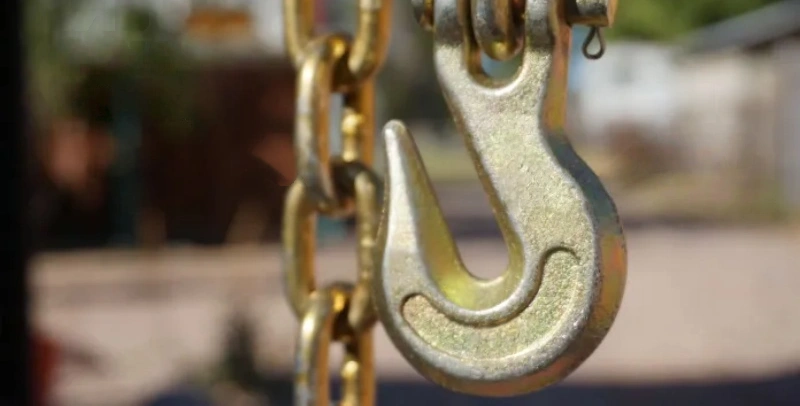
A grab hook features a unique design that allows you to secure a chain quickly and safely. The shallow throat opening prevents the chain from slipping off during use. The sharp, curved edges grip chain links or irregular objects with precision.
You will find that the closed or semi-closed shape enhances load retention, while the narrow throat ensures a firm hold without the need for a latch.
Grab hooks from Powerful Machinery are made from heat-treated forged steel or high-strength alloy steel. These materials provide excellent load-bearing capabilities and resist wear, even in harsh environments.
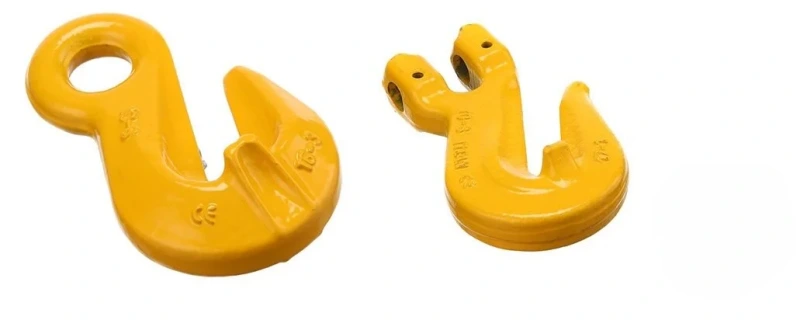
You can choose from several types, such as clevis grab hooks for quick attachment, sling grab hooks for secure lifting, and delta grab hooks for even load distribution. Each type serves a specific purpose, so you can match the hook to your application.
Tip: Always inspect the hook for any signs of wear or deformation before each use. This simple step helps you maintain safety and prolongs the life of your equipment.
Chain Compatibility
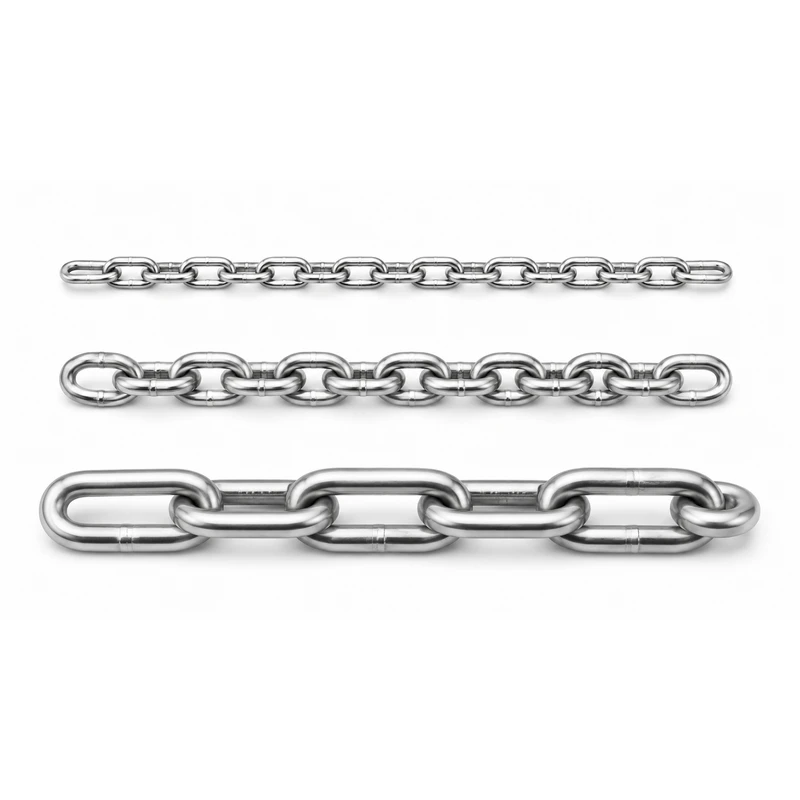
Proper grab hook chain usage depends on matching the hook size to the chain size. If you use the wrong size, you risk creating weak points in your safety system. This can lead to accidents or equipment failure.
You must ensure the hook’s throat opening and bowl diameter fit the chain link size. Only use hooks rated for the chain grade to maintain safety under load.
Key Consideration | Explanation |
|---|---|
Throat Opening & Bowl Diameter | Match these to the chain link size to prevent slippage. |
Hook Rating | Use hooks rated for the chain grade to ensure safety. |
Avoid Forcing | Never force a chain into a hook that is too small. |
If you match the hook to the chain’s size and working load limit, you create a stable and secure connection. This practice reduces the risk of accidents and ensures reliable performance every time.
Why Proper Use Matters?
You must understand the risks involved with improper grab hook usage. When you use a grab hook incorrectly, you compromise the strength and safety of your lifting operation. Improper rigging causes nearly one-third of all load drops.
Safety and Strength
If you select the wrong hook or fail to seat it properly, you increase the chance of accidents and equipment failure. Fatigue cracks can develop on hooks after repeated stress, which may lead to structural failure. Deformation of hooks reduces their load-bearing capacity and puts your team at risk.
Powerful Machinery ensures every grab hook meets strict international safety standards. You benefit from products certified by OSHA, ANSI/ASME, and other global authorities.
Safety latches are required for most overhead lifting operations. These certifications guarantee that your equipment performs reliably in demanding environments.
Tip: Always check for visible cracks or deformation before each use. This simple inspection helps you avoid unexpected failures and keeps your operation safe.
Common Mistakes
Many users make mistakes that reduce the effectiveness of grab hook chain usage. You might place the hook on the welded side of the chain link, which increases stress and the risk of failure. Always position the grab hook on the smooth, non-welded side.
Failing to seat the hook fully into the chain link can cause the hook to slip off during use. Using a cheater bar to force the hook or chain overloads the equipment and can lead to sudden failure. Not accounting for changes in load direction, such as shifting from vertical to diagonal pulls, may overload the hook or chain.
Risk Description |
|---|
Improper hooking can weaken the grip of the chain, leading to accidents and unexpected slips during lifting operations. |
Many users place the grab hook on the welded side of the chain link, which increases stress and the risk of failure. Always position the grab hook on the smooth, non-welded side of the link. |
Failing to seat the hook fully into the chain link can cause the hook to slip off during use. |
Using a cheater bar to force the hook or chain can overload the equipment and lead to sudden failure. |
Not accounting for load direction changes, such as shifting from vertical to diagonal pulls, which can overload the hook or chain. |
You protect your equipment and your team when you follow certified procedures and avoid these common mistakes. Powerful Machinery’s commitment to safety and reliability gives you confidence in every lift.
How to Use a Grab Hook? Step-by-Step Guide
Step-by-Step Instructions
You need to follow a precise process for safe and effective grab hook chain usage. Proper technique ensures the hook holds the load securely and prevents accidents. Use these steps every time you attach a grab hook to a chain:
Inspect the grab hook and chain for cracks, deformation, or wear before use.
Select the correct hook and chain size for your application. Confirm that both are compatible and rated for the load.
Position the grab hook over the chain link so the hook sits perpendicular to the link.
Slide the hook down onto the link, making sure the hook seats fully in the bowl of the link.
Never hook onto the welded side of the chain link. Always use the smooth, non-welded side.
Avoid using tools like cheater bars to force the hook or chain into position.
Confirm that the chain is not twisted and the hook is not side-loaded.
For clevis grab hooks, secure the chain with the clevis pin and bolt system.
Double-check that the hook is fully engaged and the safety latch (if present) is closed.
Tip: Always seat the hook fully into the chain link to prevent slippage during lifting or tie-down operations.
Ensuring Full Load Rating
Maintaining the full load rating of your grab hook is essential for safety and performance. You must understand the working load limit (WLL) and never exceed it. The WLL is the maximum safe weight a grab hook can support under normal conditions.
Always check that the WLL is clearly marked on the hook. Never use unmarked or damaged equipment.
Best Practice | Description |
|---|---|
Inspect Before Use | Check for cracks, deformation, or wear on the hook, latch, and pivot points. |
Match Capacity to Load | Ensure the grab hook’s working load limit (WLL) exceeds the maximum weight it will handle. |
Proper Engagement | Fully seat the chain or sling in the hook bowl and confirm the safety latch is closed. |
Regular Maintenance | Clean after use and lubricate moving parts as recommended by the manufacturer. |
Store Correctly | Keep grab hooks in a dry, organized rigging kit to prevent damage. |
Follow these guidelines to maintain the full load rating:
The WLL is determined through rigorous testing and should never be exceeded.
Exceeding the WLL can lead to catastrophic failure, injury, or death.
Always match or exceed the WLL to the maximum expected load in your operation.
Consider derating the WLL for dynamic loads or shock loading, which can increase stress on the hook.
A safety factor of 4:1 to 5:1 is typical. For example, a hook with a 5,000 lb WLL should withstand at least 20,000 lbs.
Regular inspections for deformation or wear are crucial to maintain effective WLL.
Note: Regular grab hook chain usage inspections help you identify wear or damage before it becomes a safety issue.
Powerful Machinery Product Tips
You can maximize safety and performance by following these product-specific tips from Powerful Machinery:
Inspect hooks before each use. Look for wear, cracks, or other damage.
Choose the right hook and chain for your job. Always ensure compatibility and proper rating.
Position the hook correctly to prevent damage and ensure secure load control.
Attach the chain securely using the clevis pin and bolt system for clevis grab hooks.
Use appropriate hitch angles for load handling. Distribute loads evenly to avoid dangerous situations.
Inspect chains for wear before each use. Never overload the grab hook.
Store hooks in a dry, organized rigging kit to prevent corrosion and accidental damage.
Best Practices for Avoiding Side Loading |
|---|
Seat hooks fully in the lifting points |
Avoid side-loading hooks |
Ensure chain legs are not twisted |
Use grab hooks only on compatible chain links |
Proper connection is essential for lifting chain safety |
Tip: Consistent grab hook chain usage with Powerful Machinery products ensures reliable performance and reduces the risk of accidents.
By following these steps and best practices, you protect your team and your equipment. You also extend the service life of your grab hooks and chains, ensuring safe and efficient lifting operations every time.
Maintenance and Best Practices
Inspection and Care
You need to inspect your grab hooks and chains regularly to ensure safe operation. Daily checks help you spot cracks, deformation, or wear before they become serious problems. Use the following table to guide your inspection schedule:
Inspection Type | Frequency |
|---|---|
Daily Visual Inspections | Before the first operation on any work shift |
Frequent Inspections | At the start of every shift |
Periodic Inspections | At least four times a year |
For heavy-duty jobs, increase the frequency of inspections. You should:
Inspect clevis grab hooks daily or weekly if you use them every day.
Perform a monthly inspection for normal operations.
Check hooks weekly or monthly for heavy-duty work.
Complete a full inspection at least once a year.
During each inspection, look for signs of bending, cracks, or corrosion. Clean your hooks after each use and store them in a dry place. Lubricate moving parts as recommended by the manufacturer.
These steps help you maintain the full strength and reliability of your equipment. Consistent grab hook chain usage and care reduce the risk of unexpected failures.
Tip: Replace any hook or chain that shows signs of damage. Never use equipment that does not pass inspection.
Custom Solutions from Powerful Machinery
You can rely on Powerful Machinery for expert support and custom solutions. The company offers a wide range of grab hooks and sling hooks in different sizes and load ratings. You will find clear compatibility charts for each product, making it easy to select the right hook for your needs.
If you have unique requirements, Powerful Machinery provides custom-engineered solutions. You can consult with their rigging professionals for technical advice and product selection. This support ensures you meet safety standards and achieve the best results for your lifting operations.
Powerful Machinery stands ready to help you with every aspect of your project, from initial consultation to final delivery.
Note: Choosing the right partner for your lifting needs gives you peace of mind and reliable performance in every job.
Conclusion
You ensure safe and effective grab hook chain usage by following these key steps:
Align the hook and chain link for stability.
Secure the connection with the proper pin or latch.
Inspect all components before lifting.
Using the correct hook and chain combination prevents equipment failure and protects your team.
Choose certified grab hooks from Powerful Machinery for superior strength, durability, and peace of mind. Regular inspection and proper technique keep your lifting operations safe and reliable.
Benefit | Description |
|---|---|
Superior Strength | Handles heavy loads without deformation. |
Enhanced Durability | Resists cracking and extends service life. |
FAQ
What is the main difference between a grab hook and a slip hook?
A grab hook locks onto a specific chain link and holds the load in a fixed position. A slip hook allows the chain to move freely for adjustable length. You should choose based on your load control needs.
How do you select the right grab hook for your chain?
You must match the hook size and grade to your chain. Check the manufacturer’s compatibility chart. Never force a chain into a hook. Always verify the working load limit before use.
Can you use grab hooks for overhead lifting?
Yes, you can use grab hooks for overhead lifting if they are rated and certified for that purpose. Always check for proper markings and certifications. Powerful Machinery grab hooks meet international safety standards.
How often should you inspect your grab hooks?
You should inspect grab hooks before each use. Look for cracks, deformation, or wear. For heavy-duty operations, increase inspection frequency. Replace any hook that shows signs of damage.
Does Powerful Machinery offer custom grab hook solutions?
Yes, Powerful Machinery provides custom-engineered grab hooks. You can request non-standard sizes, special coatings, or unique packaging. Contact their technical team for tailored solutions that fit your project requirements.