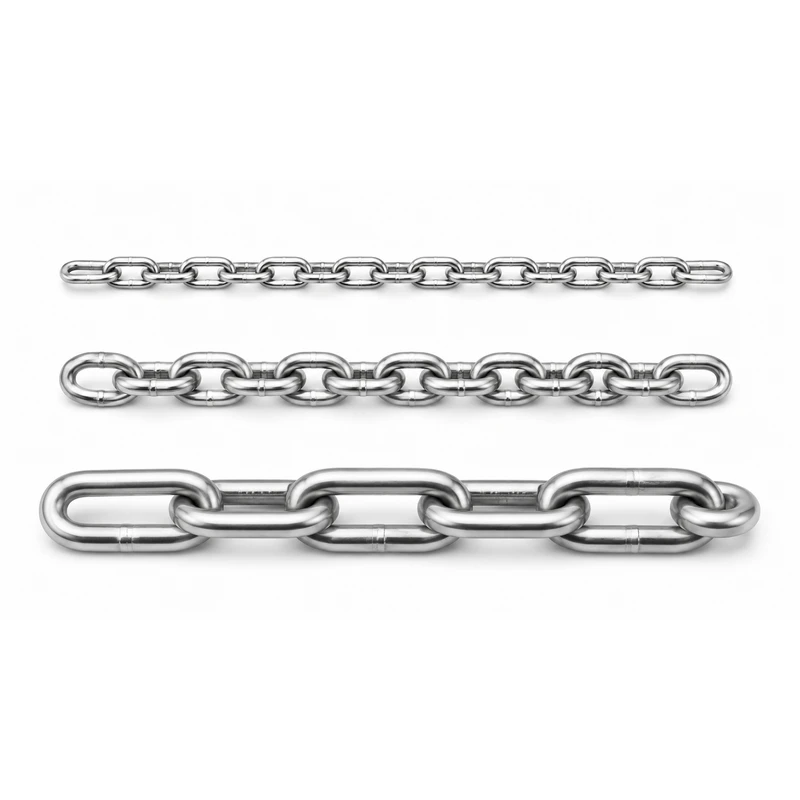
A weldless chain is a chain whose links are joined by mechanical interlocking, not welding. When you ask what a weldless chain is, you discover it works best for decorative projects, light-duty hanging, or any non-load-bearing application.
You can easily adjust or customize these chains to fit your needs. Powerful Machinery offers high-quality weldless chains you can trust for reliability and flexibility in both commercial and residential settings.
Key Takeaways
Weldless chains use mechanical interlocking links, making them flexible and easy to customize for decorative or light-duty tasks.
These chains are lightweight and simple to handle, allowing for quick installation and adjustments without special tools.
Weldless chains are ideal for non-load-bearing applications, such as hanging signs or supporting lightweight items, but should not be used for heavy lifting.
Choosing the right material, like stainless steel or galvanized steel, enhances durability and suitability for different environments.
Regular maintenance, including cleaning and inspections, helps extend the life of weldless chains and ensures safe use.
What is Weldless Chain?

When you want to understand what a weldless chain is, you need to look at how each link connects. This type of chain uses a mechanical interlocking design instead of welding. You see each link shaped and closed by bending or twisting, not by melting metal together.
This design gives you a chain that is flexible, easy to adjust, and perfect for decorative or light-duty tasks.
Mechanical Link Design
You might wonder how the mechanical link design affects the performance of a weldless chain. The answer lies in the way each link is formed and connected. The links have rounded contours and smooth transitions. This shape reduces stress at the bends and joints, which helps the chain last longer and move more freely.
The links also have a uniform cross-section, so you get consistent strength throughout the chain.
Proper alignment geometry keeps the links from binding or twisting out of place. You do not have to worry about weak spots from weld seams, because there are none. This makes the chain more reliable for non-load-bearing uses. The table below shows how these design features benefit you:
Design Feature | Benefit |
|---|---|
Rounded contours and smooth transitions | Reduce stress risers at bends and joints, enhancing durability and flexibility. |
Uniform cross-sections | Ensure consistent load-bearing capacity throughout the fitting. |
Proper alignment geometry | Prevents misalignment and binding, contributing to overall strength. |
No weld seams | Avoids potential weaknesses associated with welded joints. |
When you ask what a weldless chain is, you see that the mechanical design gives you a chain that is easy to handle and adjust. You can open and close links with simple tools, which makes customization quick and convenient.
Weldless vs Welded Chain
You may compare weldless chains to welded chains to decide which fits your needs. Welded chains have links fused by heat, creating a permanent bond. This process gives welded chains higher strength for heavy lifting or load-bearing tasks. However, welded chains are less flexible and harder to adjust.
Weldless chains, on the other hand, offer you more flexibility and ease of use. You can open or close links as needed, which is helpful for decorative projects or hanging lightweight items. If you want to know what a weldless chain is, remember that it is not designed for lifting heavy loads.
Instead, it gives you a practical and attractive solution for tasks where strength is less important than appearance and adjustability.
You will find weldless chains in homes, stores, and creative projects. They are popular for hanging signs, supporting plants, or adding a decorative touch to displays. When you choose a weldless chain, you get a product that is easy to work with and fits many non-load-bearing applications.
Manufacturing Process
How Weldless Chains Are Made?
You might wonder how manufacturers create weldless chains that offer flexibility and reliability. The process starts with selecting the right metal rods. Workers shape each rod into individual pins, which will become the links. They form the pins using specialized tools to achieve the desired contours and strength.
After forming, technicians prepare the links for assembly. Instead of welding, they use mechanical interlocking methods to join the links. This approach keeps the chain lightweight and easy to adjust.
You can follow these steps to understand the typical manufacturing process:
Receive and process metal rods.
Make each pin for the chain links.
Form the pins into the correct shape.
Prepare links for mechanical interlocking.
Assemble links without welding.
Check calibration and tolerances for quality.
Apply heat treatment if required for extra durability.
Tip: Mechanical interlocking ensures you get a chain that is easy to customize and adjust for decorative or light-duty uses.
Materials Used
Choosing the right material is essential for weldless chains. You see different metals used based on the application and environment. Stainless steel gives you excellent corrosion resistance, making it ideal for marine or chemical settings. Carbon steel provides high tensile strength at a lower cost.
Alloy steel, such as Grade 80, delivers certified lifting capacities for specialized needs. Galvanization adds a zinc coating to protect against rust, while hot-dip galvanization offers even greater protection in harsh conditions.
Here is a table showing common materials and their properties:
Material | Properties |
|---|---|
Stainless Steel | Optimal corrosion resistance for marine and chemical environments. |
Carbon Steel | High tensile strength at lower costs. |
Alloy Steel (G80) | Certified lifting capacities. |
Galvanization | Critical corrosion protection through zinc coating application. |
Hot-dip Galvanization | Superior protection compared to electro-galvanizing, especially in harsh environments. |
When you ask what a weldless chain is, you discover that the choice of material affects the chain’s durability, appearance, and suitability for different tasks. Powerful Machinery offers weldless chains in a variety of materials and finishes, so you can select the best option for your project.
Features of Powerful Machinery Weldless Chains

Flexibility and Customization
You want a chain that adapts to your needs. Powerful Machinery weldless chains give you unmatched flexibility. You can open and close links with basic tools. This feature lets you adjust the length or shape of the chain for any project. You can create custom designs for hanging plants, displaying signs, or decorating spaces.
The non-welded design means you do not need special equipment to modify the chain. You can easily add or remove links as your requirements change.
You also get a wide range of finishes and sizes. Choose from polished, galvanized, or stainless steel to match your environment. You can select the link diameter and chain length that best fit your application.
If you need a unique solution, Powerful Machinery offers custom manufacturing services. You can work with their team to design a chain that meets your exact specifications.
Tip: Customization helps you achieve the perfect look and function for your decorative or light-duty project.
Lightweight and Easy Handling
Handling heavy chains can slow down your work. Powerful Machinery weldless chains solve this problem. Their lightweight construction makes them easy to carry, install, and adjust. You can use them in places where traditional welded chains would be too bulky or difficult to manage.
The table below shows typical specifications for Powerful Machinery weldless chains and how these features impact handling:
Chain Specification | Typical Range/Values | Recommended Applications |
|---|---|---|
Material Type | Low-carbon steel, Galvanized steel, Stainless steel | General use, Outdoor/marine, Corrosive/hygienic environments |
Link Diameter | 1/4″ to 1.” | Larger diameters for heavy lifting; smaller for flexibility |
Tensile Strength | 2,000–20,000+ lbs | Must exceed maximum load with a safety margin |
Chain Grade | 30, 43, 70, 80, 100 | Utility, Marine, Transport, Lifting, Critical lifting |
You can see that smaller link diameters and lighter materials make these chains easy to handle. You can quickly install them for decorative or utility purposes. When you ask what a weldless chain is, you discover that ease of handling is one of its main advantages. You save time and effort on every project.
Types of Weldless Chain
You will find several types of weldless chain, each designed for specific tasks and environments. Understanding these types helps you choose the right chain for your project.
S-Hook Chain
S-Hook chains use links shaped like the letter “S.” You can easily attach or detach these links without tools. This design works well for hanging lightweight items, such as signs, planters, or decorations. You can adjust the length quickly by adding or removing links. S-Hook chains offer flexibility for both indoor and outdoor use.
Tip: Use S-Hook chains when you need a simple, adjustable solution for hanging objects.
Jack Chain
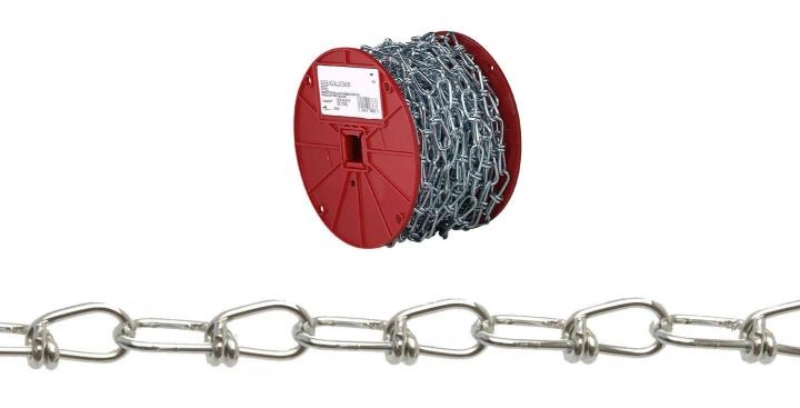
Jack chains feature figure-eight-shaped links with twisted ends. You will see these chains in applications that require a smooth, decorative look. Jack chains often support lighting fixtures, small signs, or art displays. You can cut a jack chain to any length with basic pliers.
The twisted design adds strength and prevents the links from slipping apart.
Twist Chain
Twist chains have links twisted at a set angle. This design keeps the chain from tangling and allows it to hang straight. You can use twist chains for hanging mirrors, picture frames, or lightweight tools. The twisted links give the chain a unique appearance and extra flexibility. You will find twist chains easy to handle and install.
Decorative and Utility Variants
You may wonder what a weldless chain is used for in different industries. Decorative and utility variants serve a wide range of purposes. Decorative chains add style to jewelry, interior design, and fashion accessories. Utility chains support tools, lighting, and machinery in industrial settings.
Here is a table showing how these variants fit into various industries:
Type of Chain | Industries/Applications | Key Features/Uses |
|---|---|---|
Decorative Chains | Fashion, Jewelry, Interior Design | Used for necklaces, bracelets, curtain tiebacks, and chandeliers, it offers a sleek appearance and is available in various finishes. |
Utility Chains | Mining, Rigging, Industrial Applications | Employed for suspending lighting fixtures, tools, and heavy machinery; known for high tensile strength and load-bearing capacity. |
You can select from many finishes and sizes to match your needs. Powerful Machinery provides both decorative and utility weldless chains, so you always have the right option for your project.
Uses and Applications
Decorative Uses
You can enhance any space with weldless chains. These chains work well for creative projects that require style and flexibility. You might use them to hang planters, create curtain tiebacks, or design custom light fixtures. Many decorators choose weldless chains for their smooth finish and easy adjustability.
You can select from different finishes to match your décor. Weldless chains also allow you to change the length or shape without special tools.
Tip: Try using weldless chains for seasonal decorations. You can quickly swap out ornaments or displays as needed.
Light-Duty Hanging
You will find weldless chains ideal for light-duty hanging tasks. You can use them to suspend signs, display artwork, or organize tools in your workshop. The mechanical interlocking links make it simple to add or remove sections. You do not need welding equipment or advanced skills.
Weldless chains provide a secure hold for items that do not require heavy support. You can trust their reliability for everyday tasks around your home or business.
Here are some common light-duty hanging uses:
Hanging small signs in retail stores
Supporting lightweight shelving
Suspending decorative lanterns or bird feeders
Commercial and Residential Applications
You can use weldless chains in both commercial and residential settings. In retail environments, you might see them supporting promotional displays or organizing merchandise. Homeowners often use these chains for hanging mirrors, picture frames, or kitchen utensils.
Weldless chains offer a practical solution when you need flexibility and easy installation.
If you wonder what a weldless chain is best suited for, consider its role in non-load-bearing applications. You gain the advantage of quick adjustments and a wide range of finishes. Powerful Machinery provides options that fit your specific needs, whether you manage a business or decorate your home.
Advantages of Weldless Chain
Versatility
You gain unmatched versatility when you choose weldless chains. These chains adapt to many environments, including marine, agricultural, construction, and material handling. Their seamless construction enhances structural integrity and reduces weak points.
You can rely on weldless chains for durability and strength in demanding situations. The design allows you to use them for decorative projects, light-duty hanging, or utility tasks.
Feature | Weldless Chains | Welded Chains |
|---|---|---|
Construction | Seamless, enhancing structural integrity | Relies on welding, with potential weak points |
Application Range | Broader, suitable for marine, agricultural, construction, and material handling | Limited due to joint weaknesses |
Durability | High resistance to wear and corrosion | May have reduced durability at joints |
Weldless chains provide a versatile solution for various applications. You benefit from sturdy links without welding, which enhances strength and adaptability for a wide range of tasks.
Easy Installation
You experience easy installation with weldless chains. You do not need specialized tools or welding equipment. You can open and close links using basic pliers or by hand. This feature lets you adjust chain length or configuration quickly. You save time during setup and modification.
Weldless chains simplify your projects, whether you hang signs, organize tools, or create decorative displays.
You can customize the chain length on-site.
You can add or remove links without technical skills.
You can install chains in tight spaces with minimal effort.
Tip: Weldless chains make installation straightforward, even for beginners.
Cost-Effectiveness
You achieve cost-effectiveness when you select weldless chains. The manufacturing process avoids welding, which reduces production costs. You pay less for chains that offer flexibility and reliability. You also save money on installation, since you do not need expensive tools or skilled labor.
Weldless chains last longer due to their resistance to wear and corrosion, so you avoid frequent replacements.
Lower purchase price compared to welded chains.
Reduced maintenance and replacement costs.
Efficient installation saves labor expenses.
If you ask what a weldless chain is, you discover it offers a practical and affordable solution for decorative and light-duty applications.
Limitations and Considerations
Load Capacity
You need to understand the load capacity of weldless chains before you select them for any project. Weldless chains are not designed for heavy lifting or load-bearing tasks. The mechanical interlocking links provide flexibility, but they do not offer the same strength as welded chains.
You should always check the manufacturer’s specifications for maximum allowable weight. If you exceed the recommended load, you risk damaging the chain or causing failure. For tasks that require secure lifting or support, you must choose chains with certified ratings.
Tip: Always use weldless chains for decorative or light-duty hanging. For overhead lifting, select graded welded chains made from alloy steel.
Durability Factors
Durability depends on several factors, including material, environment, and frequency of use. Weldless chains made from stainless steel resist corrosion and last longer in humid or marine settings. Galvanized chains offer protection against rust, but you should avoid exposing them to harsh chemicals.
Frequent opening and closing of links can weaken the chain over time. You need to inspect weldless chains regularly for signs of wear, bending, or deformation. Proper care extends the life of your chain and keeps your project safe.
Durability Factor | Impact on Weldless Chain |
|---|---|
Material Type | Stainless steel resists corrosion |
Environmental Exposure | Moisture and chemicals cause rust |
Usage Frequency | Repeated adjustments weaken links |
When Not to Use Weldless Chain?
You must avoid using weldless chains in situations that demand high strength or safety certification. Weldless chains are not suitable for rigging, overhead lifting, or securing heavy loads. For these applications, you should select alternatives that meet industry standards.
Rigging applications require graded welded chains.
Overhead lifting demands alloy steel chains with certified ratings.
Tie down and container securement use carbon chains, but not for overhead lifting.
Note: Always match the chain type to the task. Using the wrong chain can lead to accidents or equipment failure.
Choosing Weldless Chain
Application-Based Selection
You need to match your weldless chain to the job. Start by thinking about where and how you will use the chain. Will it face chemicals, moisture, or extreme temperatures? If so, choose a material and finish that can handle those conditions.
Always check if your project must meet any regulations, such as DOT or OSHA standards. Safe use matters. Avoid shock loading and follow best practices to protect both users and the chain.
Criteria | Description |
|---|---|
Environmental Factors | Choose materials for exposure to chemicals or moisture. |
Temperature Limits | Select chains rated for high or low temperatures. |
Regulatory Compliance | Ensure the chain meets required safety standards. |
Proper Use Practices | Use chains as intended and avoid sudden heavy loads. |
Tip: Always review your application’s needs before selecting a chain. This helps you avoid costly mistakes.
Sizing and Specifications
You must select the right size and specifications for your weldless chain. Material quality affects how long the chain lasts and how well it resists rust or corrosion. Link size and thickness determine the chain’s strength. Check the tensile strength to know the maximum load the chain can handle.
Chain grade and compliance standards show if the chain meets industry rules. Look for performance metrics like fatigue resistance for long-term use. Consider cost-efficiency and quality assurance, including ISO certification and after-sales support.
Parameter | Description |
|---|---|
Material Quality | Impacts durability and resistance to the environment. |
Link Size and Thickness | Affects strength and load capacity. |
Tensile Strength | Shows the maximum safe load. |
Chain Grade | Indicates strength and intended use. |
Compliance Standards | Confirms safety and regulatory approval. |
Performance Metrics | Includes wear and fatigue resistance. |
Cost-Efficiency | Considers total cost over the chain’s life. |
Quality Assurance | Ensures ISO-certified manufacturing. |
Integration Capabilities | Checks compatibility with your equipment. |
After-Sales Support | Looks at warranty and technical help. |
Custom Options from Powerful Machinery
Powerful Machinery gives you many ways to customize your weldless chain. You can choose from different materials, surface finishes, link sizes, and load ratings. These options help you meet specific needs for function, appearance, or environment.
Every custom chain meets strict industry standards, so you get both safety and performance.
Select from a wide range of materials and finishes.
Pick the link size and load rating that fits your project.
Request chains tailored for unique environments or decorative themes.
Rely on certified products that meet international safety standards.
Note: Powerful Machinery’s team can help you design a chain that matches your exact requirements, ensuring both quality and compliance.
Care and Maintenance
Proper care and maintenance help you extend the life of your weldless chain and ensure safe use. You can follow these practical guidelines to keep your chain in top condition, whether you use it for decorative or light-duty applications.
Cleaning Tips
You should clean your weldless chain regularly to prevent dirt and debris from building up. Use a soft brush or cloth to remove dust and surface particles. For tougher grime, you can use mild soap and warm water. Rinse the chain thoroughly and dry it with a clean towel.
Avoid harsh chemicals, as they may damage the finish or cause corrosion. If your chain is exposed to moisture or outdoor conditions, apply a light coat of lubricant to protect against rust. Powerful Machinery recommends routine cleaning, especially if you use the chain in humid or corrosive environments.
Tip: Always dry your chain completely after cleaning to prevent moisture-related damage.
Inspection and Safety
You need to inspect your weldless chain on a regular schedule. This practice helps you spot early signs of wear or damage and maintain safety. Powerful Machinery suggests the following inspection protocol:
Conduct visual inspections for obvious signs of wear, corrosion, or damage.
Use non-destructive testing methods, such as ultrasonic testing, to detect hidden flaws.
Document each inspection thoroughly to track changes over time.
Schedule professional assessments annually or biannually, depending on initial findings.
If you notice any bent, cracked, or deformed links, replace the chain immediately. Never use a damaged chain for any application.
Storage Guidelines
Proper storage prevents unnecessary wear and extends the lifespan of your weldless chain. You can follow these best practices:
Storage Tip | Description |
|---|---|
Controlled Environment | Store chains in a cool, dry, and well-ventilated area to prevent degradation. |
Protective Covers | Use rust-inhibiting VCI bags for long-term storage. |
Elevated Storage | Store off the fixed ground on racks or shelves to avoid moisture contact. |
Separation of Materials | Separate stainless and carbon steel chains to prevent cross-contamination and galvanic corrosion. |
Storage Tip | Description |
|---|---|
Clean Environment | Store rigging components in a dry, well-ventilated area. |
Elevated Storage | Keep hardware off the ground to prevent contact with moisture. |
Avoid Heavy Stacking | Avoid stacking heavy loads on chains to prevent deformation. |
You protect your investment by following these guidelines. Powerful Machinery recommends reviewing your storage setup regularly to ensure optimal chain performance.
Conclusion
You now understand that a weldless chain uses mechanical interlocking links for flexibility and easy customization. You can rely on Powerful Machinery weldless chains for decorative projects, light-duty hanging, and creative displays. These chains offer you versatility, simple installation, and a range of finishes.
If you want more details or need custom solutions, visit Powerful Machinery’s website to explore all available options.
FAQ
What are the main uses for weldless chains?
You can use weldless chains for decorative projects, light-duty hanging, and creative displays. They work well in homes, retail stores, and workshops. You should not use them for heavy lifting or critical load-bearing tasks.
Can you customize the length of a weldless chain?
Yes, you can easily adjust the length. Use pliers to open or close links. This feature lets you create custom chain sizes for your specific project.
Tip: Always wear safety gloves when modifying chain links.
What materials are available for weldless chains?
You can choose from several materials. The most common options include:
Stainless steel (for corrosion resistance)
Galvanized steel (for outdoor use)
Aluminum (for lightweight needs)
Material | Key Benefit |
|---|---|
Stainless Steel | Rust resistance |
Galvanized Steel | Outdoor durability |
Aluminum | Lightweight design |
How do you maintain weldless chains?
You should clean your chain with mild soap and water. Dry it thoroughly after cleaning. Store it in a dry place. Inspect links regularly for signs of wear or damage.
Note: Regular maintenance extends the life of your chain.