When you compare galvanized vs stainless steel turnbuckles, the main difference comes down to how each material handles corrosion and tough environments. You might pick a stainless steel turnbuckle for marine or coastal areas because it resists rust, while a galvanized turnbuckle often fits cost-sensitive projects.
Your choice impacts durability, maintenance needs, and long-term reliability. Consider where you’ll use the hardware, your budget, and the value of certified, reliable products for your safety.
Stainless steel turnbuckles shine in marine and coastal settings.
Galvanized turnbuckles work well when you need a budget-friendly solution.
Key Takeaways
Choose stainless steel turnbuckles for marine or coastal projects. They resist rust and require less maintenance.
Opt for galvanized turnbuckles if you need a budget-friendly solution for outdoor projects. They perform well in general conditions.
Consider the environment where you will use the turnbuckle. Stainless steel is best for harsh, humid, or salty areas.
Regularly inspect galvanized turnbuckles for rust, especially in coastal areas. This helps extend their lifespan.
Match the turnbuckle material to your project needs. Stainless steel offers durability, while galvanized steel provides cost savings.
Galvanized vs Stainless Steel Turnbuckles: Quick Comparison
When you start your search for the right turnbuckle, you might feel overwhelmed by all the choices. Let’s make it simple. The main debate—galvanized vs stainless steel turnbuckles—comes down to how each type performs in different environments, how much you want to spend, and how much maintenance you want to do.
You want your project to last, so picking the right turnbuckle matters.
Key Differences Table
Here’s a quick table to help you compare the two types side by side:
Feature | Galvanized Turnbuckle | Stainless Steel Turnbuckle |
|---|---|---|
Material | Carbon steel with zinc coating | High-quality stainless steel |
Corrosion Resistance | Good (zinc protects against rust) | Excellent (resists rust, even in saltwater) |
Best For | Outdoor, construction, fencing, general use | Marine, coastal, architectural, harsh environments |
Strength | Strong, handles heavy loads | Strong, handles heavy loads |
Lifespan | Long (but may need more maintenance) | Very long (low maintenance) |
Appearance | Matte gray, industrial look | Shiny, polished finish |
Cost | More affordable | Higher upfront cost |
Maintenance | Needs regular checks for rust | Minimal maintenance required |
Common Configurations | Jaw-jaw, hook-eye, eye-eye | Jaw-jaw, hook-eye, eye-eye |
Tip: If you work near the ocean or in a humid place, a stainless steel turnbuckle will save you time and money in the long run.
You can see that both types of turnbuckle offer strength and reliability. Galvanized turnbuckles give you a budget-friendly option for most outdoor projects. Stainless steel turnbuckles shine when you need top-notch corrosion resistance and a polished look.
If you want a turnbuckle that handles tough weather, saltwater, or you just want less maintenance, stainless steel is your best bet. If you need a turnbuckle for a fence, deck, or general outdoor use and want to save money, galvanized works well.
Choosing the right turnbuckle depends on your project’s environment, your budget, and how much time you want to spend on upkeep. Take a moment to think about where you’ll use it and what matters most to you.
Material and Construction
Galvanized Turnbuckles Explained
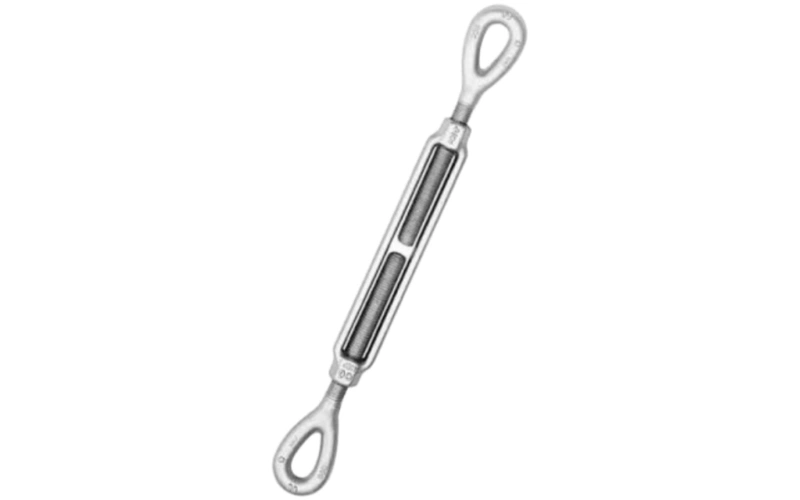
When you look at turnbuckle material, you’ll see that galvanized steel is a popular choice for outdoor projects. A galvanized turnbuckle starts with strong steel. Manufacturers use a process called hot-dip galvanizing.
They dip the steel into molten zinc. This zinc coating forms a protective layer on the turnbuckle. It helps the turnbuckle resist rust and weather damage.
Here’s what you get with galvanized steel turnbuckle material:
The zinc layer shields the steel from moisture and air.
This protection works well for fences, decks, and many outdoor structures.
Galvanized steel is cost-effective, so you save money on big projects.
The turnbuckle material can handle heavy loads and tough conditions.
You should know that the zinc coating can wear down over time, especially in harsh or salty environments. Galvanized steel turnbuckles are great for moderate outdoor use, but they may need more checks and maintenance if you use them near the ocean.
Stainless Steel Turnbuckles Overview
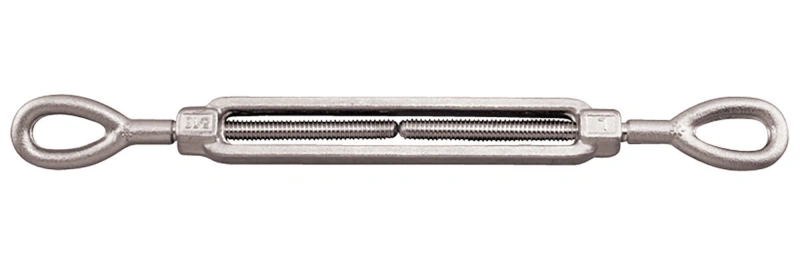
If you want a turnbuckle that stands up to the toughest conditions, stainless steel is the way to go. Stainless steel turnbuckle material contains chromium—at least 10.5%. This element forms a thin, invisible layer on the surface. It protects the turnbuckle from rust and corrosion.
You’ll often see grades like 304 and 316 used for stainless steel turnbuckles. Grade 304 works well in most places. Grade 316 adds molybdenum, which helps in salty or aggressive environments.
Let’s compare the two types of turnbuckle material:
Type | Material Composition | Manufacturing Process |
|---|---|---|
Galvanized steel turnbuckle | Special bar forging quality steel, hot-dip galvanized | Heat treatment, comprehensive strength testing |
Stainless steel turnbuckle | High-grade stainless steel (304 or 316) | Heat treatment, comprehensive strength testing |
Powerful Machinery’s stainless steel turnbuckle stands out for its certified quality and durability. You get products that meet ISO9001 and TUV Rheinland standards. These certifications mean you can trust the turnbuckle material to perform safely and reliably, even in demanding jobs.
When you choose a turnbuckle, think about the material. Galvanized steel gives you value and strength for many outdoor uses. Stainless steel offers top-notch protection and a polished look for marine, architectural, and industrial projects.
Corrosion Resistance
Performance in Different Environments
You want your turnbuckle to last, no matter where you use it. The turnbuckle material plays a huge role in how well it stands up to weather and moisture. Galvanized steel gives you a zinc coating that protects the turnbuckle from rust. This material works well in humid and coastal environments.
The zinc layer acts as a shield, so your turnbuckle stays strong even when the weather gets rough. If you use galvanized steel indoors or in dry places, you get even more years out of it.
Stainless steel takes corrosion resistance to another level. The material forms a passive layer that blocks rust and keeps your turnbuckle looking good. You see this especially in grades like 316 stainless steel. This turnbuckle material is made for marine and saltwater environments.
It handles constant exposure to moisture and salt air without breaking down. You can trust stainless steel to last for decades if you take care of it.
Here’s how the two materials stack up in different settings:
Galvanized steel turnbuckles resist rust in humid and coastal areas.
Stainless steel turnbuckles offer superior corrosion resistance in marine and saltwater environments.
Galvanized steel works best indoors or in dry climates.
Stainless steel is recommended for high-humidity and marine locations.
Marine and Outdoor Suitability
If you work near the ocean or in a place with lots of rain, you need a turnbuckle that can handle the challenge. Galvanized steel turnbuckles last about 8–12 years in ocean environments. The zinc coating protects the material, but it can wear down over time, especially if the coating gets scratched.
You might see corrosion at the edges if the material is damaged.
Stainless steel turnbuckles, especially those made from 316 grade, are built for marine use. This turnbuckle material stands up to saltwater and harsh weather. You get decades of reliable performance with proper maintenance.
Powerful Machinery’s stainless steel turnbuckle is a top choice for coastal and marine projects. The certified material gives you peace of mind when you need strength and durability.
If you want a turnbuckle for dry or indoor projects, galvanized steel is a solid option. For marine, coastal, or high-humidity environments, stainless steel is the preferred material. You get better corrosion resistance and longer life.
Tip: Always check your turnbuckle material for damage before installation. A scratched zinc coating on galvanized steel can lead to faster rusting.
Strength and Durability
Load Capacity
When you choose a turnbuckle, you want to know it can handle the job. The strength of the turnbuckle material makes a big difference. Galvanized turnbuckles and stainless steel turnbuckles both offer impressive load capacities, but you should always check the manufacturer’s ratings for your specific application.
Here’s a quick look at typical load capacities for galvanized turnbuckles:
Turnbuckle Type | 5:1 Rated Capacity (Lbs.) | 3:1 Rated Capacity (Lbs.) |
|---|---|---|
Galvanized Turnbuckle (e.g., TB01300-0001) | 1200 | 2000 |
Galvanized Turnbuckle (e.g., TBX8300-0000) | 2200 | 3670 |
You’ll notice that the turnbuckle material and design affect these numbers. Stainless steel turnbuckles also deliver strong performance, especially when you need reliable tensioning in harsh environments. Powerful Machinery’s turnbuckles go through rigorous strength and safety testing.
They meet OSHA and ASTM guidelines, so you can trust the turnbuckle material to keep your project secure. These turnbuckles also carry international certifications like ISO9001 and TUV Rheinland, which means you get proven safety and reliability every time.
Longevity and Wear
You want your turnbuckle to last as long as possible. The right turnbuckle material helps you get more years out of your hardware. Galvanized turnbuckles can last over 20 years in inland applications if you grease them properly at installation.
In coastal areas, mixing galvanized turnbuckles with stainless steel cable can cause galvanic corrosion, which may wear down the zinc coating in just 2 to 3 years. That’s why you should always match your turnbuckle material to your cable or wire.
Stainless steel turnbuckles stand out for their long life and resistance to wear. The material forms a protective layer that keeps rust away, even in tough marine environments. You get peace of mind knowing your turnbuckle will keep working, year after year.
Powerful Machinery’s stainless steel turnbuckles use high-quality material and certified manufacturing processes, so you know you’re getting hardware built for safety and durability.
Tip: Always inspect your turnbuckle material before installation. A quick check helps you catch any issues early and keeps your project safe.
Cost and Value
Price Comparison
When you shop for turnbuckles, price often plays a big role in your decision. The type of turnbuckle material you choose can make a big difference in cost. Galvanized turnbuckles usually cost less than stainless steel ones.
If you have a tight budget or need a lot of hardware for a big project, galvanized options might look more attractive.
Here’s a quick look at average market prices for different sizes:
Size | Price (USD) |
|---|---|
1 x 6 | $9.33 |
1 x 12 | $11.93 |
1 x 18 | $14.00 |
1 x 24 | $17.25 |
1 1/4 x 12 | $19.00 |
1 1/4 x 18 | $23.00 |
1 1/4 x 24 | $24.00 |
1 1/2 x 12 | $27.50 |
1 1/2 x 18 | $31.00 |
You can see that as the size goes up, the price increases. Stainless steel turnbuckles will cost more than galvanized ones of the same size. That’s because the turnbuckle material is more expensive and offers better protection against rust.
Maintenance and Long-Term Savings
You might think saving money upfront is the best choice, but it’s smart to look at the big picture. The turnbuckle material you pick affects how much time and money you spend on maintenance. Galvanized turnbuckles need regular checks for rust, especially if you use them outdoors or near the ocean.
If the zinc coating wears off, you may need to replace the hardware sooner.
Stainless steel turnbuckles cost more at first, but they save you money over time. This material stands up to harsh weather and saltwater, so you won’t need to replace it as often. You also spend less time on upkeep. If you want a turnbuckle that lasts and needs little care, stainless steel is a smart investment.
Note: Choosing the right turnbuckle material can help you avoid surprise costs and keep your project running smoothly for years.
Applications and Use Cases
Galvanized vs Stainless Steel Turnbuckles in Construction
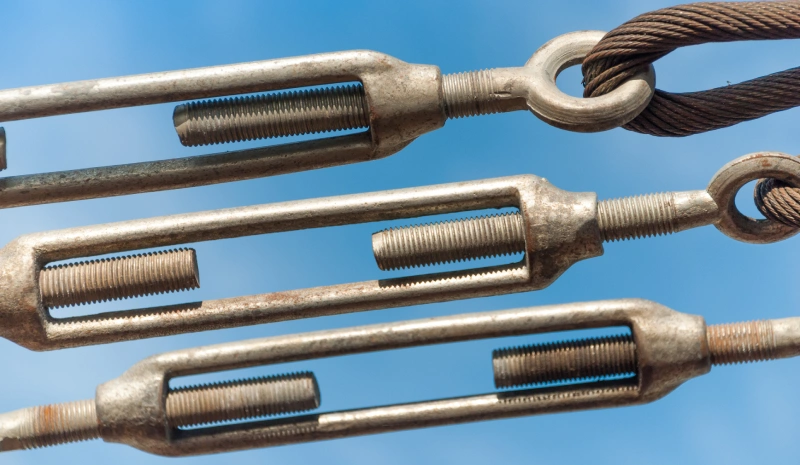
You see turnbuckles everywhere in construction. They help you keep things tight and secure. When you look at a construction site, you might spot a turnbuckle holding scaffolding in place or acting as a tension rod. You also find them in structural supports. The choice of material matters here.
Galvanized turnbuckles work well for most outdoor construction jobs. The zinc coating protects the steel, so you get good performance in the open air. If you need a turnbuckle for a project that faces rain or occasional moisture, galvanized material gives you a solid balance of strength and value.
Stainless steel turnbuckles step up when you need extra protection. If your construction project sits near the coast or in a spot with lots of humidity, stainless steel is the better material.
It resists rust and keeps your structure safe for years. Powerful Machinery offers both types, so you can match the turnbuckle material to your job.
Common construction uses for turnbuckles:
Securing scaffolding
Structural supports
Tension rods
Marine, Outdoor, and Industrial Uses
You want your hardware to last, especially in tough environments. In marine and industrial settings, the right turnbuckle material makes all the difference. Galvanized steel works well for standard outdoor and industrial projects. It stands up to weather and gives you reliable strength.
If you work in a place with saltwater, chemicals, or high humidity, stainless steel is the top choice. This material keeps your turnbuckle free from rust and damage.
Powerful Machinery’s stainless steel turnbuckles shine in marine and coastal jobs. You can use them on boats, docks, or anywhere that faces harsh weather. For outdoor structures like fences or playgrounds, galvanized turnbuckles offer a cost-effective solution.
Always match the turnbuckle material to your environment for the best results.
Tip: Choose stainless steel turnbuckles for marine, chemical, or high-humidity areas. Use galvanized turnbuckles for standard outdoor and industrial projects.
Maintenance Tips
Caring for Galvanized Turnbuckles
You want your galvanized turnbuckle to last as long as possible. Regular care makes a big difference. Here’s a simple routine you can follow:
Look closely at your turnbuckle. Check for bends, cracks, rust, or worn threads. A quick visual inspection helps you spot problems early.
Test all connections. Make sure everything feels tight and secure. Loose parts can lead to bigger issues.
Rotate the turnbuckle. It should turn smoothly. If it sticks or binds, clean and lubricate the threads.
Check the length. Compare your turnbuckle’s length to the specs in your manual.
Clean off dirt and debris. Mud and grime can trap moisture and cause corrosion.
Lubricate the threads. Use a suitable lubricant to keep everything moving easily.
Inspect before each use. Make this a habit, especially before you put the turnbuckle under load.
Tip: Store your galvanized turnbuckle in a dry place when you’re not using it. This helps prevent rust and keeps it working longer.
Caring for Stainless Steel Turnbuckles
Stainless steel turnbuckles need less maintenance, but you still want to keep them in top shape. Here’s what you can do:
Rinse your turnbuckle with fresh water, especially after exposure to salt or chemicals.
Clean seams and bases with warm water and mild dish soap right after installation.
Dry all parts thoroughly to avoid moisture buildup.
Treat any small rust spots with a rust remover made for stainless steel.
Apply a protective lubricant to the threads to help prevent corrosion.
Inspect your turnbuckle at least once a year, or more often if you use it in harsh environments.
Note: Regular care keeps your turnbuckle looking good and working safely, no matter where you use it.
Pros and Cons
Galvanized Turnbuckles
When you look at a galvanized turnbuckle, you see a tool that works well for many outdoor jobs. You get a strong product that can handle heavy loads. The zinc coating helps protect the turnbuckle from rust, so it lasts longer in most weather. Many people choose this type because it costs less and still gets the job done.
Pros:
You save money on your project.
The turnbuckle gives you good strength for fences, decks, and outdoor structures.
The zinc coating helps fight off rust in normal weather.
You can find many sizes and styles for different needs.
It is easy to install and adjust.
Cons:
The turnbuckle may need more checks and care, especially near the ocean.
The zinc layer can wear off if scratched or used in salty air.
It does not last as long as stainless steel in harsh or wet places.
Some users report lower satisfaction in marine jobs because of rust.
Tip: If you want a turnbuckle for a fence or a deck, galvanized is a smart, budget-friendly choice.
Stainless Steel Turnbuckles
A stainless steel turnbuckle stands out when you need top performance. You get a product that resists rust, even in saltwater. Many users in marine jobs say they prefer stainless steel because it lasts longer and looks better over time.
You can use this turnbuckle in tough spots, like boats or coastal buildings, and trust it to hold up.
Here’s a quick look at the pros and cons of stainless steel turnbuckles:
Pros/Cons | Description |
|---|---|
Cost-Effectiveness | Some grades, like Stainless Steel 303, cost less and help you save on big projects. |
Suitability for Mass Production | Easy to make in large numbers, which can lower costs. |
Corrosion Resistance | Handles rust well, especially in wet or salty places. |
Limited Availability for Machining | Mostly used for turning, so you may not find every shape you want. |
Lower Corrosion Resistance | Some grades do not resist rust as well as 316 or 304, so check before you buy. |
Weldability | Not all grades weld easily, which can matter for special jobs. |
Pros:
The turnbuckle fights off rust in harsh and marine environments.
You spend less time on maintenance.
It looks shiny and clean, even after years of use.
Many users give high satisfaction ratings for marine and coastal projects.
You can trust it for safety in demanding jobs.
Cons:
The turnbuckle costs more upfront.
Some grades may not work for every job, so check the specs.
You may need special tools for welding or shaping certain grades.
Note: If you want a turnbuckle that lasts for years in tough weather, stainless steel is the best pick.
Choosing the Right Turnbuckle
Decision Guide for Your Project
You want your project to last. Picking the right turnbuckle can make all the difference. When you compare galvanized vs stainless steel turnbuckles, you need to look at more than just price. You should think about where you will use the hardware, how it will look over time, and what kind of strength you need.
Let’s break down the main factors you should consider:
Factor | Galvanized Turnbuckles | Stainless Steel Turnbuckles |
|---|---|---|
Coated steel, prone to corrosion | Corrosion-resistant, ideal for marine use | |
Environmental Exposure | Less suitable for corrosive environments | Recommended for harsh, marine conditions |
Aesthetic Longevity | Develops a dull patina over time | Maintains a bright or brushed appearance longer |
You should always match the turnbuckle to your environment. If you work near the ocean, in a chemical plant, or in a place with lots of rain, stainless steel will give you the best results.
It resists rust and keeps its shine. If you need hardware for a fence, deck, or general outdoor project, galvanized turnbuckles offer good value and solid performance.
Here are some questions to ask yourself before you decide:
Will the turnbuckle face saltwater, chemicals, or high humidity?
Do you want a shiny, polished look that lasts?
Is your project indoors, or in a dry climate?
How much do you want to spend upfront?
Do you need certified hardware for safety or industry standards?
You should also check the body design and load capacity. Make sure the turnbuckle can handle the weight and tension your project needs. If you want your project to look good for years, stainless steel is a smart choice.
If you want to save money and don’t need top-level corrosion resistance, galvanized turnbuckles work well.
Let’s look at a quick checklist to help you decide:
Evaluate the environment. Stainless steel works best in harsh or marine settings.
Think about your budget. Galvanized turnbuckles cost less, especially for big jobs.
Check for certifications. Products from Powerful Machinery meet international standards, so you know you’re getting safe, reliable hardware.
Consider the look. Stainless steel keeps its shine, while galvanized steel gets a dull finish over time.
Review the load capacity. Make sure the turnbuckle matches your project’s strength needs.
Tip: If you need a turnbuckle for a boat, dock, or coastal building, choose stainless steel. For fences, decks, or playgrounds away from saltwater, galvanized turnbuckles are a great pick.
You should always balance cost, appearance, and performance. Galvanized vs stainless steel turnbuckles each have their strengths. Stainless steel gives you long-lasting beauty and top corrosion resistance. Galvanized turnbuckles give you solid performance at a lower price.
When you choose, think about the future. A little extra spent on the right turnbuckle can save you time and money on repairs. If you want peace of mind, go with certified products from Powerful Machinery. You get quality, safety, and support for every project.
Conclusion
You’ve seen how galvanized and stainless steel turnbuckles stack up. Galvanized turnbuckles cost less and work well for general outdoor projects. Stainless steel turnbuckles shine in marine or harsh environments because they resist corrosion. Check out this quick table:
Feature | Galvanized Steel | Stainless Steel |
|---|---|---|
Cost | Lower | Higher |
Corrosion Resistance | Good | Excellent |
If you need hardware for saltwater or extreme weather, stainless steel is your best bet. For fences or indoor jobs, galvanized steel gets the job done. Powerful Machinery’s certified stainless steel turnbuckles give you peace of mind for demanding projects.
FAQ
What’s the main difference between galvanized and stainless steel turnbuckles?
You get better corrosion resistance with stainless steel. Galvanized turnbuckles cost less and work well for most outdoor projects. Stainless steel shines in marine or coastal environments.
Can I use a galvanized turnbuckle near saltwater?
You can, but it won’t last as long as stainless steel. Saltwater wears down the zinc coating faster. For docks or boats, stainless steel is the safer choice.
How do I adjust a turnbuckle?
Just rotate the body to tighten or loosen the tension. Make sure both ends stay secure. You don’t need special tools—just your hands or a wrench.
Do stainless steel turnbuckles need maintenance?
You should rinse them after saltwater exposure. Clean with mild soap and water. Inspect once a year for rust or wear. Stainless steel needs less care than galvanized.