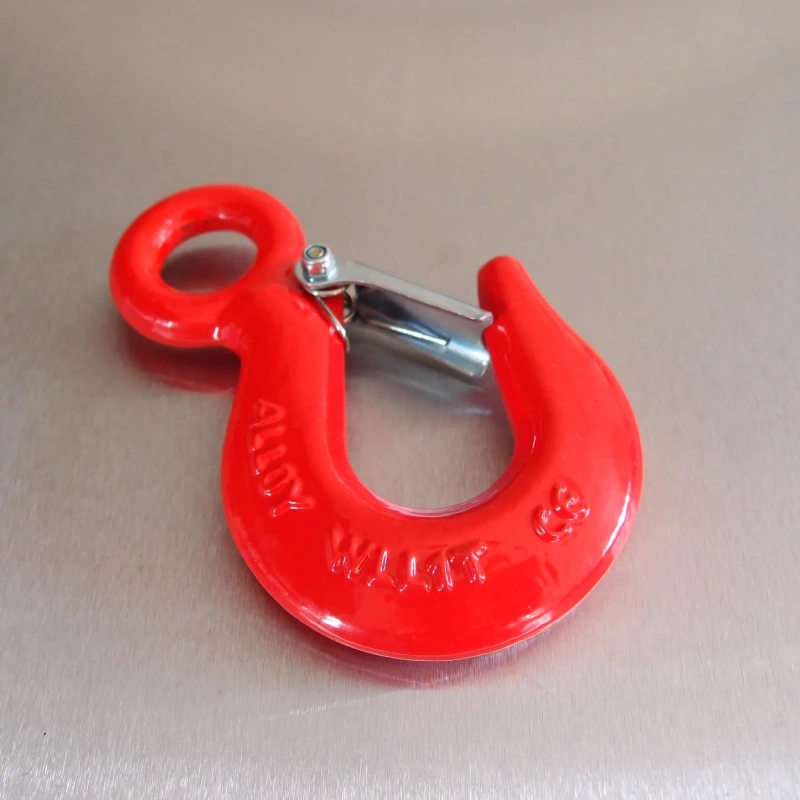
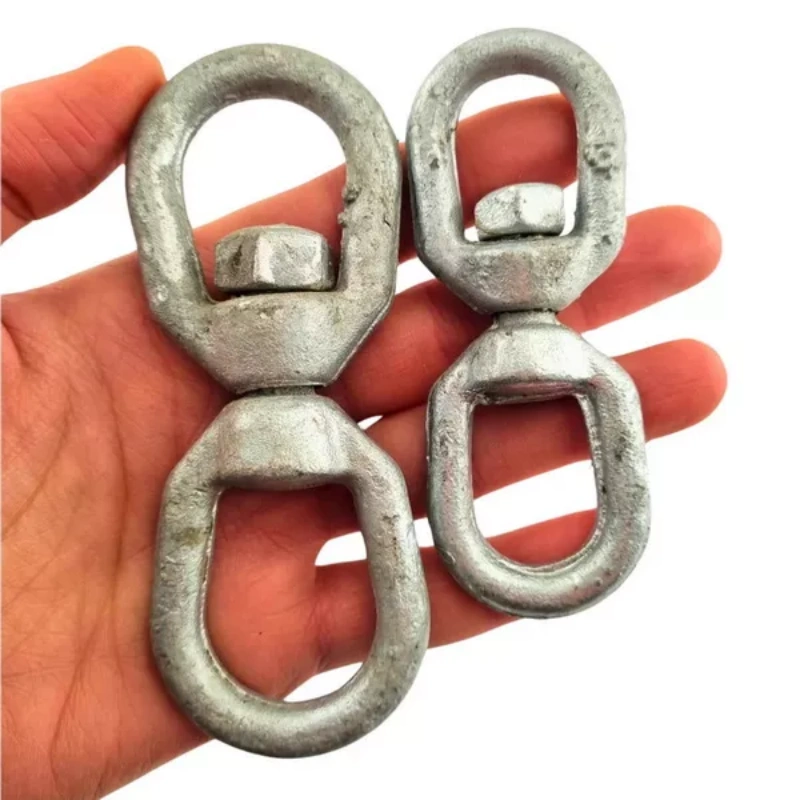
When you ask how shackles work, you look at a simple device that creates a secure, removable connection between lifting equipment and loads. Shackles act as strong links in rigging systems, making lifting, towing, or anchoring safe and reliable.
Choosing the right shackle matters for both safety and performance, especially in tough environments. The material used affects how a shackle performs:
Material | Mechanical Properties | Performance Implications |
|---|---|---|
Alloy Steel | High ductility and strength | Best for heavy loads and impact-prone jobs |
Stainless Steel | Corrosion resistance with at least 10.5% chromium | Ideal for marine and outdoor use |
Carbon Steel | Strong and tough | Suitable for industrial lifting where high tensile strength is needed |
You can trust Powerful Machinery for certified, high-quality shackles that meet strict industry standards.
Key Takeaways
Shackles create secure connections for lifting and rigging tasks. Choose the right type for safety and performance.
Inspect shackles before each use. Look for signs of wear, damage, or corrosion to ensure safe operation.
Select shackles based on load direction. Bow shackles handle multi-directional loads, while Dee shackles are best for straight pulls.
Always match the shackle’s working load limit to your expected load. This prevents overloading and potential accidents.
Use high-quality shackles from trusted manufacturers. Certified products ensure safety and reliability in lifting operations.
How Do Shackles Work?
Shackle Design And Function
When you want to understand how shackles work, you need to look at their design and mechanical principles. Shackles use a U-shaped body and a removable pin to create a secure connection between lifting equipment and loads.
You place the U-shaped body around the objects you want to join, then insert the pin through the holes at the ends. This simple design allows you to connect and disconnect equipment quickly, making shackles essential for rigging, lifting, towing, and anchoring tasks.
The bow shape of a shackle provides a strong connection point. It distributes force evenly during lifts and handles loads from multiple directions. You can use bow shackles for multi-directional loads, while Dee shackles work best for straight-line pulls.
The versatility of these shapes helps you choose the right shackle for your specific application.
Tip: Always select the correct shackle type for your load direction. Bow shackles handle angled loads, while Dee shackles are ideal for straight pulls.
Environmental factors can affect how shackles work. Steel shackles exposed to cold temperatures may lose ductility and become brittle. Extreme weather, such as high winds or heavy rain, can impact stability and maneuverability. Stainless steel shackles resist corrosion, making them suitable for marine and outdoor use.
Key Components: Body And Pin
You need to know the main parts of a shackle to understand how shackles work. The parts of a shackle include the body and the pin. The body forms a U-shape, while the pin secures the connection. You insert the pin through the holes at the ends of the body, locking the objects in place.
Screw pins allow for quick attachment and removal. Bolt-type pins provide extra security for permanent connections. Some shackles use safety pins with cotter pins or spring-loaded devices to prevent accidental disengagement.
Here is how the body and pin work together:
The U-shaped body surrounds the objects you want to connect.
The pin passes through both ends of the body, locking everything in place.
Screw pins tighten securely into the body.
Safety pin shackles use additional locking mechanisms for extra protection.
You must always check the working load limit before using shackles. The working load limit tells you the maximum load the shackle can safely handle. You should select a shackle with a working load limit equal to or greater than your expected load, including any dynamic effects.
Factor | Recommendation |
|---|---|
Shackle Type | Bow for multi-directional loads; Dee for straight-line pulls |
Working Load Limit | Select WLL ≥ maximum expected load including dynamic effects |
Pin Type | Screw pin for temporary use; bolt-type for secure, permanent connections |
Load Direction | Load in line with centerline; reduce WLL for side loading; avoid >90° loading |
Material | Carbon/alloy steel for strength; stainless steel for corrosion resistance |
Standards Compliance | Verify compliance with ASME B30.26, RR-C-271, EN 13889, AS 2741, etc. |
Inspection | Check for damage, wear, and markings before use; replace defective shackles |
Powerful Machinery ensures the quality and safety of its shackles through a strict manufacturing process. You benefit from precision die manufacturing using CNC machining, forging steel billets for strength, and heat treatment to improve toughness.
Drilling and machining guarantee proper pin fit. Each shackle undergoes rigorous testing, including proof-testing and magnetic particle inspection, before receiving a durable powder coating. These steps ensure you receive shackles that meet or exceed international safety standards.
Standard/Certification | Description |
|---|---|
OSHA | Requires qualified personnel for lifting tasks, emphasizing safety |
ASME | Provides guidelines for design and use, ensuring shackles meet safety needs |
Crosby Shackles | Meet U.S. federal specifications for reliability and safe working load |
When you choose Powerful Machinery shackles, you invest in products that deliver strength, reliability, and safety for every lifting and rigging application.
Types Of Shackles
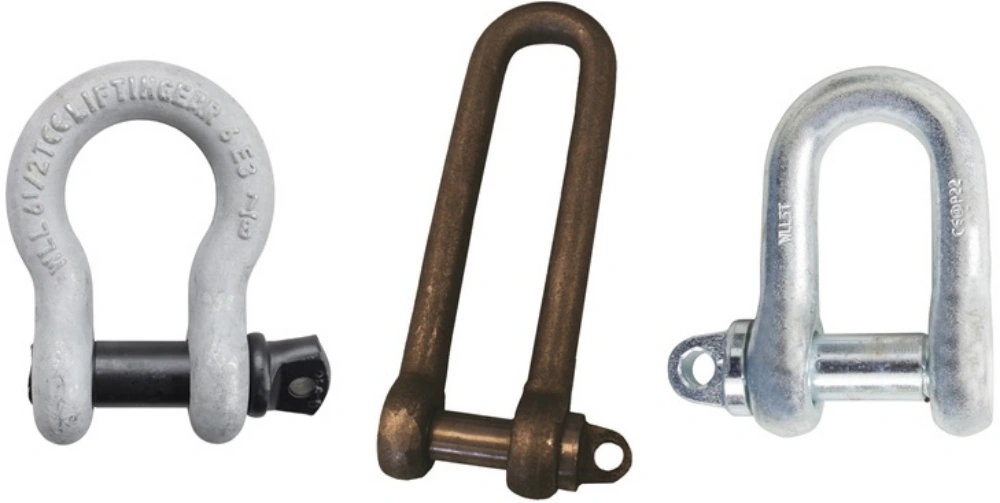
When you select shackles for lifting or rigging, you need to understand the main types of shackles available. Powerful Machinery offers a comprehensive range, including stainless steel shackles, Dee shackles, Bow shackles, and bolt-type shackles. Each type serves a specific purpose and excels in different environments.
Here is a quick overview of the most common types of shackles and their features:
Shackle Type | Design Features | Applications |
|---|---|---|
Dee Shackle | D-shaped bow, narrow profile, designed for in-line tension | Used for straight-line pulls, avoids side loading |
Rounded, larger loop allows multi-directional loading | Ideal for flexible load direction, reduced strength | |
Bolt-Type Shackle | Bolt and nut with a cotter pin for secure fastening | Best for rotation or torque, enhanced security |
Stainless Steel | High corrosion resistance, smooth finish, robust construction | Marine, aviation, oil and gas, and architectural industries |
You will find Dee shackles most effective when you need to handle loads aligned with the shackle. Bow shackles give you versatility for lifting tasks where the load may shift or come from different directions.
Bolt-type shackles provide extra security, especially in situations involving rotation or torque. Stainless steel shackles stand out for their durability and resistance to corrosion, making them the preferred choice in marine, aviation, oil and gas, and architectural projects.
Tip: Always match the type of shackle to your application. Using the correct shackle improves safety and extends the life of your equipment.
The cost of shackles depends on several factors. Material plays a major role, with stainless steel shackles costing more due to their superior corrosion resistance and strength.
Size also affects price, as larger shackles require more material. Brand reputation can influence cost, with trusted brands like Powerful Machinery offering certified products that meet international standards.
You should consider the working environment and load requirements before choosing among the types of shackles. For harsh or corrosive settings, stainless steel shackles deliver long-term reliability.
For heavy-duty lifting, Dee and Bow shackles provide the strength and flexibility you need. Bolt-type shackles offer peace of mind when you require secure fastening.
When you choose Powerful Machinery, you gain access to shackles engineered for safety, durability, and performance across a wide range of industries.
How To Use A Shackle Safely?
Step-By-Step Guide
You must know how to use a shackle correctly to protect yourself and your equipment. Begin every operation with a thorough inspection. Follow these steps to ensure you use shackles safely:
Check for excessive pitting, corrosion, nicks, or gouges on the shackle body and pin.
Inspect load-bearing components for any bending, twisting, or cracking.
Look for signs of heat damage, such as discoloration or weld spatter.
Confirm that the manufacturer’s name and rated load limit are visible.
Examine the load pin for bending or damaged threads.
Make sure the shackle matches or exceeds the rated load capacity for your task.
Perform a visual inspection before each use. Remove any shackles from service if you see damage. Only return shackles to service after approval from a qualified person.
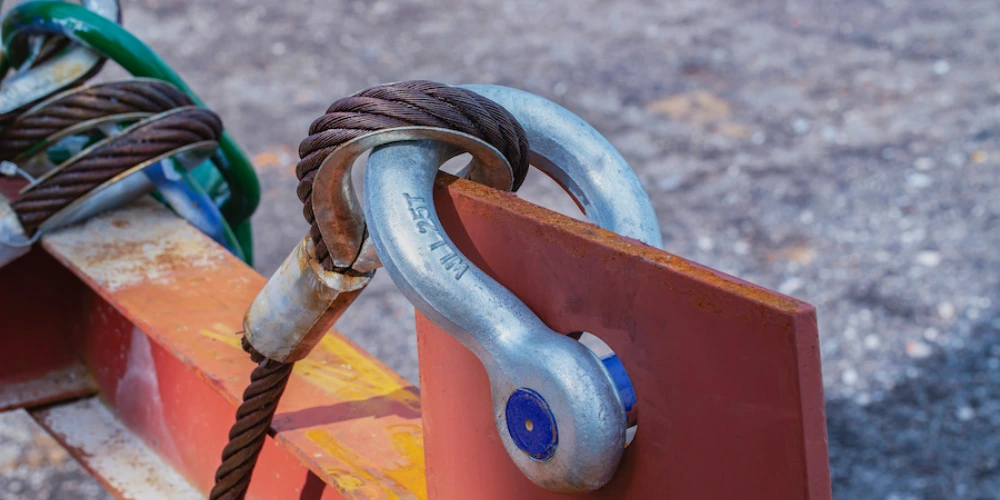
After inspection, install the shackle by placing the body around the connection point. Insert the pin through the holes and tighten it securely. For bolt-type shackles, use the nut and cotter pin for extra security. Always center the load on the shackle pin and avoid side loading.
Read the identification markings to confirm specifications before lifting.
Safety Tips For Rigging
You must understand how to use a shackle in rigging to prevent accidents. Common mistakes include not tightening the pin, overloading the shackle, neglecting maintenance, and using damaged shackles. Lack of training also increases risk.
Tip: Never exceed the manufacturer’s load limits. Apply loads directly to the center of the shackle pin to avoid bending.
Follow these best practices to use shackles safely:
Always inspect shackles before each lift.
Use loose spacers instead of welded washers to prevent abnormal loads.
Adjust slings so they remain centered in the shackle. Do not exceed a 120-degree angle when using two slings.
Never use shackles that show signs of wear or damage.
Provide proper training for everyone handling shackles.
Knowing how to use a shackle and following these steps helps you maintain safety and reliability in every lifting operation.
Leaf Spring Shackles And Replacement
What Are Leaf Spring Shackles?
You encounter leaf spring shackles in many truck suspension systems. These components play a critical role in how your truck handles bumps and uneven roads. Leaf spring shackles connect the leaf springs to the frame of your truck. They allow the springs to flex and change length as your truck moves over different terrains.
This flexibility prevents the suspension from bottoming out and helps maintain balance. You benefit from a smoother ride and improved handling.
Leaf spring shackles enable the leaf springs to adjust their length as your truck encounters various terrains.
They connect the springs to the truck frame, maintaining balance and absorbing shocks from road irregularities.
Shackles allow the springs to flex and change length, preventing the suspension system from bottoming out and ensuring a smoother ride.
You find leaf spring shackles in both light and heavy-duty truck suspension setups. The design ensures that your leaf spring suspension can absorb impacts and keep your truck stable. When you inspect your truck, you should check the condition of these shackles regularly.
Worn or damaged shackles can affect the performance of your suspension and lead to unsafe driving conditions.
How To Replace Leaf Spring Shackles?
You need to replace leaf spring shackles when you notice excessive wear, rust, or damage. Choosing the appropriate size and type for your truck is essential for safety and performance. Follow these steps to replace leaf spring shackles on your truck:
Block the front wheels. Raise the rear of your truck with a jack under the third member. Lower the truck onto the stands under the frame.
Keep the jack under the rear end. Work on one end of a single spring at a time. Remove the bolt securing the spring into the front pocket and the leaf spring and frame bolts on the rear shackle as needed.
Remove the bolt. Lower the jack completely to access the shackle.
Install the new rear shackle assembly. Lower your truck and torque the nuts and bolts to the specifications in your truck’s repair manual. Repeat on the other side.
Assemble a suspension press on the leaf spring shackle with the small end offset and pressing against both the inner and outer sleeves of the bushing, centered on the cup end.
Crank down on the press until the bushing is released. Adjust the press position as needed.
Clean the inside of the shackle and leaf spring with fine sandpaper or a ball hone.
Lubricate and push the two poly bushing halves and inner sleeve into the part. Squeeze with the press if needed.
Lubricate and press the OEM replacement bushings into the part by reversing the press.
Reassemble the rear leaf spring shackle assembly using the jack under the axle housing to raise or lower the housing as needed to insert and tighten the bolt.
Lower the jack completely to load the suspension. Torque the bolts to the specification in your truck’s repair manual.
Repeat steps as needed to finish the job.
Remove the stands and lower your truck. Double-check the torque on the leaf spring and shackle bolts. Recheck torque after about 200-250 miles.
Tip: Always use the correct tools and follow your truck’s repair manual for specifications. Proper installation ensures your leaf spring suspension works safely and efficiently.
Inspecting And Maintaining Shackles
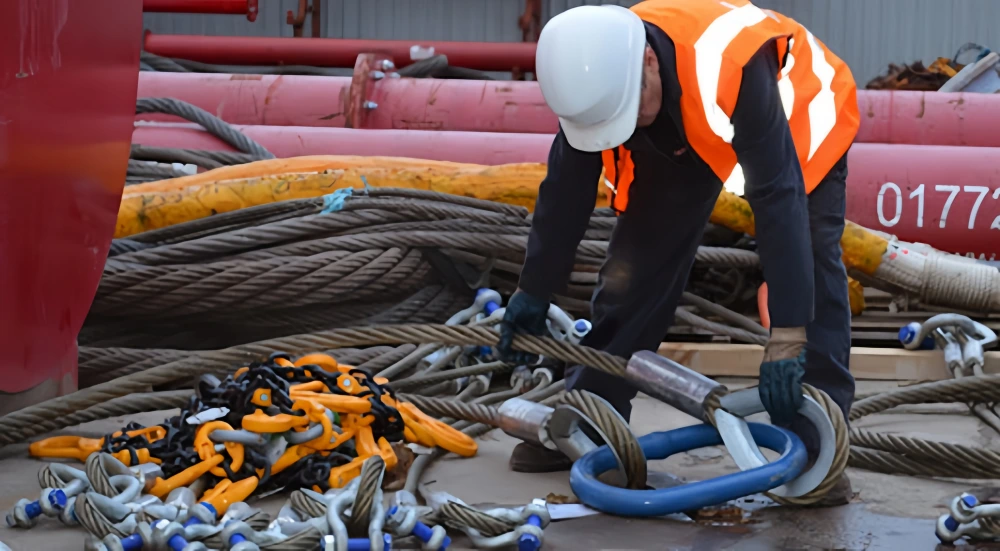
Signs Of Wear Or Damage
You must inspect the shackle before every use to ensure safety and reliability. Shackles experience stress during lifting, towing, or securing loads. Over time, worn shackles can compromise your operation. Look for these common signs of wear or damage:
General wear and tear, especially if you notice a difference in dimensions greater than 10%.
Corrosion or dents on the surface weaken the metal.
Blue discoloration, indicating heat damage.
Distortion, such as bending or cracking, in load-bearing areas.
Tip: Always check for manufacturer markings, including name, working load limit, and size. Missing or illegible markings mean you should remove the shackle from service.
You should inspect shackles regularly. The frequency depends on your working conditions:
Inspection Frequency | Conditions |
|---|---|
Yearly | Everyday use |
Monthly/Quarterly | Severe service or harsh environments |
Customized | Special services or recommendations |
Regular inspection helps you catch problems early, reducing downtime and maintenance costs. You keep your equipment running efficiently and avoid unscheduled interruptions.
When To Replace Shackles?
You need to replace worn shackles to maintain safety. Remove shackles from service if you find any of the following:
Illegible or missing manufacturer name, working load limit, or size.
Excessive pitting or corrosion that changes the shackle’s dimensions.
Bent, twisted, stretched, elongated, cracked, or broken shackles.
Mismatched body and pin sizes or brands.
A reduction of 10% or more in original dimensions.
Incomplete pin engagement.
Excessive nicks, gouges, or thread damage (over 20%).
Any welding or modification.
Anything that looks incorrect during inspection.
For shackles used in marine environments, you can extend their lifespan by using HMPE chafe sleeves and soft shackles. These accessories protect against saltwater wear and reduce injury risks.
Always clean shackles before storage, organize them by type and size, and protect them from physical damage. Consider using desiccants for long-term storage.
Note: Regular inspections and proper maintenance routines help you prevent shackle failure caused by overloading, improper use, or lack of inspection. You protect your vehicle, your team, and your investment by replacing worn shackles promptly.
Conclusion
You play a vital role in safe lifting and rigging when you choose the right shackles. Certified, high-quality products from Powerful Machinery help you avoid equipment failure and workplace accidents. You should always follow these key safety practices:
Never exceed the safe working load limit.
Use only manufacturer-approved pins.
Avoid sideloading round pin shackles.
Inspect equipment before each lift.
Rely on trained personnel for rigging operations.
A study found that poor rigging practices cause many load drops. You can prevent these incidents by using certified shackles and maintaining clear communication during lifts.
FAQ
What is the difference between a Dee shackle and a Bow shackle?
You use a Dee shackle for straight-line pulls. It has a narrow profile. A Bow shackle features a wider, rounded shape. You choose it for multi-directional loads or when the load angle may change.
How do you select the correct shackle size?
You match the shackle’s working load limit to your maximum expected load. Always check the manufacturer’s markings. You should never use a shackle with a lower rating than your application requires.
Can you use stainless steel shackles in saltwater environments?
Yes, you can. Stainless steel shackles resist corrosion. You rely on them for marine, offshore, and other harsh environments where rust is a concern.
How often should you inspect shackles?
You inspect shackles before every use. For frequent or heavy-duty operations, you increase inspection intervals. Look for wear, corrosion, or damage each time.