You rely on material handling equipment to keep your operations running smoothly. Preventive maintenance for material handling equipment protects your team and increases productivity. Recent studies show that:
You avoid unexpected failures that disrupt production.
Regular tasks reduce costs compared to emergency repairs.
Well-maintained machines lower the risk of accidents.
Proper care improves your return on investment.
Powerful Machinery delivers certified solutions you can trust for long-term safety and reliability.
Key Takeaways
Regular maintenance prevents unexpected equipment failures, keeping your operations running smoothly.
Daily inspections help identify issues early, reducing the risk of accidents and costly repairs.
Following legal regulations ensures safety and compliance, protecting your business from penalties.
Using technology like IoT can enhance maintenance strategies, allowing for proactive problem detection.
Customizing your maintenance plan to fit your facility’s needs maximizes efficiency and equipment lifespan.
Why Maintenance of Material Handling Equipment Is Essential?
Safety and Efficiency Gains
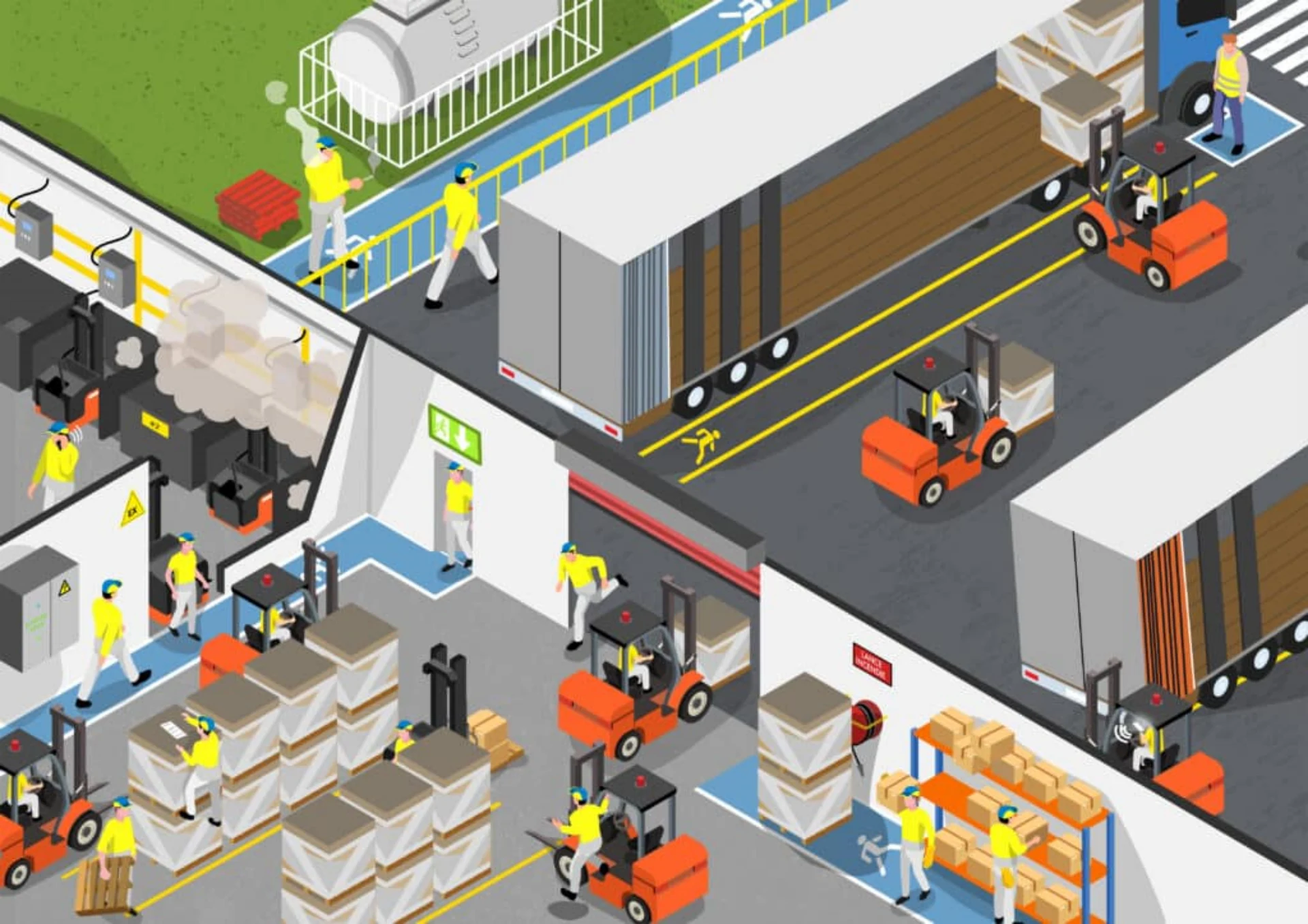
You depend on material handling equipment to keep your facility safe and productive. When you follow material handling equipment maintenance guidelines, you protect your team and boost efficiency. Regular inspections and thorough inspections help you spot issues early and prevent accidents.
Preventive maintenance ensures optimal performance and reduces the risk of unplanned downtime. You create a safer workplace by enhancing worker safety and keeping equipment reliable. A proactive maintenance strategy includes cleaning, lubrication, and part replacements.
This approach extends the lifespan of your machines and keeps your operations running smoothly.
Safety: Maintenance prevents accidents and injuries.
Efficiency: Well-maintained equipment improves workflow and minimizes delays.
Reliability: Timely repairs and adherence to guidelines keep your machines dependable.
Financial and Operational Impact
Material handling equipment maintenance delivers clear financial benefits. You avoid costly emergency repairs and keep your budget predictable. Preventive maintenance reduces unplanned downtime and maximizes uptime. You get more value from your equipment by extending its useful life.
The table below shows how regular maintenance supports your bottom line:
Impact | Description |
|---|---|
Reduced repair expenses | Preventive care lowers emergency costs and keeps budgets stable. |
Extended equipment lifespan | Maintenance adds years to your machines and increases return on investment. |
Increased uptime and throughput | Reliable equipment maintains productivity and avoids bottlenecks. |
Risks of Neglecting Maintenance
Neglecting material handling equipment maintenance exposes you to serious risks. You face a higher chance of workplace injuries and safety hazards. Unplanned downtime leads to lost revenue and expensive repairs.
Product quality suffers when equipment fails. Thorough inspections and a proactive maintenance strategy help you avoid these problems. The table below highlights the risks:
Risk Type | Description |
|---|---|
Workplace Injuries | Equipment failures increase injury risk and create unsafe conditions. |
Financial Consequences | Extended downtime and repairs raise costs and reduce profits. |
Product Quality Issues | Defective outputs and waste result from unreliable machines. |
Safety Hazards | Poor maintenance practices lead to more accidents and injuries. |
Powerful Machinery stands behind you with certified solutions and expert support. You can trust their products and guidelines to help you achieve optimal performance and enhance worker safety.
Legal Compliance for Material Handling Equipment
Key Regulations and Standards
You must follow strict regulations to keep your facility safe and compliant. In 2026, several standards guide the maintenance of material handling equipment. These include PUWER 1998, ISO certifications, and OSHA requirements. Regular inspections help you meet these standards and prevent accidents.
Updated Hazard Communication rules require clear labeling and employee training. Maintenance practices must match Safety Data Sheet guidance to support warehouse compliance. You protect your team and your business by staying current with these regulations.
PUWER 1998 ensures the safe use of work equipment.
ISO standards set global benchmarks for quality and safety.
OSHA regulations demand regular inspections and proper recordkeeping.
Hazard Communication rules require clear labeling and employee awareness.
Safety Data Sheets guide safe maintenance practices.
Consequences of Non-Compliance
Ignoring maintenance regulations exposes you to serious risks. You face severe penalties and fines for safety violations. Legal liabilities may arise if an employee gets injured. Your company’s reputation can suffer, leading to lost business and reduced investor confidence.
Project delays often occur when authorities investigate or impound equipment. Workers’ compensation premiums increase with a poor safety record. You may struggle to recruit new talent if your facility is known for unsafe practices. In extreme cases, criminal charges and prison time threaten company officers.
Negative publicity can damage consumer trust and lead to blacklisting by contractors.
Penalties and fines for violations
Legal liabilities and civil lawsuits
Reputation damage and loss of business
Project delays and equipment impoundment
Higher insurance premiums
Recruitment challenges
Criminal charges for willful violations
Negative publicity and blacklisting
Maintenance Records and Audits
You need a structured maintenance management system to stay audit-ready. Proactive maintenance practices help you prepare for inspections. A Computerized Maintenance Management System (CMMS) organizes your data and creates a clear audit trail.
This system makes compliance activities easy to document and access during audits. Regular inspections of material handling equipment and infrastructure are crucial for OSHA compliance. A disciplined maintenance plan improves safety and prepares your facility for audits.
You build trust with regulators and clients by keeping accurate records.
Tip: Use a CMMS to track maintenance tasks and inspections. This tool simplifies audits and ensures you meet all legal requirements.
Types of Material Handling Equipment
You need the right material handling equipment to keep your facility efficient and safe. Powerful Machinery offers a complete range of solutions for lifting, moving, and positioning heavy loads in industrial environments.
These products support industries such as manufacturing, logistics, construction, and warehousing. The table below shows common categories and examples you may find in your operation:
Category | Examples |
|---|---|
Storage and Handling Equipment | Pallet racks, shelves, bins, mezzanines, and stacking frames |
Bulk Handling Equipment | Conveyor belts, stackers, reclaimers, bucket elevators, hoppers |
Industrial Trucks | Forklifts, hand trucks, pallet trucks, order pickers |
Engineered Systems | Automated storage and transport systems |
Pallet Jacks and Lift Tables
You use pallet jacks and lift tables to move and position goods with less effort. Pallet jacks help you transport palletized loads quickly. Lift tables allow you to raise heavy items to a comfortable working height. Both tools reduce manual strain and improve workflow. The table below highlights their main features and uses:
Feature/Application | Pallet Jacks | Lift Tables |
|---|---|---|
Function | Moving palletized goods | Lifting and positioning heavy items |
Variants | Manual and electric | Hydraulic and electric |
Ease of Operation | Simple and versatile | Ergonomic and adjustable |
Load Capacity Awareness | Essential for safety | Critical for heavy loads |
Training Requirement | Needed for safe use | Important for proper operation |
Powerful Machinery offers both standard and custom options. You can select platform sizes, lifting heights, and load capacities to match your workflow.
Hoisting Equipment and Attachments
You rely on hoisting equipment and attachments for safe and efficient lifting. These tools streamline your operations by reducing labor and minimizing downtime. You can complete tasks faster and with fewer workers. The benefits include:
Streamlined operations for faster completion
Improved safety by reducing ground hazards
Increased productivity with single-operator handling
Cost savings through reduced maintenance
Versatility for different load types and sizes
Powerful Machinery provides a wide selection of hoists, chains, hooks, and attachments. You can choose electric or manual operation and customize fittings for your specific needs.
Cargo Skates and Forklift Solutions
You move heavy machinery and loads with cargo skates and forklift solutions. Cargo skates let you transport large items smoothly across floors. Forklift attachments expand your lifting and handling capabilities. You can request custom designs for unique challenges. Options include:
Minor customization for small changes
Drawing-based customization for special shapes
Sample-based customization for matching existing tools
Full customization for complex requirements
You can also add your company logo or request special packaging for large orders. Powerful Machinery works with you to deliver the right solution for your job site.
Tip: Consult with Powerful Machinery’s experts to select and customize equipment that fits your facility’s exact needs.
Preventive Maintenance for Material Handling Equipment
Maintaining your material handling equipment through a structured preventive maintenance program ensures safety, reliability, and efficiency. Following a clear checklist for daily, weekly, monthly, and annual tasks helps you avoid costly breakdowns and extend equipment life.
Powerful Machinery recommends a disciplined approach that includes regular cleaning, lubrication, routine inspections, and timely repairs.
Daily Maintenance Checklist
Start each day by performing daily inspections on your material handling equipment. These quick checks help you identify visible issues before operation, ensuring safe use and preventing accidents. Your daily checklist should include:
Inspect forklifts, pallet jacks, and carts before use.
Check for visible damage, leaks, or loose parts.
Test brakes, steering, and controls for proper function.
Verify tire condition and inflation.
Ensure safety devices and warning signals work correctly.
Confirm load capacity labels are legible and intact.
Remove debris or dirt from moving parts and surfaces.
Tip: Conducting daily inspections reduces the risk of accidents and keeps your equipment ready for safe operation every shift.
Weekly and Monthly Tasks
Beyond daily inspections, you must perform more detailed maintenance weekly and monthly. These scheduled maintenance tasks help you catch wear and tear early, preventing unexpected failures. The table below summarizes critical weekly and monthly checks:
Area | Frequency | Check | Readiness Goal |
|---|---|---|---|
Material Handling Equipment | Daily | Inspect forklifts, pallet jacks, and carts before use | Ensure safe operation |
Equipment Condition | Weekly | Check batteries, tires, and moving components | Extend equipment life |
HVAC Systems | Monthly | Replace filters, inspect airflow | Maintain air quality |
Fire Safety Equipment | Monthly | Inspect extinguishers, alarms, and access | Ensure emergency readiness |
Electrical Systems | Monthly | Check panels, outlets, and wiring | Reduce fire risk |
In addition to these checks, follow these weekly and monthly tasks:
Clean equipment thoroughly to remove dust, grease, and debris.
Lubricate moving parts such as chains, bearings, and joints to reduce friction.
Inspect battery terminals and connections for corrosion.
Test brakes, steering, and lifting mechanisms for responsiveness.
Check hydraulic fluid levels and look for leaks.
Tighten loose bolts and fasteners.
Verify that all safety guards and covers remain secure.
Regular cleaning and lubrication minimize wear and tear, helping your equipment perform at peak levels. These routine inspections also allow you to schedule timely repairs before small issues escalate.
Annual Inspections and Service
Annual inspections provide a comprehensive review of your material handling equipment’s condition. These in-depth checks ensure compliance with safety standards and maintain optimal performance. Use the following checklist during your yearly service:
Inspection Criteria | Description |
|---|---|
Equipment structure | Inspect for deformations, cracks, or corrosion. |
Bolts and fasteners | Check for looseness or corrosion. |
Welds | Look for cracks. |
Sheaves and drums | Inspect for cracks or wear. |
Parts (pins, bearings) | Check for distortion or wear. |
Brake and clutch systems | Inspect for excessive wear. |
Safety devices | Ensure proper operation. |
Power plants | Check for safety-related issues. |
Chains and sprockets | Inspect for wear and stretch. |
Tires | Check for damage or wear. |
Hydraulic hoses | Inspect for leaks and signs of failure. |
During annual service, replace worn components and perform any necessary repairs promptly. Document all inspections and maintenance activities to maintain a clear record for audits and compliance.
Note: Investing time in scheduled maintenance tasks like cleaning, lubrication, and inspections significantly reduces downtime and repair costs. Well-maintained equipment operates more efficiently and lasts longer.
By following this preventive maintenance checklist, you protect your investment and ensure your material handling equipment performs safely and reliably throughout 2026 and beyond.
Best Practices for Material Handling Equipment Maintenance
Inspections and Early Detection
You should make inspections a routine part of your material handling equipment maintenance. Early detection of issues helps you avoid costly repairs and keeps your operations running smoothly. Regular inspections let you spot small problems before they become major failures.
This approach reduces emergency repair costs and minimizes downtime. You can use the table below to see how inspections help your business:
Benefit | Explanation |
|---|---|
Early problem identification | Find small issues before they escalate |
Lower repair costs | Prevent expensive emergency fixes |
Improved equipment reliability | Replace worn parts early to maintain performance |
Follow manufacturer service recommendations and document all maintenance activities. Powerful Machinery provides detailed instructions and support resources to help you set up inspection routines.
Cleaning and Lubrication
Cleaning and lubrication are essential best practices for material handling equipment. You should keep all lubrication points clean before applying grease to prevent contamination. Use high-quality lubricants that meet material handling manufacturer specifications.
In wet environments, choose water-resistant greases for better protection. Maintain a detailed lubrication schedule and inspect lubrication points for wear or leaks. These steps help reduce friction and extend the life of your equipment.
Tip: Always store lubricants properly and use the right tools for application. This prevents contamination and ensures effective lubrication.
Timely Repairs and Replacements
Timely repairs and replacements are critical for effective material handling equipment maintenance. Establish a maintenance schedule based on manufacturer guidelines and actual equipment usage. Regular inspections help you identify wear and tear, so you can replace parts before failure occurs.
Balancing scheduled work with urgent repairs keeps your equipment reliable and minimizes unplanned downtime. Powerful Machinery’s support team can help you tailor maintenance intervals to your specific needs.
By following these best practices, you maximize the lifespan and safety of your material handling equipment. You also ensure compliance and reduce the risk of unexpected breakdowns.
Customizing Your Maintenance Plan
Tailoring to Facility Needs
Every facility has unique requirements for maintaining material handling equipment. You should adapt your maintenance checklist to match your industry, environment, and operational goals. A preventive maintenance strategy works best when it addresses your specific risks and priorities.
The table below shows how different industries focus on key areas:
Industry | Key Focus Areas |
|---|---|
Commercial Buildings | Tenant comfort, satisfaction, and maintenance of common areas and systems. |
Manufacturing | Equipment reliability to minimize unplanned downtime impacting production and revenue. |
Healthcare | Patient safety, infection control, and compliance with regulatory oversight. |
Multi-Facility | Balancing standardization and flexibility while managing resources and documentation across locations. |
You can use this approach to create a maintenance plan that fits your facility’s needs and supports your business objectives.
Overcoming Common Challenges
Customizing your maintenance plan often brings challenges. You may struggle to schedule maintenance during busy periods or face delays due to limited spare parts. Some environments require more frequent checks because of harsh conditions. The table below highlights common obstacles and their descriptions:
Challenge | Description |
|---|---|
Scheduling conflicts | Difficulty in scheduling preventive maintenance tasks during periods of high equipment utilization. |
Service demands | Equipment may be required to be in operation, complicating maintenance scheduling. |
Spare parts management | Limited access to spare parts can lead to delays in maintenance activities. |
Operating environment | Equipment in corrosive or abusive environments may need more frequent maintenance than planned. |
Lack of visibility into asset health | Difficulty in identifying equipment needing maintenance due to insufficient performance data. |
You can address these challenges by planning, keeping spare parts on hand, and using digital tools to track equipment health.
Expert Support from Powerful Machinery
You do not have to manage your maintenance plan alone. Powerful Machinery offers expert support and custom solutions to help you succeed. You can benefit from:
Customized maintenance plans designed for your specific equipment and operational needs.
Expert services focused on reliable operation and long-term performance.
Guidance for maintaining specialized equipment and optimizing your maintenance schedule.
You can contact Powerful Machinery’s team for advice, support, and tailored solutions that keep your facility running safely and efficiently.
Technology in Material Handling Equipment Maintenance
IoT and Predictive Tools
You can transform your maintenance strategy with IoT and predictive tools. These technologies collect real-time data from your equipment and monitor conditions around the clock. Sensors and AI analytics help you track equipment health and spot problems before they cause downtime.
This approach shifts your maintenance from reactive to proactive, saving you time and money.
IoT devices provide real-time data on equipment performance and maintenance needs.
Predictive analytics forecasts potential issues, enabling you to schedule maintenance before breakdowns occur.
Sensors monitor vibration, temperature, and other critical factors, giving you early warnings.
When you integrate IoT and predictive tools with Powerful Machinery’s certified equipment, you gain a smarter, more reliable operation. You can reduce downtime and extend the life of your assets.
Maintenance Tracking Systems
Maintenance tracking systems help you organize and manage all your equipment records in one place. You can use these systems to schedule preventive maintenance, track spare parts, and analyze usage data. This makes it easier to plan repairs and keep your equipment running smoothly.
Benefit Category | Specific Benefits |
|---|---|
Asset Management | Centralize records, maximize uptime, optimize charging, prevent avoidable issues, and manage parts |
Operational Management | Automate decisions, forecast costs, improve safety, manage rentals, analyze fleet, track ownership |
You can connect these systems with Powerful Machinery’s equipment for seamless asset management. This helps you make better decisions and control costs.
Real-Time Alerts and Analytics
Real-time alerts and analytics give you instant updates on your equipment’s status. You receive notifications about potential problems, so you can act quickly and avoid unplanned downtime.
In one warehouse, remote monitoring and predictive analytics allowed the team to address issues before failures occurred. This proactive approach reduced emergency callouts and improved uptime.
You get predictable production schedules with advance notice of maintenance needs.
You can focus resources on high-impact activities.
You improve quality by reducing production variability.
When you use real-time alerts with Powerful Machinery’s solutions, you keep your operations safe, efficient, and ready for any challenge.
Conclusion
A disciplined preventive maintenance program for material handling equipment delivers real results. You gain:
Cost savings through fewer emergency repairs and lower energy use
Extended equipment lifespan with regular upkeep
Reduced downtime by catching issues early
Improved safety from routine inspections
When you follow legal requirements and seek expert guidance, you can achieve up to an 82% reduction in safety incidents, a 70% boost in audit readiness, and eliminate regulatory violations.
Start using the checklist, reach out to Powerful Machinery for support, and access available resources to keep your operations safe and efficient.
FAQ
How often should you inspect material handling equipment?
You should inspect your equipment daily before use. Schedule more detailed checks weekly and monthly. Annual inspections help you catch hidden issues. Following this routine keeps your equipment safe and reliable.
What are the signs that equipment needs immediate repair?
Look for unusual noises, leaks, slow operation, or warning lights. Damaged parts or unresponsive controls also signal problems. Stop using the equipment and schedule repairs right away.
Can you customize maintenance checklists for different equipment?
Yes. You can tailor checklists to match your equipment type, usage, and environment. Powerful Machinery’s experts can help you develop a plan that fits your facility’s needs.
Why choose Powerful Machinery for maintenance support?
You get certified products, expert guidance, and custom solutions. Powerful Machinery helps you meet safety standards and maximize equipment performance. Their team supports you from selection to ongoing maintenance.
Tip: Keep a maintenance log for each piece of equipment. This record helps you track repairs, inspections, and service dates.