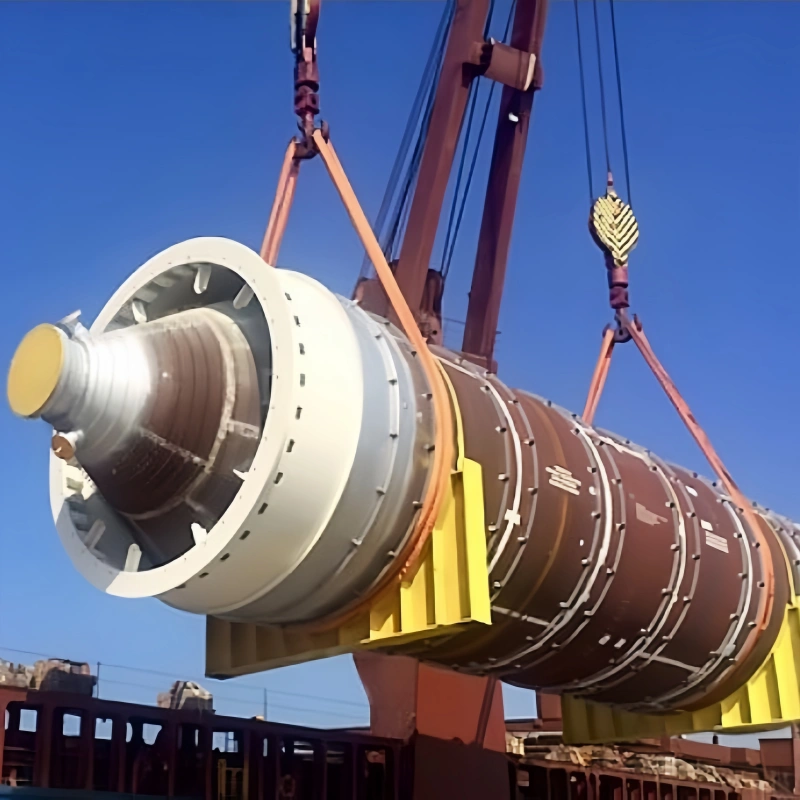
OSHA and ASME require you to schedule rigging equipment inspection at regular intervals to protect safety and maintain rigging inspection compliance. You must document each inspection and remove unsafe equipment immediately to preserve integrity.
Inspection frequency depends on service conditions, equipment use, and the nature of rigging tasks. Normal service calls for yearly inspections, while severe conditions may demand monthly or quarterly checks.
You can trust Powerful Machinery to supply certified products that support rigging inspection compliance and meet industry standards. Rigging inspection services help you verify compliance and safeguard your operations.
Evaluate your current rigging inspection compliance program. Consider certified solutions to strengthen safety and maintain equipment integrity.
Key Takeaways
Inspect rigging equipment before each use and document inspections at least once a year to ensure safety.
Remove any damaged or defective equipment immediately to prevent accidents and maintain compliance.
Follow OSHA and ASME guidelines for inspection frequency based on service conditions to protect your team.
Use certified inspectors and maintain thorough documentation to support safety and compliance efforts.
Invest in ongoing training for your team to improve inspection skills and enhance workplace safety.
Importance of Rigging Inspection and Safety
Why Rigging Inspections Matter?
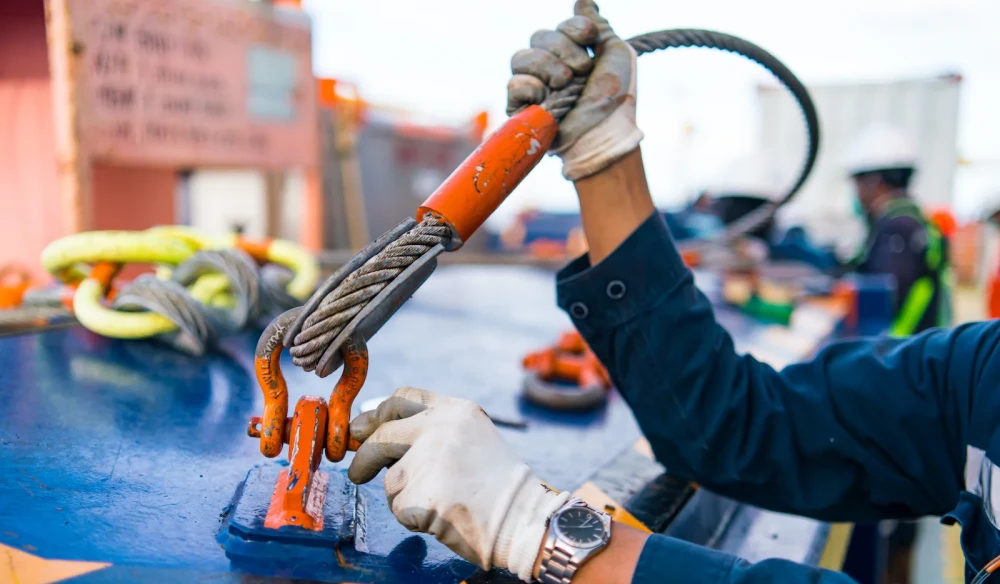
You play a critical role in maintaining workplace safety by following clear guidelines for rigging inspection. When you inspect your rigging equipment before each use, you help prevent equipment failure, which is a leading cause of accidents on construction and manufacturing sites.
Slings, shackles, and hooks often face heavy loads and harsh conditions. Over time, these factors can weaken the equipment. If you skip inspections or overlook damage, you increase safety risks for everyone on the jobsite.
Regular rigging inspections help you spot flaws, cracks, or distortions early. This proactive approach keeps your team safe and your operations running smoothly.
Clear guidelines for inspection ensure you do not miss critical warning signs. By checking each component, you reduce the chance of dropped loads or severe injuries. You also protect your investment in equipment by catching problems before they lead to costly failures.
Preventing Accidents and Ensuring Compliance
You can prevent most rigging accidents by following established protocols and inspection routines. Organizations that use scheduled inspections and strict load testing see fewer incidents and injuries.
When you check slings for wear, hooks for deformation, and the overall integrity of lifting devices, you ensure tools remain in good working condition.
Routine inspections and preventive maintenance help you:
Detect and prevent equipment failures.
Mitigate safety risks before they escalate.
Maintain compliance with industry standards and regulations.
By following clear guidelines and maintaining a regular inspection schedule, you support a culture of safety and compliance. This commitment not only protects your team but also strengthens your reputation as a responsible operator in the rigging industry.
Regulatory Standards for Rigging Inspection Compliance
Understanding and following regulatory standards is essential for safe rigging operations. You must comply with both OSHA and ASME requirements to protect your team and avoid costly penalties.
Powerful Machinery designs and certifies rigging equipment to help you meet or exceed these standards, supporting your compliance efforts and workplace safety.
OSHA Requirements Overview
OSHA sets clear rules for rigging equipment inspection and maintenance. You must follow these requirements to ensure a safe work environment and avoid violations. Key OSHA regulations include:
Conduct visual inspections before each shift to identify immediate risks.
Perform detailed periodic inspections at least once a year, with proper documentation.
Maintain rigging equipment in good condition to prevent hazards.
Remove any damaged or defective equipment from service immediately.
Ensure all rigging equipment has legible identification markings that show the safe working load.
You must inspect rigging equipment before each shift and as needed during use. If you find any defects, you must remove the equipment from service right away. OSHA 1910.184 requires you to keep records of periodic inspections, especially for chain slings and other critical lifting devices.
Failing to comply with OSHA standards can result in severe penalties. The table below shows the range of fines and consequences for different types of violations:
Violation Type | Penalty Range |
|---|---|
Willful Violation | $5,000 to $70,000 per violation |
Serious Violation | Up to $7,000 per violation |
Other-than-Serious Violation | Up to $7,000 per violation |
Repeated Violation | Up to $70,000 per violation |
Failure to Abate | Up to $7,000 per day beyond the abatement date |
Miscellaneous Violations | Fines up to $10,000 or imprisonment |
Harming Compliance Officer | Up to $5,000 and possible imprisonment |
A major crane collapse in Texas led to a developer paying over $800 million in damages. This case highlights the importance of strict compliance with inspection standards to avoid catastrophic outcomes.
ASME Standards Overview
ASME standards provide detailed guidance for rigging inspection intervals and documentation. You must understand these requirements to ensure your inspection program matches industry best practices. Key points include:
Initial inspections are required for all new, altered, modified, or repaired rigging equipment.
Frequent inspections should take place daily or before each use. These do not require formal documentation.
Periodic inspections must be documented, especially for chain slings, below-the-hook lifting devices, and load indicating devices.
Normal service conditions require yearly inspections.
Severe service conditions require monthly or quarterly inspections.
Special service inspections are set by a qualified person based on unique risks.
ASME B30.9, B30.10, B30.20, B30.21, and B30.26 cover slings, hooks, below-the-hook lifting devices, lever hoists, and rigging hardware. Both OSHA and ASME require you to inspect rigging hardware at least every twelve months.
ASME standards recommend adjusting inspection intervals based on the severity of service and the type of equipment.
Powerful Machinery manufactures rigging equipment that meets or exceeds these standards. Each product is certified, traceable, and ready for inspection. You can rely on Powerful Machinery to support your compliance with both OSHA and ASME requirements, reducing risk and ensuring safe lifting operations.
Tip: Review your current inspection schedule and documentation process. Make sure your equipment matches the latest OSHA and ASME standards for maximum safety and compliance.
Types of Rigging Inspections
Initial Inspection
You must start every safe lifting program with an initial rigging inspection. This process checks all new, altered, or repaired rigging before you put it into service. You review each piece for visible damage, proper assembly, and correct identification.
You also verify that load test certificates are current and that proof test documentation is available. Non-destructive testing reports help you find hidden flaws that could lead to failure.
Verification of current load test certificates ensures equipment can handle intended loads.
Review of proof test documentation provides evidence of actual load tests performed.
Validation of non-destructive testing (NDT) reports checks for underlying flaws, enhancing safety.
Initial rigging inspections are essential for preventing equipment failure. You must document these inspections to comply with safety standards and provide records for OSHA review.
This process helps you identify defective components and supports a proactive safety culture. If you skip this step, you risk penalties for using faulty equipment and for poor record-keeping.
Perform Inspections Frequently
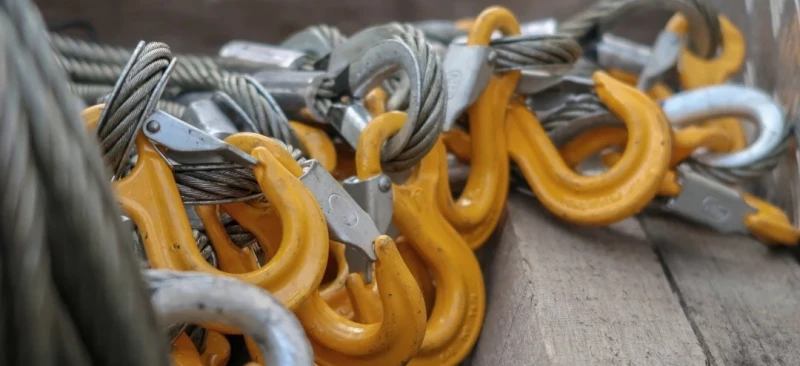
You need to perform inspections frequently to catch early signs of wear or damage. Industry best practices recommend a daily inspection or a check before each use.
You should assign a competent person to inspect all rigging components before every shift or lifting application. This routine helps you spot problems before they become hazards.
Source | Frequency of Inspection |
|---|---|
Heritage Industrial Services | Daily or before each use |
HHI Lifting | Designate a competent person for frequent inspections |
GoCanvas | Inspect before each use, especially for extreme applications |
Mazzella Companies | Inspect before any change in shift or lifting application |
During each daily inspection, you look for cracks, deformation, excessive wear, or missing identification tags. You must remove any defective components from service right away. This habit keeps your team safe and your operations compliant.
Tip: Make daily inspection a routine part of your safety meetings. Encourage your crew to report any concerns about rigging components immediately.
Periodic Inspection
You must schedule periodic inspections based on how often you use your rigging and the conditions it faces. These inspections go beyond daily checks. You examine each component in detail, looking for signs of fatigue, corrosion, or other long-term damage.
You also review historical data to adjust your inspection schedule as needed.
Several factors determine how often you need periodic inspections:
Usage intensity: Heavy-duty rigging requires more frequent checks.
Environmental conditions: Corrosive environments, extreme temperatures, or abrasive materials demand closer monitoring.
Historical data: Reviewing past performance helps you set proper inspection intervals.
You must document every periodic inspection. This record shows you have checked all components and helps you track the condition of your rigging over time. If you find any issues, you must remove the affected components and replace them with certified equipment.
Note: Powerful Machinery provides fully traceable rigging components that simplify periodic inspection and documentation. You can trust each piece to meet or exceed industry standards for safety and compliance.
Inspection Frequencies and Service Conditions
Normal, Severe, and Special Service
You must understand the different service conditions that affect your rigging equipment. These conditions determine how often you need to perform a documented periodic inspection. The table below outlines the main categories:
Service Condition | Definition |
|---|---|
Normal | Service that involves the use of loads within the rated load. |
Severe | Service that involves normal service coupled with abnormal operating conditions. |
Special | Service other than Normal or Severe, which is approved by a qualified person. |
Normal service applies when you use your rigging within its rated load and under standard conditions. Severe service occurs when you combine normal use with harsh environments, such as extreme temperatures, corrosive chemicals, or frequent shock loading.
Special service covers unique situations that a qualified person must approve. You should always follow the latest guidelines to classify your rigging environment correctly.
Tip: If you notice your equipment faces more than just routine lifting, consider moving to a more frequent inspection schedule.
Determining Inspection Intervals
You must set your inspection intervals based on how you use your rigging and the environment it operates in. The following table shows key factors that impact how often you should conduct a documented periodic inspection:
Factor | Impact on Inspection Interval |
|---|---|
Frequency of use | More frequent inspections for higher usage |
Harshness of service conditions | Increased frequency for severe conditions |
Nature of load-handling activities | Customized schedules based on specific activities |
Experience with similar equipment | Insights from past performance can adjust intervals |
If you use your rigging daily or in tough conditions, you need to inspect it more often. For example, severe service may require monthly or even weekly documented periodic inspection.
You should also review your records and past equipment performance to adjust your schedule. Following these guidelines helps you maintain compliance and keep your team safe during every rigging inspection.
Certified Inspectors and Training
Inspector Qualifications
You need certified inspectors to ensure every rigging inspection meets OSHA and ASME standards. These professionals must have the right background and skills to identify hazards and verify compliance. To become a qualified inspector, you should:
Pass a written and practical exam from an accredited certifying agency.
Complete a recognized program, such as the NCCCO Rigger Level I or II, or Lift Director certification.
Have at least two years of experience working with rigging equipment.
Demonstrate physical ability to perform inspections safely.
Show knowledge and experience, as determined by your employer or through formal degrees and certifications.
Employers often look for inspectors who have completed programs like the Crane Institute of America Rigging Equipment Inspector training. This ensures you have the expertise to spot issues before they become risks.
Powerful Machinery supports your compliance efforts by providing standards-ready equipment that makes the inspection process clear and efficient.
Importance of Ongoing Training
You must keep your skills sharp through ongoing training. The rigging industry evolves, and new standards or equipment require you to stay updated.
Many organizations offer hands-on and classroom training, such as the Basic Rigging Inspector Training program, which covers OSHA and ASME regulations, inspection techniques, and proper tool use. You can also attend advanced courses like the NACB Rigger Inspection Course, where you practice inspecting real rigging gear.
Flexible options exist for your team, including in-person sessions at your facility, training at specialized centers, and on-demand online education. The OSHA Education Center even provides online rigging awareness courses you can complete at your own pace.
Regular training helps you maintain your certification and ensures you always follow best practices. When you use Powerful Machinery’s certified equipment, you make the most of your training and keep your workplace safe.
Rigging Equipment Identification and Tagging
Required Tag Information
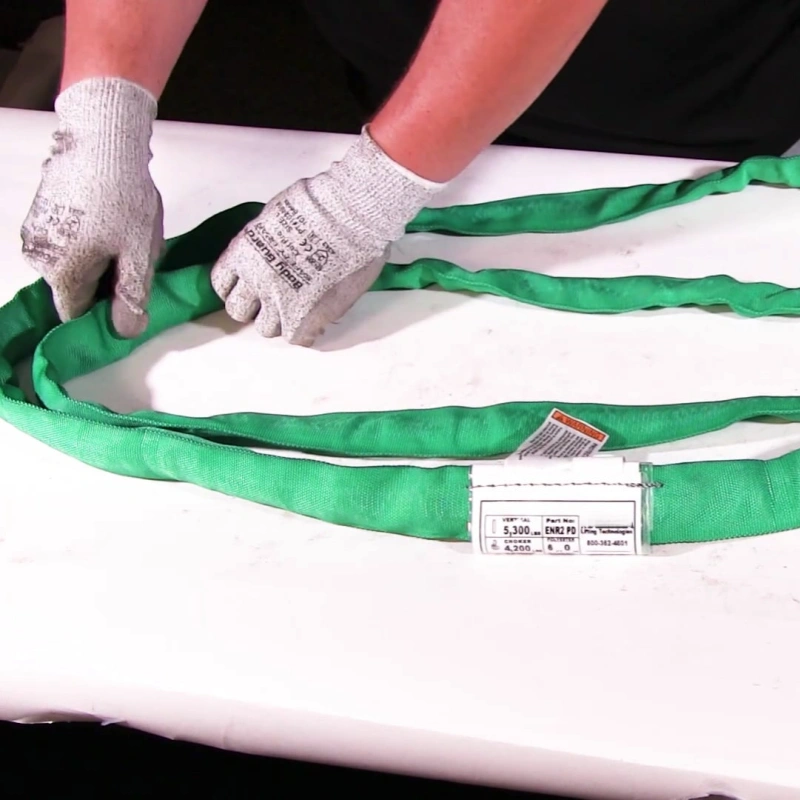
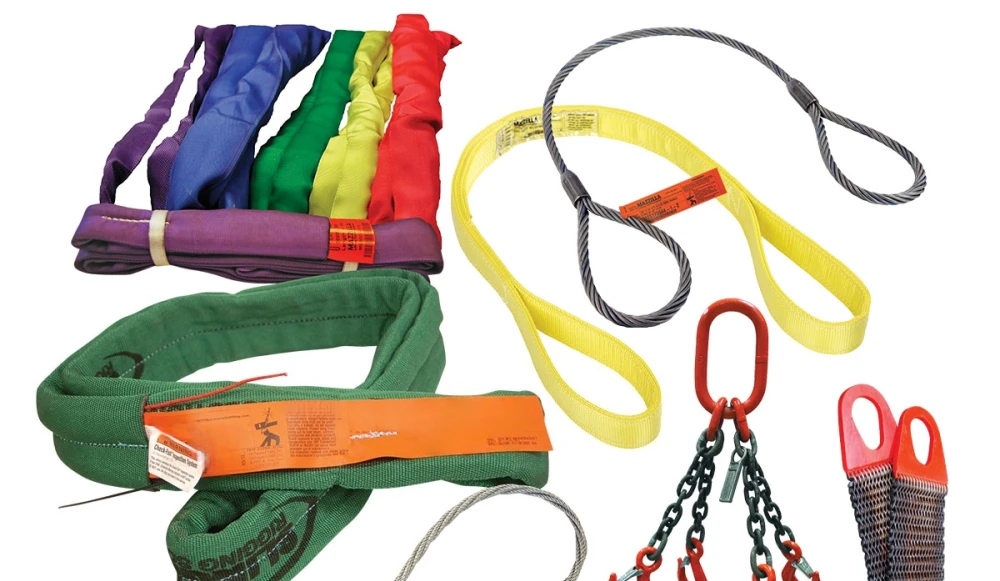
You must ensure every piece of rigging equipment has proper identification before use. OSHA and ASME require that tags remain permanently attached and easy to read. These tags provide critical safety information and help you verify compliance during inspections. Each tag should include:
The safe working load for the equipment
The type of hitch or hitches used
The angle on which the load rating is based
The number of legs, if the equipment has more than one
The diameter or size of the rigging component
The name or trademark of the manufacturer
Proper identification allows you to confirm that each component matches your lifting requirements. You can quickly check if the equipment is suitable for the job and meets all regulatory standards.
Powerful Machinery supplies rigging equipment with clear, durable tags that support full traceability and compliance. This attention to detail helps you pass inspections and maintain a safe work environment.
Actions for Missing or Illegible Tags
If you find a rigging tag that is missing or hard to read, you must act immediately. Remove the equipment from service right away. Never use rigging gear without a legible tag, as you cannot verify its specifications or safety limits. Always check that serial numbers, load capacities, and inspection intervals are visible.
Keep organized records of test certificates and manuals for quick reference.
When a tag is damaged or missing, treat the replacement as a repair. You do not need to perform additional proof testing, but you must ensure the new tag provides all required information.
Powerful Machinery’s products make this process easier by offering fully traceable components and reliable documentation. This approach supports your efforts to maintain proper identification and meet all inspection requirements.
What to Look for During Rigging Inspection?
Common Signs of Damage
You need to stay alert for visible damage during every rigging inspection. Early detection helps you prevent accidents and maintain compliance. When you examine your equipment, pay close attention to these warning signs:
Heat damage often appears as a bluish tint on chains. This color change signals exposure to excessive heat, which weakens the metal.
Sharp edges can cause nicks, gouges, or crushed links. These issues usually develop when you lift loads with rough surfaces.
Wire ropes may show broken wires, corrosion, or deformations like kinking and birdcaging. These problems reduce strength and reliability.
Rigging hardware, such as hooks and shackles, can have missing latches, bends, cracks, or pins that do not fit properly.
Tip: Always remove any equipment showing these signs from service. Protect your team by acting quickly when you spot damage.
Equipment-Specific Inspection Points
You must follow equipment-specific rigging inspection requirements to ensure every lift is safe. Each type of gear has unique features that need careful review. For example, when you inspect shackles, slings, or hoists, focus on these points:
Look for cracks, bends, or any visible deformation in the body.
Check the pin for wear and confirm it sits correctly in place.
Make sure the shackle matches the size and type needed for your load.
Inspect for rust or corrosion, which can weaken critical components.
Confirm the working load limit (WLL) is clear and easy to read.
Examine the threads on the pin for signs of damage or excessive wear.
By checking these details, you help ensure your rigging remains safe and reliable. Consistent inspections of critical components keep your operations running smoothly and support a strong safety culture.
Documentation and Recordkeeping
OSHA and ASME Documentation
You must follow strict documentation requirements to meet OSHA and ASME standards. Both organizations require you to keep detailed records for every rigging inspection. These records serve as proof that you have checked your rigging equipment and followed all safety rules.
You should include the date of each inspection, the name of the inspector, findings, and any actions taken. Proper documentation helps you track the condition of your equipment over time and supports compliance during audits.
Required Record | Details to Include |
|---|---|
Inspection Date | When the inspection took place |
Inspector Name | Who performed the inspection |
Findings | Any defects or issues found |
Actions Taken | Repairs, removals, or replacements |
Load Test Certificates | Proof of up-to-date load testing |
Proof Test Documentation | Evidence of actual load tests performed |
NDT Reports | Results of non-destructive testing |
You must store all documentation in a secure and accessible location. This practice ensures you can quickly provide records during regulatory reviews or internal audits. Keeping accurate documentation also helps you identify trends and plan maintenance.
Inspection Checklists and Best Practices
You should use inspection checklists to make sure you do not miss any critical steps. A good checklist covers all components and matches the documentation requirements set by OSHA and ASME. Best practices for documentation and recordkeeping include:
Review all certification and testing records for each piece of rigging.
Confirm that all required load tests are current and documented.
Validate non-destructive testing reports for hidden flaws.
Maintain accurate records of every inspection, including findings and corrective actions.
Assign inspections to qualified personnel with proper training.
Set a regular inspection schedule based on equipment use and environment.
Foster open communication about rigging equipment issues.
By following these steps, you create a strong documentation system that supports safety and compliance. Consistent documentation protects your team and your business.
Removal from Service and Replacement
Criteria for Immediate Removal
You must act quickly when you find unsafe rigging equipment. OSHA and ASME set clear rules for when to remove gear from service. If you see any of the following issues during an inspection, take the equipment out of use right away:
Criteria for Removal from Service | Description |
|---|---|
Visibility of Markings | If the Working Load Limit or size is not visible, do not use the gear. |
Physical Damage | Look for acid burns, heat damage, holes, tears, cuts, or any damage that exposes core yarns. |
Condition of Hardware | Shackles and other hardware must be free from pitting, corrosion, or visible damage that raises safety concerns. |
You should also remove equipment if you notice:
Missing or unreadable sling identification.
Broken wires in slings that exceed safe limits.
Severe abrasion or scraping.
Signs of heat damage.
End attachments that are cracked or deformed.
Tip: Never ignore these warning signs. Immediate removal protects your team and keeps your operation compliant.
Inventory and Replacement Steps
Once you remove unsafe equipment, you need a clear replacement plan. Follow these steps to keep your rigging inventory safe and reliable:
Check that all labels on new equipment are easy to read and undamaged.
Inspect for corrosion, nicks, gouges, melting, charring, holes, cuts, tears, and heavy abrasions.
Examine load-bearing parts for bends, cracks, twists, or stretching.
Make sure no bolts or snap rings are missing.
For wire rope slings, avoid corrosion, bending, and stress.
For alloy chains, watch for welding defects, deformed links, rust, and heat damage.
For synthetic slings, look for acid burns, melting, wear, and distortion.
You should document every removal and replacement. This process helps you track your equipment and supports a strong safety culture. Using certified products from trusted suppliers like Powerful Machinery ensures your rigging meets industry standards and inspection requirements.
Best Practices for Rigging Inspection Compliance
Training and Continuous Improvement
You strengthen your safety program by investing in ongoing training for your team. Effective training methods help workers understand safe rigging practices and improve inspection skills. You can use scenario-based exercises to let your crew practice emergency responses and recognize hazards in a controlled setting.
Hands-on training gives workers the chance to inspect equipment and respond to simulated emergencies. Regular inspections reinforce classroom knowledge and help prevent equipment failures.
Enhances safety by reducing accidents and injuries.
Improves efficiency and boosts productivity.
Ensures compliance with regulations and builds trust between management and employees.
Minimizes insurance costs and extends equipment lifespan.
Fosters better communication and teamwork.
You should review documentation, including training records and inspection reports, to monitor progress. Observing lifting and rigging practices on the job helps you identify areas for improvement.
Using certified equipment from Powerful Machinery supports your training efforts and ensures your team follows industry standards.
Tip: Schedule refresher courses and encourage feedback to keep your safety program current.
Using Third-Party Services
You can maintain compliance with OSHA and ASME standards by using third-party inspection services. These experts provide thorough inspections of your rigging equipment and document findings to meet regulatory requirements. They help you identify issues and understand your safety responsibilities.
Standard | Requirement | Frequency |
|---|---|---|
OSHA 1910.184 | Periodic inspections on slings and hardware | Every 12 months minimum |
ASME B30.9 | Inspection guidelines for lifting slings | Every 12 months minimum |
ANSI Z359 | Fall protection inspections | Monthly to quarterly |
Third-party inspectors assess the use, care, and storage of your equipment. They observe lifting and rigging practices and recommend improvements for efficiency and safety. Immediate notification of critical safety issues keeps your operation safe.
Powerful Machinery’s certified rigging equipment and support services make it easier for you to maintain compliance and protect your team.
Note: Partnering with trusted experts ensures your inspection program meets the highest standards.
Conclusion
You protect your team and equipment when you follow OSHA and ASME guidelines for rigging inspections. Inspect before initial use, check daily, and schedule periodic reviews based on service conditions. Certified inspectors and strong documentation keep your operation compliant and efficient.
Key Takeaway | Description |
|---|---|
Inspection Frequency | Inspect at least every 12 months, more often for severe conditions. |
Safety Assurance | Regular checks prevent injuries and costly downtime. |
Review your inspection program. Use a thorough checklist and consult certified experts or Powerful Machinery for reliable, standards-ready rigging solutions.
FAQ
How often should you inspect rigging equipment?
You should inspect rigging equipment before each use and perform a documented inspection at least once every 12 months. Increase inspection frequency if you use equipment in severe or special service conditions.
What should you do if you find damaged rigging equipment?
Remove damaged equipment from service immediately. Do not attempt repairs unless you have proper training and authorization. Replace the equipment with certified, standards-compliant products to maintain safety and compliance.
Why is traceability important for rigging equipment?
Traceability lets you verify the history, certification, and inspection records of each component. This process supports compliance with OSHA and ASME standards and helps you quickly identify and address safety concerns.
Does Powerful Machinery provide certified rigging equipment?
Yes. Powerful Machinery supplies fully certified and traceable rigging equipment. Each product meets or exceeds international safety standards, making it easy for you to pass inspections and maintain compliance.