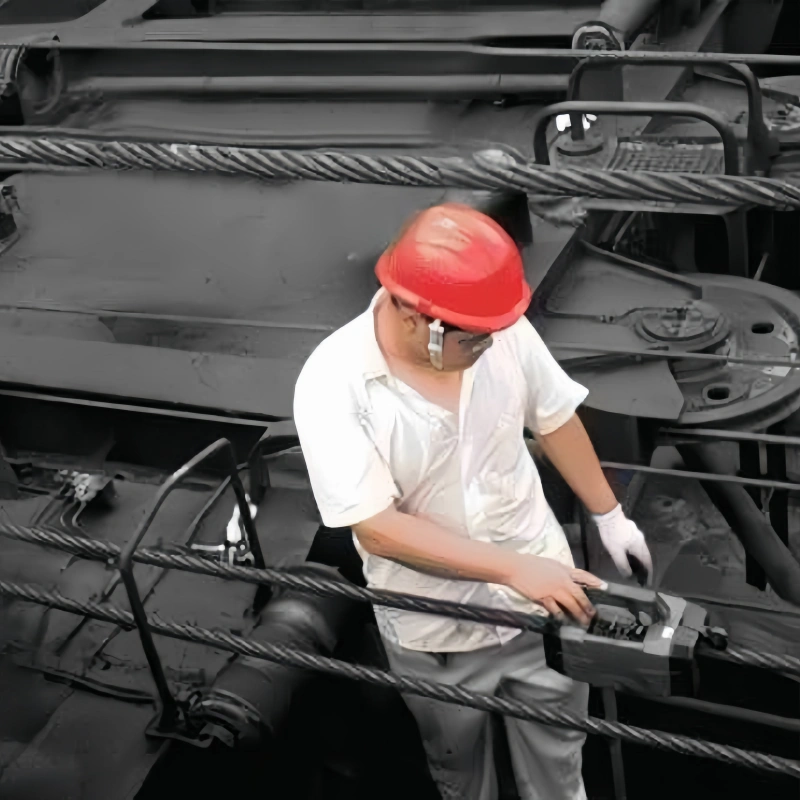
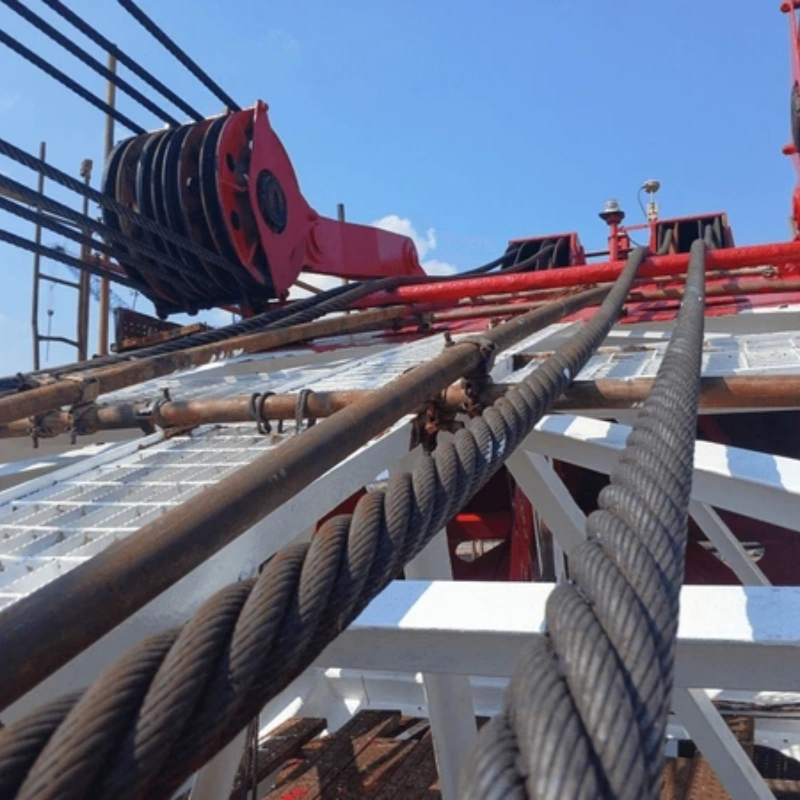
Proper rigging equipment storage keeps your workplace safe and extends the life of your rigging gear. When you store rigging equipment in a clean, dry space away from heat, dirt, and moisture, you prevent corrosion and surface wear. You also protect your lifting and rigging tools from UV damage.
Powerful Machinery designs certified rigging solutions that help you meet strict safety standards. If you ignore best practices, you risk damaging equipment and creating hazards. You gain peace of mind by following proven storage methods.
Key Takeaways
Store rigging equipment in a clean, dry space to prevent corrosion and damage.
Conduct regular inspections and cleaning to maintain the integrity of your rigging gear.
Organize equipment by type and usage to enhance efficiency and safety.
Implement a labeling system to track equipment and ensure compliance with safety standards.
Avoid overcrowding and environmental hazards to protect your rigging tools and reduce risks.
Risks of Improper Storage
Safety Hazards
You face serious safety hazards when you do not store rigging equipment correctly. Exposure to moisture can cause corrosion, which weakens the metal and increases the risk of failure during lifting and rigging operations.
Dirt buildup can also reduce the strength of your rigging slings and other gear. Extreme temperatures may lead to premature wear or unexpected failures.
Moisture leads to corrosion.
Dirt weakens equipment over time.
High or low temperatures cause early wear and sudden breakdowns.
These hazards put your team at risk and can result in accidents on the job site.
Equipment Damage
Improper storage often causes damage to rigging slings and other lifting and rigging tools. Leaving slings in direct sunlight or exposed to harsh weather can break down fibers and materials.
Dragging slings across rough surfaces creates snags and tears. Failing to block or pad slings on sharp edges can cut or weaken them.
Slings left outside get damaged by the sun and rain.
Dragging slings causes snags and failures.
Not using softeners or blocks on sharp edges leads to cuts.
Damaged rigging equipment cannot support heavy loads safely. You increase the risk of equipment failure and costly downtime.
Compliance Issues
You must follow strict storage standards to avoid legal and financial trouble. Non-compliance can lead to project shutdowns, denied insurance claims, and heavy fines. Your reputation with clients and partners may also suffer.
Project shutdowns and financial losses
Increased accident risk and liability
Denied insurance claims
Fines up to $16,000 per violation
Powerful Machinery sets the benchmark for proper storage. The company’s products meet the highest standards and certifications:
Certification | Description |
|---|---|
ISO 45001 | Focuses on occupational health and safety, minimizing risks during operations |
ISO 14001 | Promotes responsible environmental practices in rigging operations |
OSHA Compliance | Ensures adherence to workplace safety regulations |
NCCCO Certification | Validates rigger skills and safety competence |
Following these standards protects your business and ensures your rigging equipment stays reliable for every lift.
Safe Rigging Equipment Storage Process
Inspection and Cleaning
You must start every rigging equipment storage routine with a thorough inspection and cleaning. Examine each piece for visible damage, wear, or deformation. Look for broken wires, bent hooks, or frayed rigging slings. Remove any dirt, grease, or chemical residue after each use.
This prevents contaminants from causing material degradation and keeps your lifting and rigging tools in top condition.
Clean all rigging slings and hardware with approved cleaning agents.
Dry equipment completely before placing it in storage.
Check for signs of corrosion, especially on wire ropes and chains.
Tag damaged items for repair or replacement.
Regular inspections and cleaning help you maintain the integrity of your rigging equipment and reduce the risk of failure during lifting and rigging operations.
Choosing the Right Storage Environment
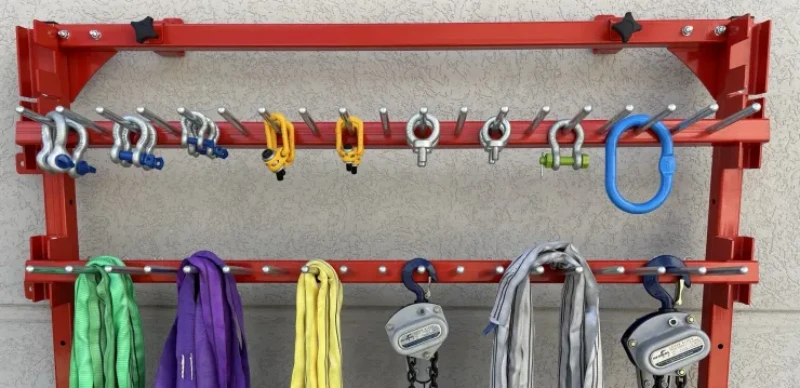
Select a storage area that protects your rigging equipment from environmental hazards. The right environment extends the life of your gear and supports safe lifting and rigging practices. Use climate-controlled spaces when possible. Install racks and shelving to keep equipment off the floor and away from moisture.
Environmental Factor | Impact on Rigging Equipment |
|---|---|
Moisture | Causes corrosion of steel strands, weakening structural integrity. |
Temperature Extremes | High heat can evaporate lubricants and melt materials; low temperatures can make steel brittle. |
Chemical Exposure | Degrades synthetic materials, compromising load capacity. |
UV Radiation | Causes fading and brittleness in synthetic fibers, reducing service life. |
Abrasive Environments | Leads to wear and damage from friction against sharp edges. |
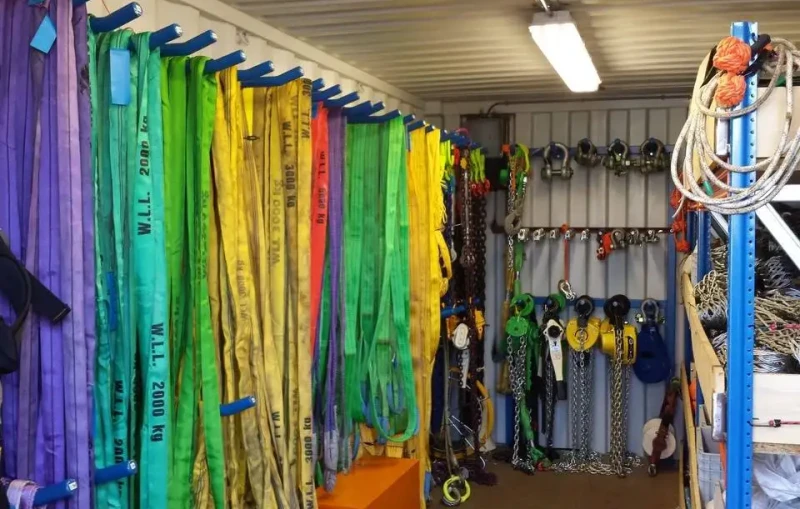
You should avoid storing rigging slings in direct sunlight or near chemicals. Keep the area clean and free of debris. Use racks to separate different types of equipment and prevent tangling or crushing. These storage techniques help you avoid common hazards and keep your rigging equipment ready for use.
Organizing by Type and Usage
Organize your rigging equipment by type and usage to maximize efficiency and safety. Group similar items together and store them in clearly marked sections. This makes it easy to find the right tool for each job and reduces the risk of using the wrong equipment.
Wire rope slings: Use for heavy loads and harsh environments.
Chain slings: Ideal for lifting heavy and abrasive loads.
Synthetic slings: Lightweight and flexible, gentle on delicate loads.
Grab hooks: Provide secure attachment points for chain slings.
Slip hooks: Prevent slipping off the load, used with web slings.
Swivel hooks: Allow for better maneuverability and alignment of the load.
Anchor shackles: Versatile for attaching multiple slings.
Chain shackles: Secure connection for lifting equipment.
Shoulder eye bolts: Suitable for both vertical and angular lifts.
Turnbuckles: Adjust tension and length of rigging systems.
Pulleys: Change the direction of the load or reduce the lifting force.
Spreader bars: Distribute load evenly across multiple points.
Lifting clamps: Provide a secure grip for lifting various loads.
Proper organization streamlines your workflow and supports safe rigging equipment storage practices.
Labeling and Inventory
Implement a robust labeling and inventory system to track your rigging equipment. Use modern technology to simplify management and improve traceability.
Labeling System | Description |
|---|---|
Barcodes | Automated tracking to reduce losses and misplacement of equipment. |
QR Codes | Streamlines access to critical information about equipment. |
RFID | Provides precise location identification for movable assets. |
You can attach QR codes to lifting equipment for efficient management. RFID technology allows you to track the exact location of your rigging slings and other assets. Inventory management software further enhances compliance and traceability.
Philip Schlom, a Parker employee, stated that TRACS allows operational teams to monitor the precise location and operational status of tools, maintaining historical views throughout their lifecycle. This ensures full traceability, which is critically important.
Certified and traceable rigging equipment supports regulatory compliance and safety. You reduce the risk of operational disruptions and improve project efficiency by following these storage practices.
Compliance Benefit | Description |
|---|---|
Safety Assurance | Certified equipment ensures adherence to safety standards, reducing the risk of accidents. |
Regulatory Compliance | Using traceable rigging equipment helps meet local and national laws, preventing operational disruptions. |
Operational Efficiency | Certified riggers enhance project efficiency by minimizing downtime and optimizing timelines. |
By following these steps, you create a safe, organized, and compliant rigging equipment storage system that protects your investment and your team.
Common Storage Mistakes to Avoid
Overcrowding and Disorganization
You risk damaging rigging slings and other rigging equipment when you overcrowd your storage area. Piling gear on top of each other causes crushing, tangling, and unnecessary wear. Disorganization leads to misplaced items and increases the chance of using the wrong tool for a lifting and rigging job.
You can prevent these issues by using racks and shelving to separate different types of rigging. Label each section clearly and keep similar items together. Powerful Machinery recommends storing slings and hardware off the ground in a cool, dry, and dark place.
This approach protects your investment and supports safe storage practices.
Ignoring Environmental Controls
Ignoring environmental controls exposes your rigging slings and rigging equipment to serious risks:
Damaged equipment from moisture, heat, or chemical exposure
Safety hazards for workers during lifting and rigging operations
Costly OSHA violations and compliance issues
Increased risk of sling failure and load damage
You should never store slings in direct sunlight or chemically active environments. Always keep your storage area clean and free from dust, dirt, and moisture. Use edge protection to prevent wear during use. Following these guidelines helps you maintain the integrity of your rigging and reduces the risk of failed lifts or injuries.
Skipping Regular Inspections
Skipping routine inspections is a critical mistake that can lead to equipment failure and safety incidents. You must inspect rigging slings, hooks, and shackles before every shift and after any incident. Review load test certificates and proof test documentation to ensure all equipment meets current standards.
Use color-coded tags to indicate certification status and keep both digital and physical records. Powerful Machinery advises creating a centralized system to track certification expiration dates and schedule testing before deadlines.
Regular inspections help you catch problems early and keep your lifting and rigging operations safe and compliant.
Tip: Never skip pre-use checks for any rigging gear. Consistent inspections and proper documentation keep your team safe and your projects on track.
Conclusion
You protect your investment and your team when you follow a structured rigging equipment storage process. Inspect and clean all rigging slings before placing them in storage. Organize your rigging equipment by type and usage. Use clear labeling to track every piece.
Ongoing staff training reduces accidents and supports compliance, as shown by recent Bureau of Labor Statistics data. Choose Powerful Machinery’s certified rigging solutions for reliable lifting and rigging operations. Consult with experts to create a daily checklist and improve your rigging slings management.
FAQ
How often should you inspect rigging slings in storage?
You should inspect rigging slings before every use and at scheduled intervals. Frequent inspections help you identify damage early and maintain safe lifting and rigging operations.
What is the best way to organize rigging equipment storage?
You can organize rigging equipment storage by grouping items by type and usage. Use racks, shelves, and clear labels to keep rigging slings, hooks, and shackles separated and easy to find.
Can you store rigging equipment outdoors?
You should avoid storing rigging equipment outdoors. Exposure to moisture, sunlight, and temperature extremes can damage rigging slings and reduce the lifespan of your lifting and rigging gear.
Why is traceability important for rigging equipment?
Traceability lets you track each piece of rigging equipment. You can verify certifications, schedule inspections, and ensure compliance with safety standards. This process protects your team and supports reliable lifting and rigging.
What should you do if you find damaged rigging slings during inspections?
Tip: Remove damaged rigging slings from service immediately. Tag them for repair or replacement. Never use compromised equipment for lifting and rigging tasks.