Crane rigging involves lifting and moving heavy materials using specialized equipment and safety procedures. You depend on proper crane rigging services to ensure safety and project efficiency.
The importance of proper rigging becomes clear when you consider the risks of poor load dynamics and the consequences of ignoring safety guidelines. When you follow safety protocols, you minimize downtime, reduce accidents, and comply with regulations.
You see smooth lifting operations and effective resource management. Powerful Machinery supplies certified rigging solutions, helping you achieve safe and reliable results on every project.
Key Takeaways
Crane rigging is essential for safely lifting and moving heavy loads. Proper planning and equipment selection are crucial for successful operations.
Following strict safety protocols minimizes accidents and project delays. A strong safety culture boosts team morale and productivity.
Regular inspections and maintenance of rigging equipment prevent accidents and ensure compliance with safety standards.
Effective communication among team members is vital for safe lifting operations. Clear roles and signals reduce misunderstandings and risks.
Investing in professional training and certified gear enhances safety and efficiency in crane rigging, leading to better project outcomes.
Crane Rigging Basics

What Is Crane Rigging?
You encounter crane rigging whenever you need to lift and move heavy loads safely and efficiently. This process goes beyond simply raising objects. Crane rigging involves careful planning, equipment selection, and configuration to ensure every lift meets strict safety standards.
You must understand the distinction between rigging and general lifting operations. Rigging prepares the load for lifting, while lifting refers to the actual movement of the load. You rely on rigging to choose the right gear and set up the load correctly before any crane operation begins.
Rigging is the preparatory process for lifting loads.
Lifting is the action of raising and lowering loads.
Rigging involves selecting the appropriate equipment and configurations to ensure safety during lifting.
You see crane rigging as a critical part of many industries. The construction industry depends on it for moving steel beams, concrete panels, and machinery. You also find crane rigging in the marine, transportation, and cargo handling sectors.
Powerful Machinery stands out as a global provider of certified rigging solutions. You benefit from their expertise and high-performance products, which help you meet demanding safety and reliability standards on every project.
Key Applications
Crane rigging supports a wide range of applications across different sectors. You use it to handle complex lifts, transport oversized materials, and assemble large structures. The following table highlights how crane rigging serves key industries:
Industry Sector | Primary Applications |
|---|---|
Mining | Lifting and transporting heavy materials, such as ore and mining equipment. |
Power Generation | Assembly of wind turbines, installing power lines, and maintaining power plants. |
Aerospace | Assembling aircraft, handling large components, and transporting engines. |
Forestry | Lifting and moving heavy logs and equipment for timber processing. |
Entertainment | Setting up stages, lighting rigs, and sound equipment for events. |
Telecommunications | Installing cell towers and communication infrastructure. |
Emergency Services | Performing rescues from high-rise buildings and assisting in disaster response efforts. |
You notice that crane rigging adapts to the unique demands of each sector. In construction, you use rigging to position structural elements with precision. In mining, you rely on it to move massive equipment safely. You see its value in power generation, where assembling wind turbines requires exact rigging techniques.
Powerful Machinery delivers certified solutions that support these diverse applications, ensuring you achieve safe and efficient lifting operations every time.
Crane Rigging Safety
Risks of Improper Rigging
You face significant hazards when you overlook proper crane rigging practices. Human error remains the leading cause of crane-related accidents. Over 90% of incidents result from mistakes made during setup or operation. These errors can lead to serious injuries or even fatalities.
Improper rigging configuration, such as exceeding load capacity or using the wrong lifting points, increases the risk of accidents. Shock loading, which happens when a load moves suddenly, can magnify the weight and cause equipment failure.
Inadequate equipment selection also creates a hazard, damaging both the load and the machinery.
Risk Type | Consequence |
|---|---|
Human Error | Over 90% of crane-related accidents occur due to human error, leading to serious injuries or fatalities. |
Improper Rigging Configuration | Can result in exceeding load capacity, shifting loads, or using incorrect lifting points, causing accidents. |
Shock Loading | Sudden movement of loads can magnify weight, leading to equipment failure and potential injuries. |
Inadequate Equipment | Using improperly sized rigging can lead to accidents and damage to loads or equipment. |
The financial impact of these hazards can be severe. A single crane lifting accident costs an average of $185,000. Workplace injuries average $43,000 per incident, while fatalities can exceed $1.46 million. Lost-time injuries add another $35,000 per case. These costs often account for 6-9% of total construction project expenses.
Tip: You can reduce these risks by following strict safety protocols and using certified equipment for all lifting operations.
Efficiency and Project Outcomes
You improve project outcomes when you prioritize safety in crane rigging. Adhering to safety protocols minimizes accidents and keeps your project on schedule. Fewer incidents mean fewer delays and lower costs.
A strong safety culture boosts morale and increases productivity among your team. You also avoid legal issues by complying with industry regulations, which ensures smoother project execution.
Adhering to safety protocols minimizes accidents, which directly impacts project timelines by reducing delays caused by incidents.
A culture of safety enhances workplace morale, leading to increased productivity and engagement among workers.
Compliance with regulations helps avoid legal issues, ensuring smoother project execution.
You see the benefits of safety extend beyond the job site. Clients and stakeholders trust companies that demonstrate a commitment to safety and efficiency. This trust leads to more opportunities and long-term success.
When you invest in proper crane rigging and hazard prevention, you protect your team, your equipment, and your reputation.
Rigger Roles and Responsibilities
Rigger Duties
You play a vital role as a rigger during crane rigging operations. Your responsibilities go beyond attaching loads. You must select the right equipment, inspect every component, and understand how loads behave during lifting. You coordinate with your team to maintain safety and efficiency.
The table below outlines your primary duties as a certified rigger:
Duty/Responsibility | Description |
|---|---|
Load Attachment | Securely attach loads to cranes in various environments. |
Selection of Equipment | Choose slings and hardware suitable for each specific load. |
Communication with Operators | Signal crane operators to guide safe lifting operations. |
Load Dynamics Knowledge | Understand how loads move and react during lifts. |
Check rigging gear regularly for safety and reliability. | |
Team Coordination | Work closely with operators and crew to ensure safe procedures. |
You signal the crane operator using hand signals or radio communication. You verify that the load is properly rigged before lifting. You maintain visual contact with both the load and the operator throughout the process.
Crane Operator Tasks
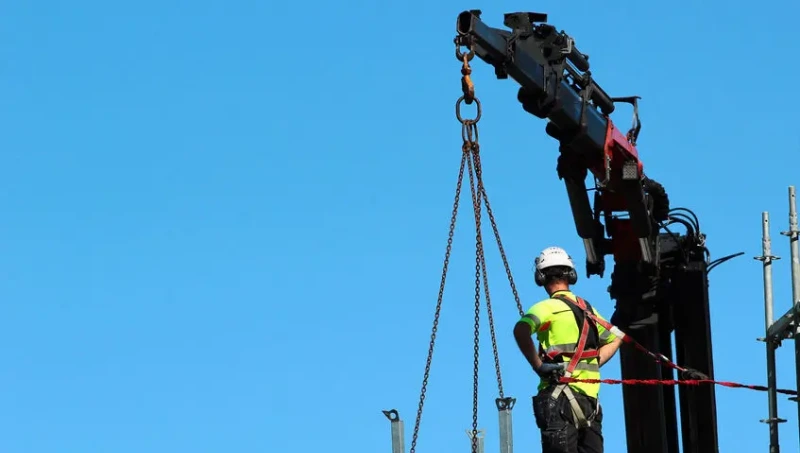
You rely on the crane operator to execute the rigging plan with precision. The operator controls the crane’s movements and follows your signals. You expect the operator to:
Operate the crane smoothly and safely.
Respond quickly to your instructions.
Monitor the load’s position and stability.
Stop operations if any risk appears.
You and the crane operator must work together to prevent accidents and ensure every lift meets safety standards.
Team Communication
You achieve safe crane rigging through clear communication. You establish protocols before each job. Pre-job briefings help clarify roles and tasks, making sure everyone understands the rigging plan and potential hazards. You use standardized signals to minimize misunderstandings.
The table below shows how effective communication reduces risks:
Evidence | Description |
|---|---|
Clear communication protocols | Set clear rules between operators and riggers for safe operations. |
Pre-job briefings | Discuss roles and hazards before starting work. |
Standardized signals | Use agreed signals for precise coordination during lifts. |
Note: Strong communication keeps your team alert and coordinated. You reduce the chance of errors and create a safer work environment.
Types of Crane Rigging
Load Classifications
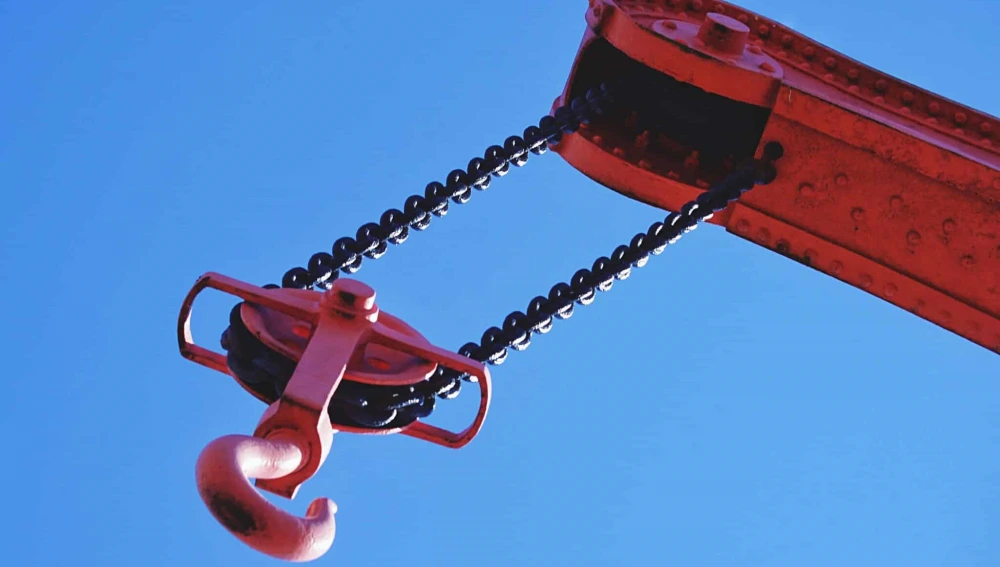
You encounter many types of loads in crane rigging. Each load requires a specific approach to ensure safety and efficiency. The table below shows common load classifications and the rigging considerations for each:
Load Type | Description | Special Rigging Considerations |
|---|---|---|
Regular/Uniform | Balanced weight, predictable center of gravity | Use equal-length slings for simple setups |
Irregular | Uneven shape or weight distribution | Calculate weight carefully, use multiple attachments |
Fragile | Easily damaged materials | Add protective measures like softeners |
Long/Flexible | Items that bend or flex | Use spreader beams and multiple lift points |
Bundled | Grouped similar items | Secure bundling, assess shifting risks |
Live/Dynamic | Contains liquids or movable parts | Account for movement during lifting |
Heavy/Concentrated | Extremely heavy, concentrated weight | Use specialized heavy-lift rigging |
You must identify the load type before selecting your rigging equipment. This step helps you prevent accidents and maintain control during lifting operations in the construction industry.
Rigging Methods
You choose a rigging method based on the load and the environment. Each method offers unique advantages for different scenarios. The table below outlines widely used rigging methods and their best practice applications:
Rigging Method | Best Practice Scenario | Description |
|---|---|---|
Choker Hitch | Cylindrical objects (pipes, logs) | Tightening the loop for a strong grip |
Basket Hitch | Balanced loads (pallets, crates) | Cradles load, distributes weight evenly |
Bridle Sling | Large or irregular loads | Multiple attachment points for stability |
Double Wrap Choke | Materials prone to slipping | Tighter grip for enhanced stability |
Vertical Hitch | Well-balanced loads | Single attachment point for vertical lifts |
Hitches with Multiple Slings | Complex loads (large machinery) | Combines slings for stability and distribution |
Spreader Bars/Lifting Beams | Large, flat loads (panels, sheets) | Distributes load to prevent bending |
You select the method that matches your load’s shape and weight. This choice improves safety and efficiency in construction projects.
Matching Techniques
You apply the right technique to match your rigging gear with the load and environment. Follow these steps to optimize safety and performance:
Assess load specifications. Evaluate weight, dimensions, and material properties to choose secure equipment.
Match capacity ratings. Confirm that slings, shackles, and hooks meet the required weight limits.
Consider environmental factors. Account for temperature, moisture, and chemical exposure when selecting gear.
Calculate load weight. Include all hardware and accessories in your calculations.
Account for load distribution. Attach gear to distribute weight evenly and maintain stability.
Factor in equipment capacity. Stay within working load limits to avoid failures.
Secure load attachment. Prevent slippage or shifting by attaching gear properly.
Utilize appropriate sling angles. Maintain stability and reduce stress on equipment.
Inspect rigging connections. Check all components for damage before lifting.
Tip: You improve crane rigging safety and efficiency when you follow each technique step. Proper technique reduces risks and supports successful lifting operations in construction.
Essential Rigging Equipment
Slings and Chains
You rely on slings and chains for most lifting tasks. These components form the backbone of essential rigging equipment. Powerful Machinery manufactures wire rope and chains that meet strict international standards.
You see certifications like ASME B30.9, WSTDA, and RS-1, which require annual inspections and written records for safe usage. Always choose certified alloy steel for chain slings. Before each lift, inspect your rigging gear for legible identification tags and documented inspection records.
Certification Standard | Description |
|---|---|
ASME B30.9 | Requires annual certification for chain slings to ensure safe usage in lifting operations. |
WSTDA | Requires a written record of the most recent inspection for valid certifications. |
RS-1 | Requires a written record of the most recent inspection for valid certifications. |
Use certified alloy steel for chain slings.
Check compliance with OSHA and ASTM standards.
Inspect chain slings before each use.
Shackles and Hooks
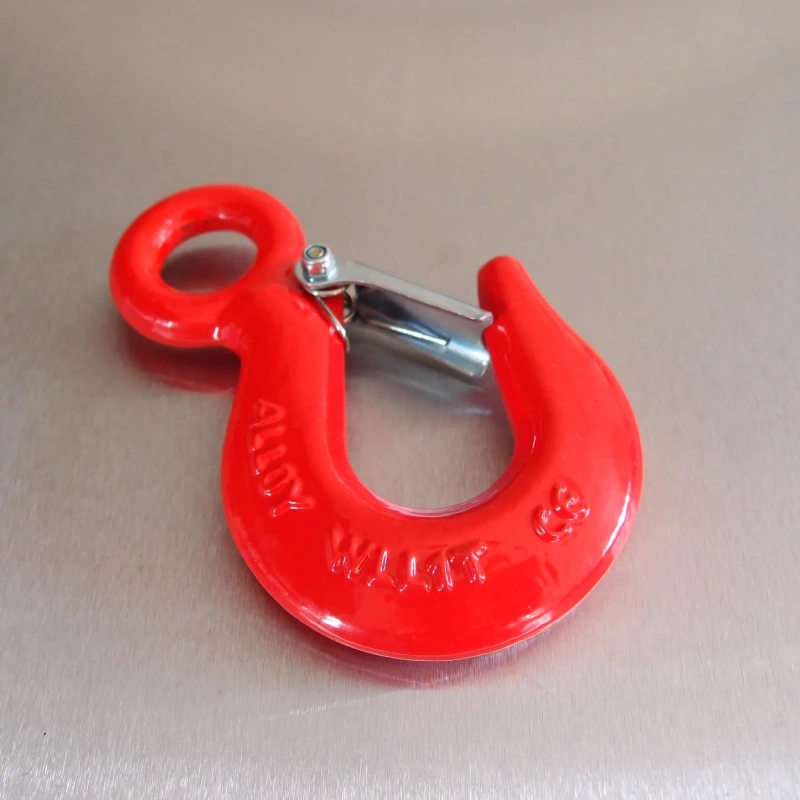
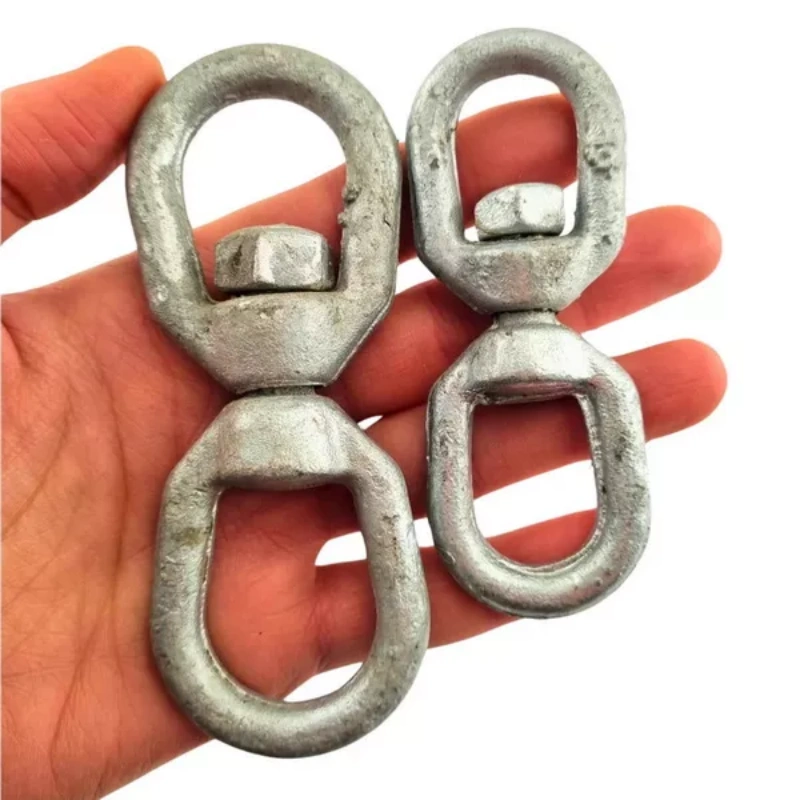
You depend on rigging hooks and shackles to create secure connections. Powerful Machinery produces these components from high-grade materials, ensuring they withstand heavy loads.
Each hook and shackle displays its Working Load Limit. You benefit from products that meet or exceed ASME B30.10 and B30.26 standards. Certified shackles and hooks enhance reliability and safety during lifting operations.
All lifting hooks and shackles are marked with Working Load Limits.
They meet or exceed industry standards for safety and performance.
Wire Rope and Hardware
You use wire rope and hardware for versatile lifting solutions. Powerful Machinery offers corrosion-resistant options for marine and industrial environments. You must inspect the wire rope for broken wires, corrosion, and deformation.
Regular maintenance, including lubrication, extends the life of your equipment. Compliance with international standards ensures every component is rated for safe lifting.
Key Property | Description |
|---|---|
Material Selection | Corrosion-resistant materials for marine environments. |
Inspection | Regular checks for broken wires, corrosion, and deformation. |
Maintenance | Lubrication and care extend equipment life. |
Compliance with Standards | All components rated for safe lifting operations. |
Pulleys and Blocks
You improve load control with pulleys and blocks. These devices distribute weight and increase lifting capacity. Powerful Machinery’s pulleys and blocks help you manage heavy loads with greater stability and efficiency.
Benefit | Description |
|---|---|
Safety and Load Control | Better control over heavy loads, reducing the risk of accidents. |
Weight Distribution | Distributes weight for more stability during lifting. |
Efficiency | Increases lifting capacity and reduces manual effort. |
Tip: Always select certified essential rigging equipment to ensure safety and reliability on every project.
Correct Crane Rigging Process
Pre-Lift Assessment
You start every rigging process with a thorough pre-lift assessment. You examine the load’s weight and dimensions, identify the center of gravity, and plan the rigging configuration. You check the lift radius and confirm the crane’s capacity. You inspect ground conditions and matting to ensure stability.
You consider environmental factors such as wind, visibility, and temperature. You assign clear roles and establish communication signals for your team. You also look for hazards like overhead power lines, nearby traffic, soft ground, and limited access routes.
You document every detail, including emergency procedures and contact information, to protect your business and team.
Calculating Load Weight
You use several methods to calculate load weight before starting the rigging process. You may weigh the load directly with calibrated scales or load cells for accuracy. You estimate weight by volume and material density for uniform items. You refer to manufacturer specifications and include any attachments.
You can also use online weight calculators for quick estimates. You always verify the final weight using a manufacturer’s specification sheet or a scale to avoid errors.
Equipment Selection
You select equipment based on the load’s weight and the rigging process requirements. You choose the correct hitch to ensure a secure connection. You account for sling angles and tension to prevent overload. You match the sling material to the job and inspect all hardware before use.
You guard against sharp edges to protect slings. You focus on the final moments before lifting, performing a last check to prevent accidents. Powerful Machinery offers custom-engineered solutions for complex lifts, helping you select certified chains, wire rope, and hardware that meet international standards.
Securing and Lifting
You inspect all rigging hardware and lifting slings before securing the load. You confirm the load is structurally sound and free of obstructions. You determine the proper sling angle and locate the center of gravity.
You use sling protection on all edges and account for environmental conditions such as extreme temperatures, wind, or moisture. You check that all gear has proper identification and markings. You execute the lift with precision, maintaining clear communication and vigilance throughout the rigging process.
You rely on Powerful Machinery’s certified products to ensure safety and reliability during every lift.
Tip: You improve safety and efficiency when you follow each step of the correct crane rigging process.
Risk Management and Safety Protocols
Common Hazards
You encounter several hazards during crane rigging operations. Recognizing these risks helps you protect your team and equipment. The most frequent dangers include:
Electrical hazards: Nearly 45% of crane-related accidents result from contact with power sources.
Inadequate training: Improper handling of loads and equipment often stems from a lack of proper instruction.
Falls, collapses, and overturns: Exceeding load limits or using incorrect loading practices can cause these incidents.
Dropped loads: Overloading or failing to secure loads properly leads to dropped materials.
Pinch points: Crane movement creates pinch points that threaten worker safety.
Poor inspections: Rushed or incomplete inspections allow issues to go unnoticed, increasing accident risk.
Tip: You reduce these hazards by staying alert and following established safety protocols.
Preventive Strategies
You improve crane rigging outcomes by applying proven preventive strategies. Statistics from OSHA show that 46% of crane accidents involve individuals being struck by suspended loads. Proper training and awareness among crane operators play a vital role in lowering these risks. You should focus on the following actions:
Certification and recertification of crane operators to maintain expertise.
Ongoing professional development to stay current with industry standards.
Accurate load calculations to avoid exceeding crane limits.
Use of correct rigging techniques and equipment for secure handling.
Clear communication and teamwork among crew members.
Development and enforcement of robust safety policies and procedures.
Regular safety training sessions to reinforce best practices.
Accountability and transparent incident reporting.
Preventive maintenance to identify hazards early.
Routine inspections of wire ropes and rigging components.
Load testing and proof testing to maintain safety margins.
Note: You build a safer work environment when you combine training, maintenance, and strong policies.
Continuous Vigilance
You maintain long-term safety by practicing continuous vigilance. Preventing malfunctions requires ongoing attention and regular safety drills. Human error remains a major factor in rigging incidents, so you must invest in ongoing training.
You encourage a culture of safety that promotes proactive hazard identification. Regular drills prepare your team for emergencies and reinforce best practices.
You boost morale and job satisfaction by prioritizing safety.
Your organization earns loyalty and respect from employees.
Fewer accidents allow you to focus resources on productivity and efficiency.
Callout: You achieve lasting safety performance by staying vigilant and fostering a safety-first culture.
Training and Inspections
Training Requirements
You must meet strict training requirements before you work as a crane rigger. International safety organizations set clear standards for training. You learn how to select rigging equipment, calculate load weights, and use proper lifting techniques. You also practice safety training to recognize hazards and respond to emergencies.
The table below shows the minimum training requirements from major organizations:
Organization | Description |
|---|---|
OSHA | Occupational Safety and Health Administration standards. |
ANSI | American National Standards Institute guidelines. |
NCCCO | National Commission for the Certification of Crane Operators requirements. |
You attend classroom sessions, hands-on workshops, and certification exams. You refresh your training regularly to stay current with new regulations and best practices. Powerful Machinery supports your training by providing resources that meet international safety standards.
Inspection Schedules
You protect your team and equipment by following strict inspection schedules. You inspect rigging hardware when you receive it from the supplier. You check your gear daily before each shift.
You also perform periodic inspections every twelve months, or more often if you work in harsh conditions. The table below outlines recommended inspection frequencies:
Inspection Type | Frequency |
|---|---|
Initial Inspection | Upon receiving the rigging hardware from the supplier or manufacturer. |
Daily/Frequent Inspection | Before each shift or daily, depending on usage. OSHA recommends inspecting before use. |
Periodic Inspection | Every twelve months, or more frequently (monthly/quarterly) if conditions are harsh. |
You document every inspection and keep records for compliance. Powerful Machinery’s certified products make inspections easier by including clear identification tags and documentation.
Safety-First Culture
You build a safety-first culture by focusing on leadership, employee involvement, and open communication. You encourage everyone to participate in safety discussions and report concerns. You hold regular safety meetings and post-operation reviews to improve your protocols.
You use visual reminders and recognition programs to keep safety top of mind. The key elements of a safety-first culture include:
Leadership commitment to safety policies.
Employee involvement in safety discussions.
Open communication for reporting concerns.
Continuous improvement through feedback and reviews.
Promoting safety awareness with reminders and recognition.
You see Powerful Machinery’s commitment to international safety standards reflected in every product and service. You create a safer workplace when you combine strong training, regular inspection, and a culture that values safety and communication.
Best Practices for Lifting Operations
Pre-Lift Safety Checks
You improve crane rigging safety and efficiency by performing thorough pre-lift safety checks. Start by inspecting all slings for damage or wear. Check shackles, eyebolts, and other rigging hardware for defects. Verify that every piece of equipment has a legible capacity tag.
Ensure load securing devices and tag lines are in good condition. Review all relevant documentation and crane maintenance history. Survey the work environment for hazards. Conduct a 360-degree walk-around inspection of the crane.
Allow the crane’s systems to warm up according to the manufacturer’s specifications. Test each control function individually and confirm that all safety systems work properly. If possible, perform a light load test before starting lifting operations.
Communication and Coordination
You achieve safe and efficient lifting operations through clear communication and strong coordination. Establish reliable communication systems, such as hand signals or two-way radios, to maintain constant contact. Make sure every team member understands their role and responsibilities.
Lift Directors should confirm that operators, signal persons, and ground crews exchange accurate information quickly. Standardized signals and visible PPE help prevent injuries during crane lifting. Maintain hazard awareness so everyone can respond to changing conditions.
Equipment Maintenance
You extend the life of your rigging gear and improve safety by following strict equipment maintenance practices. Store all rigging gear in a dry, clean, and organized environment. Perform routine inspections to identify wear and tear before each use.
Apply maintenance techniques like lubrication, load rotation, and cleaning. Proper training and adherence to load limits are essential for safe crane rigging operations.
Continuous Improvement
You build a culture of continuous improvement by reviewing lifting operations after each project. Encourage your team to share feedback and suggest ways to enhance safety and efficiency. Hold regular safety meetings and update protocols based on lessons learned.
Consult Powerful Machinery for expert advice and certified products that meet international standards. Their support helps you stay ahead of industry best practices and maintain reliable crane rigging solutions.
Tip: Consistent attention to safety, communication, and equipment care ensures successful lifting operations every time.
Conclusion
You see crane rigging as essential for safety and efficiency in the construction industry. You protect your team and equipment when you invest in professional training and certified gear. You improve project outcomes by following strict safety protocols in every construction environment.
You build a safety-first culture through ongoing improvement and teamwork. For reliable solutions, consult Powerful Machinery for certified rigging products and expert support.
Your commitment to safety drives success in every lifting operation.
FAQ
What is the purpose of a rigging inspection?
You use a rigging inspection to check the condition of all lifting equipment before use. This process helps you find damage or wear. You prevent accidents by identifying issues early. Regular inspection keeps your team safe and your equipment reliable.
How often should you perform a crane rigging inspection?
You should perform an inspection before every shift. You also need a periodic inspection at least once every twelve months. If you work in harsh environments, increase the frequency. Consistent inspection helps you catch problems before they cause failures.
Who is qualified to conduct a rigging inspection?
You need a trained and certified professional to perform a rigging inspection. This person understands equipment standards and safety rules. Only qualified inspectors can spot hidden defects. You trust their expertise to keep your lifting operations safe.
What should you look for during a rigging inspection?
You check for broken wires, corrosion, and deformation during an inspection. You also look for missing identification tags and signs of overloading. You inspect all hardware, including slings, hooks, and shackles. Careful inspection ensures every component meets safety standards.
Why is documentation important after each inspection?
You keep records after every inspection to prove compliance with safety regulations. Documentation helps you track equipment history and schedule future inspection dates. If an incident occurs, you use these records to show you followed proper inspection procedures.