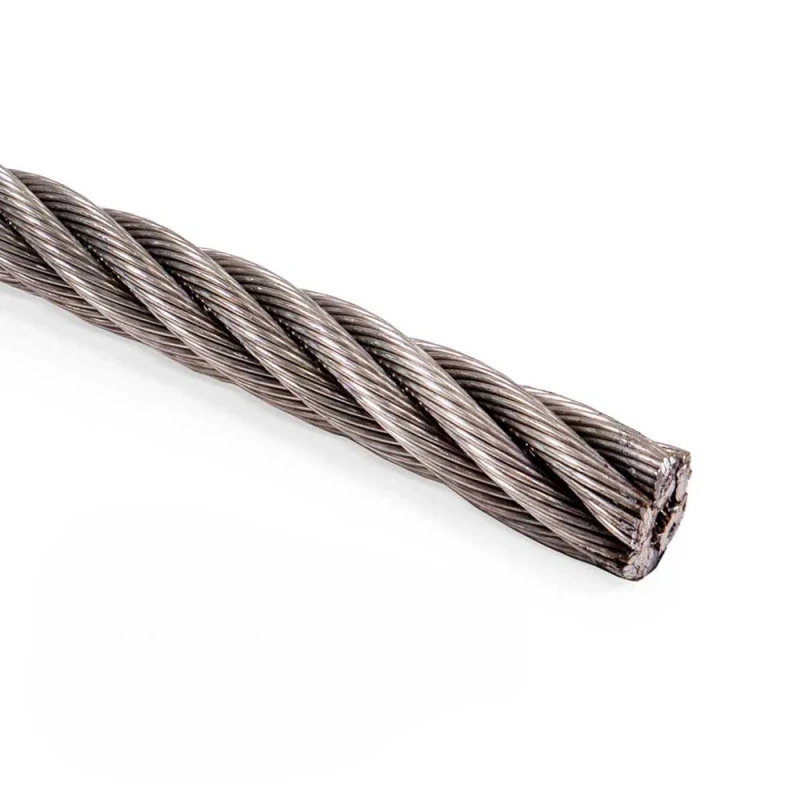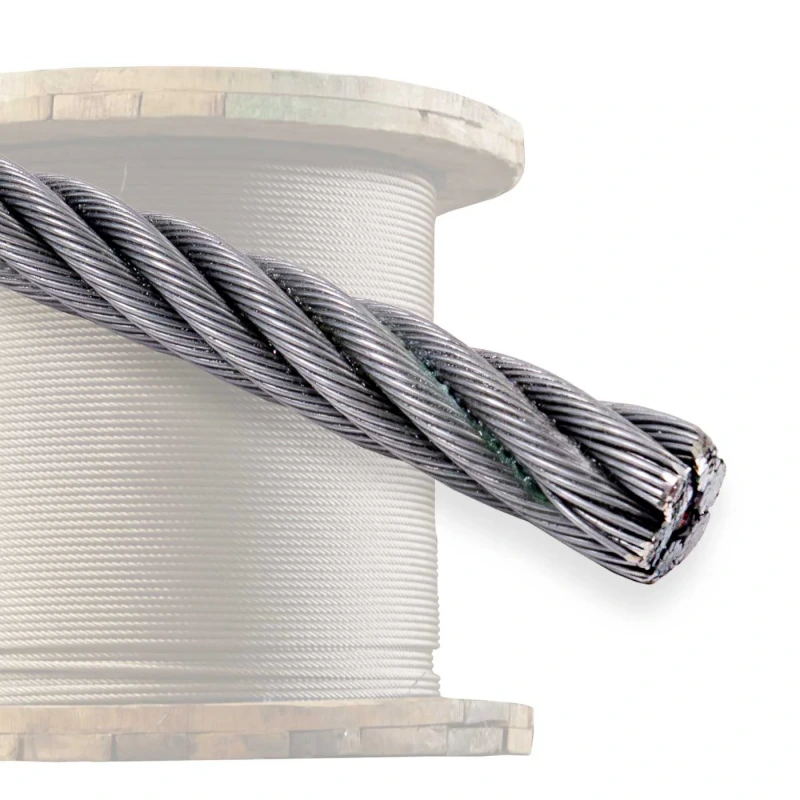
Rigging refers to the process of moving, lifting, and securing heavy loads with specialized equipment. You rely on rigging to keep operations safe and efficient in industries like construction, marine, events, and material handling.
Today, the global market for rigging equipment has reached USD 6.25 million, with over 4.6 million metric tons used worldwide. Innovations in material science have boosted durability by 60%, meeting the demands of major infrastructure and maritime projects.
Over 2,100 infrastructure projects drove demand in 2023.
The maritime sector required 800,000 metric tons of rigging components.
Key Takeaways
Rigging is essential for safely moving and securing heavy loads in various industries like construction and marine.
Understanding the difference between rigging and lifting is crucial for safe operations; rigging prepares loads while lifting moves them.
Using certified rigging equipment can significantly reduce accidents and improve safety on job sites.
Regular inspections and maintenance of rigging equipment are vital to prevent failures and ensure reliability.
Training and certification for riggers enhance safety and efficiency, making skilled professionals invaluable in rigging operations.
What is Rigging?
What is the Definition of Rigging?
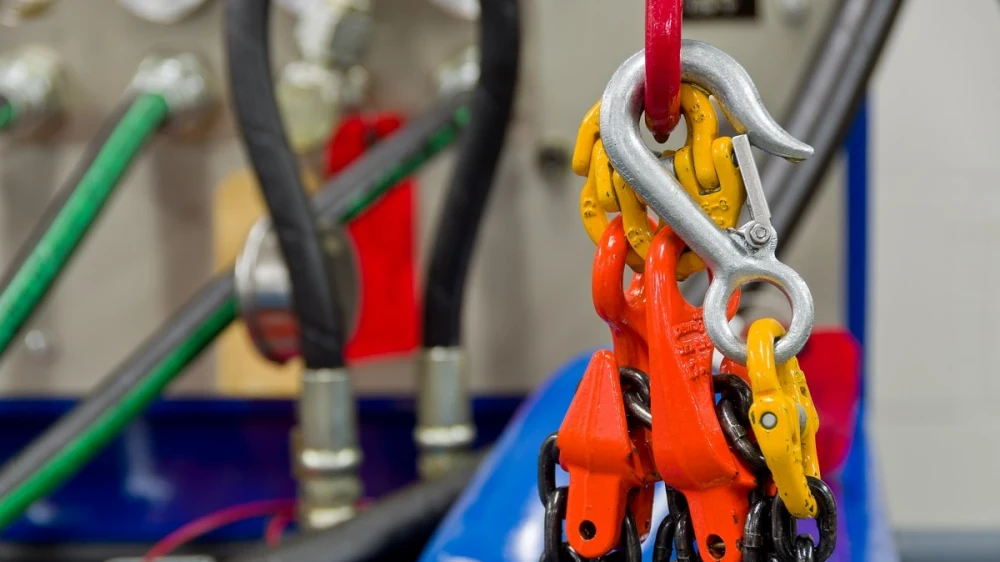
You encounter rigging every time you see heavy objects moved or secured on a job site, shipyard, or event stage. Rigging means using specialized equipment and gear to lift or support a load. Industry standards define rigging as the act of using equipment and gear to lift or support a load.
This process involves more than just attaching a rope or chain. Rigging requires careful planning, selection of key components, and precise execution. You rely on rigging operations to ensure safety and efficiency in construction, manufacturing, mining, and transportation.
Rigging techniques vary depending on the environment and the type of load, but the goal remains the same: move and secure materials without risk.
Rigging vs Lifting
You might wonder what rigging is compared to lifting. These terms often appear together, but they serve different roles in material handling. The table below highlights the key differences between rigging and lifting according to industry guidelines:
Aspect | Rigging | Lifting |
|---|---|---|
Definition | Involves the use of equipment to facilitate the safe movement of heavy objects. | Refers to the operation of machines that assist in raising or lowering heavy objects. |
Equipment | Includes tools like ropes, chains, slings, and hooks for securing loads. | Involves machinery designed to elevate or transport materials. |
Role | Ensures safe movement and positioning of materials without damage. | Assists in raising, lowering, or transporting heavy loads or workers. |
You use rigging to prepare and secure loads before lifting. Lifting and rigging work together to move materials safely. Rigging system design determines how you attach, balance, and control the load. Lifting equipment, such as cranes or hoists, provides the force needed to raise or lower the load.
You must understand both rigging and lifting to ensure safe and successful rigging operations.
Types of Rigging
You find many types of rigging across industries. Each type serves a specific purpose and faces unique challenges. In marine construction, crane rigging forms the mechanical link between lifting equipment and loads.
Marine sites introduce added challenges, such as saltwater exposure, dynamic loading from waves, and limited access for inspection or repair. Marine crane rigging systems must account for dynamic forces caused by waves, wind, and vessel movement.
These forces can significantly increase loading compared to static land-based lifts. You depend on safe and reliable crane rigging systems for successful marine construction projects.
In construction, entertainment, and material handling, you use a variety of rigging components. The most common types include:
Shackles: You use these in many applications. They come in screw-pin and bolt-pin types.
Turnbuckles: You adjust sling length and minimize weight with these.
Swivel Hoist Rings: These rotate freely for dynamic loads.
Master Links: You connect multiple slings using these.
Hooks: Essential for crane operations and lifting and rigging tasks.
You select key components based on the load, environment, and rigging techniques required. Rigging systems must meet strict safety standards and undergo regular inspection. You ensure that every part of the lifting and rigging process works together to protect people and property.
Rigging Equipment
Main Rigging Hardware
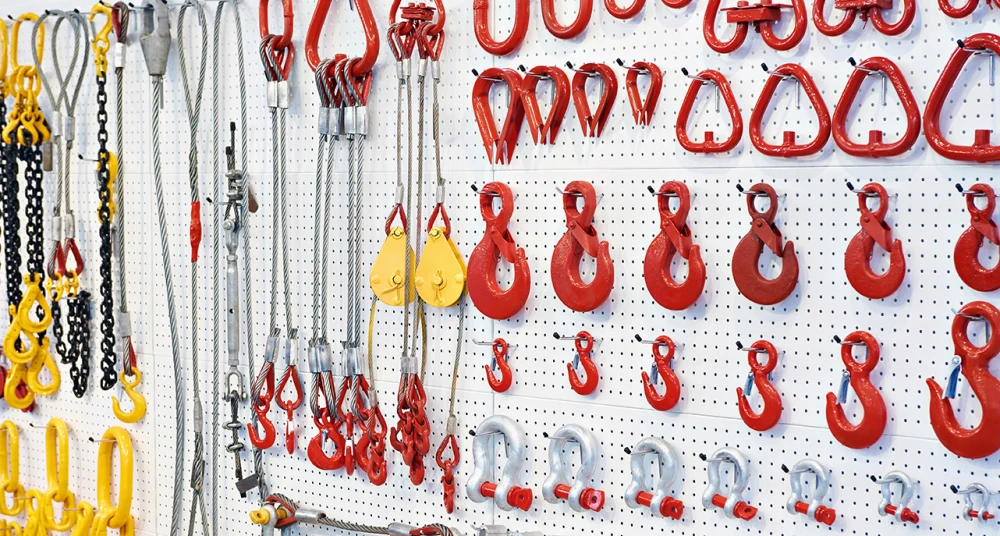
You rely on the main rigging hardware to secure, lift, and move loads safely. Powerful Machinery supplies a full range of certified rigging equipment, including chains, wire ropes, and hardware trusted by professionals worldwide. You choose the right hardware based on the load, environment, and project requirements.
The most common categories include:
Blocks & Pulleys: You use these to lift heavy loads with less effort, reducing the force needed for hoisting.
Eye Bolts: These serve as anchor points for rigging and come in various types for different lifting needs.
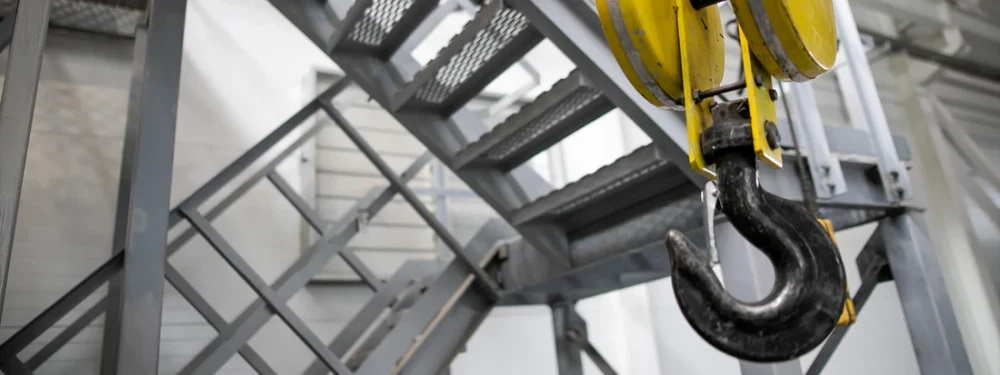
Rigging Hooks: You connect loads to lifting equipment with these essential components.
Certified rigging equipment ensures reliability and safety. You must select products that meet international standards, such as ISO and OSHA, to prevent accidents and delays. The table below highlights key certifications for rigging hardware:
Certification Type | Description | Validity |
|---|---|---|
NCCCO Rigger Level I | Basic rigging tasks under supervision | 5 years |
NCCCO Rigger Level II | Complex tasks, team supervision | 5 years |
Signalperson Certification | Signaling operations for lifts | 5 years |
Specialized Rigging Tools
You encounter specialized rigging tools in high-risk lifting operations and complex projects. These tools help you achieve precision, safety, and efficiency. Powerful Machinery offers advanced solutions for demanding environments. Essential specialized rigging equipment includes:
Wireless lift control systems
Computer-guided rigging equipment
High-performance synthetic ropes
Adjustable spreader beams
Rigging frames
Pulleys and block systems
Lifting beams
Turnbuckles
Load indicators
Smart rigging sensors
Rigging frames and spreaders distribute loads evenly, especially during complex lifts. Pulleys and block systems increase lifting capacity and optimize force direction. Lifting beams stabilize long or flexible loads. Turnbuckles allow you to adjust tension precisely.
Load indicators and smart sensors provide real-time feedback, helping you maintain safety throughout operations.
Tip: Using certified rigging equipment and lifting equipment can reduce crane-related accidents by up to 50%. Daily inspections and rigorous training further improve workplace safety.
Certified riggers streamline your operations through detailed lift planning and specialized tools. You prevent delays and maximize efficiency by choosing high-performance rigging equipment from trusted providers like Powerful Machinery.
Rigging Applications
Construction and Industry
You encounter rigging as an essential part of construction every day. Rigging and lifting operations allow you to move steel beams, concrete panels, and machinery on high-rise projects. You must follow strict safety protocols to protect workers and property.
Know the load weight before lifting.
Select the correct hitch for stability.
Account for sling angles and tension.
Match the sling to the job and environment.
Train workers in safe rigging practices.
Inspect equipment regularly.
Follow load rating guidelines.
Use tag lines to control movement.
Communicate clearly with your team.
Position workers away from the load.
Assess the site for hazards.
Use proper PPE.
Powerful Machinery provides certified lifting and rigging hardware for construction sites worldwide, meeting ISO and OSHA standards.
Sailing and Marine
Rigging plays a vital role in marine applications. You use running rigging to raise and lower sails, ensuring safe navigation. Anchor rigging prevents loss during storms.
Crane rigging allows you to load cargo and machinery onto vessels. You must select equipment that resists corrosion and dynamic forces from waves and wind.
Rigging secures loads on ships.
Sails require strong running rigging.
Anchor rigging protects vessels.
Crane rigging ensures safe cargo handling.
The table below shows common causes of rigging failures in marine environments:
Cause of Failure | Description |
|---|---|
Corrosion in Hidden Areas | Corrosion can occur in hard-to-reach places, leading to severe structural damage and failures. |
Galvanic Corrosion | Lack of isolating materials can cause severe galvanic corrosion, leading to buckling and tearing. |
Events and Entertainment
You rely on rigging to create safe and dynamic event spaces. Any venue can be rigged for concerts, theater, or corporate events. Riggers set up stages, lighting, and sound systems, adapting to tight schedules and unique spaces.
Theaters use rigging for curtains, scenery, and lighting.
Concerts require large lighting arrays and sound systems.
Corporate events need display structures and quick setups.
You must follow safety standards from organizations like OSHA, ANSI, and ESTA. Training and equipment inspection protect performers and audiences.
Material Handling
Rigging is central to material handling and logistics. You use lifting and rigging equipment to attach and move heavy loads, improving stability and preventing accidents. Industrial rigging involves designing systems for moving machinery and structural components.
You select slings, hoists, and cranes for efficient material handling. Certifications like NCCCO Rigger Level I and II ensure you meet safety standards. Powerful Machinery supports your operations with high-performance products for construction, marine, transportation, and cargo handling.
Tip: You improve safety and efficiency by choosing certified lifting and rigging equipment for all applications.
Skilled Professionals & Safety
Importance of Skilled Professionals
You play a vital role in rigging and lifting operations. The importance of skilled professionals cannot be overstated. You ensure that every lift is planned, executed, and supervised with precision. Skilled professionals reduce workplace accident rates by following safety measures and proper training.
Over half of crane-related fatalities result from workers being struck by objects or equipment. You prevent these incidents by applying your expertise and adhering to safety protocols. You must understand static lines and safety nets to protect your team during complex lifts.
When you complete a dogging course or rigging course, you gain the skills needed to manage hazards and control loads. You rely on trained personnel to keep every job site safe.
Rigging Level | Description |
|---|---|
Basic Rigging | Introductory level covering common rigging hardware, work plans, and inspections. |
Intermediate Rigging | Builds on Basic Rigging skills, includes rigging of hoists, cranes, and demolition structures. |
Advanced Rigging | Advanced skills, including setup for gin poles, suspended scaffolds, and guyed structures. |
Skilled professionals ensure proper training and adherence to safety measures, which significantly reduces workplace accident rates.
Proper training can drastically reduce the likelihood of accidents and improve equipment reliability.
Training and Certification
You must complete a rigging course and a dogging course to qualify for lifting operations. Quality training prepares you for the challenges of the job. You choose from programs offered by leading organizations worldwide.
These programs teach you how to inspect equipment, calculate loads, and use safety measures. You learn to operate lifting equipment and manage static lines and safety nets. The table below lists recognized training and certification programs:
Organization | Program Details |
|---|---|
CICB | Offers comprehensive rigger training courses, including Basic Rigger & Signalperson and Master Rigger programs. |
ITI | Provides innovative rigger training with options for online and hands-on courses, including a Master Rigger program. |
Total Equipment Training | Focuses on practical rigger training covering core topics and offering personalized on-site classes. |
Crane Tech | Offers a range of rigger training courses, including Qualified Rigger and Master Rigger programs with NCCCO prep. |
Northwest Crane Service | Embeds certification instruction within a robust safety culture, offering Certified Rigger Training as part of safety programs. |
You can also enroll in NCCCO Rigger Level 1 & Level 2 Certification Preparatory Training by Lift-It, Master Rigger Course by ITI, and Qualified Rigger Level I and II programs by Crane Tech. These courses help you master lifting techniques and safety measures.
Safety Standards and Maintenance
You must follow international safety standards to protect yourself and your team. Powerful Machinery demonstrates a strong commitment to ISO, OSHA, and TUV certifications. You rely on these standards to guide your rigging and lifting operations. The table below highlights key safety standards:
Organization | Key Focus | Key Standards |
|---|---|---|
ISO | International standards for safety and efficiency in rigging | ISO 4309, ISO 16881 series |
OSHA | Workplace safety regulations | General Duty Clause, inspections, citations |
ASME | Rigging and lifting safety standards | ASME B30 series |
You inspect rigging equipment before each use, daily, and periodically. You follow best practices for maintenance to prevent accidents. The table below shows recommended inspection frequencies:
Inspection Type | Frequency/Details |
|---|---|
Initial Inspection | Upon receiving the rigging hardware. |
Daily Inspection | For frequently used equipment, performed daily. |
Periodic Inspection | Every twelve months, more often in harsh conditions. |
Visual Inspection | Before each use, check for wear. |
Competent Person Inspection | Varies with usage, conducted by a trained individual. |
You prevent rigging-related accidents by conducting pre-use inspections, communicating clearly, controlling loads, and storing equipment properly.
When you maintain your rigging equipment, you increase sling lifespan by 35%, decrease downtime by 40%, and eliminate safety incidents. You save costs and improve reliability by following safety measures and regular inspections.
Tip: You protect your team and equipment by investing in quality training, certified rigging course completion, and routine maintenance.
Conclusion
You play a crucial role in maintaining safety and efficiency through proper rigging practices. Certified equipment, skilled professionals, and strict safety standards protect your team and assets. Powerful Machinery leads advancements in rigging safety and technology:
Contribution | Description |
|---|---|
Certified Equipment | Supplies products meeting international safety standards. |
Training Resources | Offers inspection checklists and training materials. |
Customized Safety Programs | Develops tailored safety programs with clients. |
Ongoing Education | Promotes skill development and ongoing training. |
Quality and Reliability | Designs products for demanding environments and rigorous testing. |
To improve rigging safety and efficiency, you should:
Select equipment rated for your load and environment.
Inspect gear regularly for wear or damage.
Calculate load weights and respect working limits.
Train all personnel in safe lifting operations.
Follow OSHA and ASME regulations.
Explore best practices and standards with resources like ASME B30.9 and 13 Rigging Best Practices for Your Next Overhead Lift. For reliable solutions, consult experts at Powerful Machinery.
FAQ
What is the most important safety rule in rigging?
You must always inspect your rigging equipment before each use. Look for wear, damage, or deformation. Replace any faulty gear immediately. Never exceed the rated load limit.
How often should you inspect rigging hardware?
You should perform a visual inspection before every use. Schedule a more detailed inspection at least once a year. Increase inspection frequency in harsh environments.
What certifications should riggers have?
You should hold certifications like NCCCO Rigger Level I or II. These prove your knowledge of safe rigging practices. Many employers require these credentials for compliance.
Why choose certified rigging equipment?
Certified equipment meets international safety standards. You reduce the risk of accidents and ensure reliable performance. Powerful Machinery provides fully certified products for your peace of mind.