You rely on webbing slings for safe, efficient lifting in many industries. These tools combine flexibility and strength, making them ideal for handling both heavy machinery and delicate materials.
The choice of material matters—polyester provides high strength with low stretch, nylon absorbs shocks with controlled elasticity, and polypropylene offers flexibility for lighter loads.
Material | Strength | Stretchability | Best Use Cases |
|---|---|---|---|
Polyester | High | Low | Precision, outdoor |
Nylon | Very High | Moderate | Shock loads, rigging |
Polypropylene | Moderate | High | Light-duty, packaging |
Selecting certified products from trusted brands like Powerful Machinery ensures you achieve the highest standards of safety and performance.
Key Takeaways
Webbing slings are essential for safe lifting in various industries, including construction, manufacturing, and logistics.
Choose the right material for your needs: polyester for low stretch, nylon for shock absorption, and polypropylene for flexibility.
Always inspect webbing slings before use to ensure safety; look for cuts, abrasions, and proper labeling.
Select certified products from trusted suppliers like Powerful Machinery to guarantee quality and compliance with safety standards.
Regular maintenance and proper storage of slings can extend their lifespan and enhance safety during lifting operations.
Webbing Slings: Uses and Benefits
What Are Webbing Slings?
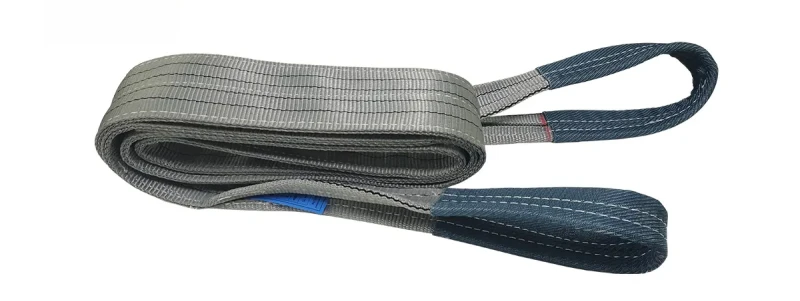
You use webbing slings as strong, flat straps made from woven synthetic fibers. These lifting tools help you move heavy or delicate loads safely. International standards, such as EN 1492-1, require a minimum safety factor of 7:1 for general use.
Webbing slings are made from high-strength materials like polyester or nylon.
Their flat and flexible design allows you to lift loads without causing surface damage.
You can find them in various lengths and capacities to suit different lifting tasks.
Common Applications in Industry
Webbing slings play a vital role in many industries. You see them in action every day on construction sites, in manufacturing plants, and throughout shipping and logistics operations.
Construction Projects: You rely on webbing slings to lift and position heavy materials, such as concrete panels and steel structures. These slings help prevent damage and ensure safety.
Manufacturing Operations: You use them to move heavy components and stabilize irregularly shaped objects during transport.
Shipping and Logistics: You benefit from their lightweight nature when loading and unloading cargo, which helps maintain overall load efficiency.
Oil & Gas: You depend on webbing slings for safe lifting during exploration and production activities.
Mining: You use them to transport heavy machinery and extracted materials in challenging environments.
Webbing slings are indispensable on construction sites, where you routinely lift and position heavy structural materials such as steel beams, precast concrete panels, scaffolding components, and excavation machinery.
The table below shows how different industries use webbing slings for sensitive or irregularly shaped loads:
Industry | Application Description |
|---|---|
Construction Projects | Used to lift prefabricated components and finished materials without damaging surfaces. |
Manufacturing & Heavy Industry | Stabilizes awkward loads in steel mills, ensuring surface protection. |
Aerospace & Automotive | Ideal for lifting painted or coated parts that could be damaged by traditional lifting methods. |
Warehousing & General Industry | Lightweight and easy to store, used for routine lifting tasks. |
Shipping & Logistics | Quick deployment for handling components in renewable energy sectors, reducing worker strain. |
Key Advantages for Lifting
You gain several advantages when you choose webbing slings for your lifting operations.
Flexibility: The flat, woven design allows webbing slings to conform to irregular shapes and distribute weight evenly. This flexibility helps you lift fragile or awkward loads without causing damage.
Strength: High-performance synthetic fibers, such as polyester and nylon, provide impressive strength while keeping the sling lightweight.
Surface Protection: You avoid scratches and dents on sensitive materials because webbing slings do not have sharp edges.
Versatility: You can use webbing slings in a wide range of lifting scenarios, from heavy machinery to delicate components.
Safety: Color-coded designs and clear labeling help you select the right sling for each job, reducing the risk of overloading.
When you choose Powerful Machinery, you benefit from industry-leading expertise and a comprehensive product range. The company offers webbing slings and tie downs made from high-quality polyester, available in custom sizes and capacities.
Each sling meets strict international standards and features color-coding for easy identification. You can trust Powerful Machinery to deliver reliable, certified lifting solutions for your most demanding projects.
Material & Construction of Webbing Slings
High-Performance Synthetic Fibers
You depend on high-performance synthetic fibers to ensure your lifting equipment delivers both strength and flexibility. Most webbing slings use materials such as polyester, nylon, or polypropylene.
These fibers create a lightweight yet durable structure that can handle demanding lifting tasks in construction, shipping, and manufacturing.
Polyester offers high strength and low stretch, making it ideal for precise lifting.
Nylon provides exceptional tensile strength and moderate stretch, which helps absorb shock loads.
Polypropylene is suitable for lighter, temporary applications due to its flexibility.
Material | Tensile Strength | Stretch Characteristics | Applications |
|---|---|---|---|
Polyester | High | Low (1-2%) | Precision lifting, marine, construction |
Nylon | Exceptional | Moderate (3%) | Heavy-duty lifting, shock absorption |
Polypropylene | Moderate | Low | Light-duty, temporary applications |
Powerful Machinery manufactures webbing slings using these advanced fibers, ensuring you receive reliable performance for every lift.
Durability and Environmental Resistance
You need lifting equipment that stands up to tough environments. Webbing slings resist abrasion, moisture, and many chemicals. Polyester and nylon slings maintain their strength even when exposed to UV rays or harsh weather.
Polypropylene slings offer resistance to water and mildew, making them suitable for outdoor or damp conditions.
Environmental Factor | Effect on Durability |
|---|---|
Temperature Extremes | High heat weakens fibers; low temperatures can cause brittleness. |
UV Exposure | Prolonged sunlight degrades polymers; UV stabilizers are recommended for outdoor use. |
Humidity and Moisture | Some materials swell and weaken when wet; polyester resists water absorption. |
Friction and Abrasion | Rough surfaces can damage slings; edge protectors are advised. |
Tip: Always inspect your slings for signs of wear, especially after exposure to extreme conditions.
Quality Standards and Certifications
You must trust that your lifting equipment meets strict safety requirements. Powerful Machinery’s webbing slings comply with major international standards, including DIN60005 and EN818-2. These certifications guarantee that each sling has passed rigorous testing for strength and durability.
Standard/Certification | Description |
|---|---|
IMCA Guidelines | Safe use of lifting equipment in marine environments. |
DNV-GL Standards | Certification for maritime lifting equipment. |
API RP 2D | Offshore crane operation and rigging standards. |
ATEX Certification | Compliance for hazardous environments. |
FAA Regulations | Aerospace lifting equipment safety protocols. |
NADCAP Accreditation | Aerospace manufacturing and maintenance standards. |
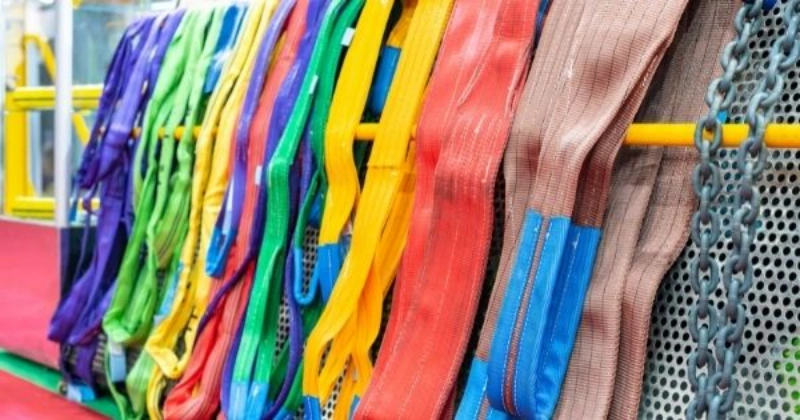
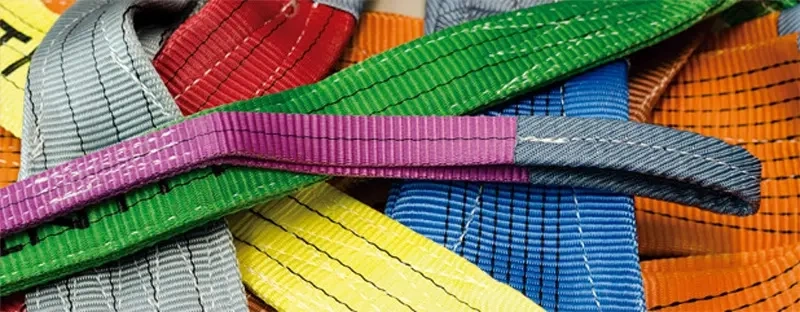
Color-coding on webbing slings allows you to quickly identify load capacities, reducing the risk of overloading and improving communication among your team. Powerful Machinery also offers custom sizes and labeling, so you can select the right sling for every job.
Safe Usage and Maintenance
Load Limits and Handling
You must understand the load limits for each lifting scenario to ensure safety and prevent equipment failure. Webbing slings offer different capacities depending on how you use them:
Vertical Lift: Provides the highest load limit when you lift in a straight line.
Choker Lift: Reduces the load limit by about 20% when you wrap the sling around the load.
Basket Lift: Doubles the load limit when you cradle the load between two sling legs.
Always check the sling tag for manufacturer, model, capacity, and recommended hitch configurations. Powerful Machinery labels each sling with clear working load limits and safety instructions. You should never exceed these limits or use slings that are too narrow or not rated for the load.
Inspection and Care
Routine inspection is essential for safe lifting operations. You need to check webbing slings before every use and during operation. The most common causes of sling failure include using degraded slings, skipping inspections, and improper rigging techniques. Follow these steps for effective inspection:
Examine the tag for identification and capacity.
Inspect the sling body for cuts, abrasions, or broken stitching.
Confirm proper rigging and attachment before applying tension.
Inspection Type | Description |
|---|---|
Pre-Use Inspections | Conducted before every lift to check for visible damage and ensure proper labeling. |
Frequent Inspections | Occur during usage, focusing on critical components like stitching and hardware for signs of wear. |
Periodic Inspections | Comprehensive checks at regular intervals to identify hidden damage based on usage intensity. |
Tip: Remove any sling from service if you find damage during inspection.
Best Practices for Longevity
You can extend the service life of your lifting equipment by following best practices for care and storage:
Avoid exposing slings to high temperatures or chemicals.
Use edge protection, such as corner pads or sleeves, to prevent cuts and abrasions.
Store slings in a clean, dry, and well-ventilated area, away from direct sunlight and moisture.
Hang slings on racks or coil them neatly to prevent kinks and tangles.
Clean slings with mild soap and water; avoid harsh chemicals.
Maintain detailed records of sling usage and inspections.
Train your team to handle lifting slings correctly.
Regular maintenance and proper storage help you maximize the reliability and strength of webbing slings. Keeping slings clean and following an inspection checklist reduces the risk of accidents and ensures long-term performance.
Sourcing Webbing Slings from Powerful Machinery
Choosing the Right Supplier
Selecting a reliable supplier for your lifting equipment is critical for safety and operational efficiency. You should evaluate suppliers using clear criteria:
Verify certifications and compliance with standards such as ISO 9001, EN 1492-1, and ASME. These certifications demonstrate a commitment to quality control.
Request documentation on product testing, including material specifications and load capacity tests.
Assess the supplier’s ability to offer customized solutions for your unique lifting requirements.
Review production capacity and supply chain efficiency to ensure timely delivery.
You can reference the following certifications when comparing suppliers:
Certification/Standard | Description |
|---|---|
DNV-GL Standards | Ensures webbing slings meet rigorous safety and performance criteria. |
API RP 2D | Sets standards for offshore crane operation and maintenance. |
ATEX Certification | Confirms suitability for hazardous environments. |
ISO 9001:2015 | Indicates robust quality management systems. |
CE-Webbing Sling | Demonstrates compliance with European safety standards. |
Powerful Machinery holds these certifications, giving you confidence in every product you receive.
Custom Solutions and Support
You benefit from working with a manufacturer that offers tailored solutions. Powerful Machinery provides custom-engineered webbing slings to match your exact specifications. You can request modifications for length, width, or load capacity to fit your project needs.
Direct factory pricing delivers significant cost savings by removing intermediaries. You also gain faster delivery times, allowing you to keep your operations on schedule.
Note: Direct purchasing ensures you receive authentic, high-quality products and comprehensive support from the manufacturer.
Why Powerful Machinery Stands Out?
You gain a competitive edge by choosing Powerful Machinery. The company offers a complete range of lifting solutions, including polyester round webbing slings, DIN60005 one-way lifting slings, endless flat webbing slings, and polyester flat webbing slings.
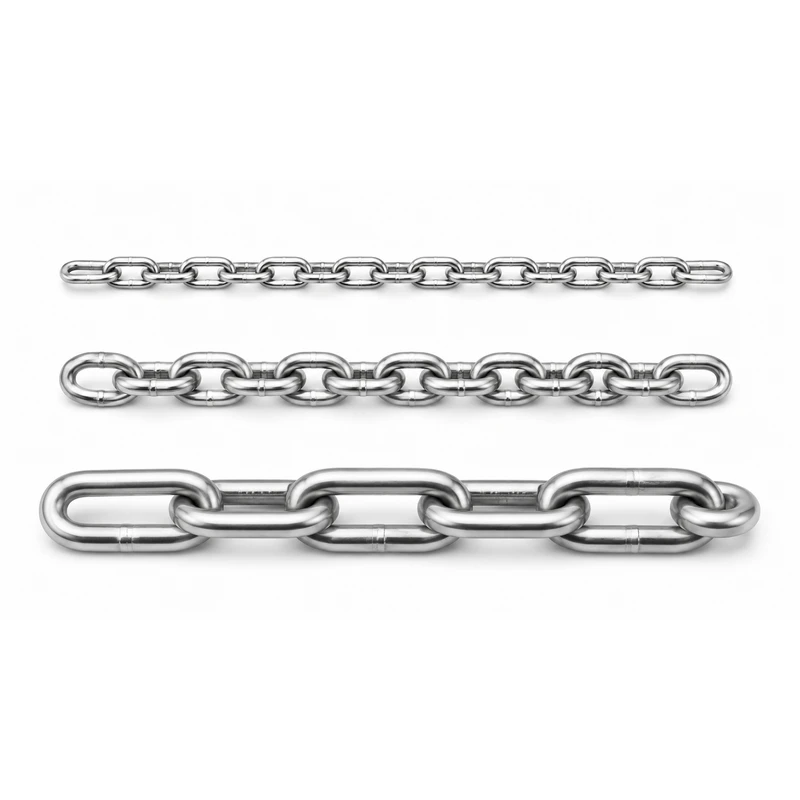
Accessories such as chains, hooks, and shackles complete your lifting system. Powerful Machinery invests in advanced manufacturing technology, including fully automatic sewing machines and high-precision equipment, to ensure consistent quality.
You can explore the full product range and request support by visiting the official Powerful Machinery website. The team stands ready to help you find the right lifting solution for your application.
Conclusion
You gain many advantages when you choose webbing slings for lifting. These tools distribute loads evenly, protect sensitive surfaces, and offer flexibility for many applications. You find them lightweight, easy to inspect, and resistant to weather.
Regular maintenance helps you spot hidden faults, reduce accidents, and extend service life. For the best results, select certified products from trusted suppliers. Powerful Machinery stands ready to support your lifting needs with custom solutions and expert guidance.
FAQ
What is the lifespan of a webbing sling?
You can expect a webbing sling to last three to five years with proper care. Always inspect your sling before each use. Remove it from service if you see any damage or excessive wear.
How do you identify the load capacity of a webbing sling?
You can check the color-coding and the label attached to the sling. The label shows the working load limit (WLL) and safety instructions. Never use a sling if the label is missing or unreadable.
Can you use webbing slings outdoors?
Yes, you can use webbing slings outdoors. Polyester slings resist UV rays and moisture. Store your slings in a dry, shaded area when not in use to extend their lifespan.
What should you look for during a sling inspection?
Always check for cuts, abrasions, broken stitching, and damaged labels. Inspect the eyes and seams for signs of wear. Remove the sling from service if you find any defects.