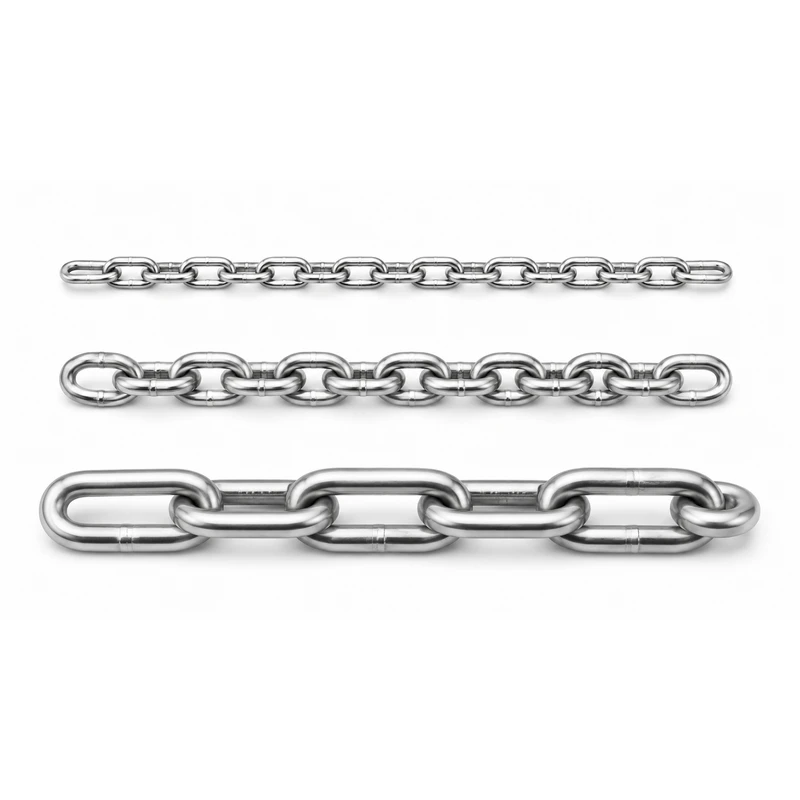
You want safe results every time you handle a tow chain vehicle recovery. Using the right method and certified equipment, like tow chains from Powerful Machinery, helps you avoid unnecessary risks.
Many accidents happen when you work on highways, handle heavy chains, or operate on unstable ground. You also face dangers from poor weather, compromised vehicles, and incorrect lifting techniques.
Passing vehicles can strike you during roadside recovery.
Heavy chains and hooks may cause injuries if mishandled.
Uneven ground or slipping vehicles create serious hazards.
When you follow safe procedures and use quality chains, you protect yourself and ensure a successful recovery.
Key Takeaways
Always choose the right tow chain based on your vehicle’s weight and recovery needs. This ensures safety and effectiveness during towing.
Inspect tow chains before each use to identify any damage. Regular checks prevent accidents and ensure reliable performance.
Use approved attachment points on both vehicles for secure connections. This reduces the risk of equipment failure during recovery.
Communicate clearly with all drivers involved in the tow. Effective coordination enhances safety and prevents misunderstandings.
Store tow chains properly in a dry area to extend their life. Proper maintenance keeps them ready for future use.
Choosing Tow Chains for Vehicle Recovery
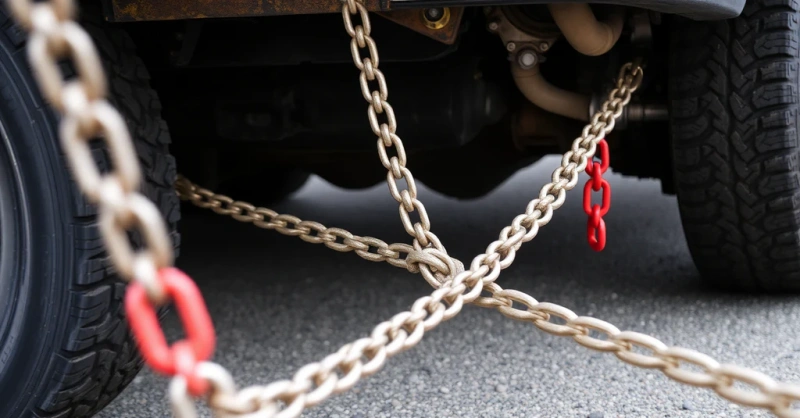
Selecting the right tow chains is the foundation of safe and effective vehicle recovery. You need to match the chain’s strength, grade, and size to your vehicle and the recovery situation.
Powerful Machinery offers certified tow chains that meet strict industry standards, giving you confidence in every tow chain vehicle recovery.
Types of Tow Chains
You will find several types of tow chains designed for different recovery needs. Grade 70 chains work well for most towing and transport jobs. Grade 80 chains provide higher strength for demanding recovery scenarios.
Chains outperform straps in harsh conditions, such as sharp edges or extreme weather, because of their durability. The types of tow chains you choose should match the specific demands of your recovery operation.
Tow Chain Ratings and Grades
Understanding chain grades is essential for safety. Each grade reflects the chain’s strength and workload capacity. Grade 70 chains offer a working load limit of about 4,700 pounds for a 3/8-inch chain. Grade 80 chains deliver even higher strength for professional towing. The table below compares key grades:
Chain Grade | Strength | Applications | Towing Use |
|---|---|---|---|
Grade 70 | Excellent tensile strength, ~4,700 lbs (3/8″) | Most recovery situations | Suitable for vehicle recovery |
Grade 80 | Higher strength ratings | Demanding recovery scenarios | Professional towing |
Always inspect tow chains before use and monitor them during recovery to prevent equipment failure.
What Size Tow Chain Do I Need?
You must select a chain that matches or exceeds your vehicle’s Gross Vehicle Weight Rating (GVWR). For two chains, multiply the working load limit of each by two and ensure the total exceeds the GVWR.
Add a 20% safety margin for extra protection. This approach prevents catastrophic failures and keeps everyone safe during recovery.
Powerful Machinery Tow Chains Overview
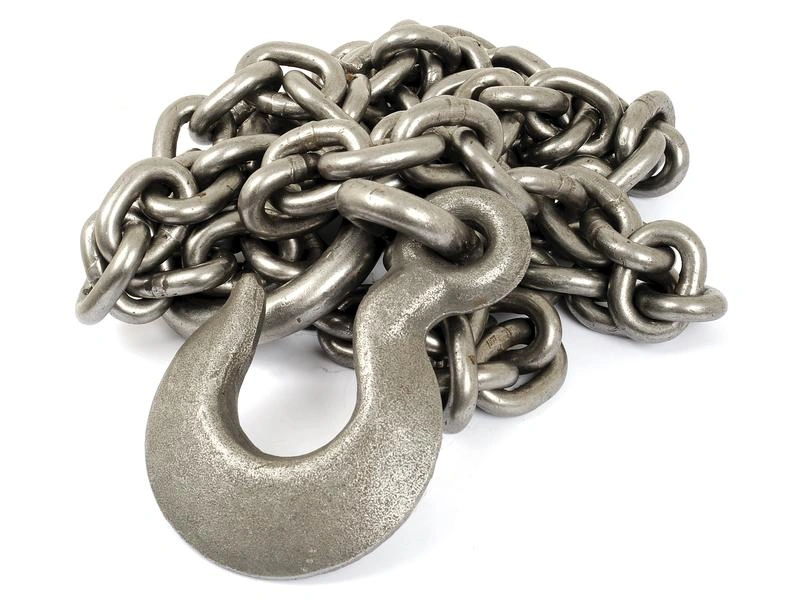
Powerful Machinery tow chains stand out for their certified quality and reliability. Grade 70 chains comply with DOT standards, while Grade 80 chains meet OSHA, ASTM, and ASME requirements.
Every chain undergoes rigorous testing and traceable heat treatments. The table below highlights the difference between certified tow chains and uncertified alternatives:
Feature | Certified Tow Chains | Uncertified Alternatives |
|---|---|---|
Manufacturing Standards | Meets global standards | No standardized manufacturing |
Testing | Rigorous, documented | Often lacks testing |
Traceable Heat Treatments | Yes | No |
Minimum Tensile Strength | 800 MPa | Varies, often lower |
Performance Under Conditions | Reliable in harsh environments | Uncertain performance |
When you choose Powerful Machinery, you invest in safety, durability, and peace of mind for every vehicle recovery.
Preparing for Safe Recovery
Inspecting Tow Chains
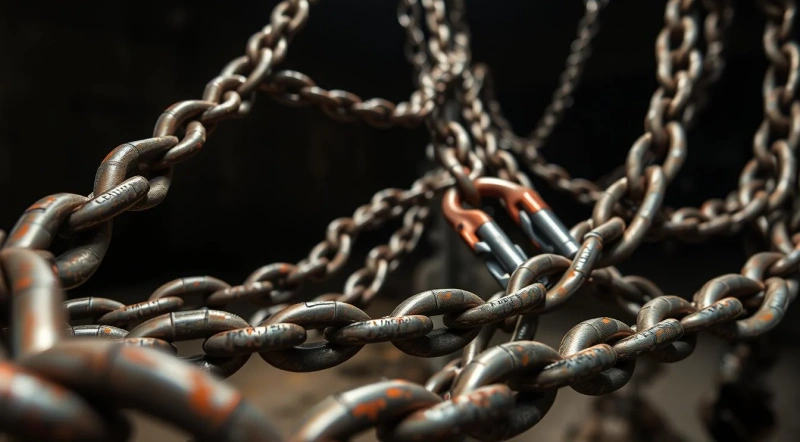
You must always start tow chain vehicle recovery with a thorough inspection. Powerful Machinery recommends checking your chain before each use and every three months for a detailed review.
Look for signs of damage that could compromise safety. The table below shows common issues you may find during inspecting tow chains:
Type of Damage | Description |
|---|---|
Tensile Break | Frayed appearance near failure, often from overloading. |
Cut | Clean break in the chain, usually from sharp edges. |
Abrasion Damage | Worn or frayed links, often from slipping or pulling under load. |
Acid Damage | Deterioration from exposure to strong acids, reducing chain strength. |
General Warnings | Missing tags, burns, holes, tears, or discoloration indicate damage. |
You protect yourself and others by identifying these issues early. Never use a chain that shows significant wear or damage.
Untangling and Laying Out Chains
You improve safety and efficiency by untangling and laying out your tow chains before recovery. Place the chain flat on the ground and check for knots or twists. Straight links reduce the risk of sudden jerks or uneven tension during towing.
You avoid accidents by ensuring the chain is free from tangles and ready for secure attachment.
Tip: Always lay out the chain away from traffic and unstable surfaces. This step prevents tripping hazards and keeps your recovery area organized.
Storage and Maintenance
Proper storage and maintenance extend the life of your tow chains and maintain safety standards. Powerful Machinery recommends these steps:
Clean the chain surface to remove rust and dust.
Lubricate the chain regularly to prevent wear and reduce friction.
Periodically check the chain tension to ensure it is not loose.
Inspect chain wear and replace if significant damage is noted.
Clean and lubricate sprockets and gears to prevent friction and damage.
Store chains in a dry, organized area, preferably hanging, to prevent corrosion and tangling. You ensure reliable performance and reduce risks by following these maintenance routines.
How to Hook a Tow Chain?
Proper attachment of tow chains is critical for safe and effective vehicle recovery. You must follow each step carefully to prevent accidents and equipment failure. Powerful Machinery offers a range of hooks and accessories, including grab hooks, slip hooks, J hooks, and master links, to match your specific hook selection needs.
Connecting to the Towing Vehicle
You should always connect two chains to approved attachment points on the towing vehicle. These points are designed to handle the forces involved in tow chain vehicle recovery. Never attach chains to weak or removable parts. Use the following table to identify the best attachment locations:
Approved Attachment Points | Description |
|---|---|
Frame-Mounted Hooks | Factory-installed tow hooks welded or bolted to vehicle frame—best option |
Hitch Receiver Frame | Structural portion of receiver hitches rated for towing—NOT the removable ball mount |
Designated Tow Points | Manufacturer-specified towing attachment locations rated for trailer loads |
Frame Cross-Members | Structural frame components capable of handling safety chain loads |
Weight Distribution Brackets | Provide approved attachment points when properly installed |
Never attach tow chains to bumpers, ball mounts, lighting brackets, exhaust components, or body panels. These parts cannot handle the load and may fail during recovery.
Select the right hook for your application. Powerful Machinery’s grab hooks and slip hooks provide secure connections to frame-mounted points. Always verify that both the chain and the hook meet or exceed the working load limit required for your recovery.
Securing the Immobilized Vehicle
You must secure the immobilized vehicle using strong, rated attachment points. Look for factory-installed tow eyes, recovery loops, or reinforced frame sections. Avoid connecting to suspension parts, axles, or any component not designed for towing forces.
Follow these steps for a secure connection:
Inspect the attachment point for damage or rust.
Choose the correct hook style for the anchor point.
Attach the tow chain directly to the approved location.
Ensure the hook closes completely and the chain sits straight without twists.
If the vehicle lacks a designated tow point, consult the owner’s manual or seek professional advice. Using the wrong attachment can cause severe damage or injury.
Checking Attachments for Safety
Before you begin recovery, you must check every connection and attachment for safety. A quick inspection can prevent serious hazards. Use this checklist:
Inspect tow chains and all attachment points for wear, cracks, or deformation.
Confirm that each hook, shackle, or connector matches the chain’s working load limit.
Use two tow chains, each attached to separate points on the towing vehicle’s frame, for maximum safety.
Make sure chains are long enough for turns, but do not drag on the ground.
Never connect chains to removable parts like hitch balls or bumpers.
Record maintenance and inspection dates for your equipment.
Common Mistakes When Hooking Tow Chains | How to Avoid Them |
|---|---|
Using Break Strength Instead of WLL | Always use Working Load Limit (WLL) for compliance and safety. |
Misidentifying Chain Grade | Check grade markings; never use Grade 30 for vehicle recovery. |
Ignoring Hardware Limits | Ensure all hooks and connectors meet WLL requirements. |
Exceeding Single Chain Capacity | Use two chains, not just one, even if one exceeds GVWR. |
Using Unrated Hardware | Only use towing-rated hooks and accessories. |
Attaching to Wrong Points | Always use approved attachment points. |
Allowing Chains to Drag | Adjust the length to prevent road contact. |
Skipping Chain Inspection | Inspect before every use, not just the coupler. |
Tip: Always perform a final walk-around to double-check every connection and attachment before starting the tow. This habit ensures safety for you and everyone involved.
By following these steps and using certified tow chains from Powerful Machinery, you create a reliable and safe recovery setup. Proper attachment and connection methods protect your equipment and reduce the risk of failure during tow chain vehicle recovery.
Safe Towing Procedure
Coordinating Both Drivers
You must coordinate closely with both drivers before starting any tow. Clear communication prevents confusion and reduces the risk of accidents during recovery.
Always agree on hand signals or radio communication before moving the vehicles. Make sure both drivers understand the plan and know when to start, stop, or change direction.
Effective communication and coordination with other road users and team members can significantly enhance safety. Using appropriate signals when changing lanes or turning ensures that other drivers know the tow truck’s intentions.
Moreover, when working in teams, clear and constant communication helps coordinate actions and prevent misunderstandings that could lead to accidents.
You should also alert other road users by using hazard lights and, if possible, safety cones. This step keeps the towing area safe and organized.
Starting and Controlling the Tow
You need to follow a careful process when starting the tow. Sudden movements can damage the tow chain or vehicles. Use this step-by-step approach for safe towing:
Make sure your tow chain is at least one car length long, but keep slack to an inch or less.
Attach the tow chain to official towing points on both vehicles.
Agree on signals with the other driver to coordinate every movement.
Begin towing slowly. Apply gentle pressure to the accelerator. Avoid jerking the chain. Smooth starts protect the tow chain and both vehicles during recovery.
Driving Techniques for Recovery
You must use proper driving techniques throughout the towing process. These steps help maintain control and safety during vehicle recovery:
Apply a steady force to free the stuck vehicle.
If the vehicle does not move, reset and try again with a little more slack to generate more energy.
Increase speed slightly only if conditions allow.
Never connect two chains with a shackle, as this can cause injury if the chain breaks.
Never step over a connected chain to avoid injury from sudden tension shifts.
Always pull in line with the vehicle; do not put side loads on recovery points.
Do not attach the chain to a tow ball or bumper hitch.
Avoid using chain recovery if the vehicle is deeply stuck in mud; use a winch instead.
Stay alert and adjust your towing speed based on road and weather conditions. You ensure a safe and effective tow chain vehicle recovery by following these best practices.
After Recovery Steps
Disconnecting Tow Chains
You must disconnect tow chains with care to maintain safety and prevent damage. Park both vehicles on level ground and engage the parking brakes. Stand clear of the chain’s path before releasing tension. Remove hooks or connectors from approved attachment points, making sure you do not twist or stretch the links.
If the chain feels stuck, gently wiggle the hook instead of pulling forcefully. Always keep your hands and feet away from the chain’s line of pull. This approach reduces the risk of injury and protects your equipment.
Tip: Wear gloves when handling tow chains to avoid cuts or pinched fingers.
Post-Use Inspection
After every recovery, inspect your tow chains before storing them. Look for signs of wear, corrosion, or damage. Check each link for cracks, bends, or excessive rust. Examine hooks and connectors for proper function and lubrication.
Replace any chain that shows visible wear or damage. Keep a record of each inspection and note any maintenance performed. This habit ensures your tow chains remain reliable for future use and supports ongoing safety.
Here is a quick checklist for post-use inspection:
Check for wear, cracks, or corrosion on all links.
Inspect hooks and connectors for smooth operation.
Lubricate moving parts to prevent rust.
Avoid twisting or stretching the chain.
Record inspection results and maintenance actions.
Proper Storage for Next Use
Proper storage extends the life of your tow chains and keeps them ready for the next recovery. Store tow chains in a dry, ventilated area to prevent moisture buildup and rust. Use a chain locker or hang the chain to avoid tangling and damage. Clean the chain after each use to remove dirt and moisture.
Apply a protective coating if needed. Never store tow chains on damp surfaces or in areas with poor drainage. Remove detachable chains from vehicles and keep them in a secure location.
Storage Best Practices | Benefits |
|---|---|
Dry, ventilated area | Prevents rust and corrosion |
Chain locker or hanging | Reduces tangling and damage |
Regular cleaning | Maintains chain performance |
Protective coating | Enhances rust resistance |
By following these steps, you ensure your tow chains deliver consistent performance and maintain the highest safety standards for every recovery.
Conclusion
You achieve safe and effective tow chain vehicle recovery by following the basic steps for safe vehicle recovery. First, attach safety chains securely to both vehicles. Next, check for twists or tangles before connecting to robust tow points. Always use certified tow chains with proper chain strength to prevent accidents.
When to replace tow chains depends on visible wear or damage. High-quality chains protect your vehicle and ensure reliable towing. For tips for effective recovery, consult professionals or Powerful Machinery for expert advice.
Certified tow chains handle heavy loads and reduce risks during vehicle recovery. Choose high-grade chains for maximum safety.
FAQ
What are trailer safety chains, and why do you need them?
Trailer safety chains connect your trailer to your tow vehicle as a backup if the hitch fails. You need trailer safety chains to keep your trailer attached during a tow. They help prevent accidents and protect everyone on the road.
How do you properly attach trailer safety chains?
You should cross and attach trailer safety chains under the trailer tongue. This setup creates a cradle if the hitch disconnects. Always secure the chains to the tow vehicle’s frame, not the bumper. Make sure the chains do not drag on the ground.
How many safety chains should you use when towing?
You should use two safety chains for every tow. Attach one on each side of the trailer tongue. This method provides balanced support and keeps your trailer secure. Using two safety chains meets legal requirements and improves trailer safety.
What is the correct length for trailer safety chains?
Trailer safety chains should be long enough for sharp turns but short enough to avoid dragging. You want enough slack for movement, but not so much that the chains touch the road. Check the length before every tow for maximum safety.
Can you use other towing equipment instead of safety chains?
No, you cannot replace safety chains with other towing equipment. Safety chains serve as a critical backup during every tow. Always use certified trailer safety chains for every towing job. Never rely on straps or cables as substitutes for safety chains.
Tip: Inspect your trailer safety chains before every tow. Replace damaged chains immediately to maintain safety.