
Lifting Slings
Lifting slings keep loads steady and lifts under control. At Powerful Machinery, we make lifting slings in nylon, polyester, wire rope, and chain for real site work and different load sizes. Contact us today to quote lifting slings from Powerful Machinery.

We choose proven fibers and steel so lifting slings keep their strength and shape during daily lifting work.
Our lifting slings meet Grade 80 and Grade 100 standards, giving you clear load ratings that support inspections and project specs.
Each lifting sling includes batch tracking and production records that support safety checks and traceability.
In-house production keeps lifting slings available, lead times predictable, and bulk pricing competitive.
Lifting Sling Featured Partners
We supply work provide dependable lift slings for industry leaders.





Lift Sling
Powerful Machinery manufactures lift slings for heavy-duty use across manufacturing, construction, energy, and marine operations. Our products support machinery, structural components, and oversized loads with reliable performance and safety compliance in challenging conditions.
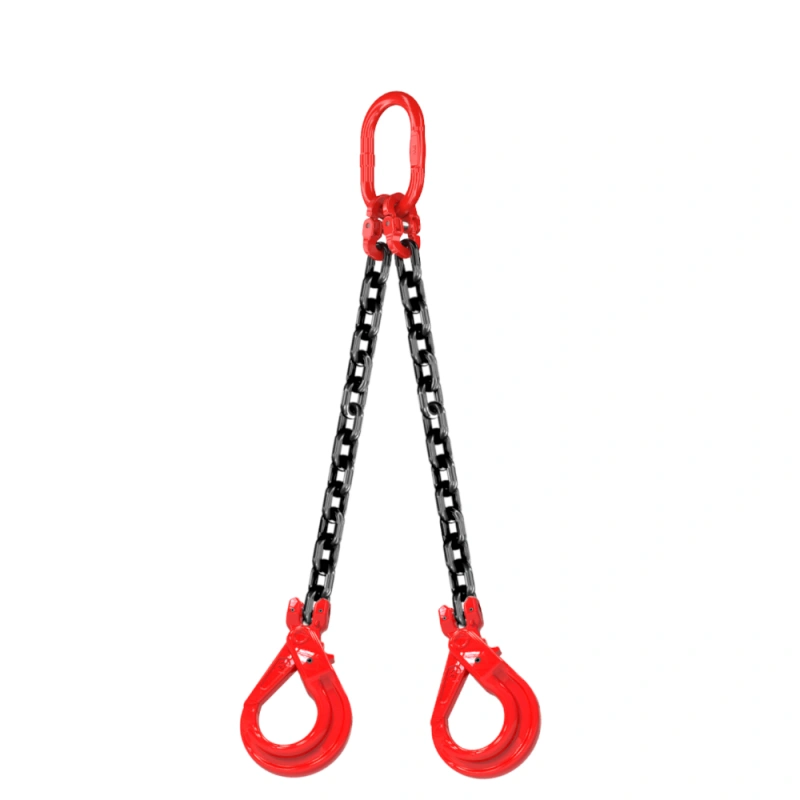
Chain slings deliver strong performance for heavy, high-temperature, and abrasive lifts. They support repeated use, resist harsh conditions, and offer adjustable single to four-leg setups for flexible lifting jobs.
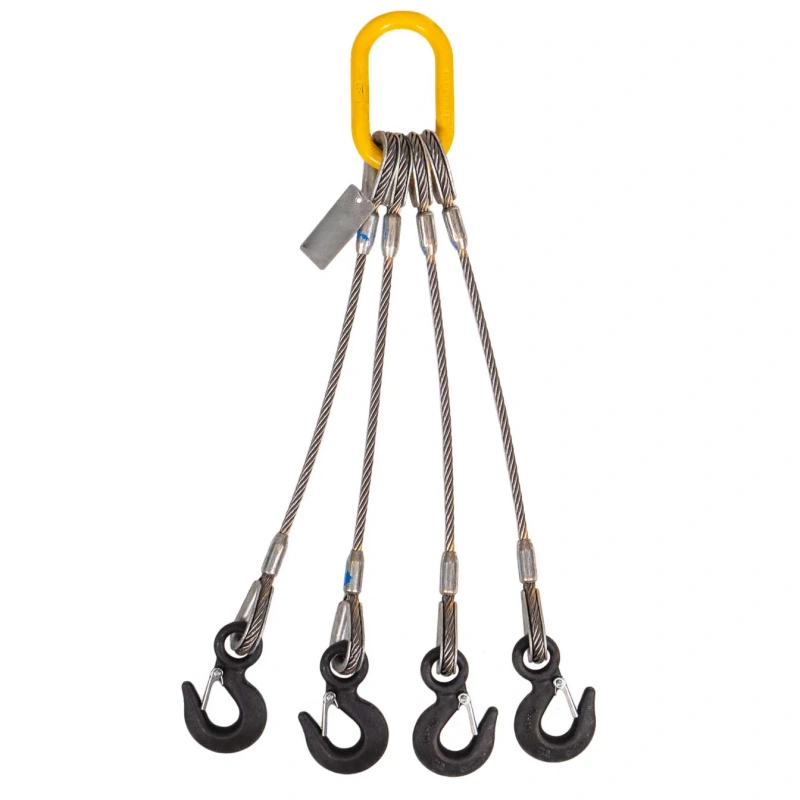
Wire Rope Slings
Wire rope slings offer dependable strength and flexibility for heavy lifting. Built from steel wires around a core, they handle bending stress and suit construction, automotive, and energy lifting work.

Synthetic Slings
Synthetic slings provide lightweight, flexible lifting while protecting load surfaces. Flat webbing and round slings deliver reliable strength for delicate loads and high-capacity lifting tasks.
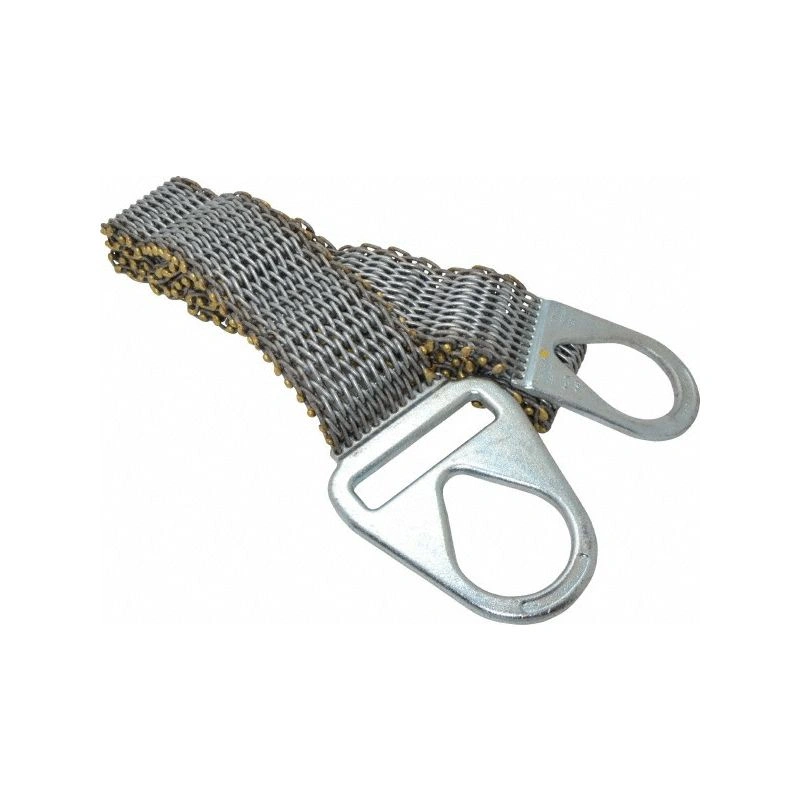
Metal Mesh Slings
Metal mesh slings manage hot, sharp, and abrasive loads with confidence. Their wire mesh structure spreads weight evenly and supports safe lifting in tough industrial conditions.
NEED HELP WITH YOUR LIFT SLINGS ORDER?
Let us help! Reach out today and get recommendations on materials and sizing from our experts.



Guide to Slings for Lifting
A simple guide to slings for lifting that helps you understand sling types, basic use, and load handling so you can choose the right sling for the job.
What is a lifting sling?
A lifting sling connects a load to a crane, hoist, or lifting device so you can raise, lower, or position materials safely. You rely on lifting slings to control weight distribution, balance loads, and reduce stress on lifting points. We design lifting slings using proven materials and construction methods so you can handle heavy, awkward, or repetitive lifts with confidence. You choose a sling based on load shape, weight, lifting method, and work conditions. A properly selected lifting sling supports efficiency, protects equipment, and helps you maintain safe lifting practices on site.
Types of Lifting Slings
Lifting slings come in several types, each designed to handle different loads, environments, and lifting methods. Choosing the right type helps improve safety, control, and service life.
Chain slings
Handle high temperatures, abrasive conditions, and very heavy loads. Work well in steel mills, foundries, and tough lifting environments.Wire rope slings
Provide strong load capacity with good flexibility. Suit heavy machinery, structural components, and repeated lifting work.Synthetic slings
Include webbing slings and round slings. Protect load surfaces, reduce sling weight, and support safer handling.Single to four-leg sling designs
Available across sling types to match load shape, balance requirements, and lifting points.
Each lifting sling type serves a specific purpose. You achieve better lift control and longer sling life when you match the sling to real working conditions.
How to Use Lifting Slings?
Using lifting slings correctly helps control the load, protect equipment, and reduce safety risks. Follow these practical steps during every lift.
Confirm the load details
Check load weight, center of gravity, and lifting points before rigging.Choose the right sling
Select the correct lifting sling type, length, and rated capacity for the lift.Attach the sling properly
Position the sling without twists, knots, or sharp bends that weaken strength.Manage sling angles
Keep lifting angles within safe limits to prevent overload.Lift smoothly
Avoid sudden starts, stops, or shock loading during lifting.
Lifting and Slinging Techniques
Proper lifting and slinging techniques help you maintain control, balance, and safety during every lift. Using the right methods reduces sling wear and keeps load movement predictable.
Key lifting and slinging techniques
Position slings evenly
Place slings around the load to maintain balance and steady weight distribution.Use the correct hitch method
Apply vertical, choker, or basket hitches based on load shape and lifting needs.Monitor sling angles and tension
Keep angles within safe limits and watch tension throughout the lift.Protect slings from damage
Avoid dragging slings across sharp edges or abrasive surfaces.
Consistent technique improves lifting safety, protects lifting slings, and supports reliable performance during repeated lifting tasks.
How Do You Choose a Lifting Sling?
Choosing the right lifting sling ensures safe handling, stable lifts, and long service life. You get better performance when the sling matches real working conditions.
Evaluate load weight and shape
Confirm total weight, center of gravity, and contact points.Check temperature and surface condition
Consider heat, sharp edges, and abrasive surfaces.Select the right sling material
Choose chain, wire rope, or synthetic based on the environment.Determine leg count and length
Match lifting points and required reach.Verify rated capacity
Account for sling angles and lifting configuration.
Lifting Sling Inspection Checklist
Proper sling inspection protects your crew, your load, and your equipment. You spot problems early and keep lifting operations safe and efficient by following a clear inspection process.
Inspect lifting slings before every use
Check for cuts, tears, and surface wear
Look for broken wires or stretched links
Identify heat damage, burns, or discoloration
Watch for chemical exposure or material weakening
Examine hooks, shackles, and fittings for damage
Verify tags and markings for capacity and identification
Use clearly labeled, durable slings to speed up inspections
Regular inspection reduces risk, prevents failures, and supports safe lifting on demanding job sites.
Rigging Shackle Inspection
Inspection ensures the shackle maintains its original load rating. Damage often starts small and grows quickly under load cycles. Manufacturers define inspection criteria to prevent unexpected failure.
Inspection should check for:
Bent or elongated shackle bodies
Pin thread damage or galling
Wear exceeding manufacturer tolerance
Cracks near crown or pin holes
Illegible markings or missing identification
Corrosion that reduces cross-section
Rigging teams should inspect shackles before every lift and perform documented periodic inspections. Early removal protects the entire rigging assembly and avoids costly downtime.
Do Lifting Slings Expire?
Lifting slings do not follow a fixed expiration date. Service life depends on use, environment, handling, and inspection results. You remove lifting slings from service when damage, wear, or deformation affects strength or safety. We manufacture lifting slings for long-term performance under controlled use. You control lifespan through correct selection, storage, inspection, and handling rather than relying on calendar limits.
How Often Do Lifting Slings Need Inspection?
Lifting slings must be inspected before each use (daily/pre-shift) by the operator for damage. Additionally, documented periodic inspections by a qualified person are required every 12 months for normal service, or monthly-to-quarterly for severe/heavy-use service.
How Do You Shorten a Lifting Sling?
Correct sling shortening keeps lifts stable and protects the rated capacity. You use only approved methods to avoid damage and maintain full load control.
Shorten a lifting sling using approved methods only
Use grab hooks or shortening clutches for chain slings
Avoid knotting, twisting, or wrapping any sling type
Select the correct length for wire rope slings
Choose the correct length for synthetic slings
Use slings designed with safe length-adjustment options
Protect the sling body from stress and deformation
Maintain rated capacity and precise load control during lifting
Lifting Angles for Slings
Lifting angles affect sling tension and capacity. As sling angles decrease, tension increases. You must account for angle reduction when calculating safe working load. We provide lifting slings with clear angle ratings so you can plan lifts accurately. Proper angle management prevents overload and supports balanced lifting in complex rigging setups.
Lifting Capacity of Slings
Lifting capacity defines the maximum load a sling can handle under specific conditions. Capacity changes based on sling type, configuration, and angle. We test lifting slings under controlled conditions to provide accurate capacity ratings. You must match capacity to real lifting conditions rather than relying on vertical ratings alone. Correct capacity use protects equipment and personnel.
How Do You Calculate Lifting Sling Load?
Accurate load calculation prevents overload and improves lift control. You calculate sling load by considering weight distribution, sling angles, and the lifting method.
Divide total load weight across all sling legs
Adjust sling leg load based on sling angle
Account for hitch type such as vertical, choker, or basket
Evaluate load balance and center of gravity
Use rated capacity data for each sling leg
Follow manufacturer guidance for angle factors
Confirm each sling leg stays within rated limits
Prevent overload during all lifting operations
Lifting Sling Certification Requirements
Lifting sling certification confirms compliance with industry standards and grade ratings. We produce lifting slings that meet recognized standards such as Grade 80 and Grade 100 where applicable. Certification supports audits, project approval, and safety documentation. You gain confidence and traceability when certified lifting slings support your operations.
Lifting Sling Configurations
Lifting sling configurations include single-leg, two-leg, three-leg, and four-leg setups. Configuration affects load distribution and capacity. We manufacture lifting slings with multiple configuration options so you can match lifting points and load geometry. Correct configuration improves balance and reduces uneven stress during lifting.
Lifting Sling Material
Lifting sling material selection plays a critical role in safety, service life, and load control. You choose materials based on temperature, load type, environment, and handling requirements rather than guesswork.
Alloy steel slings handle extreme loads, high temperatures, and abrasive environments. You use them in steel mills, foundries, and heavy construction.
Wire rope slings provide high strength with flexibility. You rely on them for heavy loads that require bending around drums or irregular shapes.
Polyester slings protect delicate or finished surfaces. You use them when low stretch, moisture resistance, and chemical stability matter.
Nylon slings offer higher elasticity for shock absorption. You choose them for dynamic lifts where load movement occurs.
Specialty fiber slings deliver lightweight handling with high strength. You apply them in aerospace, offshore, or precision lifting environments.
Lifting Sling Safety Factor
Safety factor represents the ratio between breaking strength and working load limit. We design lifting slings with appropriate safety factors to support safe lifting under controlled conditions. You must never exceed rated working loads. Safety factor supports margin but never replaces correct selection and use.
Lifting Sling Sizes
Lifting slings come in a wide range of lengths, diameters, and load ratings. We manufacture standard and custom sizes to match project requirements. Correct sizing improves load balance and reduces stress on lifting points. You achieve better control when sling size matches the lift.
Lifting Sling Storage
Proper lifting sling storage protects strength, labeling, and overall performance. You reduce damage and extend service life when you store slings with care.
Store lifting slings in clean, dry areas to prevent moisture damage, corrosion, and fiber degradation.
Keep slings away from heat sources to avoid strength loss and material breakdown.
Avoid exposure to chemicals that can weaken metal links or degrade synthetic fibers.
Protect slings from direct sunlight to prevent UV damage to synthetic lifting slings.
Use organized racks or storage systems so slings stay easy to inspect and ready for safe use.
Correct storage improves sling reliability, simplifies inspections, and maintains consistent lifting performance.
How Do You Calculate Sling Tension?
Sling tension directly affects safety and load control during lifting. You must understand how load weight and sling angle work together to avoid overload and instability.
Start with the total load weight so you know the full force the slings must support.
Identify the sling angle from horizontal because lower angles create higher tension in each sling leg.
Apply the sling tension calculation by dividing the load weight by the number of sling legs, then adjusting the result using the sling angle factor.
Recognize that tension rises sharply as angles decrease which increases stress on slings, fittings, and lifting points.
Use clearly marked sling data to verify rated capacity at your working angle before lifting.
Nylon vs Polyester Lifting Slings: Which is Better?
Choosing between nylon and polyester lifting slings depends on how you lift and control loads. Each material performs differently under tension and dynamic forces.
Nylon lifting slings offer high elasticity and strong shock absorption, which helps reduce peak loads during dynamic or uneven lifts.
Polyester lifting slings provide lower stretch and better load control, making them ideal for precision lifting and stable positioning.
Material selection impacts handling and safety because stretch behavior influences balance, alignment, and operator control.
Environmental and job conditions matter since load movement, lift speed, and accuracy determine which sling material performs best.
Tow Strap vs Lifting Sling: Which is Better?
Tow straps and lifting slings are designed for different purposes. Using the wrong tool for the job can create safety risks and equipment damage.
Tow straps are designed for horizontal pulling, such as towing vehicles or moving loads along flat surfaces.
Lifting slings are specifically designed for vertical load control, raising or lowering heavy loads using cranes or hoists.
Never use tow straps for lifting because they are not built to support the vertical load dynamics and rated capacity of lifting slings.
Lifting slings are engineered with the correct materials, construction, and capacity ratings to safely handle vertical lifting tasks.
Choosing the correct product is critical to prevent accidents, equipment failure, and serious safety risks during lifting operations.
Have More Questions of Lifting Slings?
Understanding lifting slings ensures you choose the right one for your load, setup, and jobsite conditions. Need help selecting the perfect lifting sling for your needs? Contact our team for practical advice and expert guidance.