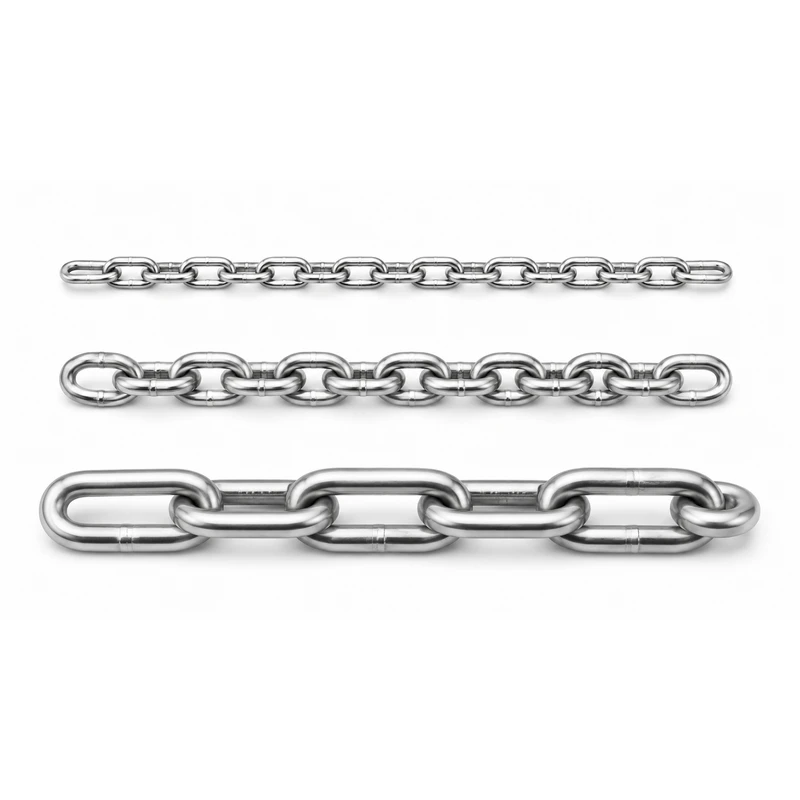
When you compare a rope puller vs come along, you see distinct differences in design and application. Selecting the right tool matters for both safety and efficiency. Using the wrong device can lead to serious risks, as shown below:
Type of Injury/Incident | Description |
|---|---|
Caught in Equipment | Workers can get caught or tangled in the winch or lines, leading to serious injuries or fatalities. |
Slips and Falls | Wet and slippery conditions near winches can cause falls. |
Amputation | Hands and fingers can be lost during the operation. |
Powerful Machinery stands as a trusted source for both professionals and DIY users seeking reliable solutions.
Key Takeaways
Rope pullers excel in long-distance pulling, making them ideal for tasks like structural alignment and pipeline installation.
Come-alongs are best for short, controlled pulls, perfect for automotive recovery and securing loads for transport.
Always inspect your equipment before use to ensure safety and optimal performance, regardless of the tool you choose.
Consider the load capacity and pulling length when selecting a tool; rope pullers support longer pulls while come-alongs handle heavier loads.
Powerful Machinery offers reliable options for both tools, ensuring you have the right equipment for your specific project needs.
Rope Puller vs Come Along: What’s the Difference?
Rope-Puller Basics
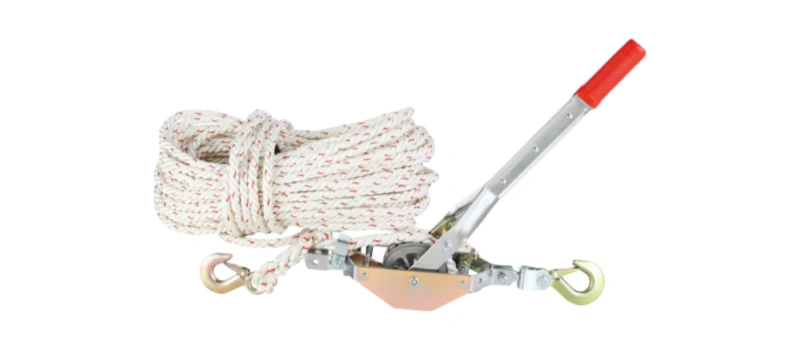
A rope-puller gives you a powerful way to lift, pull, or tension heavy loads using a mechanical advantage. You operate this tool by feeding a rope or wire rope through a jaw-grip mechanism. This design allows you to pull loads over any distance, making it ideal for long pulls or when you need to move objects across a job site.
Rope-pullers work well in construction, marine, and utility settings. You can use them for tasks like erecting wall sections, tightening fencing, or dragging heavy boats.
The construction of a rope-puller often features high-strength materials. For example, you may find polyester for UV resistance, polypropylene for water applications, UHMWPE for heavy-duty pulling, or wire rope for maximum strength and low stretch.
The jaw-grip mechanism ensures you can pull as much rope as needed, without being limited by a drum size.
Material Type | Properties | Best Applications |
|---|---|---|
Polyester | High strength, UV-resistant | Rigging, industrial pulling |
Polypropylene | Lightweight, buoyant, mildew-resistant | Water-related uses |
UHMWPE | High strength-to-weight ratio, low stretch | Heavy-duty pulling, aerospace |
Wire Rope | High-tensile, low-stretch | Heavy lifting, rigging, structural support |
You can expect a rope-puller to last up to ten years with proper care, though heavy use or harsh environments may shorten its lifespan. Powerful Machinery offers wire rope pullers built with reinforced steel and hardened components, ensuring durability and reliable performance for your toughest jobs.
Tip: Always inspect your rope-puller before use to ensure safety and optimal performance.
Come-Along Overview
A come-along serves as a hand-operated winch that uses a ratcheting gear system and a steel cable or rope. You use a come-along for lifting, pulling, or securing heavy loads over shorter distances. This tool is popular in construction, automotive, and industrial applications.
You might use a come-along to pull vehicles out of ditches, cinch loads onto flatbed trucks, or extract engines.
The typical come-along includes several key components:
Component | Description |
|---|---|
Housing Material | High-strength cast aluminum alloy |
Cable Specifications | 7×19, ¼ in. diameter, 133 strand, high-strength galvanized steel aircraft cable |
Hook Design | 360-degree swiveling hooks made of drop forged steel with safety latches |
Safety Features | Internal safety devices to prevent cable free-wheeling when a load is applied |
Operational Mechanisms | Quickly reversible handle, exclusive steel swagged ball shank terminal for cable anchoring |
You operate a come-along by moving the handle back and forth, which advances the cable and pulls the load. The ratcheting mechanism gives you precise control, but the length you can pull is limited by the drum size.
Powerful Machinery provides come-along tools with robust construction, ergonomic handles, and heavy-duty hooks, making them a reliable choice for both professionals and DIY users.
Here is a quick comparison of the main mechanical differences between rope-pullers and come-alongs:
Feature | Rope Pullers (Cable Pullers) | Come-Alongs |
|---|---|---|
Load Tensioning | Excellent | Limited |
Ratcheting Gear System | Yes | No |
Cable Coiling | Gradual | Immediate |
Direction of Pull | Both directions | Limited to one direction |
Length of Cable Pulled | Any length | Limited by drum diameter |
Versatility | High | Moderate |
You can see that the main differences come down to pulling length, versatility, and the type of mechanism. Powerful Machinery supplies both rope-pullers and come-alongs, so you can choose the right tool for your specific needs.
Key Features of Rope-Pullers
Design and Operation
You gain a mechanical advantage with a rope-puller, making heavy lifting and pulling tasks more manageable. The design features impact performance and user experience. Take a look at the table below to understand how each feature contributes:
Design Feature | Impact on Performance |
|---|---|
Inclined Rope Trainers | Hybrid pulling angles challenge your upper back, shoulders, and arms while engaging your core. |
Rope Climbers | Continuous pulling and climbing activate your posterior chain and demand core stability. |
Wall-Mounted Trainers | Full-body tension is required, ideal for compact spaces and maintaining workout intensity. |
Grip Techniques | Different grips change muscle engagement, affecting your focus during operation. |
Directional Pulling | Pull direction targets various muscle groups, enhancing training effectiveness. |
A rope-puller uses a jaw-grip mechanism that allows you to feed the rope through without drum restrictions. You can select grip techniques and pulling directions to match your project needs. Inspect the wire rope, hooks, and machine for wear or damage before use.
Choose the appropriate size and capacity for your job to prevent overloading. Secure anchoring points withstand the forces involved and keep you safe.
Advantages for Long Pulls
A rope-puller excels in long-distance applications. You can achieve maximum pulling lengths up to 25,000 feet with standard four-drum pullers using a 7/16″ CT12 rope per drum. These tools handle multiple ropes simultaneously, increasing efficiency for extended pulls.
You benefit from unlimited rope travel, making the rope-puller ideal for structural alignment, tower erection, and pipeline installation. Over 36,000 lifting-related injuries occur annually in the United States, so always inspect your equipment and anchor points before each use.
Tip: Always inspect your ratchet cable puller and cables for wear or damage before each use to prevent accidents.
Powerful Machinery Wire Rope Puller
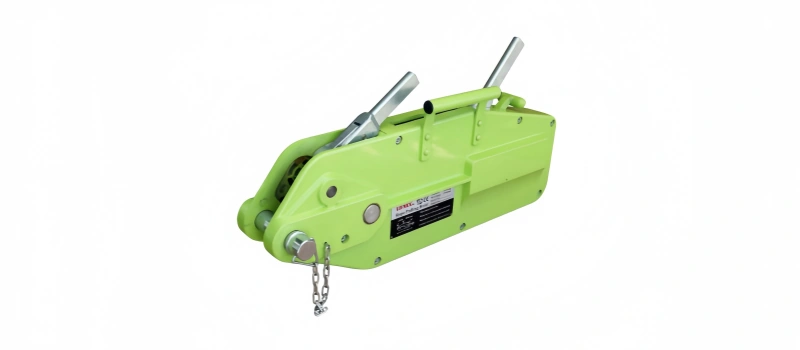
You receive unmatched durability and performance with the Powerful Machinery wire rope-puller. The reinforced steel frame and hardened components withstand tough lifting and tension work. The jaw-grip mechanism provides unlimited rope travel, supporting heavy-duty positioning tasks.
Compared to other brands like Durabilt, Harrington, and Neiko, Powerful Machinery offers reliable engineering support and rigorous quality checks. You can trust this rope-puller for construction, marine, and industrial maintenance projects.
The accurately rated load capacity markings and tested safety margins ensure stable pulling performance every time.
Key Features of Come-Alongs
Design and Operation
You rely on a come-along for tasks that demand a controlled pulling force. The design of this tool influences both effectiveness and safety. Key elements include:
A manual lever that generates pulling force with each stroke.
A ratchet mechanism that locks the load in place, preventing accidental slips.
Heavy-duty hooks that secure the tool to anchor points and loads.
Pulling medium options such as galvanized wire rope or high-tensile chain.
You operate a come-along by moving the lever back and forth. The ratchet mechanism advances the cable, allowing you to pull or lift loads with precision. This setup gives you control and stability, especially when working in tight spaces or on uneven surfaces.
Tip: Always check the hooks and ratchet mechanism before use to ensure safe operation.
The user experience differs from rope pullers. The table below highlights these differences:
Feature | Come-Alongs | Rope Pullers (Lever Hoists) |
|---|---|---|
Mechanism | Ratcheting for horizontal pulling | Lever mechanism for vertical lifting |
User Interaction | Easier to move objects across surfaces | Provides precise control for lifting |
Applications | Utility work, automotive repair, tensioning cables | Rigging, construction, and leveling loads |
Direction of Force | Horizontal or angular pulls | Vertical lifting |
Best Uses for Come Along
You find a come-along useful in many situations. Construction professionals use it for lifting and positioning materials. Automotive technicians rely on it to pull vehicles or tension cables. DIY enthusiasts appreciate its affordability and ease of use for home projects.
Lifting tasks in construction sites.
Pulling vehicles or equipment in automotive repair.
Tensioning cables for fencing or utility work.
Securing loads for transport.
You benefit from the versatility of a come-along, especially when you need a portable solution for short-distance pulls.
Note: Choose a come-along when you need reliable pulling power and straightforward operation.
Powerful Machinery Come Along Tool
You gain confidence using the Powerful Machinery come-along tool. The technical specifications ensure performance and safety:
Specification | Details |
|---|---|
Load Capacity | 2 Ton (4,400 LBs) |
Cable Length | 7.5 Feet |
Features | Dual Gear Structure, Anti-Reverse Mechanism, Built-in Spring |
You experience smooth operation with the dual gear structure. The anti-reverse mechanism prevents accidental release, and the built-in spring enhances cable control.
Customer reviews praise the reliability and performance of this come-along, especially compared to other brands. You can trust Powerful Machinery for demanding tasks in construction, automotive, and utility work.
Callout: Powerful Machinery offers engineering support and rigorous quality checks, making their come-along tool a dependable choice for professionals and DIY users.
Rope Puller vs Come Along: Main Differences
When you compare a rope puller vs come along, you notice several major differences that impact your choice for specific tasks. Understanding these factors helps you select the right tool for your job, whether you work in construction, marine, or automotive settings.
Pulling Length
Pulling length plays a critical role in the rope puller vs come along debate. You want a tool that matches the distance you need to move a load. Here are the notable differences:
A rope puller, such as the Maasdam Rope Puller, allows you to use an unlimited length of rope. You can pull loads over long distances without restriction. This feature makes rope pullers ideal for structural alignment, tower erection, or pipeline installation.
A come-along, like the C-2A Come-A-Long, uses a drum or cable system. The pulling length is limited by the drum size or cable length. You get precise control for short pulls, but you cannot extend the cable beyond its built-in length.
If your project requires moving heavy objects across a large area, you benefit from the unlimited travel of a rope puller. For shorter, controlled pulls, a come-along provides the accuracy you need.
Load Capacity
Capacity determines how much weight you can safely move with each tool. When you compare a rope puller vs come along, you see important distinctions:
Rope pullers often support moderate to heavy loads. For example, the VEVOR Rope Puller offers a 3/4 ton (1,653 lbs) pulling capacity. Powerful Machinery’s wire rope puller features reinforced steel and hardened components, making it suitable for demanding industrial applications.
Come-alongs, such as the Powerful Machinery Come Along Tool, typically handle up to 2 or 3 tons. This higher capacity makes them a strong choice for lifting engines, pulling vehicles, or securing large loads.
You should always check the rated capacity before starting your task. Never exceed the tool’s limit, as this can cause equipment failure or injury. Both tools from Powerful Machinery display clear load markings for your safety.
Setup and Portability
Setup and portability affect how quickly you can start your project and how easily you can move your equipment. Here is how the rope puller vs come along compares:
Rope pullers offer a simple setup. You feed the rope through the jaw-grip mechanism and secure the anchor points. The tool’s design allows for quick adjustments and easy transport, especially when you need to cover long distances.
Come-alongs feature a compact, all-in-one design. You attach the hooks, extend the cable, and operate the ratchet handle. The smaller size makes come-alongs easy to carry and store, which is helpful for fieldwork or emergency use.
If you need to move your tool frequently or work in tight spaces, a come-along’s portability stands out. For larger projects that require flexibility in pulling direction and length, a rope puller gives you more options.
Ease of Use and Safety
Ease of use and safety features are essential when you compare a rope puller vs come along. You want a tool that is straightforward and protects you during operation. The table below highlights standard safety features found in both tools:
Safety Feature | Description |
|---|---|
Safety Latches | Steel hooks with latches ensure secure load engagement. |
Internal Safety Devices | Prevent cable free-wheeling under load, reducing the risk of sudden drops. |
Bending Handle | Handle bends under severe overload, warning you to reduce the load. |
You also experience differences in user comfort and effectiveness:
User Experience Factor | Come Along | Rope Puller (Winch) |
|---|---|---|
Convenience | Less convenient in bad weather | More convenient in most conditions |
Ease of Use | Can be tricky in mud or ice | Easier to operate |
Effectiveness | Limited in wet/cold | Works well in all conditions |
Specific Needs | Good for last-minute jobs | Best for regular and emergency use |
You find that rope pullers work well in all weather conditions and offer easier operation, especially for long or repetitive tasks. Come-alongs provide reliable performance for short, controlled pulls but may require more effort in challenging environments.
Tip: Always inspect your equipment before use and follow the manufacturer’s guidelines for safe operation.
Choosing the Right Tool
When to Use a Rope-Puller?
You should select a rope-puller when your project demands long-distance pulling or precise tension control. Rope-pullers excel in tasks such as structural alignment, tower erection, and pipeline installation. You can feed the rope through the jaw-grip mechanism, allowing unlimited travel.
This tool works well for jobs that require gradual let-down and notch-by-notch control. You gain safer operation because the design reduces the risk of pinched fingers. Rope-pullers also handle challenging environments, including construction sites and marine settings.
Tip: Use a rope-puller for projects where you need to move loads across large areas or require careful tensioning.
When to Use a Come-Along?
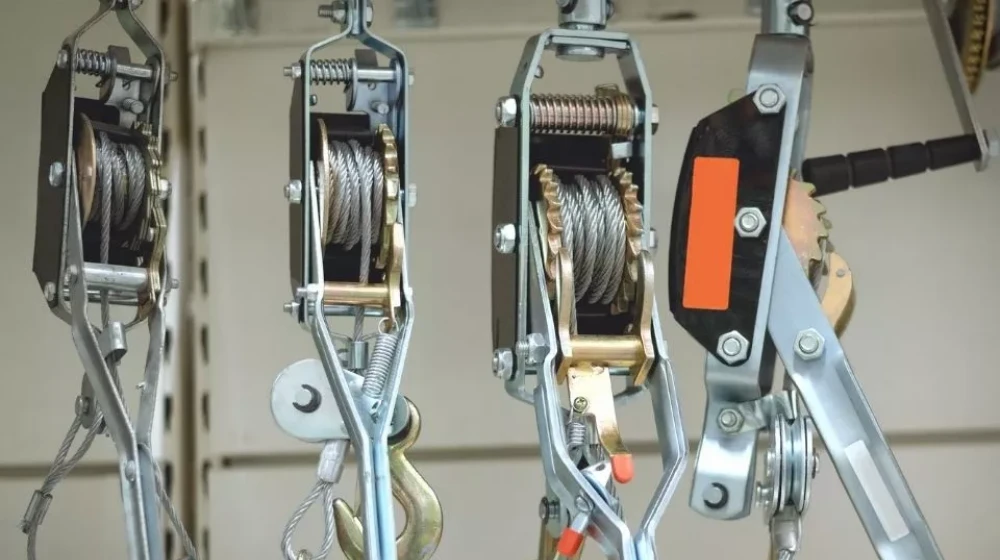
You should choose a come-along for tasks that involve short pulls or heavy lifting within a confined space. This tool is ideal for automotive recovery, securing loads for transport, or lifting equipment on job sites. The ratcheting mechanism gives you precise control for short distances, usually between three and eight feet.
You benefit from a compact design that allows easy setup and portability. Come-alongs handle higher capacities, making them suitable for lifting engines or pulling vehicles out of difficult spots.
Note: Select a come-along when you need reliable pulling power and quick setup for short-distance tasks.
Tips for Selection
You need to evaluate several factors before deciding which tool fits your project. Consider the following comparison:
Feature | Come-Along | Rope-Puller |
|---|---|---|
Pull Length | 3 — 8 feet | Full length of the rope |
Capacity | 4,000 lbs | 1,500 lbs |
Pulley Setup Requirement | No | Requires at least a 2:1 setup |
User Experience | Can pinch fingers | Safer to use |
Control on Let Down | Difficult to control | Easy to control notch by notch |
You should match the tool to your project’s requirements. If you need to pull heavy loads over short distances, a come-along offers strength and convenience. For longer pulls or jobs that require gradual tensioning, a rope-puller provides flexibility and safety.
Always check the rated capacity and setup instructions. Inspect your equipment before each use to ensure safe operation.
Callout: Powerful Machinery supplies both rope-pullers and come-alongs, giving you access to certified tools for every material handling challenge.
Conclusion
You now understand the main differences between rope pullers and come-alongs. Rope pullers excel at long-distance pulls and precise tension control. Come-alongs deliver strength and portability for short, heavy lifts. Powerful Machinery stands out as a trusted provider, offering certified tools and engineering support.
Customer satisfaction rates reach up to 98%, showing reliability and performance.
Visit the Powerful Machinery website to explore the full range of lifting and pulling solutions.
FAQ
What is the main difference between a rope puller and a come-along?
You use a rope puller for long-distance pulling tasks. A come-along works best for short, controlled pulls. Each tool offers unique advantages depending on your project requirements.
How do you choose the right cable puller for your job?
You should check the load capacity and pulling length. Select a cable puller that matches the weight and distance you need to move. Always inspect the tool before use for safety.
Can you use a basic cable puller for lifting heavy loads?
You can use a basic cable puller for moderate lifting tasks. For heavier loads, choose a tool with reinforced construction and higher capacity. Always follow manufacturer guidelines to prevent accidents.
Are rope pullers and come-alongs safe for outdoor use?
You can safely operate both tools outdoors. Make sure you inspect the equipment and secure anchor points. Weather conditions may affect grip and performance, so take extra precautions.
What maintenance steps keep your pulling tools in top condition?
You clean the tool after each use. Lubricate moving parts regularly. Store in dry conditions. Inspect for wear or damage before every job. Proper maintenance extends the tool’s lifespan.