
Mooring Chain
At Powerful Machinery, we manufacture premium mooring chain with superior tensile strength, perfect for marine construction, fender systems, docks, and fish farming pens. We offer complete mooring solutions including bridles, shackles, and sinkers. Request your mooring chain quote now.

We use high-tensile steel and corrosion-resistant coatings, ensuring your offshore mooring chain performs reliably in harsh marine conditions.
Our marine mooring chains meet international standards and certifications, guaranteeing top-tier safety, quality, and performance for offshore and port operations.
Get mooring chains customized to fit your project’s specific requirements, from length to material type, ensuring a perfect fit for docks, buoys, and shipyards.
With our efficient production process and responsive customer support, we ensure quick delivery and continuous assistance for marine construction projects and other industrial needs.
We supply work provide dependable mooring chains for industry leaders.

Mooring Chain Manufacturer for Offshore and Marine Projects
Our mooring chains support lifting and rigging operations across diverse applications. Our selection includes:
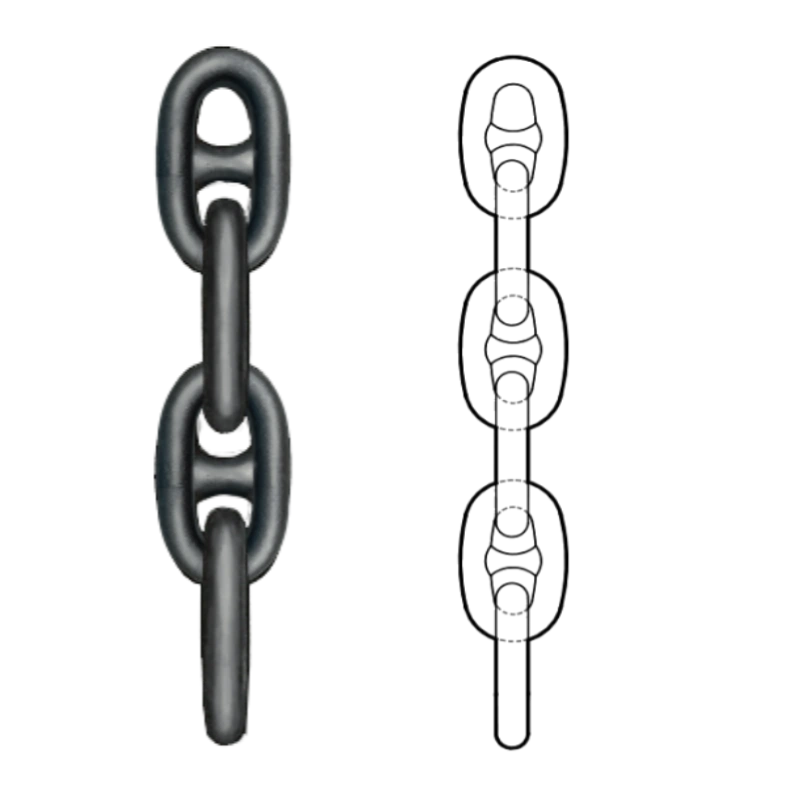
Designed with a stud in each link, offering superior strength and resistance to deformation under heavy loads. Perfect for permanent, commercial, and offshore moorings.
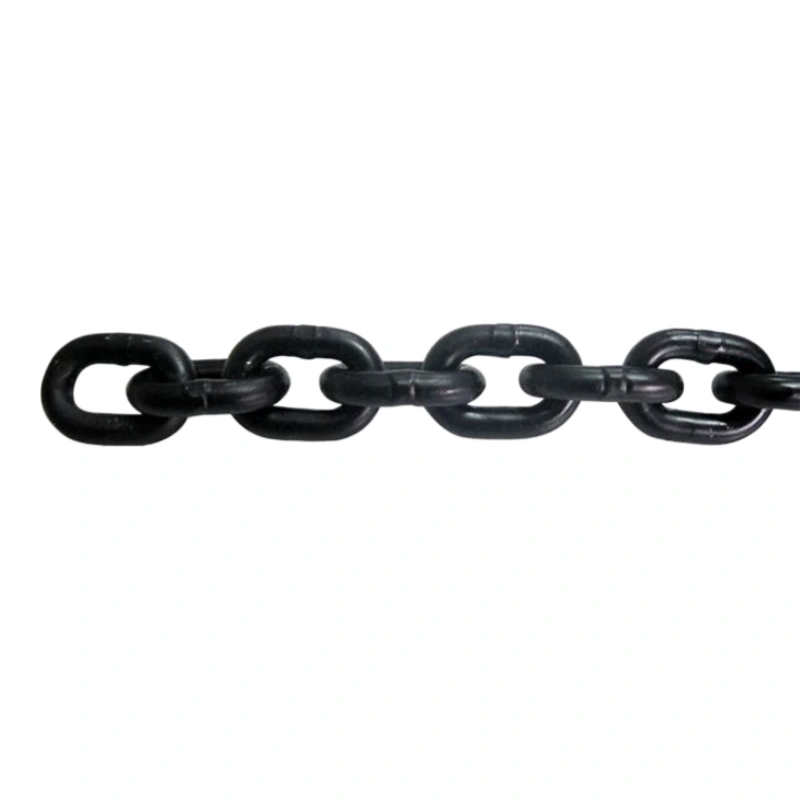
Lighter, more flexible, and fatigue-resistant. Ideal for specialized mooring systems where reducing weight and maximizing durability is crucial for long-lasting performance.

Long Link Mooring Chain
Features larger links, making it easy to attach shackles anywhere. Ideal for lighter applications, smaller ships, and secure, efficient mooring systems.
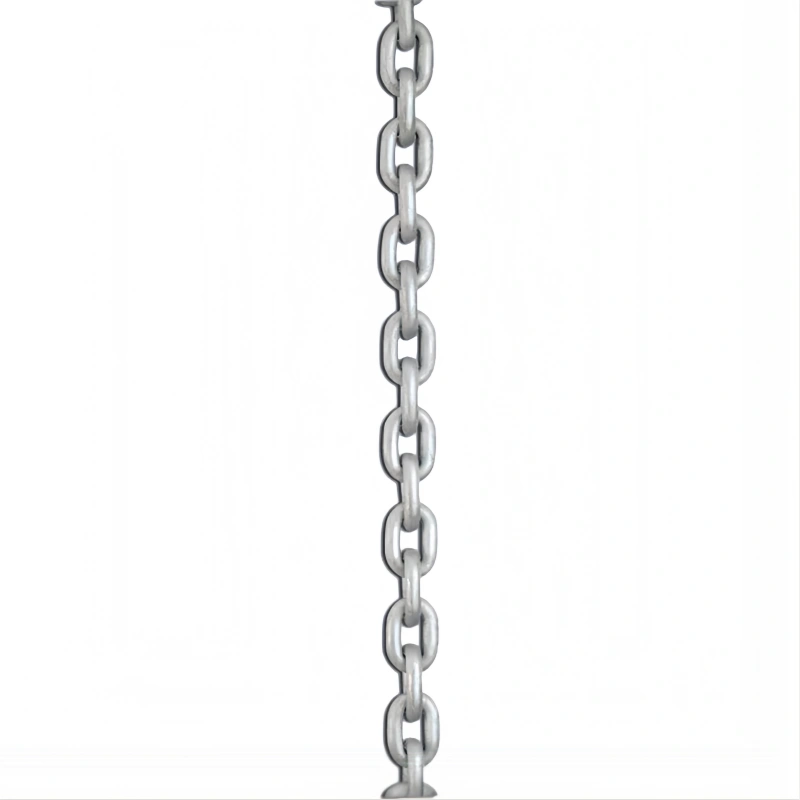
Galvanized Mooring Chain
Coated with zinc to resist corrosion in saltwater environments, offering enhanced protection against wear and ensuring reliable, long-lasting performance in marine applications.
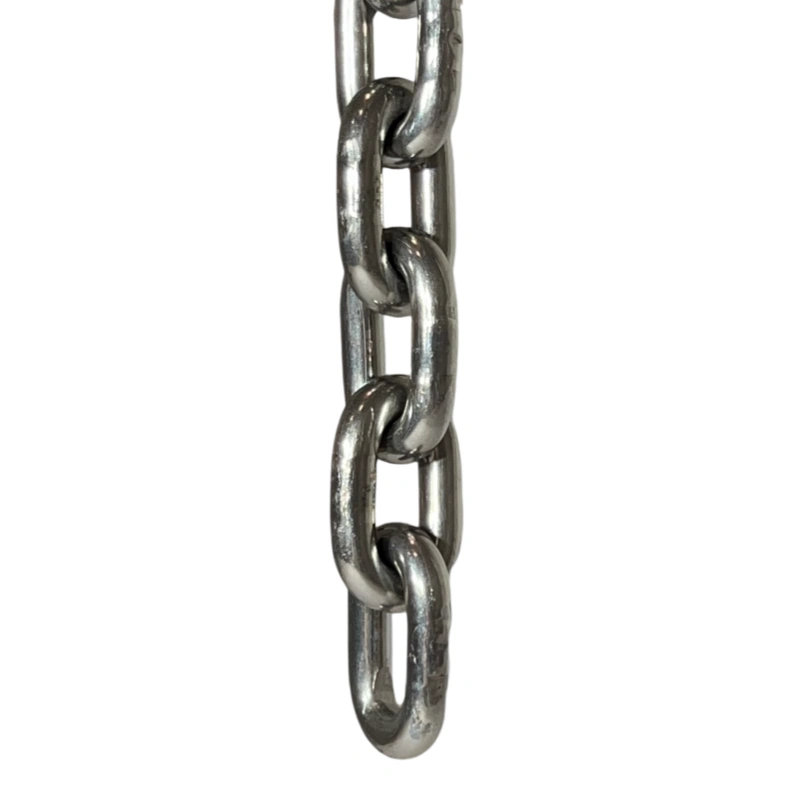
Stainless Steel Mooring Chain
Our stainless steel mooring chain combines exceptional strength and corrosion resistance, ensuring reliable performance in harsh marine environments for secure mooring in all conditions.
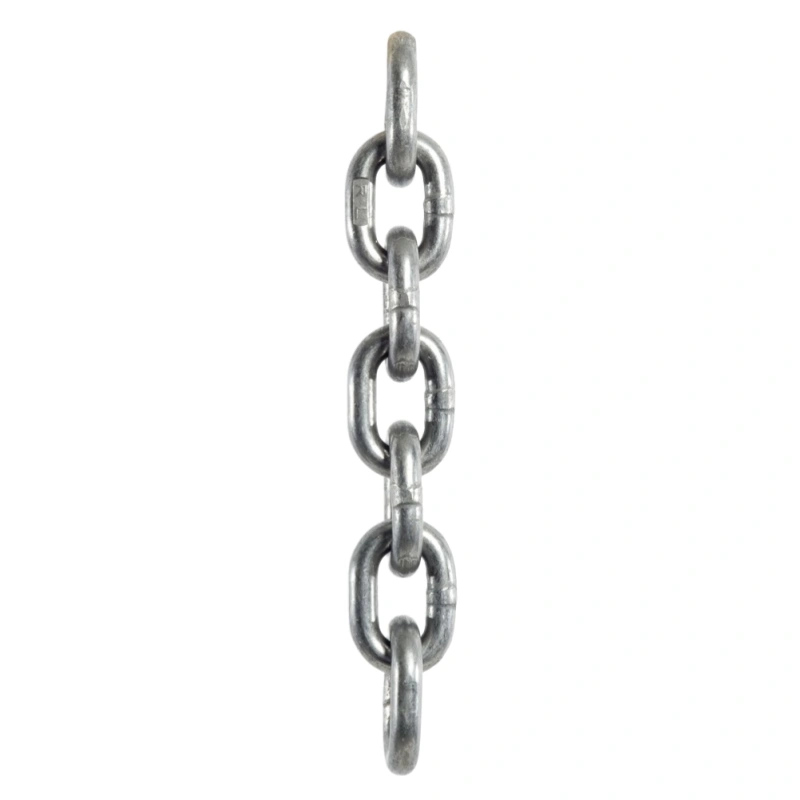
Short Link Mooring Chain
With shorter links for tight bends, this chain excels in shallow water mooring. It offers flexibility and easy handling, ensuring secure mooring in confined spaces.
MOORING CHAIN SPECIFICATIONS
| Specification Item | Details |
|---|---|
| Product Name | Mooring Chain / Offshore Mooring Chain |
| Chain Type | Stud Link Mooring Chain, Studless Mooring Chain |
| Available Grades | R3, R3S, R4, R4S, R5 |
| Diameter | Custom sizes available according to project requirements |
| Length | Customized to mooring design and buyer specification |
| Material | High-strength alloy steel |
| Link Options | Common Link, Enlarged Link, End Link, Connecting Link |
| Standard Reference | ISO 1704 and project-specific classification requirements, where applicable |
| Surface Treatment | Black painted, anti-corrosion coating, or customized finish |
| Testing | Proof Load Test, Breaking Load Test, Mechanical Test, Dimensional Inspection, Visual Inspection |
| Available Documents | Material Certificate, Test Report, Inspection Report, Certificate of Conformity, Third-Party Inspection Documents, classification-related documents when required |
| Customization | Grade, diameter, length, end fittings, coating, marking, and packaging |
| Applications | Offshore platforms, FPSO/FSO systems, floating wind foundations, CALM buoy systems, single point mooring systems, marine terminals, aquaculture mooring systems |
NEED HELP WITH YOUR MOORING CHAIN ORDER?
Let us help! Reach out today and get recommendations on materials and sizing from our experts.

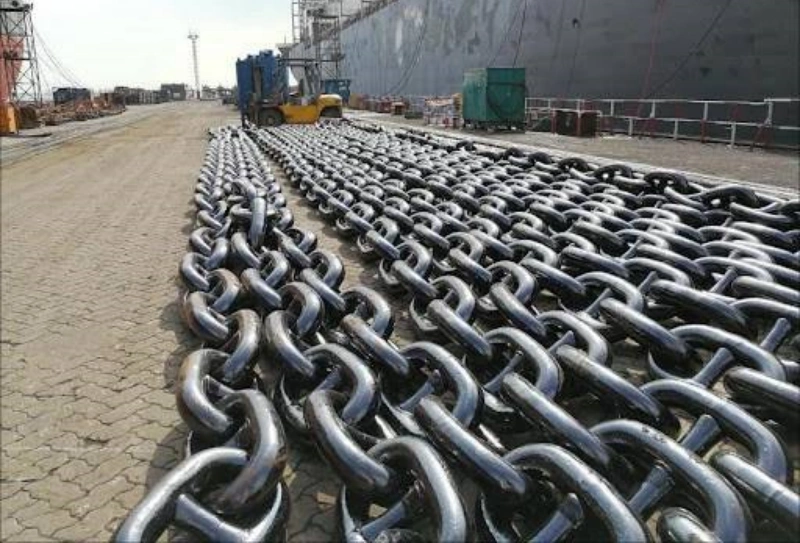
Guide to Mooring Chain
Our guide to mooring chains helps you understand mooring chain types, applications, and selection tips so you can choose safe, reliable mooring chains.
Mooring Chain Guide
Selecting the right mooring chain is essential for ensuring the safety and security of your vessel. Here are the key factors to consider:
Vessel Size and Type: Choose a chain that suits the size and weight of your boat. Larger vessels require stronger chains.
Water Conditions: Assess the type of water your boat will be in—saltwater requires more corrosion-resistant materials, while freshwater may have fewer challenges.
Anchor Strength: The mooring chain needs to match the strength of your anchor to keep your boat secure under different conditions.
Corrosion Resistance: Opt for chains made from high-quality stainless steel or galvanized steel for maximum resistance to rust, especially in marine environments.
Durability: Ensure the chain is built to last with long-term strength and performance in harsh conditions.
Chain Material: Stainless steel or galvanized steel are the best choices for long-lasting, reliable performance.
Our mooring chains are made from high-quality materials to ensure maximum durability, even in the toughest marine environments.
Mooring Chain Size Guide
Choosing the right size for your mooring chain is critical to ensure your boat stays secure in varying conditions. Here’s how to determine the appropriate chain size based on your vessel and environment:
Boat Weight: Lighter boats require smaller chains (6mm to 8mm), while larger boats need heavier chains for stability and security.
Vessel Type: For yachts and smaller commercial ships, a chain size between 10mm to 20mm is common. Larger ships may require even bigger chains.
Weather Conditions: In harsher weather, larger chains are necessary to handle additional strain. A bigger chain helps provide more reliability in storms or rough seas.
Chain Diameter Matching: Always ensure the chain’s diameter is suitable for your boat’s weight and size to avoid unnecessary strain.
Sizing Tip: It’s a good idea to go one size up for extra security and to accommodate any unexpected conditions.
Proper chain sizing will ensure your vessel is securely anchored, preventing damage during challenging weather conditions.
Mooring Chain Setup
Proper setup of your mooring chain is essential for ensuring your vessel stays securely anchored. Here’s a step-by-step guide to the key components and setup process:
Choose the Correct Anchor: Make sure your anchor is the right size for your vessel and the specific mooring area you’ll be using.
Connect the Chain to the Anchor: Use a strong, reliable shackle to connect the mooring chain to the anchor. Ensure it is securely fastened to avoid any risk of disconnection.
Attach the Chain to Your Boat: Connect the other end of the chain to your boat, ensuring a solid and secure attachment point.
Check Chain Length: Verify that the chain is long enough to allow for safe mooring. The chain should have enough slack for the boat to move safely with the tide or wind.
Ensure Proper Slack for Safety: The chain should not be too tight or too loose, allowing the boat to swing naturally in various weather conditions without risk of damage.
Following these steps will help ensure your mooring setup is secure, providing peace of mind whether you’re at rest or in adverse conditions.
How Long Should a Mooring Chain Be?
The length of the mooring chain depends on the depth of the water and the type of vessel. A general rule of thumb is to have a chain length that is at least 5 to 7 times the depth of the water. This ensures the anchor stays securely on the seabed and provides enough scope for the boat to swing with the tides. In deeper water, you may need a longer chain, whereas for shallow areas, a shorter chain may be adequate.
Mooring Chain Inspection
Regular inspection of your mooring chain ensures its durability and reliability, protecting your vessel from potential hazards. Follow this checklist for thorough and effective inspection:
Check for Wear and Corrosion: Examine the chain for signs of wear or rust, especially after exposure to saltwater. Corrosion can weaken the chain, reducing its strength.
Inspect for Kinks and Broken Links: Look for any kinks, twists, or broken links. These can significantly compromise the strength of the chain and risk the safety of your boat.
Tighten Shackles: Ensure all shackles are tightly secured and in good condition. Loose shackles can lead to failure under pressure.
Clean After Saltwater Use: After each use in saltwater, rinse the chain with fresh water to remove salt buildup and prevent corrosion.
Replace Damaged Sections: Replace any parts of the chain that show signs of damage or wear to maintain the chain’s integrity and prevent accidents.
Regular inspections and maintenance will help extend the life of your mooring chain and ensure its reliability in all conditions.
What Is the Best Chain for a Mooring?
The best chain for a mooring depends on the conditions in which it will be used. Stainless steel chains are excellent for marine environments as they are resistant to corrosion and rust. Galvanized steel chains are also good options, providing a balance between strength and durability. For added strength, you may choose a higher-grade steel chain, like Grade 70, especially for larger boats or areas with strong currents.
How to Calculate Shackle Size for Mooring Chain?
Choosing the correct shackle size is essential for ensuring a secure and efficient mooring setup. Here’s how to calculate the right size for your chain:
Match Shackle Diameter to Chain Diameter: Start by selecting a shackle with a diameter that matches the chain’s diameter. For instance, if you’re using a 12mm chain, choose a 12mm shackle.
Ensure a Snug Fit: The shackle should fit snugly, but not be too tight. It needs to move smoothly when attached to the chain, ensuring easy operation.
Consult Manufacturer Guidelines: Always check the manufacturer’s recommendations for chain and shackle compatibility to ensure a perfect fit for your specific setup.
Check for Optimal Performance: Proper sizing ensures that the shackle can bear the load and maintain safe mooring, without unnecessary stress on either the chain or the boat.
By following these steps, you’ll ensure your mooring chain and shackle work together seamlessly, providing secure anchorage for your vessel.
Mooring Chain Durability: How to Extend Its Life?
Mooring chains are constantly exposed to harsh marine conditions, but with the right care, you can significantly extend their lifespan. Follow these steps to maintain your chain in top condition:
Regularly Inspect the Chain: Check the chain for any signs of damage, corrosion, or wear. Look for rust, kinks, or broken links that can compromise its strength.
Clean After Each Use: Rinse the chain with fresh water after each use, especially if exposed to saltwater. This helps remove salt and debris that can accelerate corrosion.
Proper Storage: When not in use, store the chain in a cool, dry location, away from direct sunlight. Avoid storing it in damp or humid areas to prevent rusting.
Apply Anti-Corrosion Treatments: Consider using anti-corrosion sprays or coatings to provide an extra layer of protection against rust and wear.
Perform Regular Maintenance: Inspect and maintain the chain frequently to detect and address any issues before they cause major damage.
Taking these simple steps will ensure your mooring chain remains reliable and performs optimally, even in the harshest conditions.
Mooring Chain Grades
Mooring chains come in various grades, each designed for specific applications and environments. Understanding the grade will help you choose the right chain for your vessel and mooring conditions. Here’s a breakdown of the most common grades:
Grade 30: A general-purpose chain, ideal for smaller vessels and calm water conditions. It offers adequate strength for light-duty applications.
Grade 40: Stronger and more durable than Grade 30, making it suitable for moderate sea conditions and medium-sized vessels. It provides a balance between strength and cost.
Grade 70: Designed for heavy-duty applications, Grade 70 chains are perfect for larger vessels or areas with rough seas. They offer higher strength and greater resistance to wear and corrosion.
Grade 80: The strongest of the standard grades, Grade 80 chains are ideal for commercial ships and vessels exposed to extreme conditions. This grade provides superior resistance to corrosion and wear, ensuring long-lasting performance.
Higher-grade chains offer more durability and resistance to wear, making them the best choice for vessels operating in challenging environments.
What is the Difference Between Stud Link and Studless Mooring Chain?
Stud link mooring chain and studless mooring chain serve different offshore and marine applications. The main difference lies in the link structure, handling behavior, and project suitability. As a mooring chain manufacturer, we help buyers choose the right option according to the approved design, operating load, installation method, and connection requirements.
| Difference | Stud Link Mooring Chain | Studless Mooring Chain |
|---|---|---|
| Link structure | Contains a steel stud inside each chain link | Uses an open-link design without an internal stud |
| Shape stability | Holds link geometry more effectively during high tension, storage, and installation | Offers a simpler link form with fewer internal structural features |
| Handling performance | Works well in projects that need dependable chain geometry during lifting, laying, and deck handling | Fits selected layouts where the approved mooring design allows a studless structure |
| Typical use | Commonly selected for offshore mooring systems, marine structures, and heavy-duty anchoring projects | Used in project-specific mooring systems based on engineering requirements |
| Equipment compatibility | Often chosen when consistent link shape supports handling through associated equipment | Requires confirmation with connectors, stoppers, and the complete mooring line layout |
| Selection basis | Suitable when the project prioritizes dimensional stability and proven handling behavior | Suitable when the design calls for an open-link chain configuration |
Can You Produce Custom Diameters and Lengths?
Yes. We support custom mooring chain diameters, custom chain lengths, and project-specific end configurations when the order meets the required technical and testing conditions. Buyers often request customized chains for new offshore projects, replacement segments, port systems, floating structures, fish farming systems, and special deck-handling layouts. We review the required chain diameter, link profile, total length, tolerance range, enlarged end links, connecting links, chain accessories, proof-load requirement, breaking-load requirement, surface protection, and certificate scope before we issue a quotation.
What Certificates Can Be Supplied?
We can prepare a complete documentation package according to the mooring chain order, buyer specification, and inspection requirement. Depending on the project, this package may include material traceability records, chemical composition reports, mechanical test records, heat treatment records, dimensional inspection reports, proof-load test records, breaking-load test records, marking records, conformity documents, third-party inspection documents, and classification-related certificates when the project requires them.
Which Applications Are Suitable for Offshore Mooring Chain?
Offshore mooring chain supports projects that require strong stationkeeping, long service life, and reliable performance in demanding marine environments. Mooring chains are used across offshore energy, marine infrastructure, and aquaculture projects where stable anchoring and heavy-duty load resistance matter.
- Floating Production Units
- Used to secure floating production systems in offshore oil and gas fields
- Supports long-term stationkeeping under waves, wind, and current loads
- Floating Storage Units
- Helps hold floating storage facilities in position during loading, unloading, and continuous offshore operation
- Suitable for projects that require dependable anchoring over extended service periods
- Offshore Oil and Gas Facilities
- Applied in permanent and temporary mooring systems for offshore platforms and support structures
- Chosen for high-load marine environments where chain strength and durability are critical
- Floating Wind Foundations
- Used in mooring systems for floating offshore wind turbines
- Helps maintain platform stability while handling continuous motion and variable environmental forces
- CALM Buoy Systems
- Supports Catenary Anchor Leg Mooring buoy systems for offshore loading and transfer operations
- Provides strong anchoring for buoy positions in exposed marine conditions
- Single Point Mooring Systems
- Helps secure tankers, buoys, and offshore transfer points around a fixed mooring location
- Suitable for systems that require stable rotational movement around one mooring point
- Marine Terminals
- Used in offshore and nearshore terminal anchoring arrangements
- Supports floating berths, loading systems, and heavy-duty marine infrastructure
- Aquaculture Mooring Layouts
- Applied in fish farm cages, offshore farming platforms, and marine cultivation systems
- Helps resist repeated environmental loading in open-water aquaculture sites
- Heavy-Duty Anchoring Systems
- Suitable for buoys, floating docks, specialized offshore equipment, and other load-bearing marine structures
- Selected when the project needs a durable chain solution for demanding anchoring work
Have More Questions of Mooring Chains?
Have more questions about mooring chains? Whether you’re unsure about the right grade, size, or maintenance tips, we’re here to help. Get expert advice to ensure your chain lasts longer and keeps your vessel safe. Contact us for more details!