Cargo nets provide a reliable solution for securing and lifting cargo in demanding environments. You see these tools widely used in transportation, construction, and warehousing because they stabilize loose or irregular items with ease.
Quick setup and even load distribution make cargo nets essential for maintaining safety and boosting efficiency. Their versatility allows you to protect valuable goods and streamline daily operations.
Key Takeaways
Cargo nets stabilize and secure loads, preventing shifting during transport, which enhances safety and efficiency.
Choose the right material for your cargo net based on your specific needs, such as nylon for strength or polypropylene for moisture resistance.
Always inspect cargo nets for damage before use to ensure safety and compliance with industry standards.
Follow best practices for securing cargo nets, including even weight distribution and proper attachment to prevent accidents.
Select a cargo net that meets or exceeds the working load limit to guarantee reliable performance and protect your goods.
Cargo Nets Overview
Definition and Materials
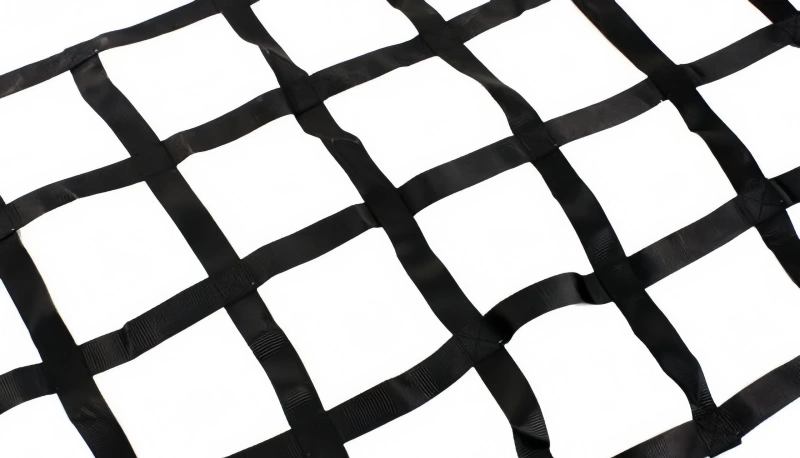
You rely on cargo nets to secure and lift cargo in environments where stability and protection matter most. These nets consist of interconnected strands or webbing that form a mesh, allowing you to wrap and contain loads efficiently.
Manufacturers use several materials to produce cargo nets, each offering unique strengths for different applications.
When you select a cargo net, material choice impacts durability, flexibility, and performance. The table below highlights common materials and their characteristics:
Material | Strengths | Weaknesses |
|---|---|---|
Polypropylene | Lightweight, water-resistant, UV-resistant, does not absorb moisture | Less durable under heavy loads |
Nylon | Exceptional tensile strength, elasticity, and superior durability | More expensive |
Polyester | Strong, UV-resistant, maintains structural integrity under tension | More expensive than polypropylene |
HDPE | Extremely strong, abrasion-resistant, chemically inert, ideal for harsh conditions | Typically, more rigid and heavier |
You find polyester and nylon nets ideal for heavy-duty lifting and industrial use. Polypropylene nets work well for lighter loads and environments where moisture resistance is critical. High-density polyethylene nets suit harsh conditions, offering abrasion resistance and chemical stability.
Powerful Machinery stands as a trusted provider of cargo nets and lifting solutions. The company offers a comprehensive range of products, including Industrial Cargo Nets. You benefit from certified materials and custom-engineered options that match your specific requirements.
Main Purpose
Cargo nets serve several essential functions in securing and lifting cargo. You use them to stabilize loads, prevent shifting, and enhance safety during transport and handling. Unlike ropes or straps, cargo nets distribute weight evenly, reducing stress on individual points and minimizing the risk of damage.
The primary functions of cargo nets are summarized in the following table:
Function | Description |
|---|---|
Load Support | Provides reliable support during lifting and transportation, designed to bear substantial weights. |
Safety Enhancement | Minimizes risks of shifting or falling loads, preventing accidental drops that could endanger personnel. |
Load Distribution | Evenly distributes weight across the net, reducing concentrated stress and risk of wear. |
Versatility | Adaptable to various cargo types across multiple industries, accommodating different shapes and sizes. |
You achieve greater safety and efficiency by using cargo nets for irregular or unstable loads. These nets adapt to different shapes and sizes, making them suitable for construction, transportation, and warehousing.
Powerful Machinery offers several types of cargo nets to meet diverse needs:
Debris Nets: You use these for complete debris containment, available in various load capacities and sizes.
Personnel Safety Nets: Designed for construction sites, these protect workers and property.
Lifting Nets: Ideal for lifting heavy or oddly shaped cargo, providing secure and balanced lifting.
Pickup Truck Cargo Nets: Quick and easy solution for securing loads in pickup trucks, featuring S-hooks and cam buckles.
You select the right cargo net based on your application, load requirements, and environment. Powerful Machinery ensures you receive products that meet international safety standards and deliver reliable performance.
How Cargo Nets Work?

Operation and Functionality
You depend on cargo nets to create a secure barrier around your load. The mesh structure spreads pressure across many contact points, which helps distribute weight evenly. This design reduces the risk of tearing or failure by avoiding stress on a single area.
The flexible webbing adapts to the shape of your cargo, maintaining constant tension and keeping everything in place. The elasticity of the material allows for slight movement, but the net still holds the load securely. This flexibility is crucial during transportation, where bumps and turns can cause items to shift.
Tip: The mesh design not only protects your goods but also improves safety by preventing sudden load shifts that could lead to accidents.
How to Use a Cargo Net?
You can secure your load effectively by following a few essential steps:
Respect weight limits. Always check the manufacturer’s working load limit to avoid overloading.
Distribute weight evenly. Balance your cargo to prevent uneven tension and ensure stability.
Secure all attachment points. Fasten the net to rated tie-down anchors for maximum safety.
Protect against sharp edges. Use edge protectors to prevent the net from being cut or damaged.
Avoid over-tensioning. Tighten the net gradually to keep both the net and its attachments in good condition.
Common mistakes can compromise safety. Avoid using worn or damaged straps, relying on gravity alone, or using the wrong net for the job. Never tie down cargo from only one side or leave items uncovered. Always choose a net that fits your load to prevent anything from escaping.
By understanding how cargo nets work and following best practices, you ensure both the protection of your cargo and the safety of everyone involved in the operation.
Benefits of Cargo Nets
Load Distribution and Flexibility
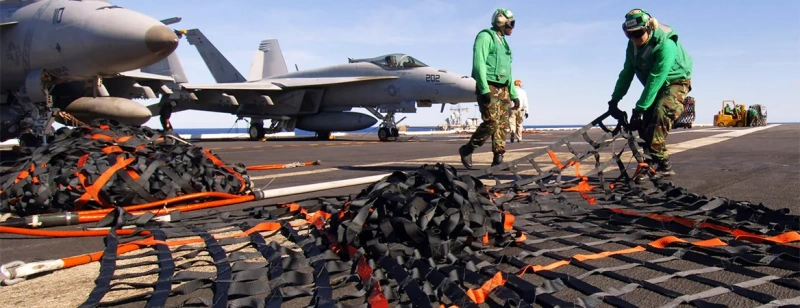
You need reliable tools when handling heavy or irregular loads. Cargo nets give you a clear advantage over traditional tie-down methods. Their mesh design spreads pressure evenly across your cargo, which helps prevent damage and keeps everything stable during transport. You can see the difference in the following table:
Feature | Description |
|---|---|
High Strength & Durability | Cargo nets are made from strong materials like nylon, ensuring they can handle heavy loads without tearing. |
Elastic Flexibility | The stretchable design allows the net to adapt to the cargo shape, maintaining tension even as loads shift. |
Improved Safety | Cargo nets prevent load shifting, which is crucial for maintaining balance and preventing accidents during transport. |
Load Distribution | They distribute pressure evenly across the cargo, minimizing the risk of damage during transit. |
You benefit from the flexibility of cargo nets, especially when dealing with mixed or uneven loads. Here are some key advantages:
Versatility: You can secure items of different shapes and sizes in one go, making cargo nets perfect for irregular cargo.
Enhanced Security: Multiple securing points reduce the risk of shifting, unlike single-point tie-downs.
Ease of Use: Quick installation and removal save you time during busy operations.
Powerful Machinery designs its cargo nets to meet these needs, offering custom sizes and high-strength materials for every application.
Safety and Durability
You cannot compromise on safety when lifting or transporting valuable goods. Cargo nets from Powerful Machinery use certified materials that meet strict international standards. These standards include ISO 18187, EN 12195-2, and DOT/FMCSA, which guarantee reliable performance and load security.
The table below outlines the main safety standards:
Safety Standard | Description |
|---|---|
ISO 18187 | Compliance for load securing |
EN 12195-2 | Standards for load securing in transportation |
DOT/FMCSA | U.S. regulations for cargo securing |
Certification | Indicates compliance with load testing and breaking strength |
Safety Warning | Risks of using substandard nets include load shifts and accidents |
You also gain long-term value because these nets are reusable and resistant to wear. Powerful Machinery’s products undergo rigorous testing, so you can trust them to protect your cargo and maintain safety in every operation.
What is a Cargo Net Used For?
Transportation and Vehicles
You rely on cargo nets to secure loads in a wide range of transportation modes. Whether you operate a truck, ship, or aircraft, these nets help you prevent shifting and damage during transit.
Powerful Machinery offers cargo nets made from durable materials like nylon and polyester, designed to withstand harsh weather and UV exposure. You can choose from various sizes and configurations to match your load requirements and environmental conditions.
Transportation Mode | Application Description |
|---|---|
Trucks | Securing goods during transport to prevent shifting and damage, especially for fragile items. |
Ships | Used in marine shipping to brace cargo against harsh conditions and ensure compliance with maritime regulations. |
Aircraft | Ensures stability in cargo holds, preventing displacement during flight and meeting strict safety standards. |
You enhance safety and efficiency by using cargo nets in transportation. These nets keep loose items secure in truck beds, prevent them from falling out, and ensure stability. You distribute cargo evenly under the net, which prevents overloading and improves balance.
Securing the net tightly to tie-down points stops sagging or loosening during transit.
Tip: Choosing the right size net for your vehicle ensures proper fit and maximum protection for your cargo.
Industrial and Storage Applications
You use cargo nets in industrial and warehouse settings to maintain organization and safety. Powerful Machinery’s lifting nets attach easily to cranes and forklifts, allowing you to move bulk materials and delicate goods efficiently. Their design makes them indispensable for the safe transportation of heavy loads.
Role in Operations | Description |
|---|---|
Prevents Falling Items | Cargo nets are installed along shelving units and pallet racks to stop items from falling into work areas, enhancing safety and compliance with OSHA standards. |
Stabilizes Loads | When used with forklifts, cargo nets help secure loose or stacked items, reducing the risk of slippage and ensuring safe transport. |
Enhances Visibility | The design of cargo nets allows for easy inspection of stored goods without needing to remove them, aiding in organization. |
You also find cargo nets valuable in construction and agriculture. In construction, you move tools and materials securely, preventing accidents. You attach nets to cranes and hoists for versatile load management. In agriculture, you transport hay and crops, protecting them from environmental elements and allowing for easy loading.
Cargo nets help maintain organization and safety in warehouse operations.
They prevent slippage and tipping during forklift operations.
Cargo nets stabilize bundles of materials, especially lightweight but bulky items.
They act as a secondary safety measure, reducing the likelihood of product damage.
You benefit from the versatility and reliability of Powerful Machinery’s cargo nets, which support safe and efficient transportation and storage across multiple industries.
Choosing the Right Cargo Net
Size and Load Capacity
You must select the correct size and load capacity to ensure reliable performance and protect your goods. Start by determining the weight of your heaviest item. Multiply this weight by three to account for dynamic forces, then add 25% for environmental variables.
Choose a net with a minimum break strength that exceeds this final number. The webbing, fasteners, and mesh geometry all play a role in supporting the load. Polyester webbing offers UV resistance and minimal stretch, while polypropylene is lighter but less durable.
Always check the working load limit and ensure it matches your requirements.
Tip: Proper sizing prevents overloading and maximizes safety during lifting and transport.
Aspect | Description |
|---|---|
Working Load Limit (WLL) | The maximum load a net handles during regular use is typically one-fifth of the breaking strength. |
Breaking Strength (BS) | The point at which the net fails is crucial for understanding safety margins. |
Safety Standards | OSHA requires a safety factor of at least 5:1, ensuring nets withstand five times the WLL. |
Certification Importance | Certifications ensure nets are tested for real-world conditions, preventing failures in critical situations. |
Material Selection
You need to match the material to your environment and application. Nylon provides high strength and elasticity, making it ideal for long-haul trucking and marine operations. Polyester resists UV rays and moisture, so it works well outdoors and in wet conditions.
Rubberized mesh offers superior grip and abrasion resistance for slippery items. Material choice affects longevity and maintenance. Regular inspections, proper cleaning, and protective coatings help extend the life of your net. Training staff on care and use prevents unnecessary damage.
Material Type | Advantages | Disadvantages | Suitable Environments |
|---|---|---|---|
Nylon | High strength-to-weight ratio, elasticity, and excellent abrasion resistance | Vulnerable to UV radiation | Long-haul trucking, marine operations, and outdoor recreational use |
Rubberized Mesh | Superior grip, abrasion resistance, ideal for slippery items | Requires careful maintenance | Construction sites, marine transport, heavy-duty trucking |
Polyester | UV resistance, moisture resistance, does not absorb water | N/A | Outdoor applications, wet conditions |
Attachment and Design Options
You can customize your net for specialized applications. Powerful Machinery offers options such as hooks, grommets, D-rings, loops, and ratchets for secure attachment. Webbing width and mesh size vary to fit different cargo types. Custom sizes and dimensions ensure a perfect fit for any vehicle or storage space.
You may select colors and branding for visibility and company identity. Additional features like waterproofing, zippered enclosures, and UV treatment enhance functionality.
Customization Feature | Description |
|---|---|
Material Selection | Options include polyester, nylon, polypropylene, or Kevlar, each suited for different applications. |
Webbing Width and Mesh Size | Webbing widths range from 1 to 2 inches; mesh sizes vary to secure different cargo types. |
Attachment Hardware | Includes hooks, grommets, D-rings, loops, and ratchets for versatile and secure attachment. |
Size and Dimensions | Custom nets can be tailored to fit any vehicle or cargo space. |
Color and Branding | Various color options and branding possibilities are available. |
Additional Features | Options like waterproofing, zippered enclosures, and UV treatment enhance functionality. |
Custom design options improve effectiveness by maximizing coverage, reducing cargo shift, and enhancing safety in dynamic conditions. Powerful Machinery provides certified products and tailored solutions to meet your operational needs.
Cargo Net Safety Tips
Inspection and Maintenance
You protect your team and cargo by making inspection and maintenance a routine part of loading dock safety. Regular checks prevent failures and unplanned downtime. Look for fraying fibers, broken mesh, excessive sag, netting separating from borders, cut or unraveled lashing, and rusted or loose hardware.
Maintain a signed and dated inspection log for documentation. Replace hardware only with supplier-approved components to uphold safety standards.
Note: Consistent inspection supports safety net systems and ensures compliance with safety measures.
Follow these steps to extend the service life of your cargo nets:
Inspect first. Check for tears, worn hooks, or damaged elastic sections before and after cleaning.
Prepare a cleaning solution using mild detergent and lukewarm water. Avoid bleach or harsh solvents.
Hand wash. Gently scrub with a soft brush or cloth. Do not machine wash or tumble dry.
Rinse thoroughly to remove all soap residue.
Air dry completely in a shaded, well-ventilated area. Avoid direct sunlight or heat sources.
Store properly. Fold or roll the net loosely and keep it in a dry, cool place away from chemicals or sharp objects.
Proper Securing Techniques
You ensure loading dock safety by securing cargo nets correctly. Attach the net to rated tie-down anchors and distribute weight evenly. Use edge protectors for sharp cargo to prevent damage. Tighten the net gradually, avoiding over-tensioning. Confirm all attachment points are secure before lifting or transporting.
These steps reinforce safety net systems and reduce risks.
Tip: Proper securing techniques help you comply with safety standards and maintain safety measures.
Load Limits and Best Practices
You must respect load limits to guarantee loading dock safety. Always check the working load limit and breaking strength. Choose nets that meet or exceed safety standards. Regular inspections prevent cargo from shifting or falling.
Compliance with safety measures protects lives and property. Adhering to best practices reduces accidents and supports safety net systems.
Best Practice | Description |
|---|---|
Check Load Limits | Verify net capacity before each use |
Inspect Regularly | Identify wear and tear early |
Follow Safety Standards | Use certified products for reliable performance |
Document Inspections | Keep logs for accountability |
Callout: Powerful Machinery’s certified cargo nets help you meet safety standards and loading dock safety requirements every day.
Conclusion
Cargo nets help you secure and lift cargo with confidence. You improve efficiency and protect goods in every operation. Choosing certified products from Powerful Machinery ensures reliable performance and meets industry standards. You maintain safety by inspecting nets regularly and following proper usage guidelines.
When you select the right net and care for it, you maximize value and reduce risks. Trust Powerful Machinery for solutions that support your business.
FAQ
What is the difference between netting and safety netting?
You use netting for general containment and organization. Safety netting provides specialized protection for workers and cargo. Safety netting meets fall protection requirements and supports loading dock safety nets. Both types help you achieve cargo security and play a role in preventing accidents and falls.
How often should you inspect your safety netting?
You should inspect safety netting before each use. Look for damage, wear, or broken mesh. Regular checks help you maintain cargo security and meet fall protection requirements. Consistent inspection of netting ensures you keep your worksite safe and compliant.
Can you use safety netting for loading dock safety nets?
Yes, you can use safety netting as loading dock safety nets. This netting helps you secure cargo and protect workers. You meet fall protection requirements and improve cargo security. Proper netting installation reduces risks and supports your goal of preventing accidents.
How does netting help with preventing falls and accidents?
Netting acts as a barrier that stops objects or people from falling. Safety netting catches items or personnel, reducing injuries. You rely on netting for fall protection requirements and cargo security. Using netting on loading docks and elevated areas supports your efforts in preventing accidents.
What maintenance does safety netting require?
You clean safety netting with mild soap and water. Inspect netting for cuts, fraying, or loose attachments. Replace damaged netting immediately. Proper care of netting extends its life and ensures you meet fall protection requirements and cargo security standards.