Hoisting and rigging safety demands your full attention on every jobsite. You must understand your equipment, check for defects, and stay alert to hazards. In 2023, over 2.6 million nonfatal workplace injuries and illnesses were reported. The following table highlights the risks:
Statistic | Value |
|---|---|
Average annual crane-related fatalities | 44 |
Notable 2023 crane incidents | 18 |
Proper training and certified products from leaders like Powerful Machinery help you prevent accidents, bridge knowledge gaps, and foster a culture of safety.
Key Takeaways
Always inspect rigging equipment before use to prevent accidents.
Understand load weight and center of gravity for safe lifting.
Use certified products to ensure compliance and safety.
Complete safety training to recognize hazards and use equipment properly.
Communicate clearly with hand signals to guide operations safely.
Principles of Hoisting and Rigging
Definitions and Terms
You must understand the language used in hoisting and rigging safety. These terms help you communicate clearly and follow industry standards.
OSHA: Occupational Safety and Health Administration, which sets federal safety standards.
ASME: American Society of Mechanical Engineers, known for detailed industry standards.
ANSI: American National Standards Institute, which provides frameworks for standards development.
Designated Person: A qualified individual assigned specific duties.
Competent Person: Someone knowledgeable about standards and able to identify hazards.
Working Load Limit (WLL): The maximum load a product can safely support.
Ultimate Strength: The load at which a product fails.
Tip: Always check the WLL before starting any rigging operation. This ensures you do not exceed safe limits.
Key Principles for Rigging Safety
You must follow the principles of hoisting and rigging to keep your workplace safe. These key safety principles guide every lift and help prevent accidents.
Know the Load Weight: Confirm the exact weight before lifting.
Select the Correct Hitch: Choose the right hitch for stability and safety.
Account for Sling Angles and Tension: Understand how angles affect tension to avoid overload.
Match the Sling to the Job: Pick slings based on material, environment, and load conditions.
Safe rigging practices rely on these principles of hoisting and rigging. You must also consider legislative requirements, physical properties, load calculations, center of gravity, rigging hardware, and potential hazards. When you apply these principles of hoisting and rigging, you reduce risks and protect everyone on site.
Hoisting and Rigging Basic Safety Training
Proper training forms the foundation of rigging safety. You need to learn safe practices, risk assessment, and equipment inspection. Training covers load capacity, weight distribution, and the correct use of rigging equipment. You must wear personal protective equipment and use clear communication signals.
Always plan lifting operations and consider environmental factors. Keep documentation of inspections and training up to date. When you complete hoisting and rigging basic safety training, you gain the skills to handle equipment safely and respond to hazards quickly.
Equipment and Tools Overview
Types of Hoists and Rigging Equipment
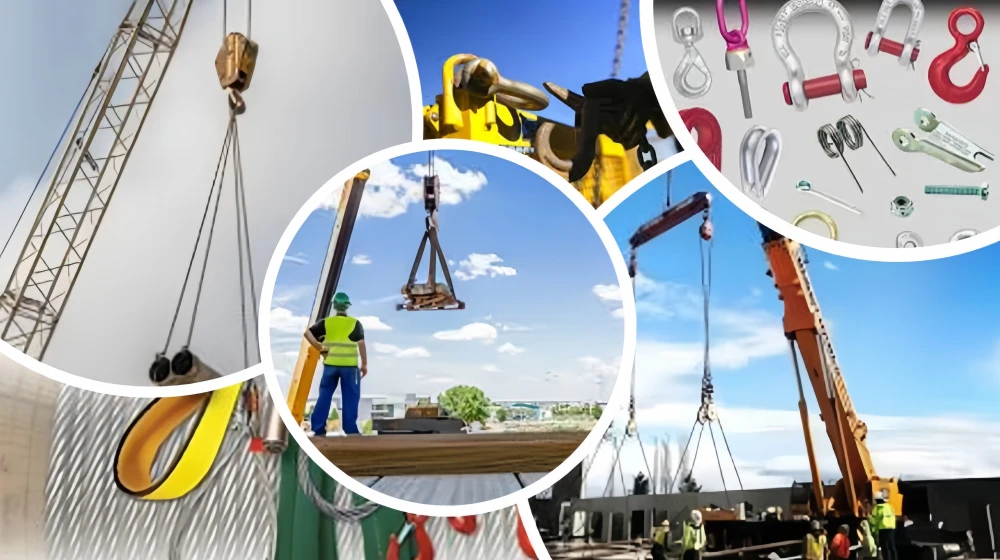
You need to choose the right tools for every hoisting and rigging job. Each type of equipment serves a specific purpose and helps you maintain control and safety during lifts. Common types include:
Manual hoists: Lever-actuated or hand-operated devices for versatile lifting tasks.
Electric hoists: Powered by electricity, these hoists lift heavier loads quickly and efficiently.
Air-powered hoists: Driven by compressed air, these are ideal for hazardous environments.
Slings, shackles, hooks, and wire ropes: Essential rigging components that connect and secure loads.
Selecting the correct equipment ensures the safe use of rigging equipment and reduces the risk of accidents.
Powerful Machinery Rigging Hardware
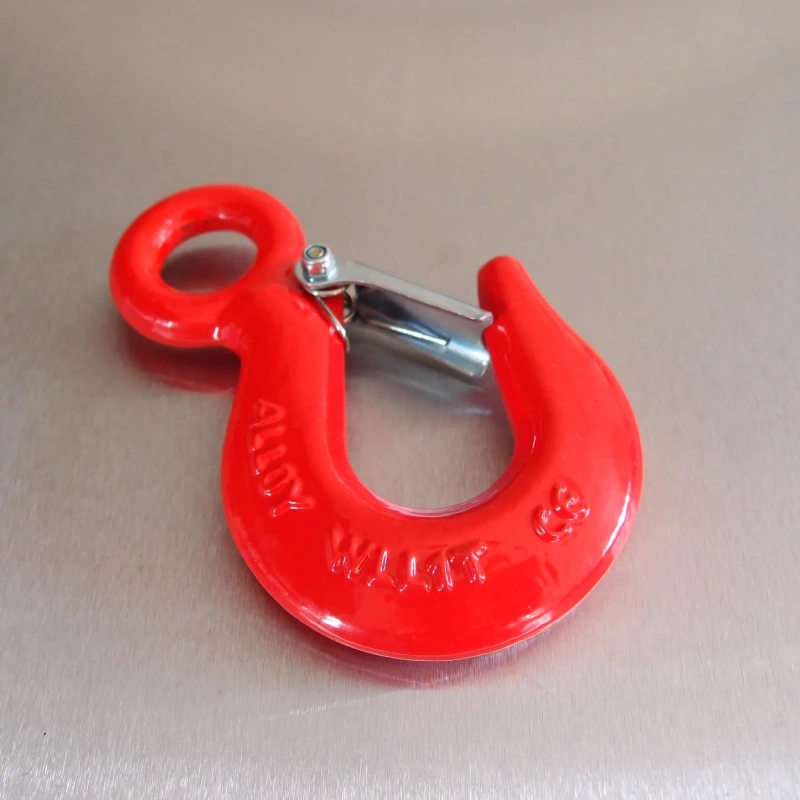
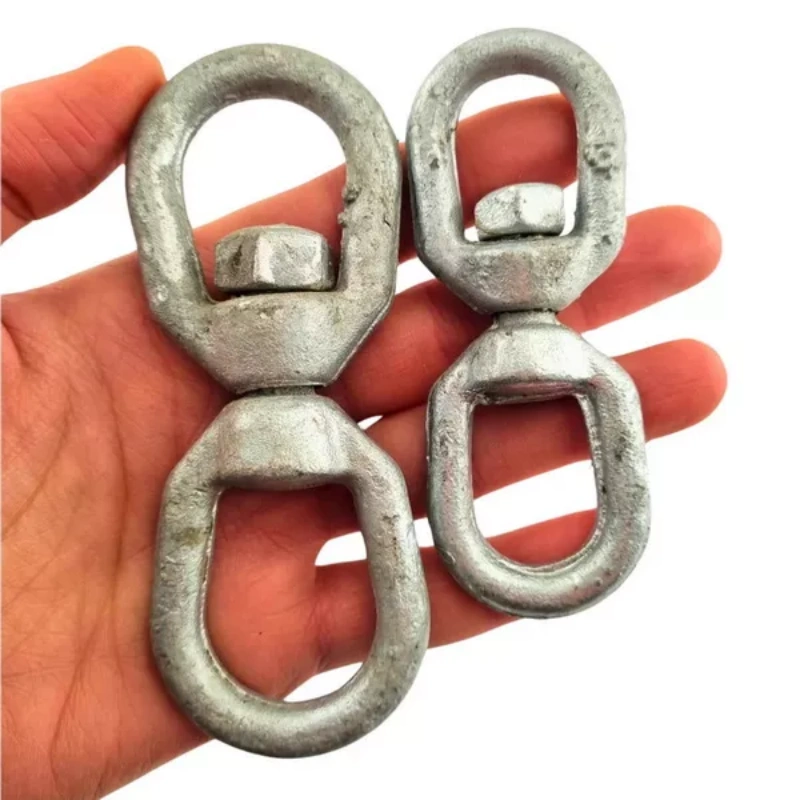
Powerful Machinery provides rigging hardware that meets strict industry standards. You can trust their products because each piece is certified and traceable. The hardware includes shackles, hooks, plate clamps, snatch blocks, and more.
These components support heavy loads and help you maintain control during hoisting operations.
Certification/Standard | Description |
|---|---|
OSHA | Sets rules for safe construction practices in 29 CFR 1926. |
ASME | Develops technical standards like the B30 series, requiring certified riggers for mobile cranes of 1 ton or more. |
ANSI | Accredits many standards in the rigging industry. |
CSA | Serves a similar role to ANSI in Canada. |
You benefit from using hardware that meets or exceeds these standards. Certified products help you comply with regulations and avoid legal penalties.
Powerful Machinery Rigging Equipment
You rely on rigging equipment to keep loads secure and balanced. Powerful Machinery designs its equipment for strength, reliability, and compliance. Proper rigging equipment reduces the risk of load slippage, tipping, or falling. Certified and traceable products ensure you meet safety requirements and simplify inspections.
Recent trends show that advanced rigging equipment now includes IoT-enabled sensors and real-time data analytics.
These innovations help you monitor loads and schedule maintenance, improving safety and reducing downtime. Automated inspection systems and dynamic load monitoring also enhance your ability to prevent accidents.
Note: Using certified, traceable rigging products like those from Powerful Machinery ensures compliance with health and safety regulations. Regular inspections and proper documentation help you avoid preventable accidents and costly downtime.
You should always inspect your lifting equipment before use and keep records up to date. This practice protects your team and your reputation in the industry.
Inspection and Maintenance
Inspection Types and Frequency
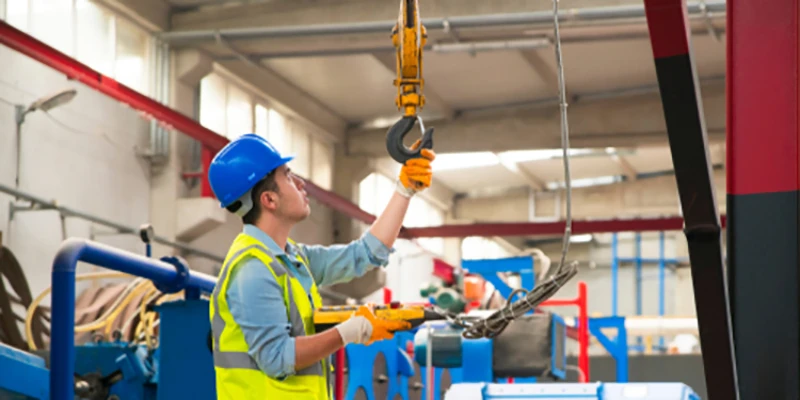
You must schedule routine inspections to keep your rigging safe and compliant. Regulatory bodies recommend different intervals based on service conditions and equipment use. The following table outlines the main types of rigging inspection and their recommended frequency:
Inspection Type | Frequency |
|---|---|
Periodic Inspection | Minimum every 12 months; more often (monthly to quarterly) for severe service. |
Frequent Inspection | Before any shift change or lifting application, before each use in severe service. |
Initial Inspection | Upon receiving new rigging products, verify ratings and condition. |
Routine inspections help you catch issues early and prevent accidents. Always perform a pre-use inspection before every lift, especially in demanding environments.
Inspection Targets and Checklists
You need a thorough checklist for every rigging inspection. Focus on these critical points:
Verify the total load, including all rigging components.
Confirm slings and hardware are rated for the intended load and lift angles.
Inspect slings for cuts, abrasion, corrosion, broken wires, or stretching.
Check shackles for cracks, deformation, damaged threads, or missing pins.
Examine hooks for deformation, excessive throat opening, and proper latch operation.
Ensure identification tags are present and legible.
Verify all connection points are properly aligned and fully engaged.
Powerful Machinery’s traceable products make it easier to track inspection history and confirm compliance.
Identifying Defects and Damage
During rigging inspection, you may find corrosion on wire ropes and hardware, broken wires, kinks, or deformation in cables. Improper or missing labels can delay your work.
Worn or damaged slings, shackles, and hooks are common reasons for removing equipment from service. Poor storage conditions also shorten the service life of your rigging gear. You must address these issues immediately to maintain safety.
Repair, Removal, and Storage
You should store all rigging gear in a dry, clean, climate-controlled area. Hang wire rope slings to prevent kinks, and coil synthetic slings neatly. Keep chains, shackles, and hooks in designated racks or bins. Avoid contact with chemicals, and protect synthetic materials from sunlight and heat.
Lubricate wire ropes and moving parts regularly. Rotate equipment use to distribute wear evenly. Clean all gear after use to remove dirt and chemicals. Always retire or repair any rigging that shows significant wear or damage. Following these steps extends the life of your equipment and keeps your team safe.
Hoisting and Rigging Safety Practices
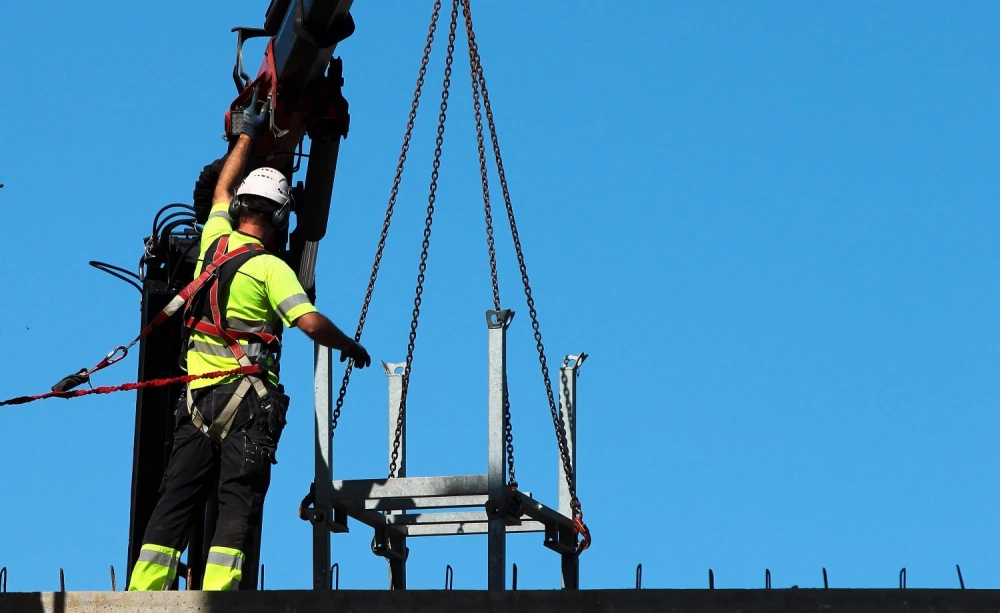
Load Calculations and Center of Gravity
You must calculate the load weight and determine the center of gravity before every lift. This step forms the foundation of hoisting and rigging safety. If you miscalculate, you increase the risk of tipping, dropping loads, or equipment failure. Use these methods to ensure accuracy:
Review crane load charts to find the maximum lifting capacity for your equipment.
Apply crane lifting load calculation formulas to estimate sling forces.
Identify the center of gravity by assessing the load’s shape and weight distribution.
Use load calculators to simplify complex computations.
Always include a safety factor to account for uncertainties.
You must never exceed the safe working load limit. This safety rule protects you and your team from rigging hazards. Proper load management is a core part of safe hoisting practices.
Work Environment and Common Hazards
You face many common hazards in hoisting and rigging work environments. These hazards can lead to serious injuries or fatalities if you do not follow proper rigging safety procedures. The following table highlights the percentage of fatalities related to cranes in different regions:
Source | Time Period | Percentage of Fatalities Related to Cranes |
|---|---|---|
Construction Safety Association of Ontario | 1969–1994 | 10% |
AFCC, New South Wales | 1987 | 12% |
You must stay alert to rigging hazards such as load failures, equipment malfunctions, and environmental factors. Human error and structural failures also contribute to accidents. Increased awareness of rigging components and common hazards reduces the risk of serious injuries.
Training and hazard recognition support OSHA compliance and help you avoid improper sling use.
Regular inspections and maintenance of all rigging equipment are essential. Osha requires that a competent person inspects slings, shackles, hooks, and other connectors before each shift.
Compliance with Standards and Manuals
You must follow regulatory standards and manuals to maintain hoisting and rigging safety. These rules guide your selection, inspection, and use of rigging equipment. The table below summarizes key requirements:
Regulation Section | Description |
|---|---|
15.30 Standards | All types of slings must meet ASME B30.9-2006 standards. |
15.31 Inspection | Visual inspection of slings and attachments before each shift is required. |
15.32 Fitting Prohibition | Makeshift couplers are not allowed unless certified by a professional engineer. |
15.36 Proof-testing | New or altered slings with welded attachments must be proof-tested. |
15.40 Slinging Loads | Slings must be selected to prevent slipping or overstressing. |
You must document inspections and follow OSHA, asme, and other standards. High compliance rates improve project delivery, reduce insurance premiums, and enhance your company’s safety reputation. Following manuals and standards also increases operational efficiency and helps you avoid costly violations.
Using Powerful Machinery Products for Rigging Safety
You can rely on Powerful Machinery to support your rigging safety goals. The company leads the industry with advanced solutions that ensure reliable performance in lifting operations.
Each product meets international standards and undergoes thorough testing to minimize defects. You benefit from certified equipment that withstands demanding environments and supports hazard management.
Powerful Machinery provides traceable rigging hardware and slings for easy inspection and compliance.
The company collaborates with clients to develop customized safety programs and training initiatives.
Their resources help you build a strong safety culture and protect lives during hoisting and rigging operations.
You must invest in quality equipment and ongoing training to reduce risk and prevent accidents. Powerful Machinery’s commitment to safety, reliability, and innovation makes them a trusted partner for all your rigging needs.
Communication and Hand Signals
Hoisting and Rigging Hand Signals
You must use standard hand signals to guide hoisting operations safely. These signals help you direct crane operators and ground crews without confusion. Every team member should know these signals before starting any lift.
Training programs often teach these signals with clear visuals and allow you to practice until you feel confident. You can learn at your own pace and receive a digital certificate when you complete the course.
The table below shows the most common hand signals used in hoisting and rigging:
Signal | Description |
|---|---|
Hoist | Raise one arm with your index finger pointing up, making small circles. |
Lower | Point one arm downward with your index finger, making small circles. |
Stop | Extend one arm to the side, palm down; use both arms for an emergency stop. |
Swing | Extend your arm in the direction you want the boom or load to swing. |
Boom | Move your arm to indicate boom movement, not load line adjustment. |
Tip: Always use the same hand signals on every jobsite. This practice keeps everyone on the same page and reduces the risk of mistakes.
Importance of Clear Communication
You must prioritize clear communication during hoisting and rigging tasks. Standardized protocols remove confusion and keep your team consistent, even when shifts change.
Pre-lift briefings help everyone understand their roles and responsibilities. When you use clear signals, you prevent delays and keep operations running smoothly.
Standardized communication protocols eliminate confusion and maintain consistency.
Pre-lift briefings ensure all personnel understand their roles, leading to smoother execution.
Clear signals from trained personnel prevent delays and enhance operational efficiency.
You build trust and safety when you communicate clearly. This approach reduces accidents and improves the outcome of every hoisting operation.
Training and Certification
Hoisting and Rigging Training Options
You need the right training to work safely with hoisting and rigging equipment. Many organizations offer programs that fit different learning styles and job requirements. You can choose from these options:
On-site training with hands-on simulations, such as those provided by ABC Central Texas.
Comprehensive courses for all rigging certification levels, including basic, intermediate, and advanced.
Online classes that cover OSHA compliance, led by experienced instructors.
Specialized programs for roles like rigger, signalperson, telehandler operator, and advanced crane operator.
These options help you build practical skills and knowledge. High completion rates show that hands-on and interactive methods work best. You must complete hoisting and rigging basic safety training before you start any lifting operation. A lack of training often leads to accidents and equipment misuse.
Certification and Competency
You must earn certification to prove your competency in rigging and hoisting. Certification programs follow standards set by OSHA, ASME, and ANSI. These programs include instructor-led training, hands-on evaluations, and written tests. You receive documentation that shows your skills meet industry requirements.
Certification Level | Typical Roles Covered | Validity Period |
|---|---|---|
Basic | Rigger, Signalperson | 5 years |
Intermediate | Millwright, Maintenance Tech | 5 years |
Advanced | Crane Operator, Foreman | 5 years |
Certification helps you qualify for more jobs and ensures you use equipment safely. Many employers require proof of certification for all rigging professionals.
Ongoing Education and Refresher Courses
You must keep your skills current with ongoing education. Most certifications last five years. After that, you need to renew your credentials. Refresher courses help you stay up to date with new equipment, technology, and safety rules.
You should attend continuing education classes and periodic renewals to maintain your certification.
Tip: Regular refresher courses help you avoid mistakes and keep your team safe. Staying informed about changes in standards and best practices protects you and your coworkers.
You build a safer workplace when you invest in training and ongoing education. This commitment reduces risk and supports compliance with industry standards.
Conclusion
You improve safety in lifting operations by following essential steps.
Develop detailed plans and use advanced tools like BIM and AI for hazard detection.
Inspect and maintain equipment regularly, and provide effective training and supervision.
Choose certified hardware from reliable brands such as Powerful Machinery, which ensures strict quality control and global expertise.
Continuous improvement and adherence to safety standards deliver lasting benefits:
Benefit | Description |
|---|---|
Reduced Incidents and Accidents | Fewer injuries and lower insurance costs. |
Increased Operational Efficiency | Projects stay on schedule, and resources are optimized. |
Improved Worker Confidence | Employees feel valued and secure. |
Regulatory Compliance | Enhanced reputation and new business opportunities. |
FAQ
What is the most important step before starting a lift?
You must inspect all rigging equipment and verify load calculations. This step prevents accidents and ensures compliance with safety standards.
How often should you inspect rigging hardware?
You should inspect rigging hardware before each use and schedule periodic inspections based on service conditions. Frequent checks help you catch defects early.
Why choose certified rigging products from Powerful Machinery?
Certified products from Powerful Machinery guarantee traceability, strength, and compliance. You reduce risk and simplify inspections by using equipment that meets international standards.
What should you do if you find damaged rigging equipment?
Remove damaged equipment from service immediately. Do not attempt repairs unless you have proper training and authorization. Always replace items that fail inspection.
Do you need formal training for hoisting and rigging?
Yes. You must complete hoisting and rigging basic safety training. This training teaches you safe practices, hazard recognition, and proper equipment use.