Before loosening a ratchet chain binder, make sure the cargo will remain stable when you release the tie-down. Check the release setting for your specific binder, then ease off tension in controlled strokes while staying clear of the handle and chain. Remove the hooks only when the chain is fully slack. If the load may shift or the binder jams under tension, stop and follow your unloading procedure.
Before You Release the Binder
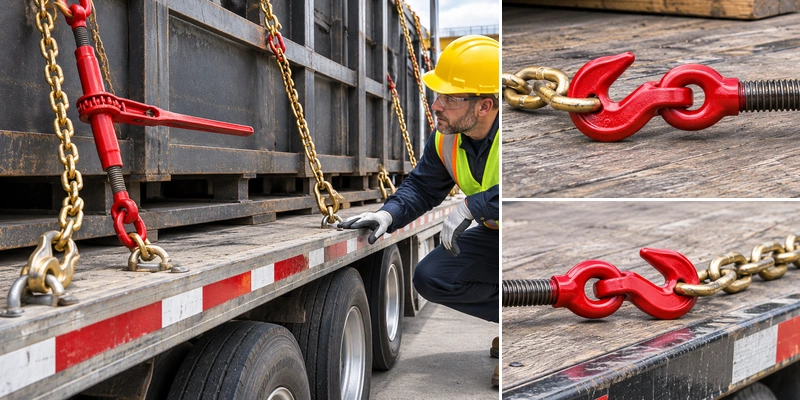
The binder keeps a transport chain under tension, but the chain may also be holding a shifted load in place. Walk around the vehicle before releasing any tiedown. Look for cargo that has leaned, settled, or shifted against a gate. Arrange any support the load needs and follow your unloading sequence. If you cannot tell whether it will remain stable, keep people clear and ask a qualified person to assess it.
Work from the ground with secure footing. Keep other people away from the load, chain, hooks, and handle path. Do not stand on or under the cargo, and do not put your face or hands over a tensioned binder. The WorkSafeNB load binder safety alert calls for inspecting the load before removing tiedowns, operating from the ground, and keeping clear of the handle.
Before moving the handle, visually check the binder and chain for a bent handle, distorted hooks, damaged links, damaged threads, or a visibly damaged pawl. Do not test a suspect mechanism while it is under tension. Wear the required protective equipment for your site. If the binder is damaged or already jammed, keep the area clear and follow your unloading procedure.
How to Release a Ratchet Chain Binder
Ratchet binders have different pawls, selectors, and release features. Use the markings and instructions for your exact model to confirm the selector position and handle motion. The following steps show when to check the load and when to stop.
Step 1: Identify the Release Setting for Your Binder
Find the manufacturer and model marking, then check how that binder switches from tightening to loosening. Some models have a reversible pawl marked in/out; others use a different selector or release feature. Confirm the position in the model instructions before moving the handle.
Do not assume that counterclockwise motion releases every ratchet binder. If you cannot identify the setting or the mechanism does not match the instructions, stop until you have the correct information.
Step 2: Relieve Chain Tension Gradually
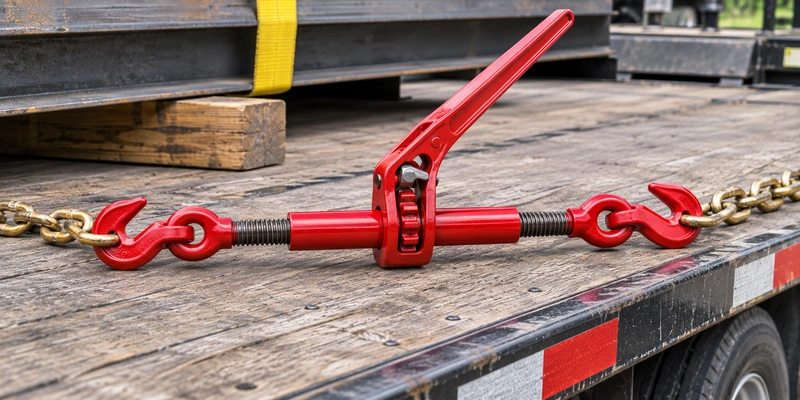
Keep your body out of the handle’s path and operate the binder in its specified release setting. Use controlled strokes, watching the chain and cargo after each movement. On a threaded ratchet binder, the end fittings move apart as the tie-down length increases. The travel limit depends on the model, so stay within its marked or documented range. Do not force a mechanism that stops moving.
Releasing tension in steps does not remove the stored energy from the tiedown at once. Stop if the handle jumps, the pawl slips, the chain moves unexpectedly, or the cargo begins to shift. Never use a pipe or handle extension to gain leverage.
Step 3: Check for Slack, Then Remove the Hooks
Continue the model-specified release motion until the chain is fully slack. Confirm that the cargo remains stable before putting a hand near a hook or link. Then remove the binder hooks and detach the chain from its anchor points as planned. If a hook is still pulled tight, do not pry it free.
If several tie-downs hold one item, follow the unloading sequence for that load and keep it supported throughout. The safe order depends on how the cargo is restrained. For attaching and tightening a binder, see our guide to using a ratchet chain binder.
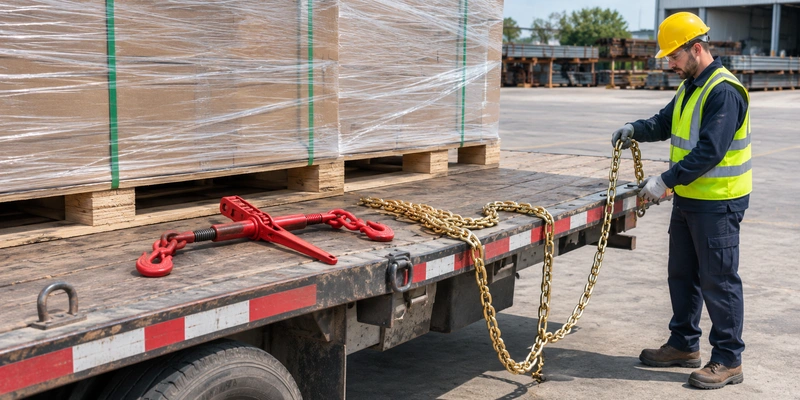
What If the Ratchet Binder Will Not Loosen?
Treat a jammed binder as tensioned until you can confirm that the chain is slack. Do not strike the handle, grip the pawl with pliers, add lubricant while forcing the mechanism, or extend the handle. Keep people clear. Follow your unloading procedure, secure the load, and have a qualified person plan the release.
A slipping pawl, distorted hook, or end fitting near its travel limit is another reason to stop. Once the load is secured and the binder has been safely unloaded, remove it from service for inspection. Clean or lubricate it only after unloading, following the manufacturer’s maintenance instructions.
After Removal: Inspect and Store the Binder
Before storage, check the unloaded binder and chain for cracked or bent parts, worn hooks, and damaged threads. Set aside anything questionable so it cannot be used by mistake. Clean and store usable equipment in a dry place where the threads and hooks will not be damaged. See our chain and binder storage guide for more detail.
Can You Release a Lever Binder the Same Way?
No. Lever binders use a different mechanism. Follow the instructions for the lever model rather than these ratchet steps. Our load binder use guide explains both types; the instructions for your specific model and your unloading procedure govern the release.
Need Ratchet Load Binders for Bulk Supply?
Powerful Machinery supplies ratchet and lever load binders for securing cargo with a transport chain. For a fleet, distributor, or OEM inquiry, send us the chain diameter and grade, required working load limit, quantity, and destination market through our chain binder product page. We can then review suitable models and documentation with you. Chain binders are for cargo securement, not overhead lifting.