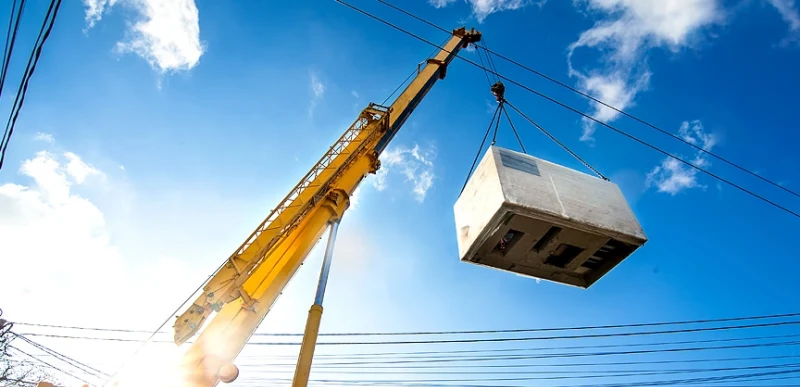
You encounter rigging in construction every time you see a crane lift massive steel beams or workers secure heavy loads for safe movement. Rigging forms the backbone of construction rigging operations, ensuring that every lift happens smoothly and without incident.
Skilled professionals use certified equipment to keep each project on track and protect everyone on site. Strict safety standards guide every step, making rigging essential for successful construction.
Key Takeaways
Understand the core principles of rigging: know load weight, select the correct hitch, manage sling angles, and match slings to the job.
Always inspect rigging equipment before use to prevent accidents and ensure safety on construction sites.
Choose the right rigging equipment based on load characteristics and site conditions to enhance efficiency and safety.
Continuous training and certification are essential for riggers to stay updated on safety standards and best practices.
Effective communication and proper PPE are crucial for maintaining safety during rigging operations.
Rigging in Construction Explained
Definition and Core Principles
You encounter rigging in construction whenever you see workers move heavy materials or equipment safely and efficiently. Rigging in construction refers to the process of lifting, moving, and securing loads using specialized equipment and techniques.
This process ensures that every load reaches its destination without causing harm or delays. You rely on rigging to keep your project on schedule and your team safe.
The core principles of safe rigging guide every operation on a construction site. You must follow these principles to prevent accidents and protect valuable assets:
Know the Load Weight
Always confirm the exact weight of the load before you begin lifting. This step helps you avoid exceeding the capacity of your equipment.Select the Correct Hitch
Choose the right hitch configuration for each lift. The correct hitch keeps the load stable and secure during movement.Account for Sling Angles and Tension
Understand how sling angles affect the tension on your rigging. Proper angle management prevents overload and equipment failure.Match the Sling to the Job
Select slings based on the material, environment, and load conditions. The right sling ensures safe and efficient handling.
You can trust Powerful Machinery to provide certified rigging solutions that support these principles. Their products undergo rigorous testing and meet international safety standards, giving you confidence in every lift.
Tip: Always inspect your rigging equipment before use. Regular checks help you spot wear or damage early, reducing the risk of accidents.
Applications in Construction Projects
Rigging plays a vital role in almost every phase of a construction project. You use construction rigging to move heavy equipment, position structural elements, and handle bulk materials. Each application requires careful planning and the right tools.
Application Area | Description |
|---|---|
Heavy Equipment Rigging | You ensure safe handling of heavy materials, which is crucial for erecting steel frameworks and placing massive beams. |
Lifting Construction Equipment | You lift cranes, bulldozers, and precast concrete elements, maintaining structural stability on site. |
Specialized Techniques | You employ advanced methods to navigate challenging site conditions or confined spaces, minimizing downtime. |
You analyze the size, weight, and shape of each load. You determine the best rigging method and select the right equipment for the job. Your work keeps the site balanced and prevents accidents.
Construction rigging also helps you move bulk supplies and heavy loads around the site. You evaluate each lifting requirement and choose gear that matches the load’s weight and size. This approach ensures both efficiency and safety.
When you choose Powerful Machinery, you benefit from equipment that undergoes thorough testing and regular inspections. Their commitment to quality and compliance with international standards, such as ISO9001 and OSHA, means you can trust their products in the most demanding environments.
You keep your project running smoothly and your team protected with reliable, certified rigging solutions.
Roles of Rigging Professionals
Key Responsibilities
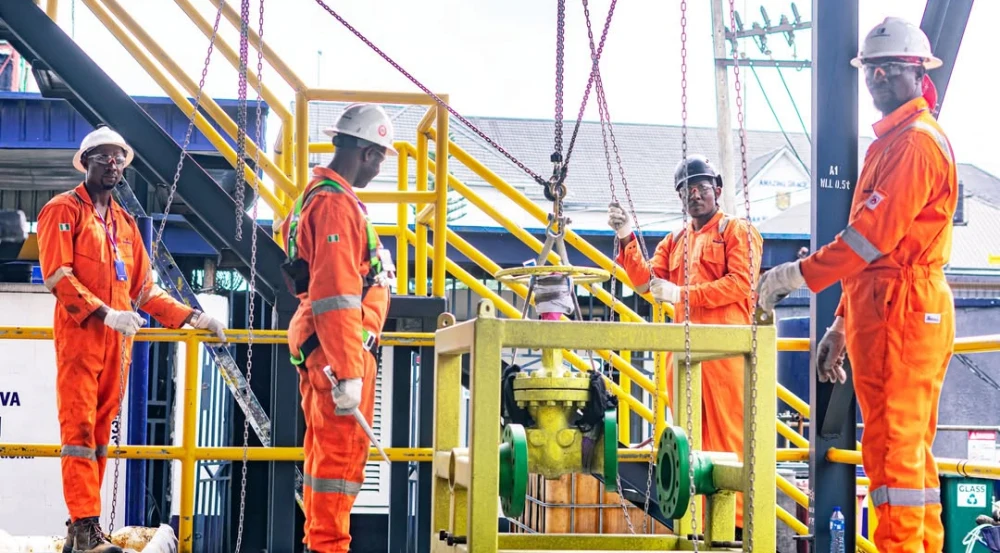
You play a vital role in every construction project when you work as a rigger. Your expertise ensures that each lift happens safely and efficiently. The importance of rigging becomes clear when you see how many tasks depend on your skills. You must assess loads, plan lifts, and inspect equipment before any operation begins.
You also monitor safety and communicate with crane operators to keep everyone informed.
Load assessment helps you determine the weight and shape of every item.
Rigging planning allows you to select the right gear for each job.
Equipment inspection ensures that all hardware meets safety standards.
Safety monitoring keeps the site secure during lifts.
Communication with operators guarantees smooth and controlled movements.
You work alongside other professionals, each with specific responsibilities. The table below shows how different roles contribute to safe rigging operations:
Role | Responsibilities |
|---|---|
Operator | Operates lifting equipment, performs inspections, and maintains equipment. |
Rigger | Attaches and detaches loads, ensures proper rigging procedures are followed, and checks equipment for safety. |
Signal Person | Communicates with the operator, ensures safe load movement, and must be qualified in hand signals. |
Powerful Machinery supports you by providing certified equipment that meets international standards. You rely on their products to perform your job with confidence and precision.
Note: Regular training and access to high-quality gear help you maintain safety and efficiency on every construction site.
Skills and Expertise
You need a wide range of skills to master rigging techniques and operate heavy machinery safely. Your ability to calculate load weights and determine stability sets you apart as a rigging professional. You must know how to select slings, understand working load limits, and inspect equipment for defects.
You also apply proper hitching methods and use load-spreading devices to keep lifts secure.
The table below highlights the specialized skills you use every day:
Skill Category | Specific Skills |
|---|---|
Load Assessment and Planning | Calculating load weights, dimensions, and center of gravity, and determining load stability. |
Rigging Equipment Expertise | Selecting appropriate slings, understanding Working Load Limits, and performing equipment inspections. |
Rigging Techniques and Methods | Applying proper hitching techniques, understanding sling angles, and using load-spreading devices. |
Communication and Coordination | Using hand signals, coordinating with crane operators, and conducting safety briefings. |
Regulatory Compliance | Understanding OSHA requirements, ASME standards, and local safety regulations. |
You benefit from training programs that combine classroom instruction with hands-on practice. Powerful Machinery offers equipment and support that help you develop these skills and stay current with industry standards. You keep your team safe and your project on track by mastering every aspect of rigging.
Construction Rigging Equipment & Techniques
Cranes, Hoists, and Heavy Machinery
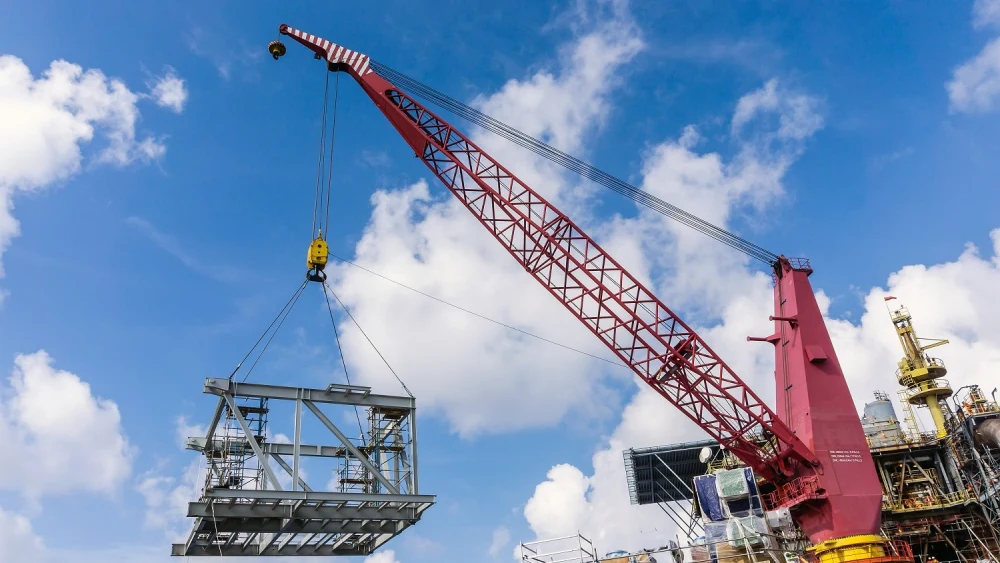
You rely on cranes and hoists for most construction rigging tasks. Cranes come in two main types: static cranes, which stay in one place for large projects, and mobile cranes, which move around the site for flexible lifting. You use hoists that lift loads with chains or wire ropes.
Manual hoists work well in areas without electricity and handle lighter loads. Electric hoists provide speed and control for industrial lifting. Pneumatic hoists use compressed air and suit high-cycle environments or hazardous locations.
Modern heavy machinery includes safety features like self-driving cranes, automated lift controls, and synchronized lifting systems. These features help you prevent injuries and reduce human error during lifting heavy materials.
Tip: Always check weather reports and use drones for inspecting rigging connections in hard-to-reach places.
Slings, Shackles, and Hooks
You use a variety of rigging equipment to connect and secure loads. Slings are flexible devices that attach loads to cranes. Wire rope slings offer strength and durability for lifting heavy objects. Chain slings handle high temperatures and heavy-duty lifting.
Synthetic web slings are lightweight and color-coded for easy identification. Round slings work well for delicate loads. Shackles connect hooks, slings, and loads. Anchor shackles handle multi-directional loads, while chain shackles work for straight pulls. Hooks fasten loads to rigging assemblies.
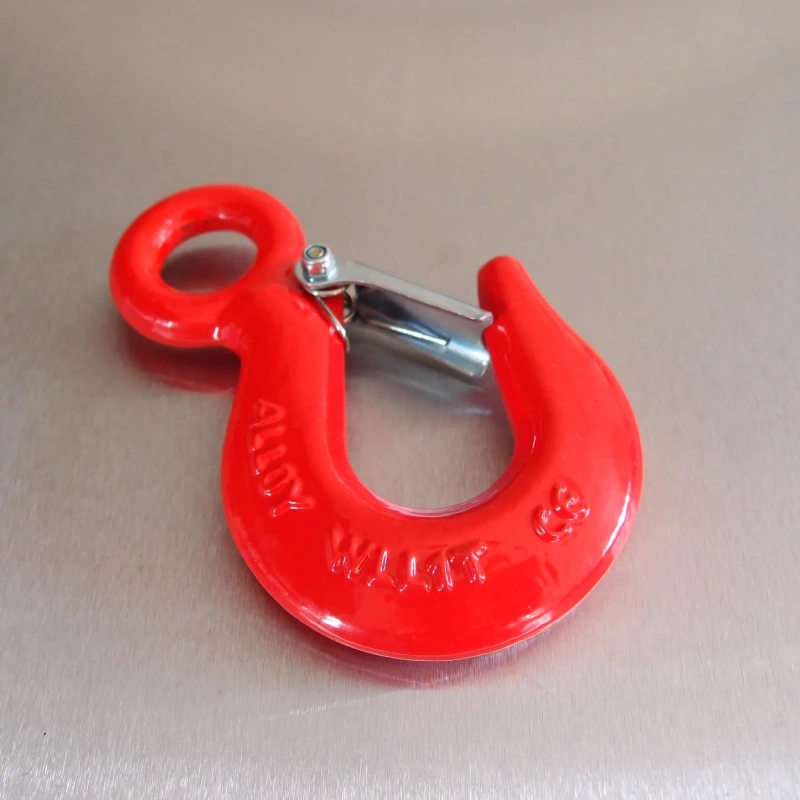
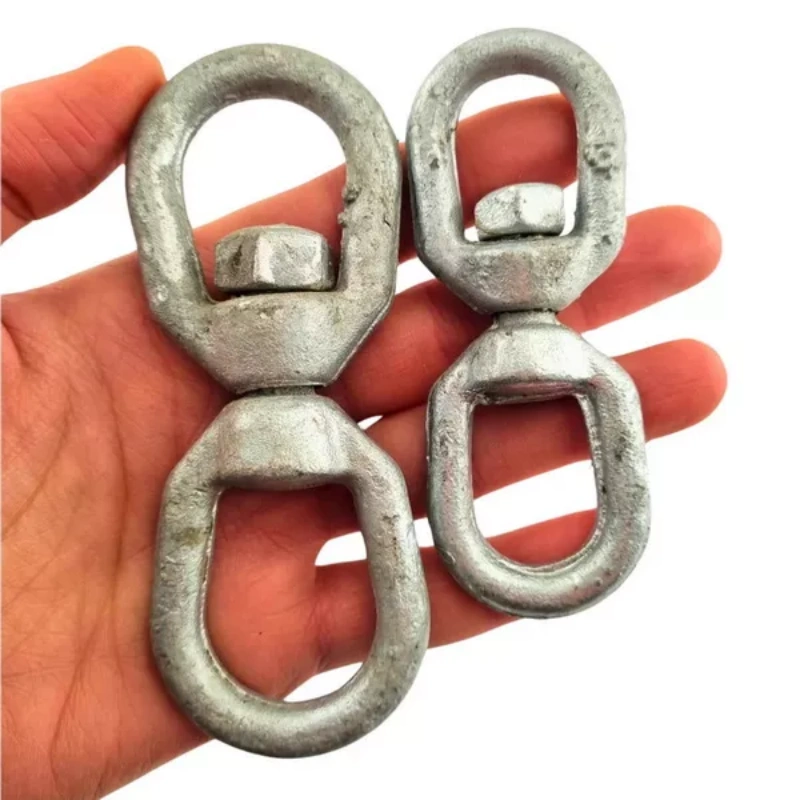
Eye hooks provide permanent connections, clevis hooks allow quick changes, and swivel hooks prevent twisting. Powerful Machinery supplies certified slings, shackles, and hooks that meet strict safety standards.
Load Calculations and Methods
You must calculate load weights and lifting capacities before every lift. Start by checking for identification marks or documentation that shows the load’s weight. Use a weighbridge or industrial scale if needed. Measure the distance from the crane’s center to the load, and check the boom length and angle.
Consult load charts to confirm the crane’s maximum lifting capacity. Always assess ground and weather conditions to ensure safe lifting. Mistakes in load calculations cause many crane accidents and can lead to costly delays.
Using certified rigging equipment from Powerful Machinery helps you prevent accidents and keep your construction project on track.
Safety in Rigging Operations
Load Assessment and Inspection
You protect your team and equipment by following strict safety protocols during every rigging operation. Start with a thorough load assessment and inspection. Before each use, check all rigging equipment for wear, damage, or corrosion. Trained personnel must handle these inspections and keep accurate records.
You should set a regular inspection schedule based on how often you use the equipment and the conditions on your construction site.
Inspect all rigging gear before use.
Make sure only trained workers perform inspections.
Record inspection dates, findings, and actions.
Schedule regular checks, especially for equipment in harsh environments.
Replace any equipment that shows signs of damage.
You also need to perform visual inspections and periodic load tests. Assign these tasks to qualified inspectors. Open communication about equipment issues helps you catch problems early.
Powerful Machinery supports your safety in rigging by providing certified products with full traceability and essential documentation for audits.
PPE and Communication
You must wear proper PPE, such as helmets, gloves, and safety boots, to reduce the risk of injury. Clear communication is just as important as protective gear. You hold pre-job briefings to clarify roles and discuss hazards.
Standardized hand signals and radio communication help you coordinate lifts and avoid misunderstandings. Visual aids can help new team members understand procedures. Regular feedback sessions improve your team’s communication and keep everyone alert to changing site conditions.
Effective communication and the right PPE form the backbone of safety practices in rigging operations.
Regulatory Compliance
You follow strict safety protocols to meet local and international safety standards. In the United States, OSHA oversees workplace safety, including rigging. ASME sets standards for rigging equipment. In Canada, each province has its own regulations for construction safety. The table below shows some key regulatory bodies:
Regulatory Body | Description |
|---|---|
OSHA | Oversees workplace safety standards in the U.S., including rigging safety. |
ASME | Sets standards for rigging equipment and procedures. |
Canadian Regulations | Governed at the provincial level, with specific safety codes. |
Powerful Machinery ensures compliance with international safety certifications, such as ASME and EN. You receive products with full material traceability and the documentation needed for project sign-offs and safety audits.
By choosing certified equipment and following safety protocols, you demonstrate the importance of safety in every construction project.
Certification & Training for Riggers
Training Pathways
You start your journey as a construction rigger by choosing a recognized training pathway. Each option prepares you for the demands of the job and helps you build the expertise needed for safe rigging operations. The table below outlines the main certification options for construction riggers:
Certification Type | Description | Key Features |
|---|---|---|
NCCCO Rigging Certification | Recognized for rigging and signal operations in the U.S. | Written and practical exams, valid for five years, are required for high-risk jobs |
ITI Qualification (Non-Cert.) | Proof of rigging competency, not nationally accredited | Aligns with OSHA, ASME, and ANSI; hands-on evaluations |
NCCER Rigging Certification | Part of a broader construction curriculum | Emphasizes skill progression, used in apprenticeships |
You gain hands-on experience with certified equipment during training. Workshops cover sling angles, tension calculations, and knot tying. You practice these skills under the supervision of experienced riggers, ensuring you are ready for real-world challenges.
Powerful Machinery supports your training by providing certified rigging equipment that meets international standards.
Licensing and Renewal
To work as a construction rigger, you must meet strict licensing requirements. You need to be at least 18 years old and hold a high school diploma or GED. You enroll in a CCO-accredited rigger training program and pass both written and practical exams.
Certification remains valid for five years, and you must complete recertification at least 12 months before expiration. Some courses, like the OSHA Competent Person Rigging Course, require renewal every two years. You must document your credentials and comply with OSHA and ASME B30.5 standards.
Standardized training and testing ensure you maintain competency and safety on every job.
Ongoing Education
You keep your skills sharp through ongoing education. Courses like Rigging Fundamentals from ASCE help you stay updated on best practices. Investing in proper training reduces accidents and downtime, saving your company money and improving efficiency.
You can enroll in an advanced rigger certification course to deepen your knowledge and expand your job opportunities. Using certified equipment from Powerful Machinery during ongoing training ensures you practice with reliable tools, reinforcing safe habits for all construction riggers.
Tip: Ongoing training and certification keep you competitive and ensure you meet the highest safety standards as a construction rigger.
Conclusion
You play a crucial role in keeping every construction site safe and efficient. Skilled professionals and certified equipment form the backbone of professional rigging services. When you invest in ongoing training, you help reduce accidents and protect your team.
A Cal-OSHA study showed an 80% drop in crane-related fatalities after operator certification.
In Ontario, Canada, enhanced training led to an 80% decrease in crane deaths and a 50% reduction in rigging accidents.
“Crane safety is greatly enhanced when operators are skilled and knowledgeable in the areas of safe operations, proper setup, correct site evaluation, crane inspection, knowing when components and controls are not in good working order ,and when operators know how to accurately determine capacity.” – Debbie Dickinson, Executive Director of Crane Institute of America Certification (CIC)
• Continuous training keeps you ahead of changes on the construction site.
• Effective programs combine OSHA rules with hands-on learning.
• Companies that focus on education build safer construction sites and protect their teams.
Choose trusted brands like Powerful Machinery for reliable rigging solutions. Always put safety and expertise first on every construction site.
FAQ
What is the most important safety step in rigging?
You must inspect all rigging equipment before each use. Look for signs of wear, damage, or corrosion. This step helps you prevent accidents and ensures every lift meets safety standards.
How do you choose the right sling for a job?
You select a sling based on load weight, shape, and environment. Chain slings work for heavy, hot loads. Wire rope slings suit rugged conditions. Synthetic slings handle delicate or irregular shapes.
Tip: Always check the sling’s working load limit before use.
Why do you need certified rigging equipment?
Certified equipment meets international safety standards. You reduce risk and improve reliability when you use certified gear. Powerful Machinery provides products with full certification and traceability.
How often should you renew your rigging certification?
You renew most rigging certifications every five years. Some specialized courses require renewal every two years. Regular renewal keeps your skills current and ensures compliance with safety regulations.
Can you use the same rigging gear for every lift?
You should not use the same gear for every lift. Each load requires specific equipment. You must match the sling, hook, and shackle to the load’s weight and shape for safe handling.