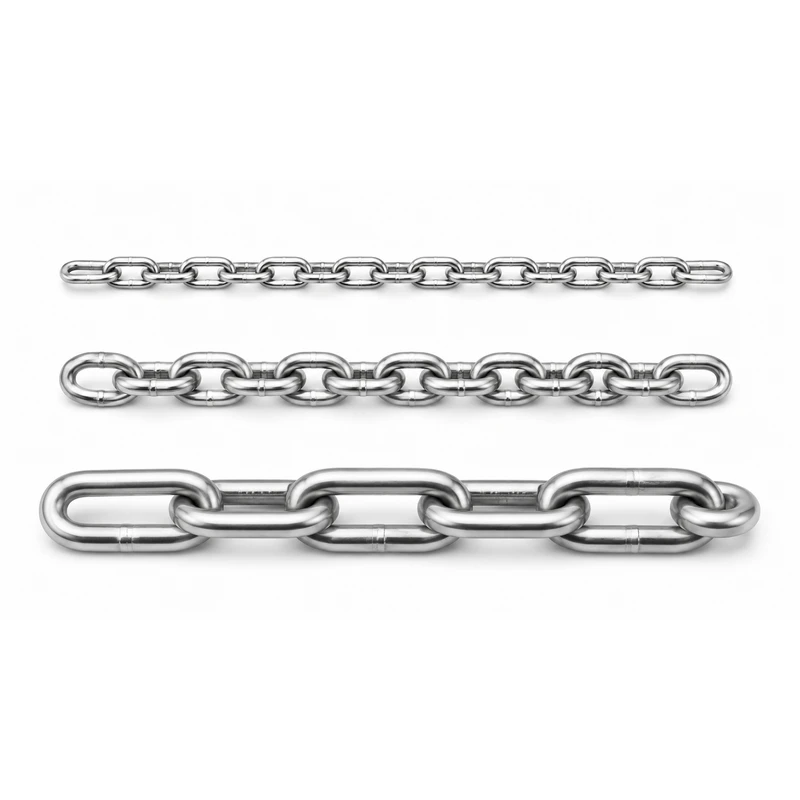
A chain block is a hand-operated hoist used to raise or lower a freely suspended load. It is also known as a manual chain hoist, hand chain hoist, or chain pulley block. This guide covers vertical lifting using a hand chain. It does not cover electric chain hoists, lever hoists, horizontal pulling, lifting people, or engineered multi-hoist lifts.
For broader operating guidance covering different types of manual lifting equipment, see how to use a manual hoist safely.
Before starting, identify the exact hoist, read the current manufacturer’s instructions, and follow the lift plan, site procedures, and applicable requirements. If you are comparing equipment or need a product-specific manual, review the manual chain block range and confirm the model shown on the nameplate.
Before You Use a Chain Block
1. Confirm the Hoist Is Right for the Task
Read the nameplate and confirm the rated load, lift height, model, and intended use. Know the load weight before lifting, and ensure that no component in the complete lifting arrangement is loaded beyond its verified rating. Do not treat an overload device, if fitted, as a weighing device. The operator must be trained and authorized for the equipment and task.
2. Verify the Suspension Point and Lifting Path
Use a support, trolley, beam clamp, or other suspension arrangement that has been selected and verified for the load and the forces produced by the lift. Position the hoist directly above the load so the load chain can remain straight from hook to hook. Clear the lifting and landing paths, establish a controlled area, and keep people away from the suspended load.
3. Complete the Required Pre-Use Inspection
Check the nameplate, suspension, hooks, latches, load chain, hand chain, body, fasteners, and operating response. Confirm that the chains are correctly seated and reeved as applicable, and are free from twists, knots, weld damage, severe corrosion, or other visible defects. Use the chain block inspection checklist for the complete inspection procedure and the exact model instructions for measurement methods and discard criteria.
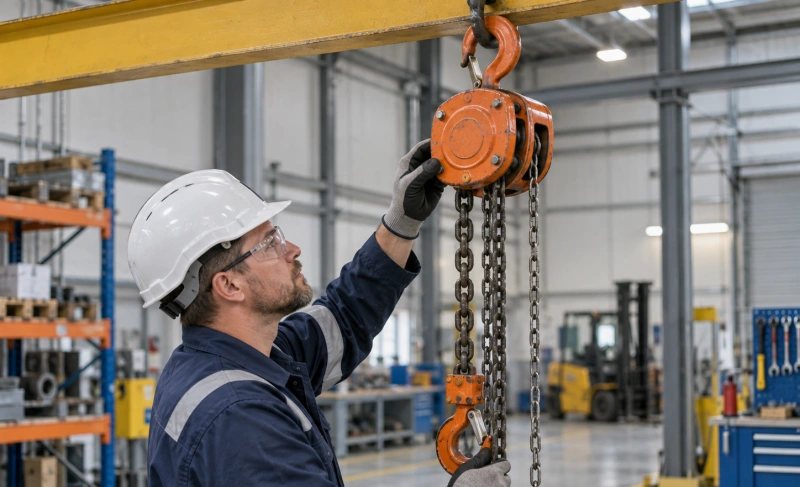
Do not use a hoist with an out-of-service tag, unreadable identification, missing parts, abnormal brake operation, or evidence of unauthorized alteration. PPE requirements should be determined by the site risk assessment; one generic PPE list is not appropriate for every workplace.
How to Set Up the Load?
1. Place the chain block vertically above the load. Avoid side pulling, dragging, and any setup that applies angular loading to the hoist body or hooks.
2. Attach appropriately rated rigging that is suitable for the load. Seat the suspension and rigging correctly in the hook saddles. Never tip-load a hook, and never rely on the latch to carry or secure the load.
3. Keep the load chain straight and correctly engaged with the chain wheel. Never wrap the hoist load chain around the load or use it as a sling.
4. Take up slack slowly. Confirm that every attachment remains seated, the load is balanced, the chain is free of snags, and the support remains stable.
5. If the exact operating procedure permits, raise the load only far enough to confirm balance and load-holding action before continuing. Stop if the load shifts, the brake slips, or the arrangement changes.
How to Lift with the Hand Chain?
Stand on firm footing where you can pull the hand chain without entering the load path or a pinch point. Keep hands, clothing, and loose items away from chain wheels, sheaves, and moving chain. Use the operating direction marked on the hoist and follow the instructions for the exact model; do not assume that every chain block uses the same clockwise or counterclockwise direction.
Pull the hand chain smoothly and steadily. Monitor the load, hook seating, rigging, chain, and suspension point throughout the lift. Keep the load under control and prevent swinging. Use the communication method defined in the lift plan when more than one person is involved, and stop if instructions are unclear.
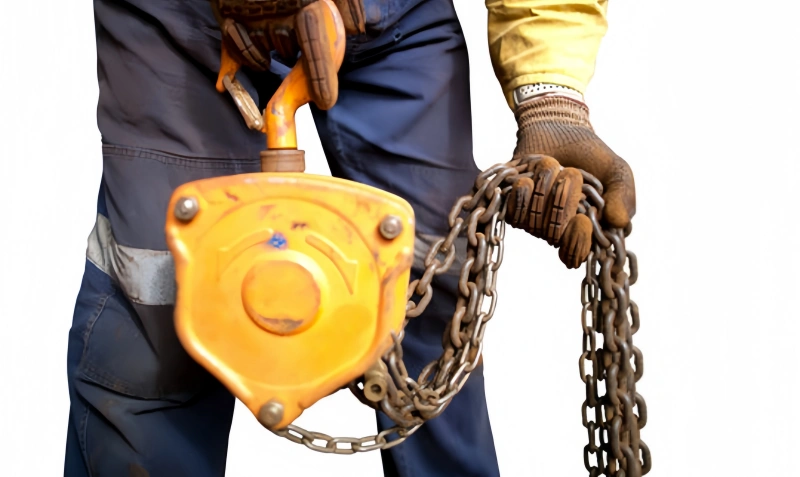
Do not jerk the hand chain, shock-load the hoist, use a cheater bar, add operators to overcome resistance, or force a hand chain that will not move normally. A chain block should never be used to lift, support, or transport a person, and no one may stand or pass beneath a suspended load.
How to Lower and Remove the Load?
1. Confirm that the landing area is clear, stable, and able to support the load.
2. Use the model-marked lowering direction and pull the hand chain smoothly. Control the load; do not let it free-fall, swing, or strike an obstruction.
3. Lower until the load is fully supported and stable. Do not leave a suspended load unattended.
4. Release chain tension gradually. Remove the rigging only after the load can no longer move, tip, or roll.
5. Inspect the hoist after an abnormal event or unusually demanding lift, and record any defect or stop-use decision.
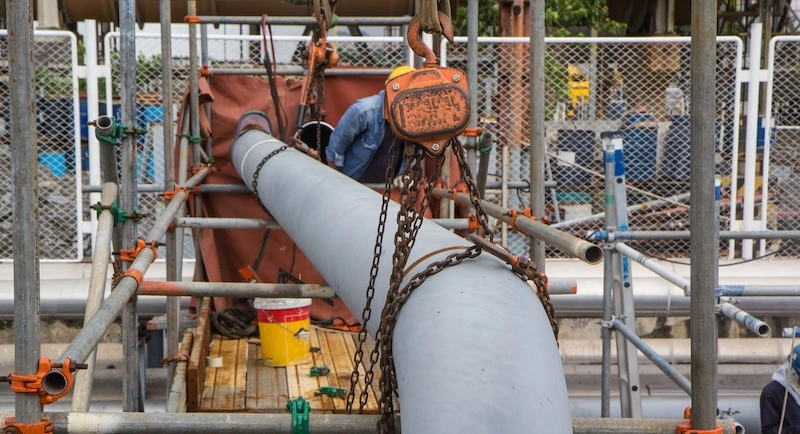
Stop Immediately If Something Changes
Stop the lift if any of the following conditions occur. If the approved procedure permits it and doing so does not increase risk, land the load in a controlled manner. Then tag or isolate the hoist and obtain a qualified assessment.
- The hand chain becomes unusually hard to pull, binds, jumps, or runs irregularly.
- The load slips, drifts, or will not hold when the operator stops pulling.
- You hear a new click, scrape, crack, or other abnormal sound.
- The load, hoist, or suspension tilts; rigging moves toward a hook tip; or the load begins to swing.
- The load chain twists, snags, becomes misreeved, or fails to enter the chain wheel normally.
- A person enters the controlled area, the travel path is blocked, or communication is lost.
- You see damage, a missing part, a loose fastener, an unreadable rating, or evidence of overload.
Never Use a Chain Block This Way
- Never lift more than the marked rated load or use the hoist when the load weight is unknown.
- Never side-pull, drag a load, or use a standard chain block for horizontal pulling unless the manufacturer expressly designed and approved that exact model for the application.
- Never wrap the load chain around the load, shorten it with knots or bolts, or use it as a sling.
- Never tip-load a hook, apply load to a latch, or use damaged or incompatible rigging.
- Never lift or support people, lift loads over people, or leave a suspended load unattended.
- Never shock-load the hoist, weld or cut on a suspended load, or use the load as a welding ground.
- Never lengthen, heat, straighten, grind, weld, or field-repair the load chain or hook.
- Never open, adjust, or repair the brake or internal mechanism unless the work is performed under an approved procedure by competent personnel using approved parts.
After the Lift
Land the load, release tension, and check the hoist for damage or unusual operation. Clean and protect it only using the model-approved method. Follow the chain block maintenance guide for preventive care and the chain block storage guide before placing the unit in storage.
A defect is not corrected by lubrication or another trial lift. Mark or isolate the unit so it cannot be used by mistake. A qualified person must determine whether it can be serviced, repaired, or retired, and what inspection or testing is required before service return.
FAQ
Which Direction Should I Pull the Hand Chain?
Follow the raise/lower markings and the current manual for the exact model. A universal clockwise or counterclockwise rule cannot be confirmed for every chain block and mounting orientation.
Can I Use a Chain Block Horizontally?
A standard hand chain block is intended for vertical lifting and lowering. Do not use it for horizontal pulling unless the manufacturer explicitly approves that exact model and application. Use equipment designed for pulling when the task is horizontal.
Can the Load Chain Be Wrapped Around the Load?
No. Use suitable rated rigging between the load and the bottom hook. The hoist load chain must remain correctly reeved through the mechanism and straight from hook to hook.
What Should I Do If the Hand Chain Is Hard to Pull?
Stop. Do not add force or another operator. Check for an overloaded or snagged load, side pull, a twisted chain, or obstructed travel without entering the danger zone. Land the load safely under the approved procedure and isolate the hoist if normal operation is not restored.
Can Anyone Stand Under the Load?
No. Keep people out of the load path and never lift a load over people. The controlled area should remain clear until the load is landed and stable.
How Do I Choose the Right Capacity?
Know the load weight and the forces in the planned arrangement. Select a hoist, suspension, and rigging system so that no verified rating is exceeded. Do not apply an arbitrary additional percentage as a substitute for lift planning.
Need Model-Specific Instructions?
Operating direction, load-chain measurement methods, hook discard criteria, lubricants, inspection intervals, and post-repair testing are model-specific. These details cannot be confirmed from a general product catalogue alone. Contact Powerful Machinery with the model, serial, or nameplate details before applying a model-specific value or performing technical service.