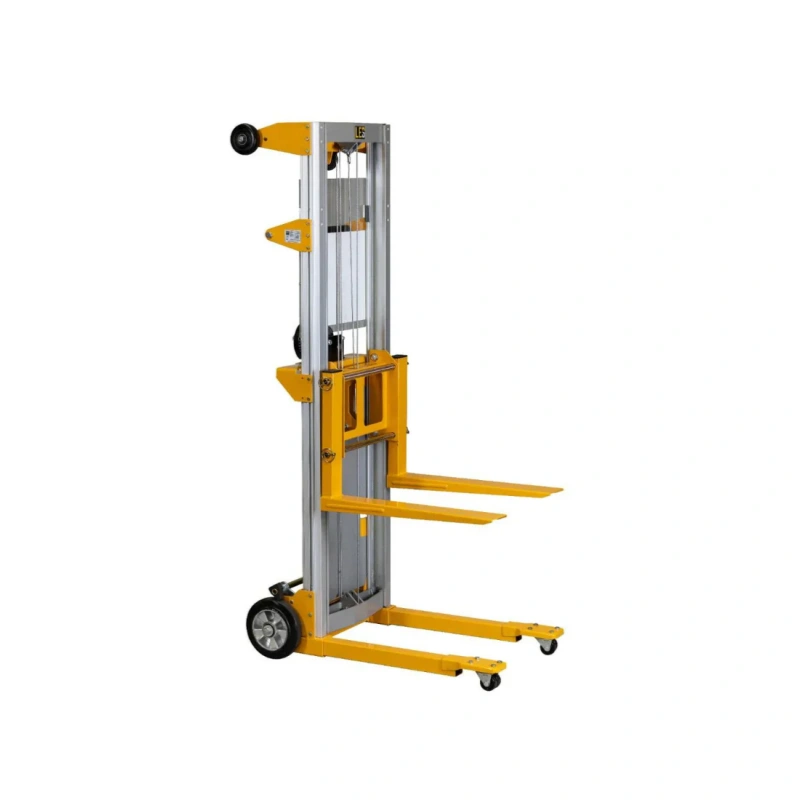
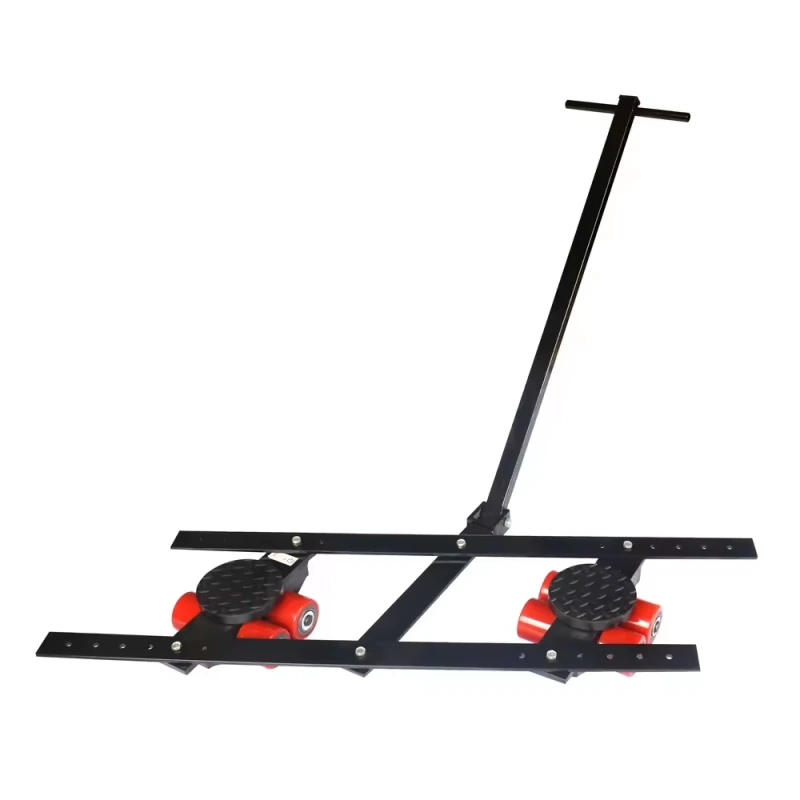
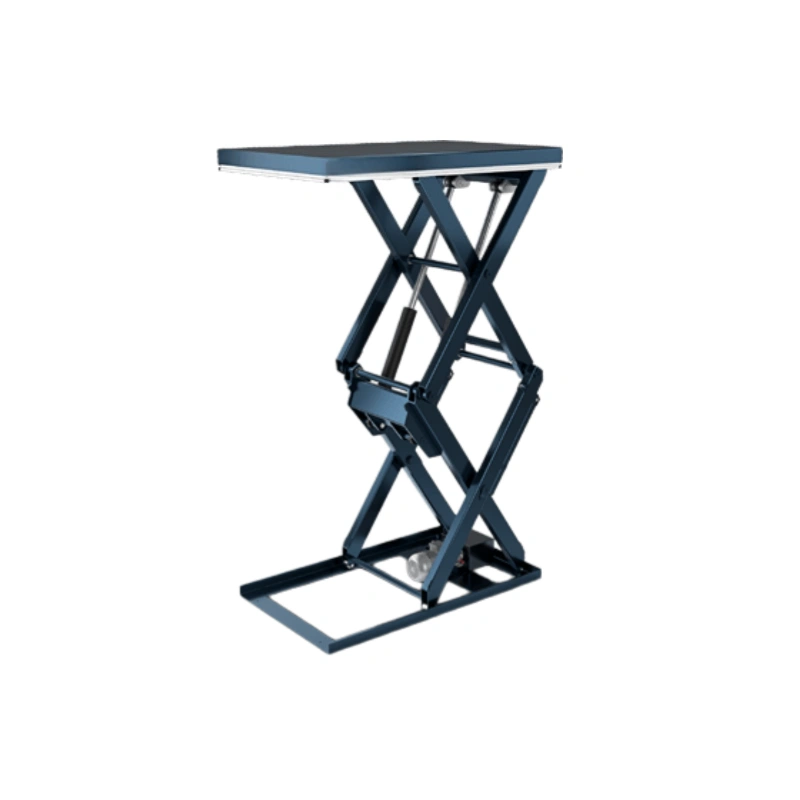
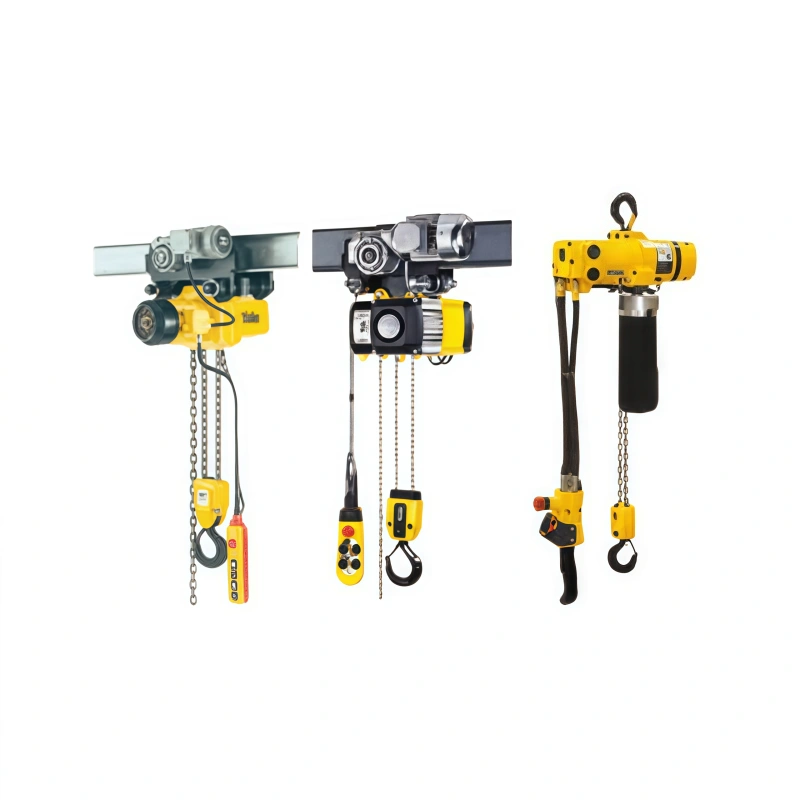
Industrial material handling equipment solutions play a vital role in today’s factories, warehouses, and job sites. These solutions help you move, lift, and store heavy loads with greater speed and safety.
The global market for industrial material handling equipment solutions is expected to reach USD 227.5 billion in 2024 and grow to USD 392.1 billion by 2035. Choosing the right equipment can boost efficiency, lower injury risks, and increase productivity by reducing manual labor.
Powerful Machinery delivers certified, high-performance material handling solutions that support your warehouse storage solutions and daily operations.
Key Takeaways
Material handling equipment boosts efficiency and safety in industrial settings.
Choosing the right equipment reduces manual labor and injury risks.
Regular maintenance ensures equipment reliability and longevity.
Customized solutions meet specific operational needs and improve productivity.
Investing in quality equipment leads to long-term cost savings and support.
Types of Material Handling Equipment
Material handling equipment forms the backbone of efficient industrial operations. You can find a wide range of solutions designed to move, lift, and store materials safely and efficiently.
Powerful Machinery offers a comprehensive selection of material handling systems, each engineered to meet the demands of modern industry. The following table outlines the main categories and their distinguishing features:
Category | Distinguishing Features |
|---|---|
Storage and Handling Equipment | Improves workflows, enhances safety, and organizes products both vertically and horizontally. Examples: pallets, racks, shelving units. |
Industrial Trucks and Machines | Moves, loads, and unloads materials, reducing physical strain. Examples: forklifts, pallet jacks, order pickers. |
Bulk Material Handling Equipment | Transports and stores large quantities of bulk materials efficiently. Examples: conveyor belts, hoppers. |
Lift Tables & Pallet Jacks

Lift tables and pallet jacks are essential tools in any material handling environment. You use pallet jacks to move palletized goods quickly within warehouses, which streamlines workflow and reduces manual effort.
Lift tables allow you to raise heavy items to comfortable working heights, minimizing physical strain and lowering the risk of injury.
Pallet jacks come in manual and electric variants, offering simple and versatile operation.
Lift tables feature hydraulic or electric mechanisms for ergonomic and adjustable lifting.
Both types of equipment require proper training for safe use and load capacity awareness.
Tip: Businesses that implement ergonomic lifting equipment, such as the PT series, often see up to a 30% decrease in workplace injuries and a 25% increase in employee satisfaction.
Feature/Application | Pallet Jacks | Lift Tables |
|---|---|---|
Function | Moving palletized goods | Lifting and positioning items |
Variants | Manual and electric | Hydraulic and electric |
Operation | Simple and versatile | Ergonomic and adjustable |
Load Capacity | Essential for safety | Critical for heavy loads |
Training | Needed for safe use | Important for operation |
You can rely on Powerful Machinery’s lift tables and pallet jacks to improve workflow, reduce manual handling, and create a safer work environment.
Hoisting Equipment & Attachments
Lifting equipment, such as hoists, chains, and specialized attachments, plays a critical role in material handling systems. You use these tools to lift, lower, and position heavy loads with precision.
Powerful Machinery manufactures certified lifting equipment, including high-tensile chains, hooks, shackles, and master links, all designed for demanding industrial tasks.
Hoisting equipment supports both manual and electric operation, giving you flexibility for different applications.
Attachments like forklift extensions and custom hooks adapt to unique handling needs.
All lifting equipment must comply with strict safety standards, including visible rated capacities and proper mounting of steering knobs.
Note: Only authorized personnel should operate lifting equipment. Regular inspection and adherence to safety standards ensure reliable performance and protect your team.
You can trust Powerful Machinery’s lifting equipment and attachments to deliver strength, reliability, and compliance with international safety standards.
Material Handling Systems
Material handling systems integrate various equipment and technologies to optimize the flow of materials throughout your facility. These systems include conveyor belts, automated storage and retrieval systems (AS/RS), and robotic arms.
You benefit from seamless movement of goods, reduced manual labor, and improved accuracy.
Material handling systems require careful design to match your operational environment and product types. Integrators evaluate your goals and create solutions that align technology with your business strategy.
This approach ensures every piece of equipment and software works together, improving efficiency and maximizing return on investment.
Conveyor systems enable smooth, efficient movement of materials.
Automated systems reduce labor costs and improve accuracy by handling repetitive tasks.
IoT connectivity and real-time data analytics provide operational visibility and support predictive maintenance.
Tip: Material handling systems transform static layouts into dynamic, responsive environments. You can adapt quickly to changes in demand, SKU velocity, and volume surges.
Powerful Machinery’s material handling systems help you achieve a cohesive, scalable operation that meets the challenges of modern industry.
Benefits of Industrial Material Handling Equipment Solutions

Efficiency & Productivity
You gain a significant advantage when you invest in advanced material handling equipment. Optimized material handling shortens picking and transport time, which means you can fulfill orders faster and keep your operations running smoothly.
Automated systems and efficient material handling tools enable real-time inventory control and streamline the flow of goods. You see improvements in productivity and efficiency as you reduce manual labor and eliminate bottlenecks.
Faster order fulfillment boosts customer satisfaction.
Reduced operational expenses help you stay competitive.
Enhanced workplace safety standards protect your team.
Improved inventory management supports better decision-making.
Material handling automation prepares your business for future challenges. You solve labor and efficiency issues while building a more intelligent and sustainable operation.
Safety & Ergonomics
Workplace safety remains a top priority in every industry. Ergonomic material handling equipment, such as lifts and carts, helps you reduce back and arm pain among workers. Optimized material handling solutions lower the risk of injuries and create a safer environment.
Safety equipment programs have cut workplace injury claims by over 50%. Regular maintenance and inspections prevent equipment failures and accidents, ensuring your team stays protected.
Ergonomic interventions support worker health.
Certified equipment meets strict safety standards.
Proper training and inspections keep operations safe.
You benefit from a safer, more comfortable workplace that supports long-term productivity and efficiency.
Cost Savings
Material handling automation delivers measurable cost savings. Automated systems reduce labor needs, lower operational costs, and increase material handling efficiency. You minimize waste, damage, and excessive inventory, which leads to less product loss and better use of resources.
Labor costs often make up a large part of warehouse budgets, but suitable material handling equipment helps you control these expenses.
Automation streamlines workflows and reduces labor costs.
Efficient material handling lowers costs and improves accuracy.
Optimized material handling ensures precision and safety.
You achieve a more cost-effective operation while maintaining high standards for quality and safety.
Choosing the Right Material Handling System

Assessing Facility Needs
Selecting the right material handling system starts with a clear understanding of your facility’s requirements. You need to evaluate your products, storage space, and how materials move through your operation. The following table outlines the main criteria you should consider:
Criteria | Description |
|---|---|
Product requirements | Identify the specific needs of the items you handle. |
Storage capacity | Measure available space for storing materials. |
Inventory flow | Track how products move within your facility. |
Racking | Choose racking systems that fit your workflow. |
Current and future needs | Plan for both present and future operations. |
Warehouse layout | Review your facility’s layout for efficiency. |
You should analyze these factors to ensure your material handling system supports your workflow and adapts to changes in demand. This approach helps you avoid bottlenecks and maximize productivity.
Customization & Support from Powerful Machinery
Every facility has unique challenges. Powerful Machinery offers tailored material handling systems that fit your exact needs. Customization brings several advantages:
Enhanced efficiency: Custom machines keep your operation on schedule.
Improved safety: Automation systems reduce repetitive injuries.
Higher throughput: Custom equipment increases productivity.
Consistent production: Tailored solutions ensure repeatable quality.
Advanced capabilities: Custom machines create precise parts.
Savings potential: Reduced waste and maintenance costs.
Seamless integration: Custom designs fit your existing systems.
Better ergonomics: Improved comfort for your team.
You benefit from expert support throughout the process. Powerful Machinery works with you from consultation to installation, ensuring your material handling system delivers long-term value.
Tip: Tailored material handling systems often pay for themselves quickly through increased efficiency and lower labor costs.
Budget & Lifecycle Considerations
Understanding the total cost of ownership helps you make smart decisions about your material handling system. Consider the following cost components:
Cost Component | Description |
|---|---|
Programming | Software and system setup for automation systems. |
Installation | Expenses for setting up equipment. |
Setup | Initial configuration costs. |
Operation | Ongoing energy and labor expenses. |
Repair and Maintenance | Regular upkeep for safety and performance. |
Reuse Value | Potential return from repurposing equipment. |
Disposal | End-of-life removal costs. |
Regular inspections and preventive maintenance keep your material handling system running smoothly. Using automation systems and IoT technology can help you detect problems early and extend equipment life. This approach reduces downtime and supports compliance with safety regulations.
Industry Applications of Material Handling Equipment
Manufacturing & Warehousing
You rely on material handling equipment every day in manufacturing and warehouse environments. These tools help you move, store, and control materials throughout the production process. Conveyor systems transport parts between workstations, reducing manual lifting and speeding up assembly lines.
Robotics and automated guided vehicles handle repetitive tasks, so your team can focus on quality control and complex operations. Hoists and cranes lift heavy items safely, even in tight spaces or large plants.
Pallet trucks move finished goods to storage or shipping areas, thereby minimizing physical strain and improving workflow.
In the warehouse, forklifts and order pickers retrieve items from high shelves, while pallet racks and shelving units maximize vertical space. A warehouse management system tracks inventory and guides drivers to the right locations, making your operation more efficient.
Logistics & Distribution
Material handling plays a key role in logistics and distribution centers. You use these systems to optimize production floor space and enhance product access. Material handling equipment reduces manual labor and injury risks, which keeps your team safe and productive.
Automated systems sort and pick items efficiently.
Industrial trucks transport materials across the warehouse.
Storage solutions help you maximize space utilization.
A well-designed warehouse material handling system ensures that goods move seamlessly from storage to shipping—with minimal delays and maximum output.
You improve throughput and accuracy by integrating advanced material handling solutions into your logistics operations.
Construction & Marine
Material handling equipment must meet unique requirements in the construction and marine industries. In construction, winch systems move heavy materials and provide the force needed to lift and position large loads safely. The demand for advanced lifting solutions continues to rise as projects grow in scale.
In marine environments, stability is critical for crane operations. You must adjust crane operations based on real-time weather and tidal data. Winch systems anchor, tow, and moor vessels, enduring harsh conditions like saltwater and variable weather.
Floating and barge-mounted cranes require stabilization systems to ensure safety in open waters. Environmental factors such as wind, wave height, and tidal movements impact crane operations, so you need equipment that can withstand these forces.
Regulation | Description |
|---|---|
PUWER 1998 | Ensures the safe use of work equipment. |
ISO Standards | Set global benchmarks for quality and safety. |
OSHA Regulations | Demand regular inspections and recordkeeping. |
Hazard Communication | Require clear labeling and employee awareness. |
Safety Data Sheets | Guide safe maintenance practices. |
Powerful Machinery’s certified material handling equipment meets strict international standards, giving you confidence in critical sectors like construction, marine, warehouse, and logistics.
Implementation Best Practices
Installation & Integration
You set the stage for long-term success when you follow best practices during the installation and integration of material handling equipment. Start by planning for seamless integration. This approach ensures smooth transitions as you upgrade or expand your systems.
Use customized controls and advanced programming to match your specific application needs. Built-in safety features, such as emergency stop functions, protect your team from hazards.
Best Practice | Description |
|---|---|
Seamless integration | Smooth transitions during upgrades or expansions. |
Customized controls | Programming tailored to your workflow. |
Built-in safety features | Emergency stops and automated safety protocols. |
Pilot testing | Test in controlled areas before full rollout. |
Continuous monitoring | Regularly assess system performance. |
Tip: Involve your staff in the transition process. Change management helps address resistance and communicates the benefits of new material handling systems.
Common challenges include scheduling conflicts, service demands, and spare parts management. Equipment in harsh environments may need more frequent maintenance. You can overcome these issues by planning and monitoring asset health.
Training & Maintenance
You protect your investment and ensure safety by prioritizing training and maintenance for your material handling equipment. Develop comprehensive training programs so your staff can operate equipment with confidence. Regular maintenance extends the lifespan of your machines and reduces downtime.
Prolonged lifespan: Maintenance minimizes wear and tear.
Improved efficiency: Well-maintained equipment runs smoothly.
Enhanced safety: Routine inspections lower accident risks.
Cost savings: Preventive care is less expensive than emergency repairs.
Compliance: Regular checks help you meet legal requirements.
Schedule inspections based on key criteria:
Inspection Criteria | What to Check |
|---|---|
Equipment structure | Deformations, cracks, corrosion |
Bolts and fasteners | Looseness, corrosion |
Brake systems | Excessive wear |
Safety devices | Proper operation |
Hydraulic hoses | Leaks, signs of failure |
Note: Planned maintenance prevents unexpected failures and keeps your material handling operations running smoothly.
You create a safer, more productive workplace when you invest in regular training and maintenance.
Conclusion
You gain lasting value when you invest in the right material handling solutions. Reliable, certified material handling equipment increases efficiency, improves safety, and boosts productivity.
By choosing high-quality material handling systems, you access expert support, long-term cost savings, and a safer workplace.
Material handling solutions reduce manual labor and streamline your workflow.
Regular maintenance keeps your material handling equipment in top condition.
Benefit | Description |
|---|---|
Efficiency | Custom material handling equipment helps you reach peak performance. |
Cost Savings | Lower overhead and operational costs with tailored material handling tools. |
Support | Expert guidance ensures your material handling system fits your needs. |
Assess your operational needs and consult Powerful Machinery for certified, customized material handling solutions that deliver results.
FAQ
What types of material handling equipment can you find at Powerful Machinery?
You can choose from pallet trucks, hydraulic lift tables, cargo skates, hoisting equipment, and forklift attachments. Each product supports heavy-duty tasks and offers customization options for your specific needs.
Can you customize material handling equipment for your facility?
Yes. Powerful Machinery provides customization for platform size, fork dimensions, lifting height, load capacity, and specialized attachments. You receive tailored solutions that fit your workflow and operational requirements.
How do you maintain material handling equipment for long-term use?
Regular cleaning, lubrication, and inspection keep your equipment in top condition.
You should replace worn parts promptly and follow maintenance schedules to ensure safety and reliability.
Which industries benefit most from material handling equipment?
Industry | Application Example |
|---|---|
Warehousing | Storage and retrieval |
Manufacturing | Assembly line transport |
Logistics | Order picking and shipping |
Construction | Heavy lifting and positioning |
Marine | Cargo handling and mooring |