
Lever Hoists
Powerful Machinery lever hoists deliver rugged strength and precise lifting for the toughest jobs. We design and build every lever hoist for durability, reliability, and heavy-duty performance. Get a quote on lifting equipment from Powerful Machinery today.

Our lever hoists handle tough industrial loads reliably for long-lasting performance.
Protect your team and equipment with our hoists’ reliable safety mechanisms.
Get technical guidance and fast support directly from our experienced team.
Lift heavy loads efficiently with lever hoists engineered for accuracy and control.
Powerful Machinery - Your Reliable Lever Hoist Manufacturer
We supply work provide dependable lever hoists for industry leaders.

LEVER HOIST
Our lever hoists support lifting and rigging operations across diverse applications. Our selection includes:
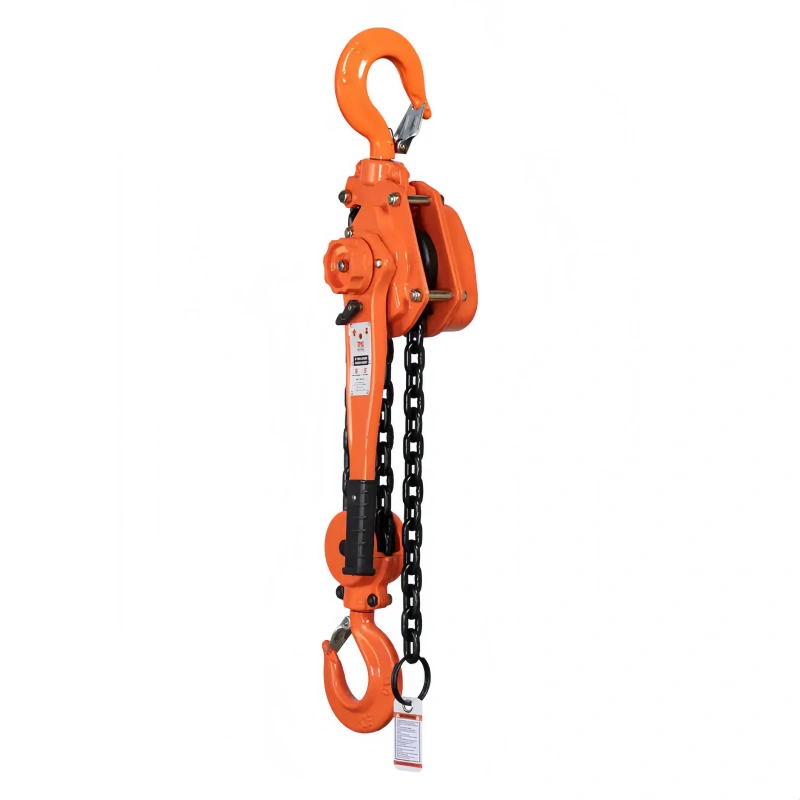
Lever chain hoists use high-strength chains to lift, pull, and tighten loads reliably for heavy-duty industrial and construction tasks.
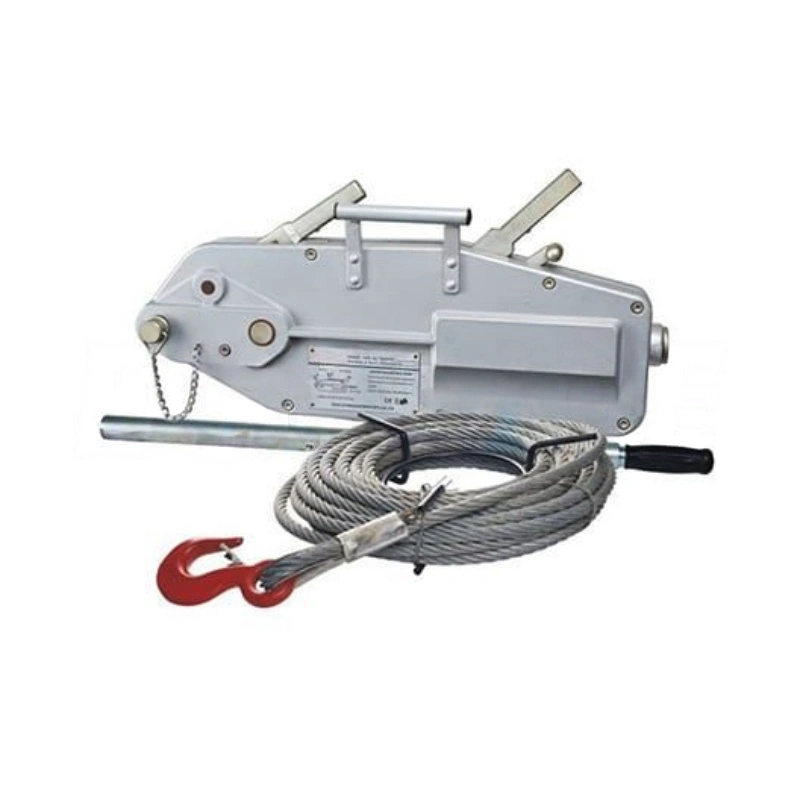
Wire Rope Lever Hoist
Wire rope lever hoists use durable cables to lift and pull loads over longer distances, offering reliable performance for industrial and construction tasks.
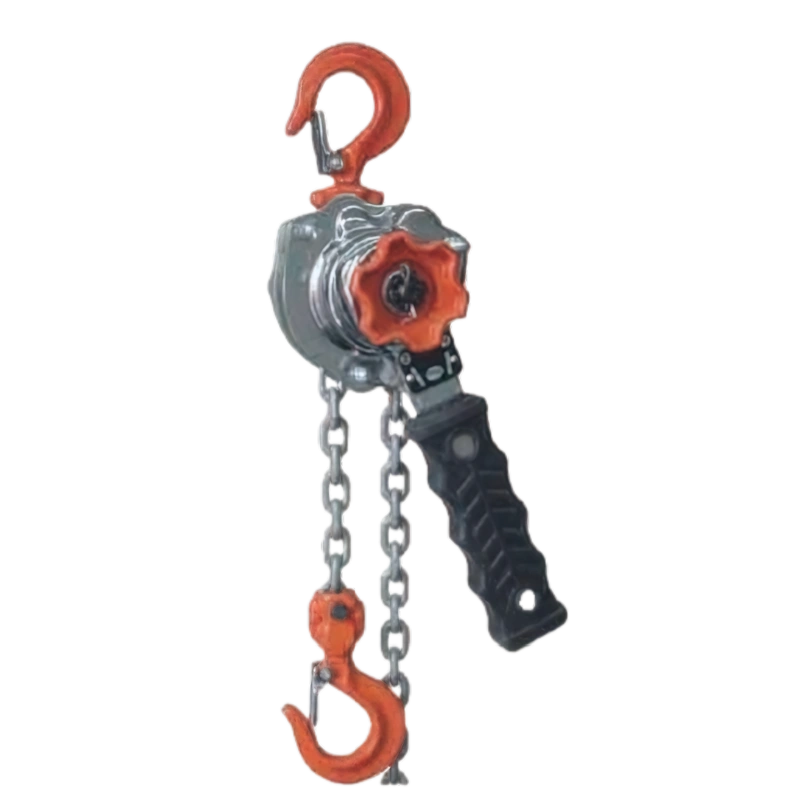
Mini lever hoists are compact and lightweight, perfect for lifting and pulling lighter loads in tight spaces with reliable performance.

Industrial Lever Hoist
Industrial lever hoists are built for heavy-duty lifting, lowering, and lashing, delivering reliable performance in mining, construction, and tough industrial tasks.

Subsea Lever Hoist
Subsea lever hoists feature corrosion-resistant materials and protective coatings for reliable lifting in marine and harsh offshore environments.
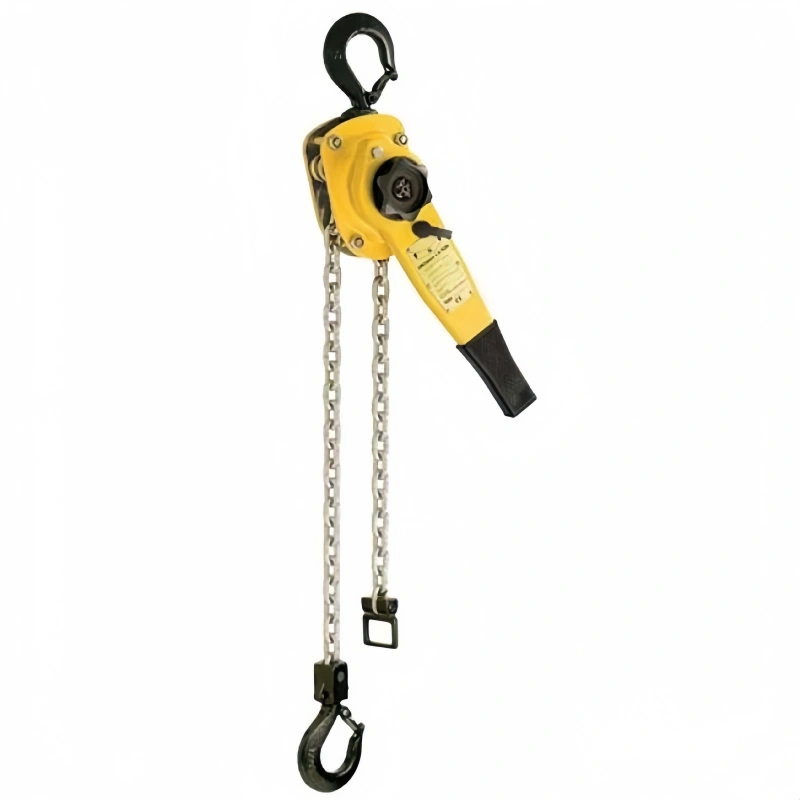
ATEX Rated Lever Hoist
ATEX rated lever hoists are built for safe lifting in explosive environments, using spark-resistant materials and certified safety design.
NEED HELP WITH YOUR LEVER HOIST ORDER?
Let us help! Reach out today and get recommendations on materials and sizing from our experts.


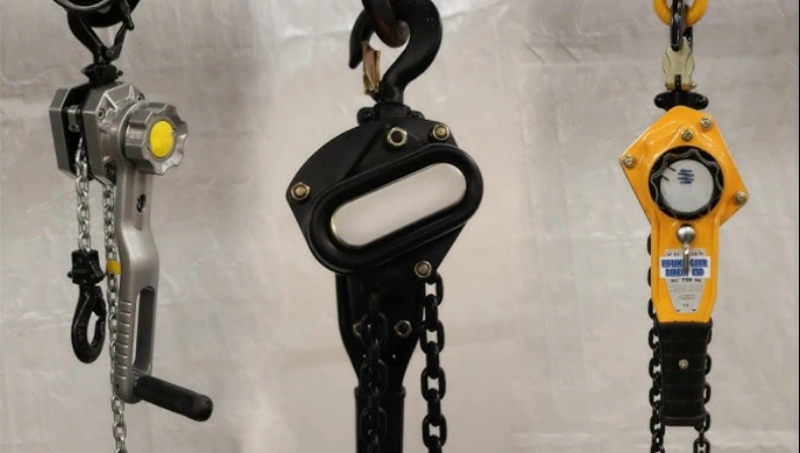
Guide to Lever Hoist
Our Guide to lever hoists helps you understand lever hoist types, applications, and selection tips so you can choose safe, reliable lifting euipments.
What is a lever hoist?
A lever hoist is a manual lifting device that you operate with a ratchet lever to lift, lower, pull, or position heavy loads. You use a hardened load chain, brake system, and gear mechanism that multiply your pulling force. You control movement with a directional lever that locks the load securely in place. Our lever hoists give you compact strength for construction, mining, marine, and plant maintenance operations where you need mobility and control without electrical power.
What is a lever hoist used for?
A lever hoist is a portable manual lifting and pulling tool used across construction, oil and gas, mining, marine, and industrial maintenance projects. It provides controlled, precise load handling in confined or hard-to-reach spaces.
Common Uses of a Lever Hoist:
Lift steel beams during structural assembly
Tension pipelines during installation or maintenance
Align heavy machinery for accurate positioning
Secure cargo for transport and load stabilization
Position equipment in tight or restricted spaces
Handle pipes and install valves in oil and gas operations
Support underground work in mining environments
Perform pulling, stretching, and lashing tasks requiring mechanical precision
Advantages of Lever Hoists
Lever hoists are compact manual lifting tools designed for controlled load handling in demanding industrial environments. They offer efficiency, portability, and reliability without requiring an external power source.
Key Advantages of Lever Hoists:
High portability – Lightweight and easy to transport between job sites
Compact design – Ideal for confined or restricted working areas
Strong lifting capacity – Handles heavy loads with mechanical efficiency
Full load control – Precise lifting, lowering, and positioning
No power required – Operates manually, reducing setup time and downtime
One-hand operation – Simple control of lifting speed and direction
Durable construction – High-grade alloy steel components for heavy-duty use
Low maintenance needs – Designed for long service life and reduced servicing frequency
Improved operational efficiency – Reliable performance in industrial environments
How Does a Lever Hoist Work?
You move the hand lever back and forth to rotate internal gears connected to a load chain. The gear train multiplies your applied force. A mechanical brake holds the load securely when you stop pulling. You switch the directional lever to lift or lower. The ratchet mechanism locks the chain under load, giving you precise positioning control. Our engineered gear ratios deliver smooth force transfer and consistent performance under rated capacity.
How to Use a Lever Hoist?
Safe lever hoist operation depends on proper inspection, correct rigging, and controlled handling. Following standard lifting procedures reduces risk and ensures reliable performance on industrial job sites.
Safe Operating Steps for a Lever Hoist:
Inspect before use – Check hooks, load chain, brake system, and rated capacity before every lift
Secure the anchor point – Attach the top hook to a stable, properly rated support structure
Connect the load correctly – Fix the bottom hook to the load using approved rigging methods
Remove chain slack – Ensure the chain is properly tensioned before lifting
Operate the lever steadily – Raise or lower the load with controlled, even movements
Avoid side loading – Keep the load aligned vertically with the hoist
Never exceed rated capacity – Follow the manufacturer’s load limit at all times
Store properly after use – Keep the hoist clean, dry, and protected from corrosion
Lever Hoist vs Chain Hoist: What is the Difference?
Lever hoists and chain hoists are both manual lifting devices, but they serve different operational purposes. Understanding their design and application differences helps you choose the right tool for your project.
Key Differences Between Lever Hoists and Chain Hoists:
Operating Mechanism
Lever hoist: Uses a ratchet handle for lifting and pulling
Chain hoist: Uses a hand chain wheel for vertical lifting
Direction of Use
Lever hoist: Operates horizontally or vertically
Chain hoist: Primarily designed for vertical lifting
Primary Function
Lever hoist: Ideal for pulling, tensioning, aligning, and positioning
Chain hoist: Designed for repetitive overhead lifting cycles
Best Application
Lever hoist: Machinery alignment, pipeline tensioning, load positioning
Chain hoist: Warehouse lifting, overhead material handling, assembly lines
Operational Flexibility
Lever hoist: Greater versatility in confined or angled spaces
Chain hoist: Efficient for fixed-point vertical lifting
Come Along vs Lever Hoist: Which One Should You Choose?
Both come along tools and lever hoists are used for pulling and tensioning, but they differ in strength, durability, and industrial capability. Choosing the right tool depends on load capacity, job frequency, and working environment.
Key Differences Between a Come Along and a Lever Hoist:
Primary Use
Come along: Light-duty pulling and short-term tensioning
Lever hoist: Heavy lifting and industrial-grade pulling
Lifting Medium
Come along: Uses wire rope or cable
Lever hoist: Uses high-strength load chain
Load Capacity
Come along: Lower capacity ratings
Lever hoist: Higher certified load capacities
Durability
Come along: Suitable for temporary or occasional tasks
Lever hoist: Built for demanding environments and frequent use
Braking System
Come along: Basic mechanical locking
Lever hoist: Heavy-duty braking system for controlled load handling
Best Applications
Come along: Light construction, fencing, vehicle recovery
Lever hoist: Construction, mining, marine operations, plant maintenance
Lever Hoist Inspection Checklist
Regular inspection of a lever hoist helps you maintain safe operation, meet industrial safety standards, and extend equipment service life. A thorough checklist ensures every critical component remains in proper working condition.
Lever Hoist Inspection Checklist:
Load chain condition – Check for wear, twisting, cracks, or deformation
Chain elongation – Measure elongation and compare it to allowable tolerance limits
Hook integrity – Inspect top and bottom hooks for bending, cracks, or distortion
Safety latch function – Confirm latches close fully and operate smoothly
Brake performance – Test load holding ability under controlled conditions
Gear operation – Verify smooth and consistent gear movement
Rated capacity markings – Ensure load ratings and identification labels remain clear and readable
Free movement test – Operate the hoist without load to confirm proper function
Structural condition – Check housing and load-bearing parts for cracks or corrosion
Lever Hoist vs Chain Block: How Do They Compare?
Lever hoists and chain blocks are both manual lifting tools, but they serve different lifting directions and job site conditions. Choosing the right equipment depends on workspace layout, load movement direction, and overhead availability.
Key Differences Between a Lever Hoist and a Chain Block:
Primary Function
Lever hoist: Pulling, positioning, and angled or horizontal lifting
Chain block: Vertical lifting from a fixed overhead point
Installation Requirement
Lever hoist: Can operate without permanent overhead suspension
Chain block: Requires attachment to beams, cranes, or overhead structures
Operation Method
Lever hoist: Side-operated ratchet handle for controlled movement
Chain block: Hand chain wheel for raising or lowering loads vertically
Work Environment
Lever hoist: Ideal for confined spaces and limited overhead clearance
Chain block: Suitable for workshops, warehouses, and crane-supported lifting
Application Flexibility
Lever hoist: Better for fieldwork and alignment tasks
Chain block: More efficient for repetitive vertical lifting
What is a lever chain hoist?
A lever chain hoist uses a hardened load chain combined with a ratchet lever mechanism. You apply manual force through the lever. Internal gears multiply that force to lift or tension loads. You rely on a mechanical brake to secure the load instantly when you stop. Our lever chain hoists use heat-treated alloy steel chains that meet strict industrial load standards for demanding operations.
Lever Hoist Certification
Lever hoist certifications confirm product safety, load capacity, and compliance with international industrial standards. Proper documentation ensures traceability and suitability for regulated industries such as oil and gas, mining, and marine operations.
Key Certifications and Documentation to Check:
CE Marking – Confirms compliance with European safety and machinery directives
ATEX Certification – Required for use in hazardous or explosive environments
Load Test Certificate – Verifies the hoist meets its rated load capacity
Serial Number Traceability – Ensures product identification and manufacturing tracking
Material Grade Certification – Confirms alloy steel quality and component standards
Inspection Records – Documents factory inspection and quality control checks
Dimensional Verification Reports – Confirms manufacturing accuracy
Performance Test Reports – Validates brake, gear, and load-handling reliability
Lever Hoist Repair: What You Need to Know?
Proper lever hoist repair restores lifting performance, ensures operator safety, and extends equipment service life. Repairs should always follow manufacturer guidelines and applicable safety standards.
Common Lever Hoist Problems:
Worn or stretched load chain
Brake failure or slipping under load
Hook deformation or damaged safety latch
Gear wear or rough operation
Corrosion on internal components
Loose or missing identification labels
Basic Lever Hoist Repair Steps:
Inspect all components – Disassemble and check chain, hooks, brake, gears, and housing
Replace damaged parts – Use certified replacement components only
Measure chain elongation – Replace chain if beyond tolerance limits
Service the brake system – Clean, adjust, or replace worn friction discs
Lubricate moving parts – Apply manufacturer-recommended lubricant
Reassemble and load test – Perform a controlled load test before returning to service
When to Replace Instead of Repair:
Structural cracks in the frame
Severe hook throat opening
Excessive corrosion affecting load-bearing parts
Unavailable certified spare parts
For industrial environments such as construction, mining, marine, or oil and gas, professional inspection and certified load testing are strongly recommended after major repairs.
Have More Questions of Lever Hoists?
Have more questions about lever hoists? Our experts help you select the right model, understand load capacity, safety standards, maintenance, and certifications. Contact us for clear guidance and practical lifting solutions.