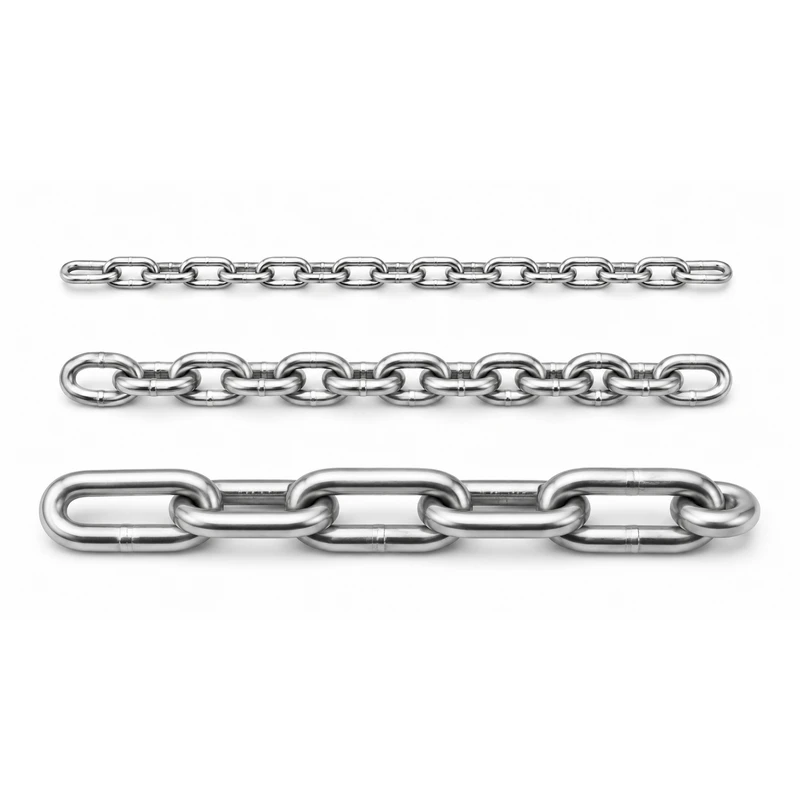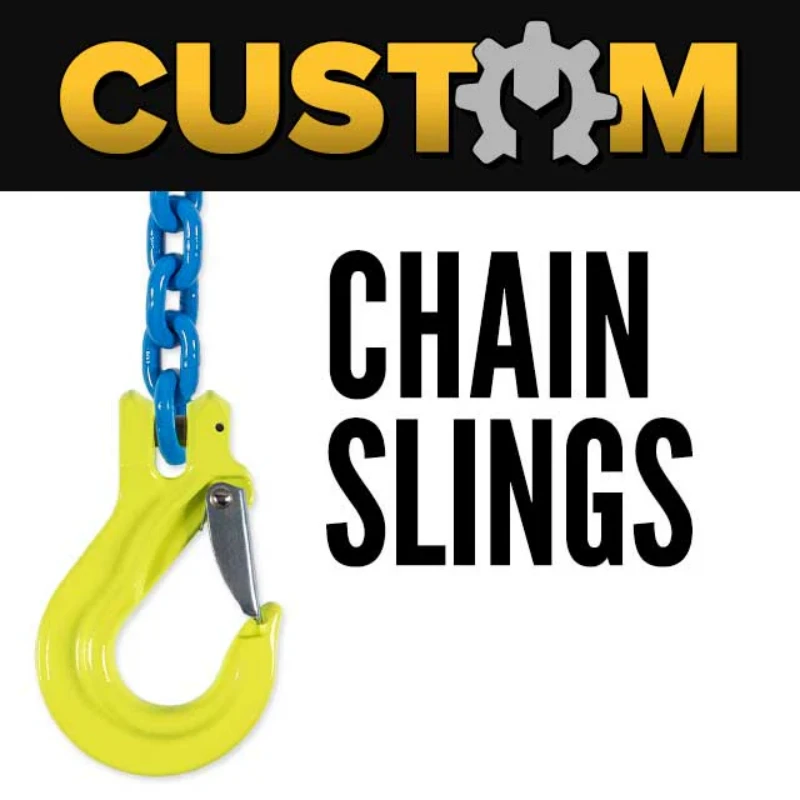
Material handling equipment is the machinery and tools used to move, lift, position, store, or control materials in a workplace. A pallet truck moves a loaded pallet across a floor, a stacker raises it for placement, and a hoist lifts a suitable load from above. The right equipment depends on the load, the route, the height required, and how often the task is repeated.
You may need one device at a workbench or several kinds across a warehouse. Understanding what each one actually does is more useful than choosing by category name alone. This guide covers common types and examples, then shows where QDPowerful’s documented product families fit.
What Does Material Handling Equipment Do?
A handling task usually involves one or more of four actions: moving goods between locations, lifting or positioning them, holding them for storage, and keeping the load identifiable and controlled. In a warehouse, a pallet truck can transfer a pallet from receiving to a staging area.
A stacker can then raise a compatible pallet for storage. At a production station, a lift table can bring components to working height. These are different motions with different equipment limits.
Equipment can reduce manual handling, but it does not automatically make a job safe or efficient. The selected unit, its rated capacity, the load and attachment, the floor or support structure, and the operating procedure must all suit the actual task.
Main Types of Material Handling Equipment
There is no single category list that fits every buyer’s question. For example, the MHI educational taxonomy groups equipment into transport, positioning, unit load formation, storage, and identification and control.
Other practical guides group storage, industrial trucks, bulk handling, and engineered systems. The table below uses the MHI functions to clarify the job performed; an item can participate in more than one part of a handling process.
| Function | Industry examples | What to check |
| Transport | Pallet trucks, forklifts, conveyors, cranes | Route, distance, surface, turning space and throughput |
| Positioning | Lift tables, hoists, manipulators, lifting clamps | Load support or attachment, working height and control |
| Unit load formation | Pallets, containers, strapping and wrapping | Load integrity, pallet dimensions and compatibility |
| Storage | Racks, shelves and storage bins | Weight distribution, access and storage layout |
| Identification and control | Labels, scanners and tracking controls | Traceability and coordination with the site process |
Conveyors, racks, forklifts, robotic systems and identification controls are industry examples in this table. Their appearance here does not mean QDPowerful manufactures or supplies them. QDPowerful’s catalogue and current product pages document a narrower range of pallet handling, positioning, hoisting, and related lifting products.
Common Equipment Examples and Their Limits
Pallet Trucks and Stackers
A pallet truck, often called a pallet jack, is for transporting a compatible pallet close to floor level. It is not a substitute for a stacker when the load has to be raised onto a rack. A stacker is designed to raise a compatible pallet for placement within the limits of the exact model.
Check fork entry, pallet type, loaded weight, lift height, capacity at the required height, and aisle clearance. Compare the pallet truck range with the pallet stacker range when your task includes both travel and vertical placement.

Lift Tables and Hoists
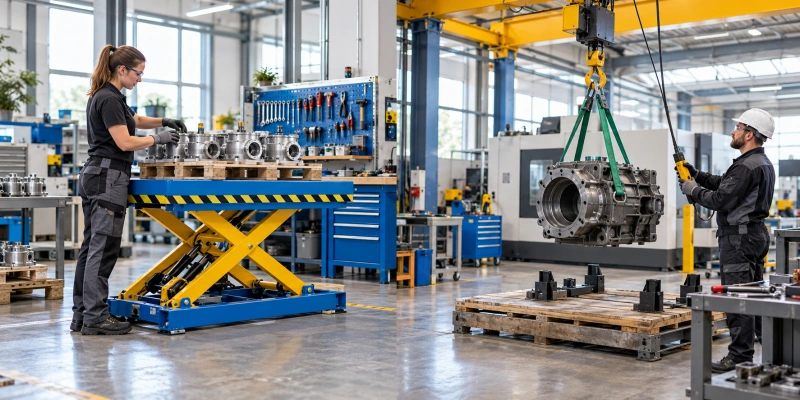
A lift table raises suitable goods to a work position on a supported platform. It does not replace a pallet truck for moving goods through a building, and it is not a personnel lift unless the exact model is designed and approved for that purpose. QDPowerful lists a scissor hydraulic lift table product page; confirm platform size, load distribution, rated capacity, lift range, and loading method for the proposed model.
A hoist suspends and lifts a load using a suitable support and rigging arrangement. It is the better starting category when a component must be lifted clear of the floor or positioned from overhead, but the support structure and every component in the load path must be assessed.
QDPowerful’s catalogue includes lever hoists and electric hoists, and the site has an electric hoist range. Do not infer that a hoist is suitable for personnel lifting or an unsupported side pull.
Other Industrial Examples
Forklifts and conveyors are familiar transport examples. Racks and bins provide storage; pallets and wrapping help form unit loads. For loose bulk material, a site may use hoppers and conveyors. Automated storage and retrieval systems integrate equipment and controls across a workflow. These examples explain the wider industry, not QDPowerful’s product offering.
Specialized attachments also depend on the load. The source article mentions clamps and lifting beams but treats many designs as interchangeable. QDPowerful’s catalogue does show lifting clamps, cable grips, and permanent magnetic lifters.
Their use depends on material, geometry, surface condition, gripping method, and the individual product instructions. A magnetic lifter, for example, should never be selected solely because a load contains steel.
Which Equipment Fits the Movement You Need?
Begin with the path and final position of the load. The comparison below narrows the equipment family; it does not approve an individual model for use.
| Task | Typical starting point | Key selection inputs |
| Move a pallet across a suitable floor | Pallet truck or jack | Pallet entry, weight, fork dimensions, route, floor and frequency |
| Raise a pallet for storage | Pallet stacker | Pallet compatibility, height, capacity at height and aisle clearance |
| Raise goods at a workstation | Lift table | Platform, weight distribution, lift range and loading method |
| Move a machine over an assessed route | Cargo skates, where appropriate | Load support points, floor strength, route, turning and steering |
| Lift a load from above | Hoist with suitable rigging and support | Load weight, attachment, rated capacity, headroom, support and duty |
| Move loose material along a fixed process | Conveyor or bulk handling system | Material properties, flow rate, containment and integration |
The final row is an industry example; it is not a QDPowerful product claim. The current material handling equipment range covers the company’s listed pallet handling, positioning, machine moving, and hoisting families. Product availability and exact specifications should be confirmed for the proposed model.
Equipment Versus a Material Handling System
A single pallet truck is a piece of equipment. A material handling system is the planned combination of equipment, load units, layout, controls and work steps that moves material through a site. A small operation may coordinate several manual devices; a larger operation may add conveyors and automated controls.
The distinction matters because buying a suitable machine does not, by itself, solve route conflicts, storage bottlenecks, or process integration.
If your project includes racks, conveyor controls, robotics or warehouse software, define those interfaces and supplier responsibilities separately. QDPowerful’s published material handling range does not establish that it supplies a complete automated warehouse system.
How to Choose Material Handling Equipment?
First describe the load: its maximum weight, dimensions, center of gravity, packaging, and any delicate, hazardous, or irregular surfaces. Then describe the movement from pickup to final placement, including floor conditions, gradients, obstacles, travel distance, and required height.
Add the number of moves per shift and the available space around the equipment. These inputs tell you whether the task is mainly transport, positioning, storage, or a combination.
Next, check the rating and instructions for a specific model and configuration. Consider pallet and attachment compatibility, capacity at the working height where relevant, support or floor strength, the operating environment, inspection and maintenance, and total ownership cost.
A lower purchase price is of limited value if the equipment cannot complete the required move. For a deeper procurement process, use the material handling equipment selection guide.
Before requesting a quote, send the load drawing or pallet dimensions, loaded weight, pickup and placement heights, route and floor details, handling frequency, required quantity, and destination. State any document or configuration requirements so they can be checked for the exact product and order. A photograph of the work area can help explain clearances, but it does not replace a site assessment.
Where Different Equipment Fits?
In a warehouse, pallet trucks handle suitable floor-level transfers while stackers address pallet placement at height. Manufacturing sites may use lift tables to present components at a work station and hoists to handle a part that must be suspended.

Logistics operations often need short transfers and loading area staging; maintenance work may involve a machine move that requires a separate route and floor assessment. The same facility can need several equipment types because its loads follow different paths.
Whatever the setting, check the proposed equipment against the actual load and the manufacturer’s instructions. For inspection and service planning, the material handling equipment maintenance guide gives a broader framework; intervals and checks must still come from the specific model and duty.
FAQs
Is a Pallet Jack the Same as a Pallet Stacker?
No. A pallet jack transports a suitable pallet close to floor level. A pallet stacker raises a compatible pallet for placement at a height allowed by its model rating and layout. If you need both functions, assess the entire route and the capacity at the required height.
Are Conveyors and Warehouse Robots Material Handling Equipment?
Yes. They are industry examples of equipment or integrated systems used to move or control materials. They should not be read as products offered by QDPowerful merely because this article mentions them.
Can One Device Handle Every Material Handling Task?
Usually not. Floor-level pallet transport, work height positioning, and suspended lifting impose different load paths and operating limits. Start with the movement, then verify an individual model and its attachments for the specific job.
What Should I Send When Asking About a Product?
Share the load and pallet dimensions, maximum weight, pickup and delivery points, required height, route and surface, frequency, available clearance, and any document requirements. These details help narrow the product family and identify what still needs engineering or site review.