You rely on a shackle every time you connect ropes, chains, or anchors on your boat. A boat shackle acts as a strong link, holding critical gear together and ensuring safe operations on the water. Choosing the right boat shackles protects you and your vessel from unexpected failures.
Certified shackles from Powerful Machinery give both new and seasoned boat owners confidence in every boating adventure.
Key Takeaways
Boat shackles are essential for connecting ropes, chains, and anchors, ensuring safety on the water.
Choose shackles made from stainless steel for durability and corrosion resistance, especially in saltwater environments.
Inspect shackles regularly for signs of wear or damage to maintain safety and reliability during boating activities.
Select the right type of shackle based on your specific needs, such as D shackles for direct pulls and bow shackles for multi-directional loads.
Always opt for certified shackles that meet international safety standards to ensure the highest level of performance and safety.
Boat Shackles Overview
What Is a Boat Shackle?
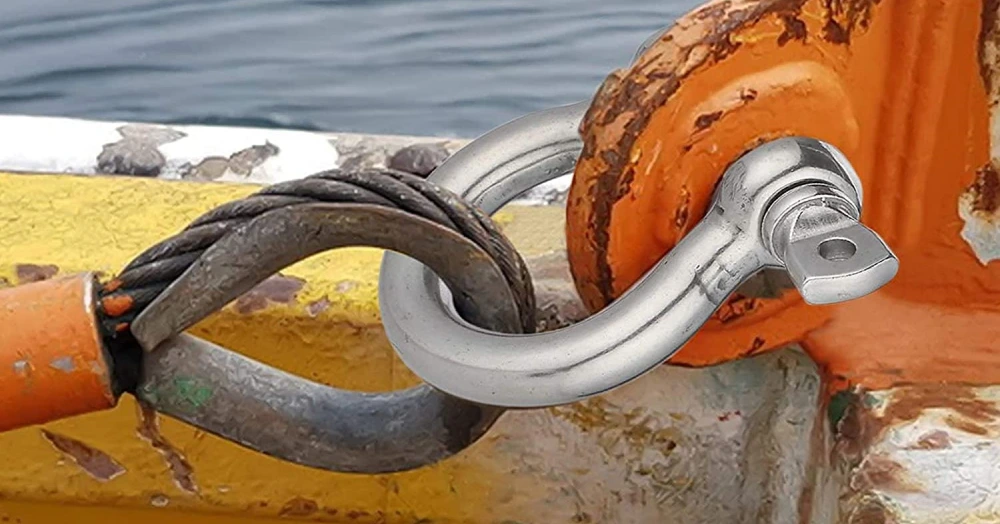
You use a boat shackle as a strong connector that links ropes, chains, or hardware on your boat. This small but vital piece of equipment allows you to attach or detach gear quickly while keeping everything secure. Boat shackles come in different shapes and sizes, each designed for specific tasks on the water.
You might use a D shackle for anchoring or a bow shackle for connecting rigging lines. Soft shackles, made from high-strength rope, offer lightweight alternatives for certain applications.
Materials and Construction
When you select shackles for marine use, you want materials that resist rust and last in harsh conditions. Stainless steel shackles stand out because they have a protective oxide layer that prevents corrosion. This feature makes them ideal for stiff saltwater environments.
You also benefit from their high load capacity and durability, which means you can trust them with heavy loads and frequent use. Powerful Machinery manufactures certified stainless steel shackles that meet strict industry standards. Their products offer:
Resistance to rust, corrosion, and wear
High load capacity for demanding tasks
Easy maintenance and a modern look
You can find shackles with different pin designs, such as screw pin or bolt-type, to match your needs. Each shackle from Powerful Machinery undergoes rigorous testing to ensure safety and reliability.
Importance in Boating
Shackles play a critical role in boating. You rely on them to provide secure connections for lifting, towing, and securing cargo. Their robust design helps prevent accidents and equipment failures. Marine shackles resist corrosion from saltwater, which keeps your lifting operations safe and your gear in top condition.
Certifications like the European Standard EN795:2012 Type D show that these shackles have passed tough safety tests. When you choose certified shackles from Powerful Machinery, you gain peace of mind knowing your equipment meets the highest standards for safety and performance.
Tip: Always inspect your shackles before each trip to ensure they remain in good working order.
Types of Shackles in Boating
When you select boat shackles, you encounter a range of shackle types, each designed for specific tasks on your boat. Powerful Machinery offers a comprehensive selection, including stainless steel shackles with various closure options, ensuring you find the right fit for every marine application.
Bow Shackles
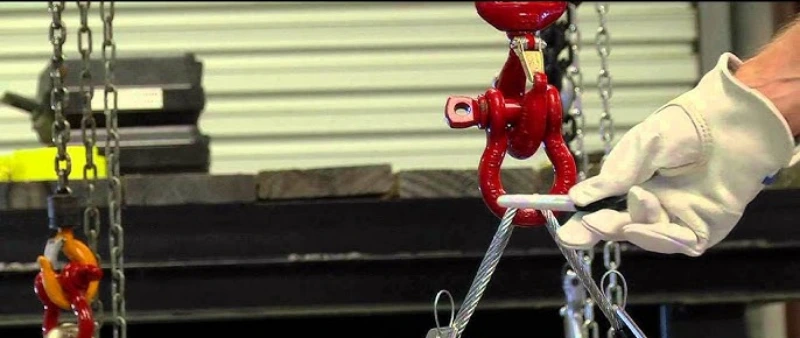
Bow shackles feature a large, rounded “O” shape. This design allows you to connect multiple sling legs or handle side loads with ease. You benefit from their ability to carry loads from different directions, making them ideal for rigging and anchoring tasks.
Large, round bow for side loading
Suitable for multiple connections
Versatile for various boating needs
D Shackles
D shackles, also known as d-shackle or chain shackles, have a compact, “D” shaped body. You use them for in-line tension where the load pulls straight. They excel in single connection points and direct pulls.
Feature | Bow Shackle | D Shackle |
|---|---|---|
Shape | Rounded “bow,” larger internal space | “D” shape, compact design |
Usage | Multiple connections, bulky objects | Single connection, direct pulls |
Load Distribution | Reduces stress concentration | Higher load capacity in compact form |
Twisted Shackles
You choose twisted shackles when you need movement and flexibility. The twisted design allows the shackle to swivel under load, reducing torque and twisting forces. This compact option works well in tight spaces and often includes a captive pin for added security.
Swivel capability for reduced twisting
Compact for space-limited areas
Enhanced security with a captive pin
Snap Shackles
Snap shackles provide quick-release functionality, which is essential for safety gear and rapid detachment. You find features like forged stainless steel construction, a fixed triangular eye for better load distribution, and a quick-release pin. These shackles resist corrosion and come in certified sizes for marine use.
Feature | Description |
|---|---|
Quick-Release Pin | Instant detachment under load |
Superior Corrosion Resistance | Ideal for saltwater environments |
Certified Load Limits | Available in multiple sizes for safety |
Soft Shackles
Soft shackles use high-strength rope instead of metal. You gain a lightweight, easy-to-handle connector with impressive breaking strength. They work well for temporary connections but require care to avoid abrasion.
Feature | Soft Shackles | Metal Shackles |
|---|---|---|
Weight | Much lighter | Heavier |
Breaking Strength | Up to 36,000 lbs | Often higher |
Pros | No pin to lose, easy to use | Strong, durable |
Cons | Prone to abrasion | Bulkier |
Halyard Shackles
On sailboats, you use halyard shackles to secure halyards to sails and masts. For reliability, you may prefer soft shackles or a halyard hitch, which allows for easy adjustments if wear occurs.
Essential for attaching halyards
Prefer soft shackles or hitches for easy adjustment
Snap Hooks & Carabiners
Snap hooks and carabiners serve as quick connectors for lanyards and harnesses. Their design lets you attach and detach lines rapidly, which increases convenience and safety during boating activities.
Tip: Use snap hooks for tasks that require frequent connections and disconnections.
Pin Designs
You select from several pin designs based on your needs:
Shackle Type | Best For | Advantages | Disadvantages |
|---|---|---|---|
Screw Pin Shackles | Temporary rigging | Easy to use, cost-effective | Pin may loosen under vibration |
Bolt Type Shackles | Long-term installations | Secure, reliable for heavy loads | Slower to install |
Round Pin Shackles | Tie-downs, towing | Resists torque, durable | Not for overhead lifting or side loading |
Powerful Machinery’s certified shackles cover all these types, giving you confidence in both safety and performance for every boating scenario.
Applications of Shackles
Marine & Boating Uses
You rely on shackles every time you secure anchors, connect rigging, or fasten mooring lines on your boat. In marine environments, corrosion resistance is essential. Stainless steel shackles from Powerful Machinery offer durability and strength, even in saltwater.
You use boat shackles for tasks like attaching sails, towing dinghies, and securing safety gear. Certified products ensure your boating experience remains safe and reliable. You benefit from international certifications that guarantee performance in harsh marine conditions.
Note: Always inspect your shackles for signs of wear or corrosion before heading out on the water.
Industrial & Construction
You find shackles in industrial settings where heavy lifting and secure connections are critical. Powerful Machinery provides drop-forged shackles that meet strict safety standards for construction and material handling. You use these shackles to connect lifting chains, hoists, and slings.
Their robust design withstands high loads and tough environments. In construction, you depend on certified shackles to keep workers and equipment safe. You can trust the traceability codes and clear identification marks on each shackle for compliance and accountability.
Common industrial applications:
Lifting steel beams
Securing scaffolding
Connecting wire ropes
Recreation & Cargo Handling
You use shackles in recreational activities such as camping, off-roading, and sailing. In cargo handling, you rely on shackles to secure loads during transport. Powerful Machinery shackles meet international safety standards, making them suitable for demanding environments.
You should check for proper pin engagement, material grade, and working load limits before each use. The table below summarizes key safety criteria for shackles in cargo handling and recreation:
Safety Standard Criteria | Description |
|---|---|
Incomplete pin engagement | Check for proper pin fitment. |
Wear or metal loss | Ensure it is less than 10% of the original size. |
Heat damage or weld spatter | Inspect for any signs of heat exposure. |
Cracks, nicks, or gouges | Look for any surface defects. |
Excessive corrosion or pitting | Assess for significant corrosion. |
Bent or deformed components | Ensure all parts are straight and intact. |
Damaged threads | Check for 20% or more damage. |
Illegible or missing marks | Verify all necessary markings are present. |
Evidence of modification | Ensure shackles have not been altered. |
Working Load Limit (WLL) | Confirm the WLL is marked and followed. |
Size and Manufacturer’s name | Ensure identification is clear and visible. |
Traceability codes | Check for codes that allow tracking. |
Material type or grade | Verify the material specifications. |
You protect your cargo and recreational equipment by following these standards. Powerful Machinery shackles deliver reliability and safety across all applications.
Selecting Boat Shackles
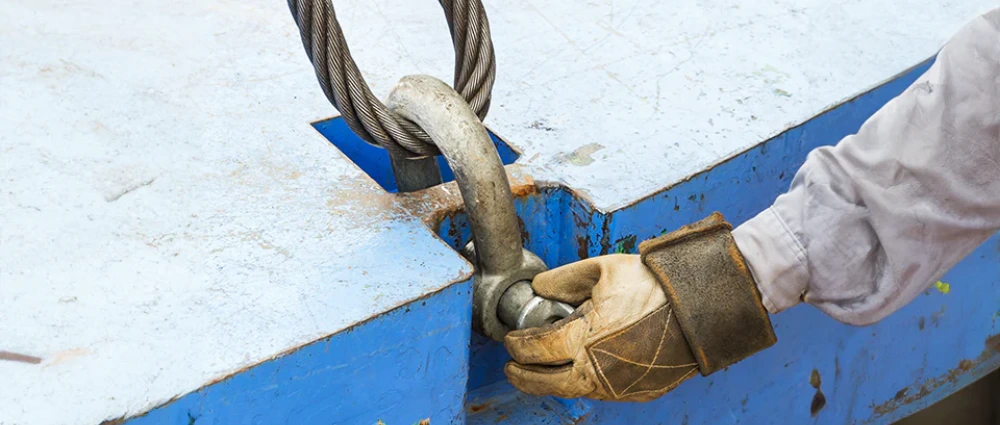
Choosing the right shackle for your boat is essential for safety and reliable performance. You must consider several factors, including load capacity, material quality, type, pin security, and compliance with standards.
Certified shackles from Powerful Machinery help you meet these requirements and ensure your equipment operates safely in marine and industrial environments.
Load Capacity & Safety
You need to match the load capacity of your shackle to the demands of your application. If you select a shackle with insufficient capacity, you risk equipment failure and personal injury.
Always check the working load limit (WLL) and understand how side-loading or angled pulls affect the safe capacity. The table below highlights key factors you should evaluate:
Factor | Description |
|---|---|
Working Load Limit (WLL) | The maximum weight a shackle can safely handle under normal conditions. |
Side-Loading Effects | Reduces WLL based on the angle of the load applied to the shackle. |
Angle Considerations | Specific reductions in WLL for angles between 6°-90° to ensure safety. |
International safety standards, such as EN13889, regulate the minimum breaking strength for shackles. Classification societies require manufacturers to test shackles to failure, using statistical sampling to verify strength. You protect yourself and your crew by choosing shackles that meet these standards.
Tip: Always select heavy-duty shackles with a WLL higher than your maximum expected load. This practice increases safety and extends the life of your equipment.
Material Quality
Material quality determines how well your shackle performs in different environments. You must choose a material that matches your application and resists corrosion. The table below compares common materials and their features:
Material Type | Strength Characteristics | Suitable Applications | Environmental Suitability |
|---|---|---|---|
Carbon Steel | High strength, good toughness | General construction, manufacturing | Best in dry, controlled environments |
Alloy Steel | Superior strength-to-weight | Heavy lifting, overhead cranes | Good in temperature extremes |
Galvanized Steel | Corrosion resistance via zinc | Outdoor, marine, humid environments | Prevents rust from moisture/rain |
Stainless Steel | Corrosion and chemical resistance | Saltwater, chemical plants, food processing | Excellent for corrosive/hygienic needs |
For marine use, stainless steel shackles offer the best protection against corrosion. Powerful Machinery provides certified stainless steel shackles that withstand saltwater and harsh conditions. You benefit from their durability and low maintenance requirements.
Matching Type to Use
You must match the shackle type to your intended application. Each design offers unique features for specific tasks. For example, d shackles work well for straight-line pulls, while bow shackles handle multi-directional loads. Soft shackles provide lightweight options for temporary connections.
The table below helps you select the right type:
Shackle Type | Best Use Case | Features |
|---|---|---|
D-Shackle | Anchoring, towing | Compact design, high load capacity |
Bow Shackle | Rigging, multi-leg slings | Large bow, handles side loads |
Soft Shackles | Sailing, temporary connections | Lightweight, easy to handle |
You improve safety and efficiency by choosing the correct shackle for each application. Powerful Machinery offers a wide range of shackles for industrial and marine applications, ensuring you find the right fit.
Pin Security
Pin security is critical for preventing accidental release during operation. You must select a pin mechanism that matches your safety requirements. The table below outlines secure pin mechanisms and their benefits:
Mechanism | Features | Benefits |
|---|---|---|
Trigger Snap Shackle Safety Pins | Secure pin mechanism designed to prevent accidental release | Enhances safety in marine applications |
Green Pin® Catch Shackle BN | Safety bolt enables tethering of all components | Reduces the risk of injuries and component loss |
You reduce the risk of dropped components and injuries by using shackles with advanced pin designs. Always inspect the pin before each use and ensure it is fully engaged.
Size & Standards
Selecting the correct size and ensuring compliance with standards are vital steps. You must choose a shackle that fits your hardware and meets international safety standards. Powerful Machinery shackles display clear markings for size, working load limit, and manufacturer.
These features help you verify compliance and traceability.
Note: Always consult the manufacturer’s specifications and certifications before purchasing shackles for your boat.
You guarantee safety and reliability by choosing certified shackles from Powerful Machinery. Their products meet or exceed global standards, making them suitable for heavy-duty and marine applications.
Shackle Safety & Innovations
Locking Features
You want the best safety features when choosing a shackle for your boat. Modern locking mechanisms now include remote-controlled options, like the Elebia Automatic Shackle, which lets you hook and release loads from a distance. This design keeps you away from danger zones and speeds up lifting operations.
Some advanced shackles offer anti-rotation bolt heads, multiple lifting points, and securement options such as Easy-Loc™ bolts. These features help prevent accidental release and ensure a reliable connection every time.
Feature | Description |
|---|---|
Widest Bow | Increases sling efficiency and allows a smaller sling size |
Lifting Points | Three points, including a recessed center rib to reduce snags |
Anti-Rotation | Bolt head prevents unwanted turning during installation |
Securement Option | Easy-Loc™ bolt available for heavy-duty applications |
Load Monitoring | Optional load monitoring for real-time safety feedback |
Testing | 100% production testing, including ultrasonic and proof load tests |
Advanced Materials
You benefit from advanced materials in modern shackles. Titanium shackles provide exceptional corrosion resistance and remain strong and lightweight, even in harsh marine environments. High-grade stainless steel and drop-forged steel also deliver outstanding durability and strength.
These materials ensure your shackle will not rust or corrode, even with minimal maintenance. Powerful Machinery uses only high-quality materials, so you can trust their products for both safety and long-term performance.
Environmental Trends
You see new trends shaping shackle design and material selection. Manufacturers now focus on reducing weight for easier handling and enhancing flexibility for specialized uses. You also notice a shift toward synthetic materials for mobile and temporary lifting.
Corrosion resistance remains a top priority, especially for marine and outdoor applications. Ongoing innovations in material science help meet the changing needs of the industry.
Leading Brands
You want to choose brands that set the standard for safety and quality. Powerful Machinery stands out with its commitment to international certifications and rigorous testing.
Other respected names include Yangzhou Mengta Line Fittings, The Crosby Group, and Peerless Chain Company. These companies lead the way in shackle innovations and safety features, giving you peace of mind on every job.
Maintenance Tips for Shackles
Inspection & Cleaning
You keep your shackle in top condition by inspecting and cleaning it regularly. Saltwater and outdoor environments can speed up wear, so you need to check your shackles more often if you use them at sea. Follow these inspection intervals to maintain safety and performance:
Inspect frequently used shackles every 3 to 6 months.
For critical lifting or marine operations, perform a visual check before each use.
Look for signs of rust, wear, or damage during every inspection.
Clean your shackle after each use, especially if exposed to saltwater. Rinse with fresh water and dry thoroughly. This simple step helps prevent buildup and keeps your equipment reliable.
Preventing Corrosion
Corrosion can weaken your shackle and put your safety at risk. You can prevent this by following a few best practices:
Apply surface treatments like powder coating or rust inhibitors.
Clean shackles after use to remove salt and dirt.
Rinse with fresh water after marine activities.
Use protective covers to shield from moisture and debris.
Inspect regularly for early signs of rust or damage.
Choosing certified stainless steel shackles from Powerful Machinery gives you extra protection against corrosion and ensures long-term durability.
Replacement Guidelines
You must replace your shackle if you notice any of the following issues:
Criteria for Removal | Description |
|---|---|
Cracks, bends, or twists | Any visible damage to the shackle body or pin requires removal. |
Excessive wear, corrosion, or pitting | Signs of deterioration that compromise safety. |
Distorted, stretched, or elongated | Changes in shape that affect function. |
Missing or illegible markings | Essential identification is not visible. |
Evidence of heat damage | Discoloration or weld spatter may weaken the shackle. |
Damaged threads or bent pins | Compromised parts can lead to failure. |
Never use a shackle that shows these signs. Always choose high-quality, certified replacements to maintain safety.
Advice for New Boaters
If you are new to boating, start by choosing certified shackles from trusted brands like Powerful Machinery. Regular inspection and maintenance help you avoid unexpected failures.
Learn to recognize early signs of wear and replace your shackle before it becomes a hazard. Investing in quality equipment ensures your safety and gives you peace of mind on the water.
Tip: Make shackle inspection part of your pre-trip checklist. This habit protects both you and your gear.
Conclusion
You now understand why choosing the right boat shackle matters for safety and reliability. By learning about shackle types, selection, and maintenance, you protect your vessel and crew. Certified shackles from Powerful Machinery deliver proven strength and performance.
Always inspect your shackles before use and select the best type for your needs. When you invest in quality equipment, you ensure safer and more enjoyable boating experiences.
Remember: Regular inspection and informed choices keep you and your gear secure on the water.
FAQ
What size shackle should you use for your boat anchor?
You should match the shackle size to your anchor chain and the working load limit. Always choose a shackle with a higher load rating than your anchor system. Consult the manufacturer’s specifications for guidance.
How often should you inspect shackles on your boat?
You should inspect shackles before every trip. Look for signs of wear, corrosion, or damage. For frequently used shackles, perform a detailed inspection every three to six months.
Can you use stainless steel shackles in saltwater?
Yes, you can. Stainless steel shackles resist corrosion in saltwater environments. Powerful Machinery’s stainless steel shackles provide excellent durability for marine use.
How do you know if a shackle is certified?
Check for clear markings on the shackle. Certified shackles display the working load limit, manufacturer’s name, and traceability codes. Powerful Machinery shackles meet international standards and include all required identification.