
Wire Rope Fittings Manufacturer
Powerful Machinery supplies wire rope fittings for secure rope termination, connection, adjustment and protection. Our range includes wire rope end fittings, swage fittings, swageless terminals, sockets, clips, thimbles, turnbuckles and custom components manufactured to drawings or samples. For broader project sourcing, these fittings can also be supplied alongside other rigging hardware products, including shackles, lifting hooks, master links, and related components.
Why Choose Powerful Machinery as Your Wire Rope Fittings Manufacturer
As a wire rope fittings manufacturer, Powerful Machinery supports bulk supply, custom dimensions, material selection and export packaging. We help wholesalers, rigging suppliers, contractors and equipment manufacturers source compatible fittings for steel wire rope assemblies.

We control materials, machining, and finishing in our own factory, so every wire rope fitting meets stable specs and real working demands.
Each wire rope fitting follows strict checks for strength, size, and performance, helping your equipment run safely and predictably.
We support custom sizes, threads, and finishes to match your drawings, loads, and installation needs without slowing production.
Planned production and steady output help you keep projects moving with on-time wire rope fittings and dependable lead times.
WIRE ROPE AND FITTINGS
Our wire rope fittings are used to terminate, connect, protect and tension wire rope in lifting, marine, construction, elevator, mining, agriculture and architectural applications. Standard and custom options are available for different rope diameters, constructions and working environments.
| Fitting Type | Function | Common Materials |
|---|---|---|
| Wire Rope End Fittings | Create rope terminations and connection points. | Carbon steel, alloy steel, stainless steel |
| Swage Fittings | Create permanent compressed terminations. | Aluminum, copper, carbon steel, stainless steel |
| Swageless Fittings | Create mechanical terminations without swaging equipment. | Stainless steel, galvanized steel |
| Compression Sleeves / Ferrules | Form loops, eyes, and stop ends. | Aluminum, copper, steel |
| Threaded Studs / Threaded End Fittings | Connect wire rope to threaded structures or tensioners. | Carbon steel, stainless steel |
| Wedge Sockets | Provide high-load removable rope terminations. | Cast steel, alloy steel |
| Spelter Sockets | Provide permanent socket terminations for heavy-duty rigging. | Cast steel, forged steel |
| Wire Rope Clips | Clamp the rope tail to the live end to form an eye loop. | Malleable iron, forged steel, stainless steel |
| Wire Rope Thimbles | Protect eye loops from abrasion and deformation. | Galvanized steel, stainless steel |
| Turnbuckles | Adjust tension in wire rope assemblies. | Carbon steel, stainless steel |


Ferrule
Ferrules are metal sleeves swaged onto wire rope to lock strands in place. They form strong, permanent loops or terminations for secure lifting and rigging use.
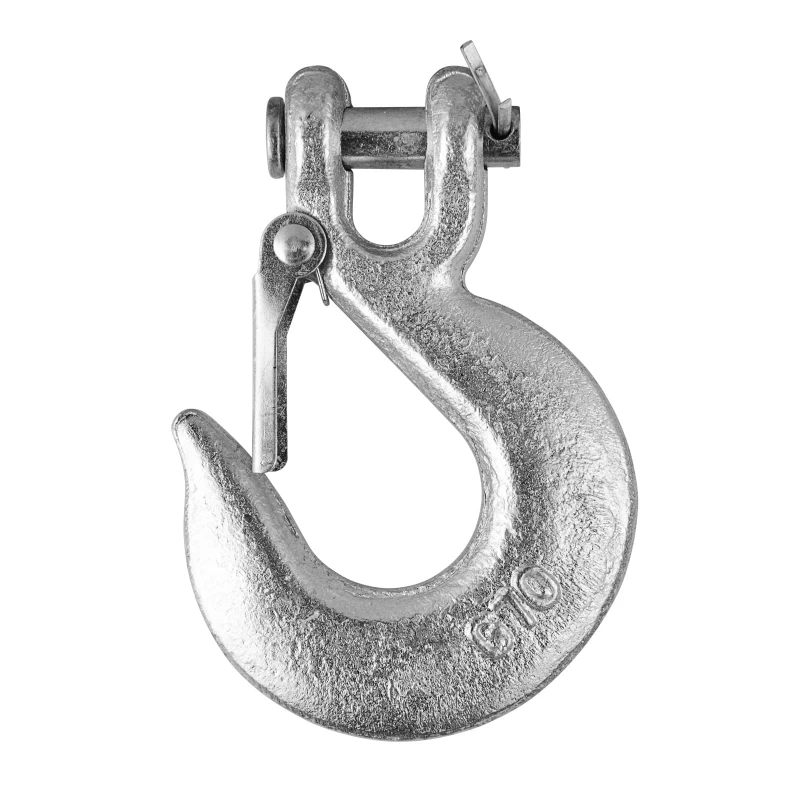
Hooks are end fittings that connect wire rope to loads or anchor points. They provide quick, secure attachment for lifting, rigging, and pulling applications.

Swage Terminal
Swage terminals are permanently pressed onto wire rope to create strong end connections. Common types include eyes, forks, and threaded studs for secure load transfer.

Shackles are connection fittings that link wire rope eyes to hooks, slings, or hardware. Screw pin and bolt types provide secure, removable joints for lifting and rigging.
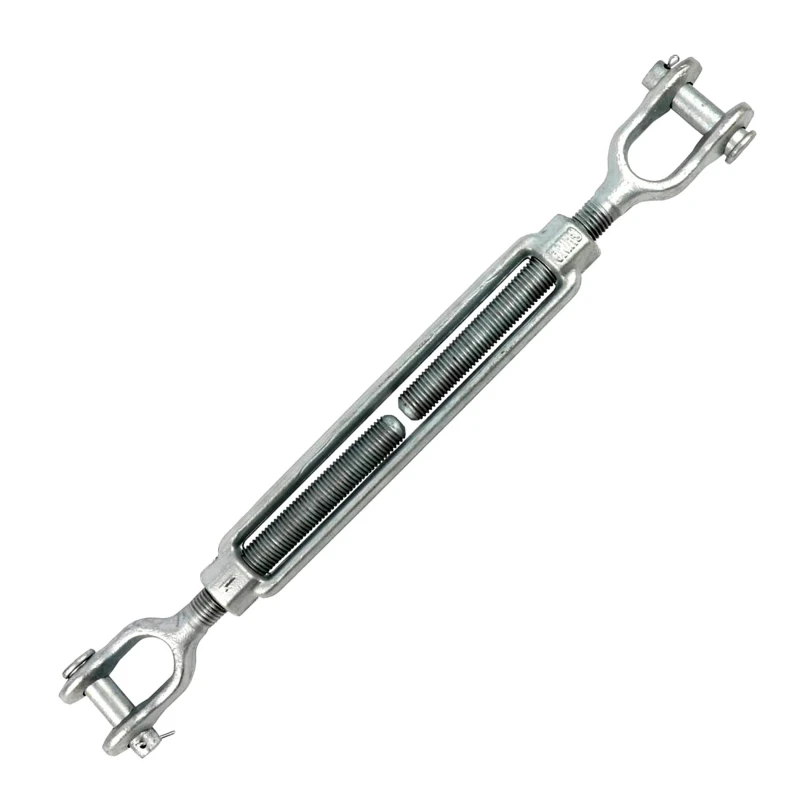
Turnbuckles adjust wire rope length and tension with precision. Available with hook, eye, or jaw ends, they help fine-tune alignment and load balance in rigging systems.
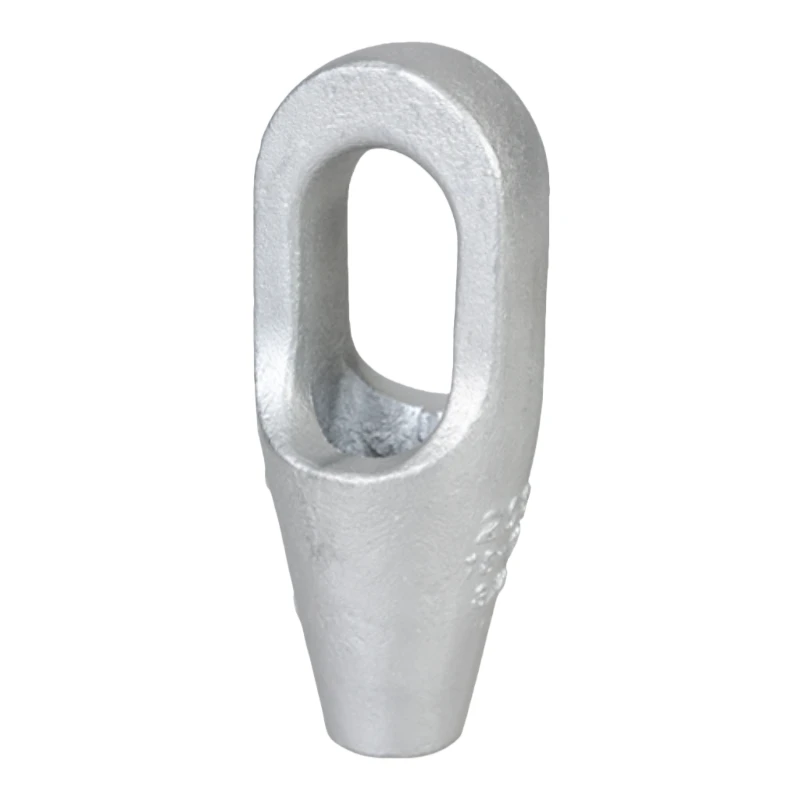
Spelter Socket
Spelter sockets are high-strength wire rope end fittings formed with zinc or resin. Open and closed types provide permanent, secure terminations for heavy lifting and rigging.
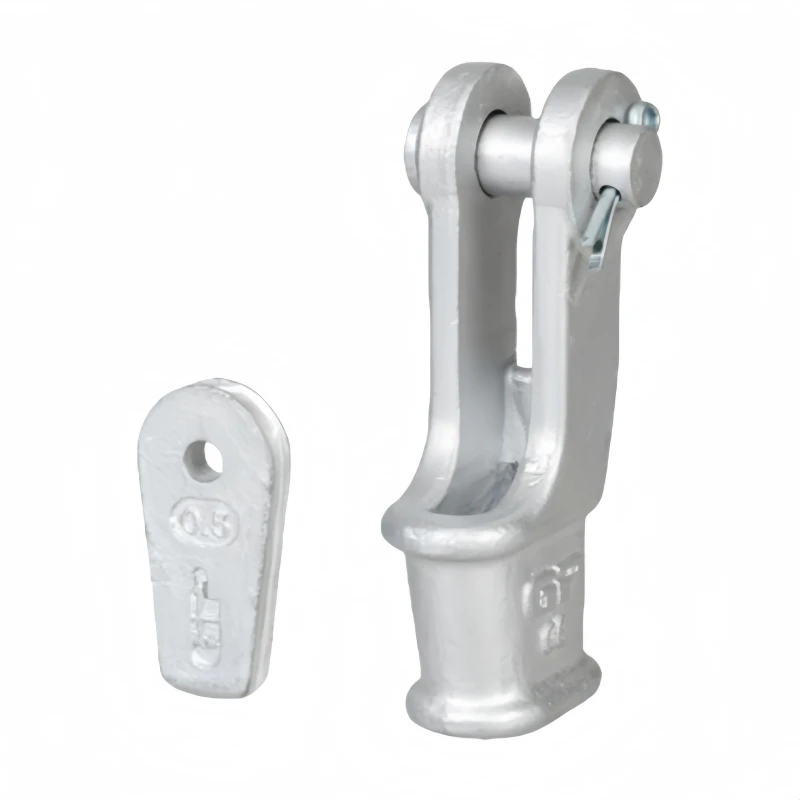
Wedge sockets secure wire rope without swaging. They allow fast installation, easy removal, and load adjustment, making them ideal for heavy-duty and on-site rigging work.
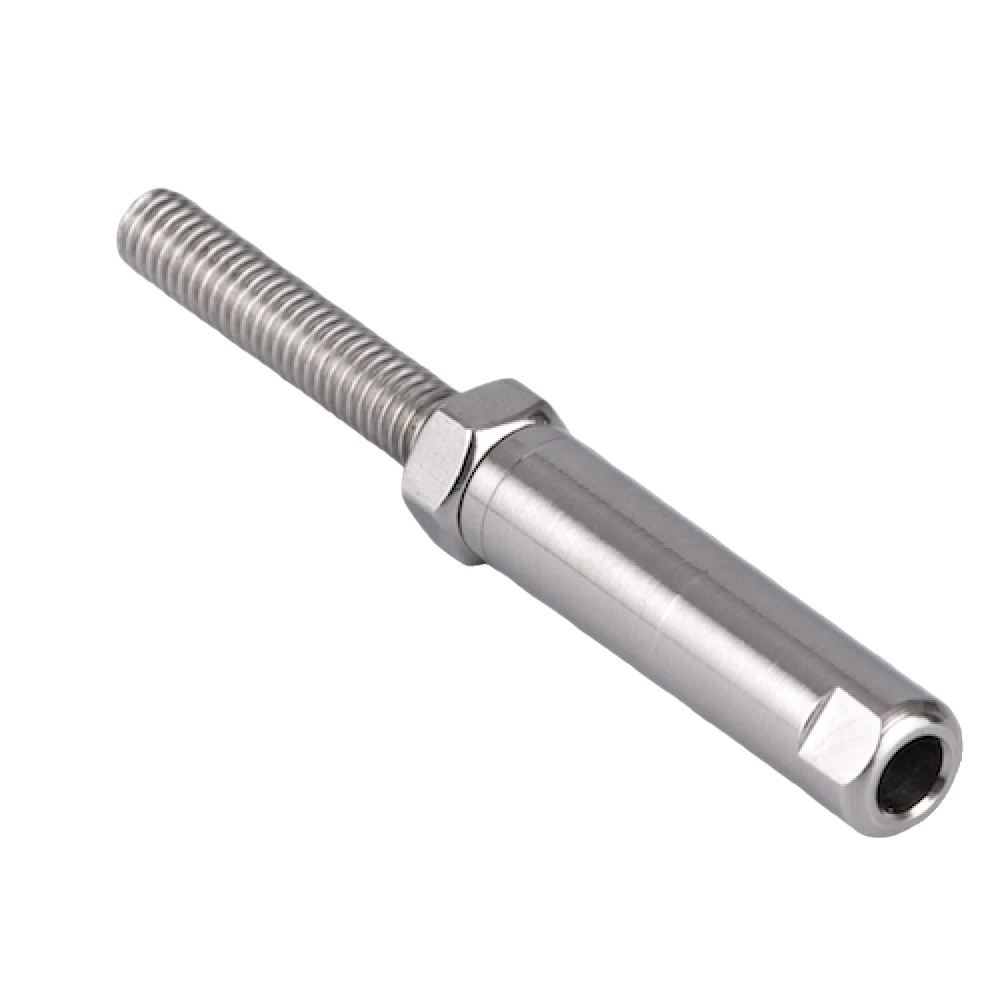
Swageless fittings connect wire rope without hydraulic tools. They install by hand, making them practical for on-site assembly, adjustments, and maintenance work.
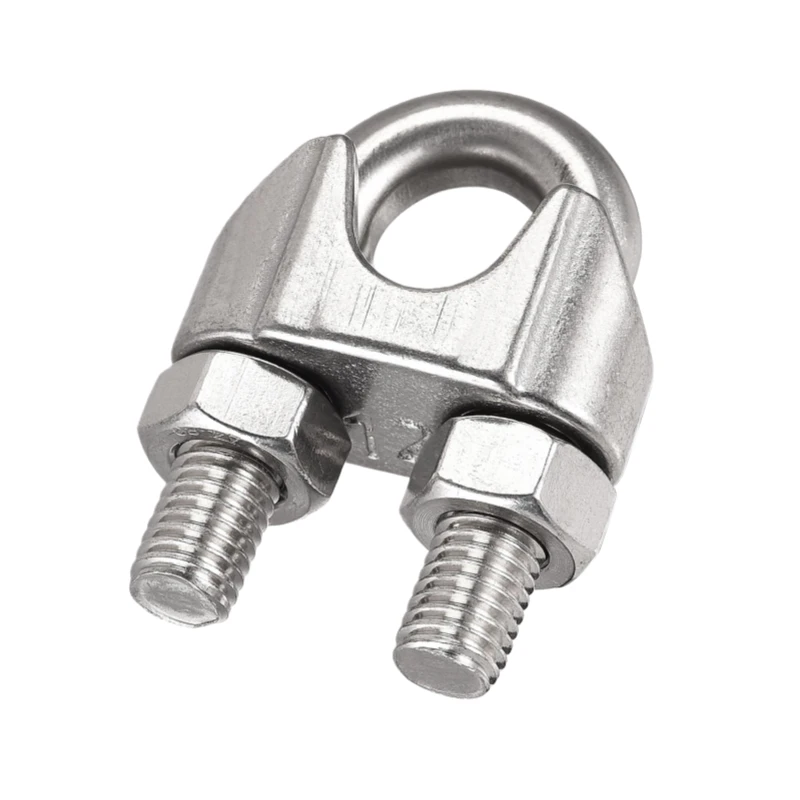
Wire rope clips secure rope ends to form loops or temporary connections. U-bolt and fist grip styles allow simple installation and adjustment in rigging setups.

Wire Rope Thimble
Wire rope thimbles fit inside rope eyes to reduce wear and crushing. They protect the rope under load and extend service life in lifting and rigging use.
Application of Wire Rope Fittings
For non-standard wire rope fittings, send us your drawing, sample, material requirement, quantity and working environment. Our team can evaluate manufacturability, recommend material or surface treatment, and provide a quotation for production.
Crane and Hoist Systems
Lifting Slings
Marine Rigging
Balustrade and Railing Systems
Mining Equipment
Agriculture Equipment
Custom Wire Rope Fittings
For non-standard wire rope fittings, send us your drawing, sample, material requirement, quantity and working environment. Our team can evaluate manufacturability, recommend material or surface treatment, and provide a quotation for production.


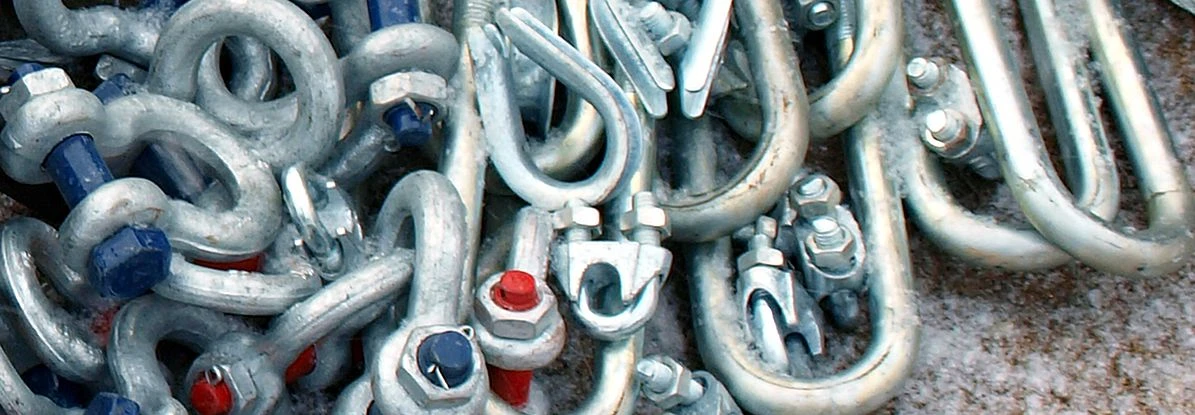
Guide to Wire Rope Fittings
Our guide to wire rope fittings helps you understand wire rope fittings types, applications, and selection tips so you can choose safe, reliable rigging connections.
What are wire rope fittings?
Wire rope fittings are hardware components used to terminate, connect, tension, protect or adjust steel wire rope. Common examples include end fittings, swage fittings, sockets, clips, thimbles, turnbuckles and shackles.
What is the difference between swage fittings and swageless fittings?
Swage fittings are compressed onto the wire rope with swaging equipment to create a permanent termination. Swageless fittings use mechanical locking and can often be installed on site without hydraulic swaging equipment.
How do I choose the right wire rope end fitting?
Confirm the rope diameter, rope construction, working load, termination style, installation environment, corrosion requirement and applicable safety standard. For safety-critical applications, request rated components and test documentation. For in-service condition checks, identification, wear, corrosion, deformation, and other inspection points, see our rigging hardware inspection checklist.
Can wire rope clips be used for lifting?
Wire rope clips must be selected and installed according to applicable standards, manufacturer instructions and engineering requirements. Do not use clips for lifting or safety-critical assemblies unless the design and rated components are approved for that use.
What materials are available for wire rope fittings?
Common materials include carbon steel, alloy steel, stainless steel, aluminum and copper, with finishes such as galvanized, hot-dip galvanized, polished stainless steel or other custom surface treatments.
Can you manufacture custom wire rope fittings from drawings?
Yes. For custom wire rope fittings, send the drawing, sample, material requirement, quantity, rope diameter and application. The manufacturer can evaluate the design and quote suitable production options.
Wire Rope Fittings Types
Selecting the right wire rope fittings starts with understanding how the rope works in your system. You need to match the fitting type to load behavior, installation needs, and service conditions.
Main types of wire rope fittings and their roles:
Sockets – Handle heavy static loads and critical lifting points
Swage terminals – Create clean, permanent, high-strength rope ends
Wire rope clips – Support temporary or adjustable connections
Shackles – Connect rope eyes to hooks or other hardware
Hooks – Allow fast and secure load attachment
Thimbles – Protect rope eyes from wear and crushing
Turnbuckles – Adjust rope length and control tension
Swageless fittings – Enable on-site assembly without hydraulic tools
When should you use swaged fittings instead of mechanical fittings?
You use swaged fittings when you need permanent, compact, and high-strength wire rope terminations. Hydraulic swaging locks the fitting to the rope with exact compression. You gain clean appearance and repeatable performance. Mechanical fittings like clips work better for temporary jobs or adjustments. Swaged fittings suit lifting equipment, architectural tension systems, and long-term installations.
You reduce inspection issues and loose connections. You should choose swaged fittings when removal does not matter and strength consistency matters more than field flexibility.
What is the difference between a wedge socket and a spelter socket?
A wedge socket uses a wedge to secure the wire rope and may allow easier installation or replacement. A spelter socket creates a permanent termination using resin or zinc compound, often for heavy-duty applications.
Why do wire rope thimbles matter even for light-duty systems?
You install wire rope thimbles to protect rope eyes from sharp bends and surface wear. Without a thimble, the rope strands crush and fatigue faster. Load cycles shorten service life. Even light-duty systems suffer early failure without protection. Thimbles maintain correct bend radius and distribute load evenly. You reduce maintenance costs and replacement frequency. You should treat thimbles as essential components rather than optional accessories in any rope loop.
Are wire rope clips safe for lifting applications?
You use wire rope clips only when the application allows temporary or adjustable connections. You must follow correct installation direction and torque. Improper setup leads to slippage and failure. Clips suit non-critical rigging, guy wires, and temporary anchors. You should avoid clips for overhead lifting and permanent systems. When you understand their limits and apply correct spacing and torque, clips perform reliably within their intended scope.
How do turnbuckles improve wire rope system performance?
Turnbuckles let you control tension and alignment with precision. You adjust length without dismantling the system. Proper tension improves load distribution and stability. You prevent sagging and uneven stress. Turnbuckles support structural cables, marine rigging, and architectural systems. When you pair correct end types with the right load rating, you gain fine control and longer system life. You should inspect threads regularly to maintain performance.
What role do hooks play in wire rope fitting systems?
Hooks connect wire rope to loads quickly and securely. You gain speed during lifting and rigging operations. Different hook styles support different safety needs. Safety latches reduce accidental disengagement. Eye hooks integrate with shackles and sockets. You should match hook design to load type and movement. Oversizing hooks increases safety margin.
When do swageless fittings make more sense than swaged fittings?
You choose swageless fittings when you need on-site installation without hydraulic tools. These fittings allow manual assembly using simple hand tools. You gain flexibility during maintenance and field repairs. Swageless fittings suit architectural cables and light to medium loads. You accept higher unit cost in exchange for speed and adaptability. You should follow manufacturer instructions closely to ensure proper grip and strength.
How do shackles support wire rope fitting systems?
Shackles link wire rope eyes to hooks, slings, and hardware. You create removable and strong joints. Screw pin shackles support quick assembly. Bolt-type shackles handle long-term installations. Proper pin engagement prevents side loading and thread damage. You should align shackles with load direction. Correct shackle selection improves safety and system flexibility across lifting and rigging operations.
What information is needed for a quotation?
Provide the fitting type, material, finish, rope diameter, quantity, drawing or photo, application, required standard, certificate requirement and destination country or port.
Do you provide test reports or certificates?
Test reports or certificates can be provided when required by the order and product type. Buyers should confirm the required standard, rated load and documentation before production.
Have More Questions of Wire Rope Fittings?
Need wire rope fittings for your project? Send us the fitting type, rope diameter, material, quantity and application. Our team will help confirm the suitable product and provide a quotation.