Custom Rigging Hardware & OEM Manufacturing
Send us a drawing, reference sample, or performance brief. Powerful Machinery reviews the application, confirms the specification, develops or adapts the required tooling, submits samples for approval, and moves the approved design into controlled production. Custom marking, private-label packaging, and export packaging can be included in the project plan.
- NDA available before proprietary files are exchanged
- Engineering and design-for-manufacturing review
- New or modified tooling where the approved design requires it
- Sample or first-article approval before production
- Inspection, testing, and traceability defined by product and order
- Custom marking, labels, cartons, and export packaging
- MOQ and lead time confirmed for the selected manufacturing route
OEM Rigging Hardware for Products That Carry Your Name
An OEM program should establish the approval path before production begins. We work with equipment manufacturers, rigging brands, importers, distributors, wholesalers, and project buyers that need standard products under their own label, modified standard components, or drawing-based custom rigging hardware.
The scope is defined around the product, intended use, target market, and evidence required for acceptance. Engineering, purchasing, and quality teams can then see what will be reviewed, what requires approval, which records will be supplied, and what drives tooling, MOQ, and lead time. For standard product sourcing outside an OEM program, review our rigging hardware manufacturing range.
Who This Service Is For

OEM and Private Label Product Scope
You can start with an existing product for branding and packaging, adapt a standard design, or develop a component from a controlled drawing. Final feasibility, load rating where applicable, testing, and compliance scope must be confirmed during technical review.
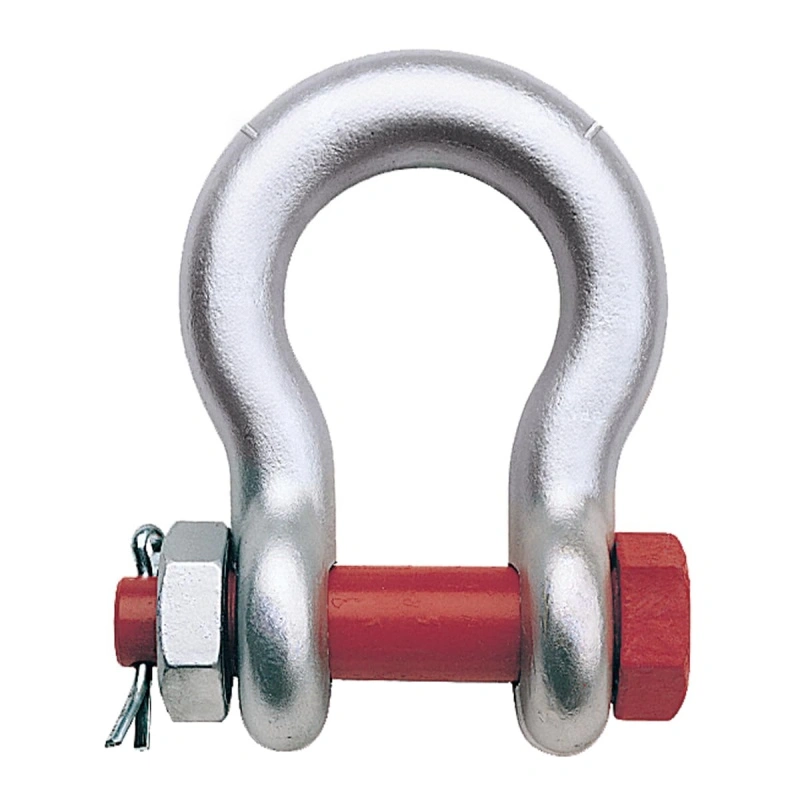
Bow, Dee, screw-pin, bolt-type, and special-geometry shackles can be reviewed for material, pin style, dimensions, finish, marking, and packaging requirements.
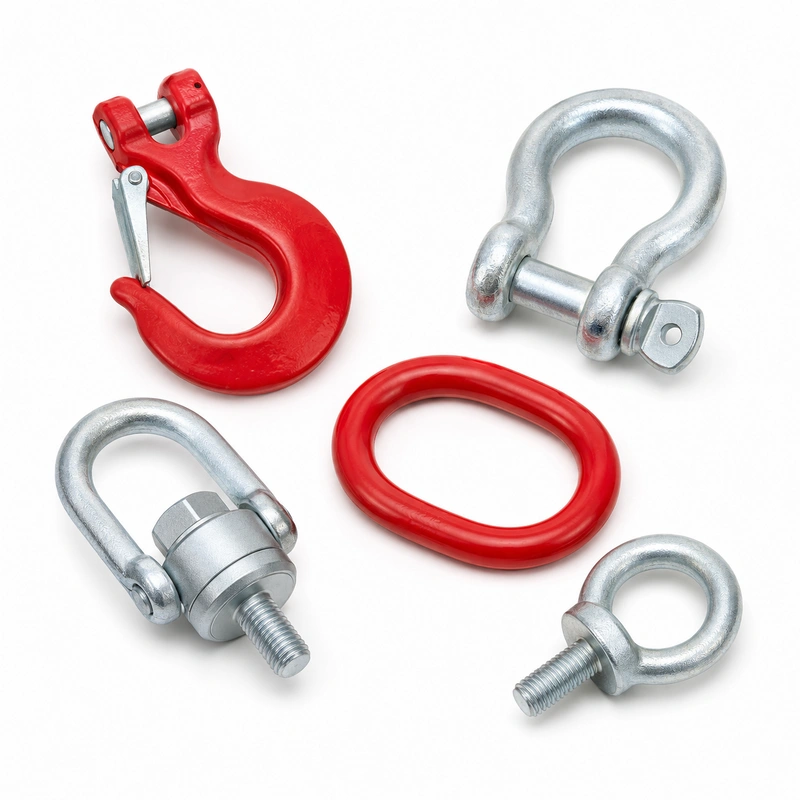
Custom programs may cover clevis and eye hooks, grab hooks, slip hooks, self-locking hooks, master links, connecting links, swivels, eye bolts, and related lifting or connection points. Product selection and rated use are confirmed against the approved specification.
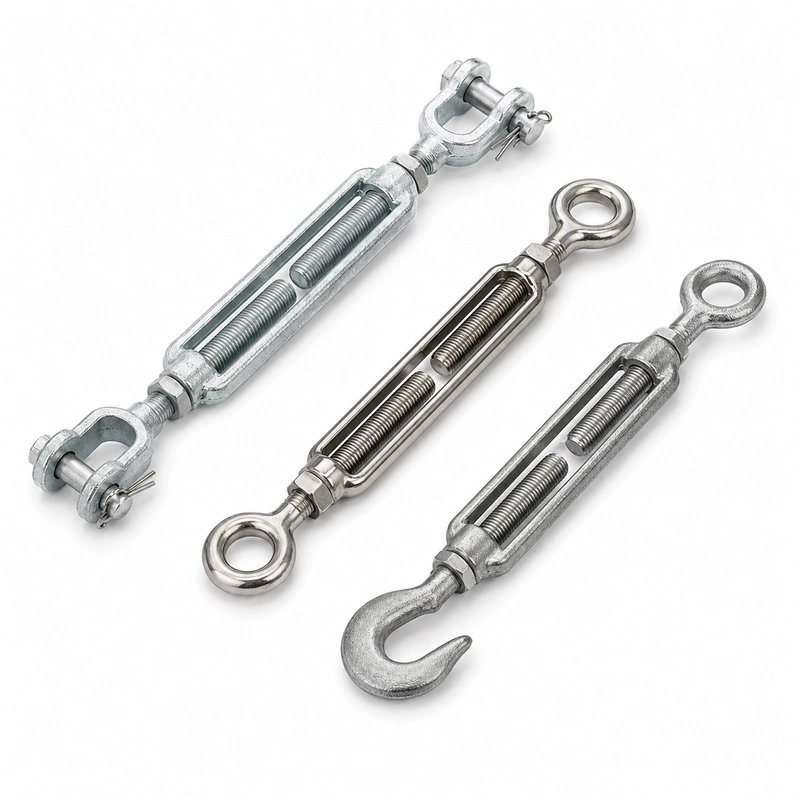
Jaw-jaw, eye-eye, hook-eye, swage, and project-specific turnbuckles can be reviewed for thread size, take-up, end-fitting configuration, material, finish, marking, and inspection requirements.
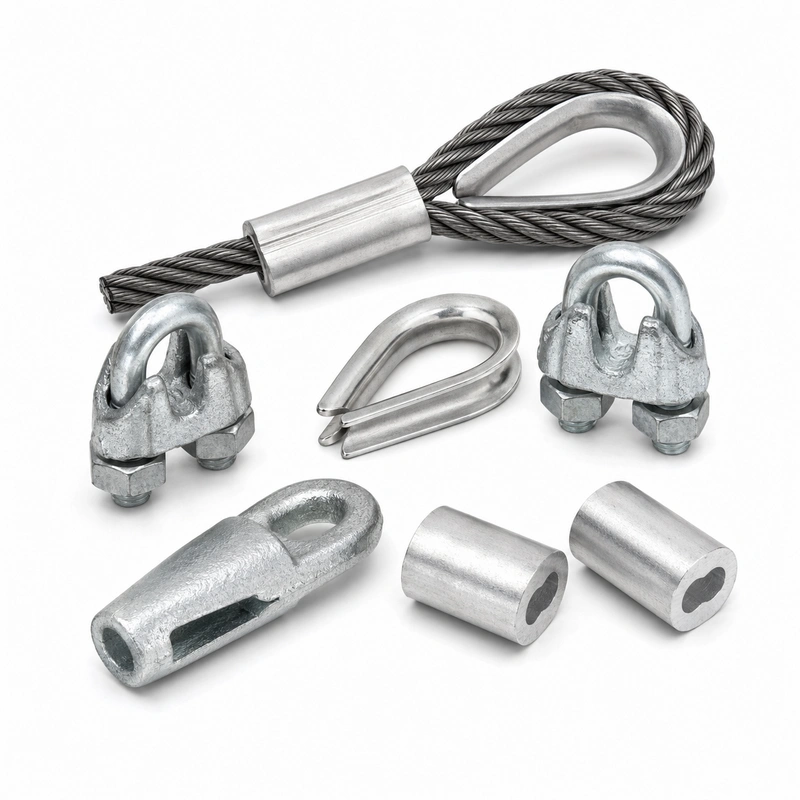
Programs can include wire rope fittings such as clips, thimbles, sockets, sleeves, and swivels. They may be supplied as components or within an approved assembly, subject to the applicable product specification.
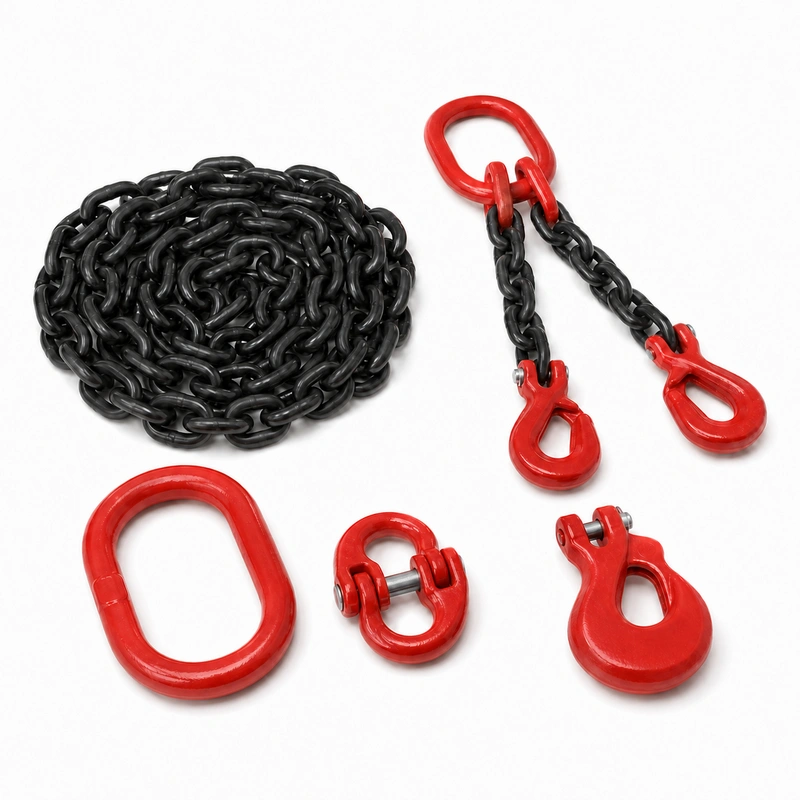
Chains, Components and Assemblies
Grade 80 and Grade 100 lifting chains, hooks, links, and selected assemblies can be matched to the approved application. If you need a complete chain sling assembly, send the configuration and load details through our custom chain sling specification page.
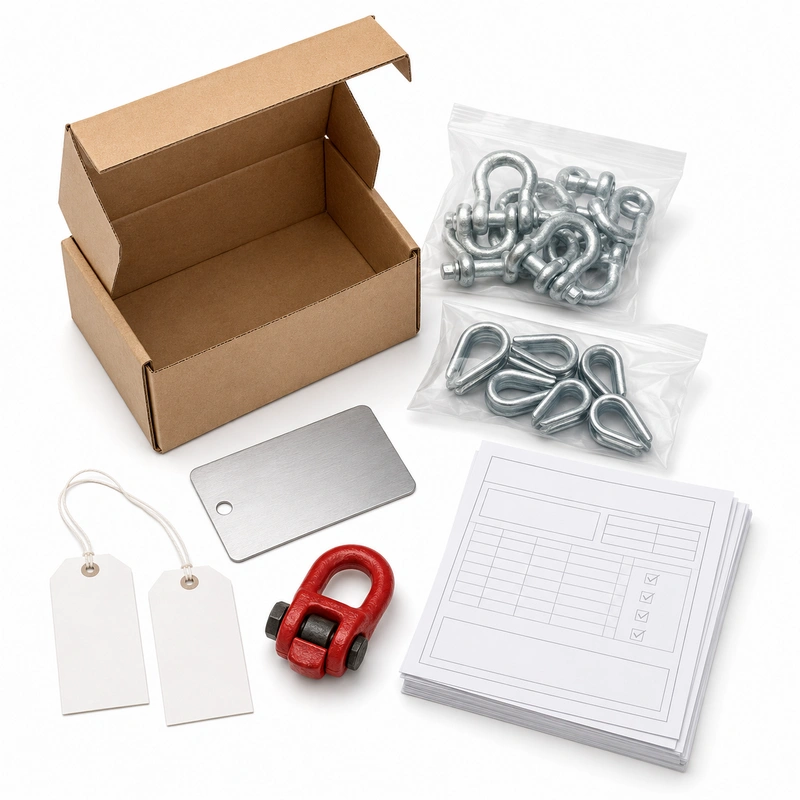
Marking, Packaging and Documentation
Depending on the product and order, private-label options may include forged, stamped, or engraved identification; color or finish options; labels; cartons; manuals; pallet marks; and export packaging. The required certificate and inspection-document package is agreed during quotation rather than assumed.
What You Can Customize
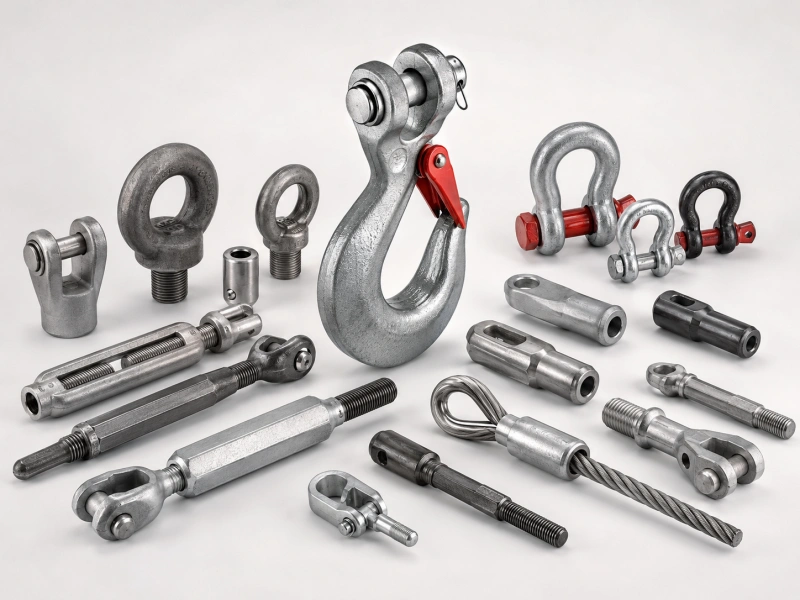
Geometry and performance: size, interface, end fitting, working requirement and application constraints.
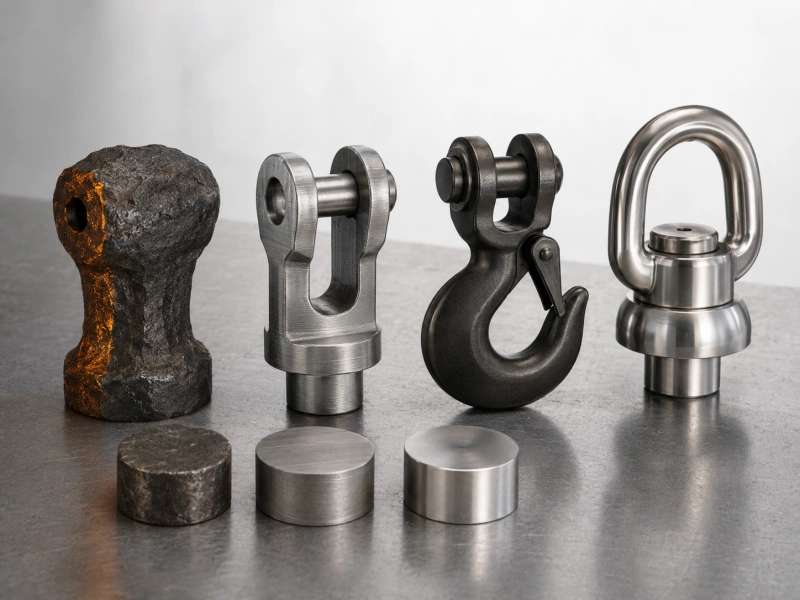
Materials and process: carbon steel, alloy steel or stainless steel options; forging, machining and heat-treatment route as approved.
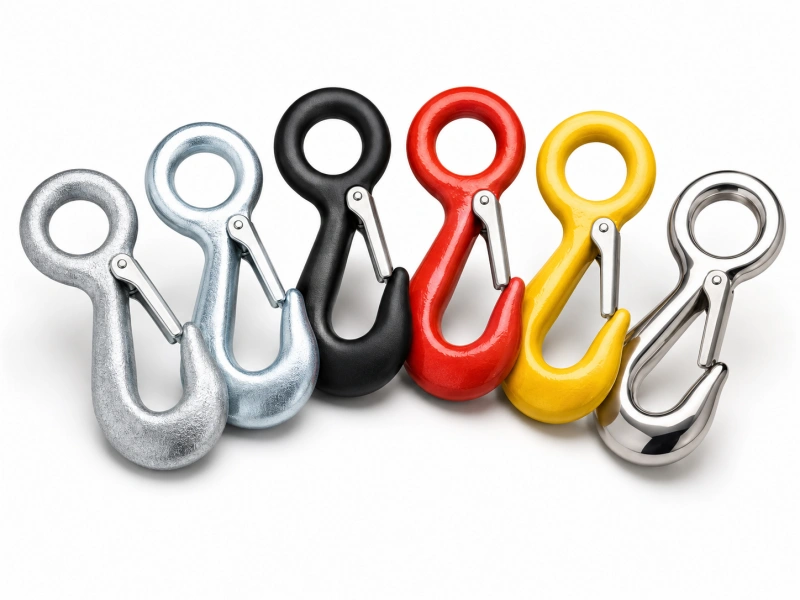
Surface and appearance: galvanized, plated, painted, powder-coated, polished or other project finishes where feasible.
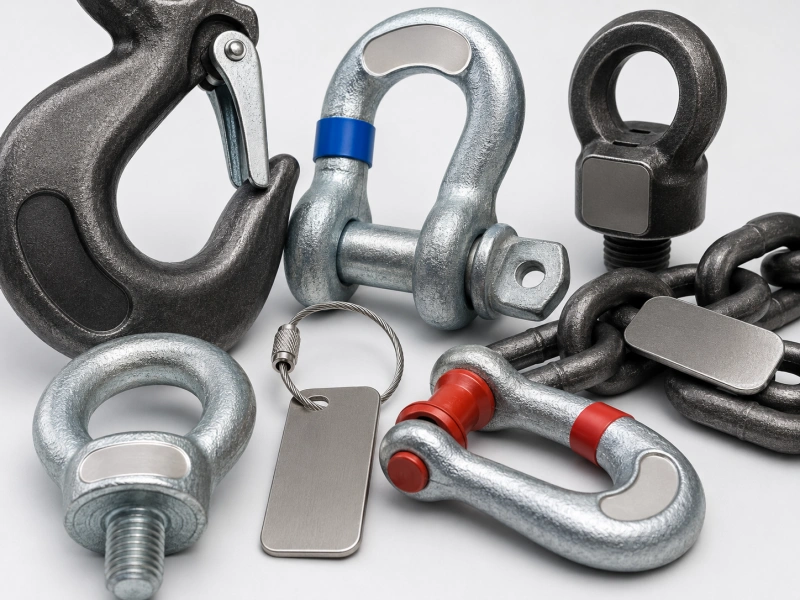
Identification: brand, part number, size, batch code, rated information and other required markings.
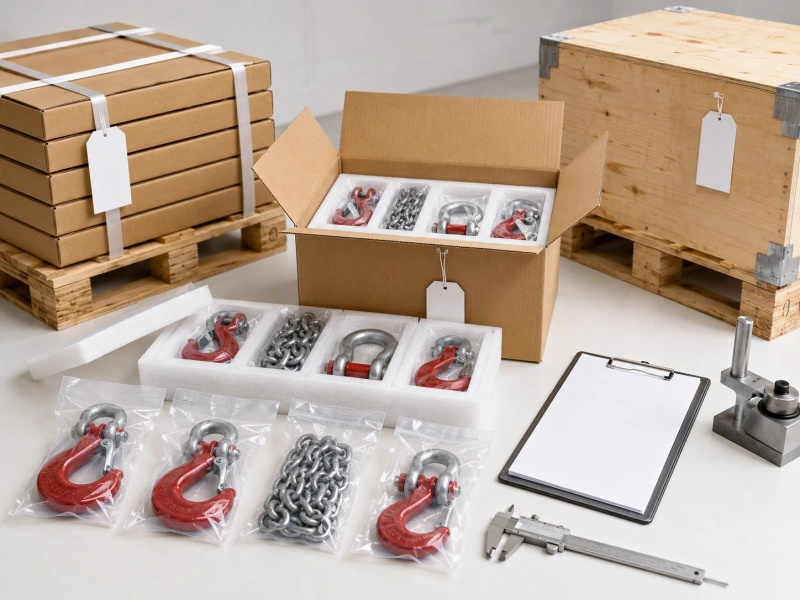
Packaging and records: unit packs, cartons, pallets, export cases, labels, inspection records and agreed certificate package.
Choose the Right Manufacturing Route
Not every OEM project needs a new forging die. We start with the least complex route that can meet the approved requirement, because unnecessary tooling adds cost and time without adding value.
Private Label From an Existing Product
Best when a current size, material and performance specification already fits your market. The project focuses on approved markings, labels, packaging, document language and order quantities. This is usually the most direct route to a branded product line.
Modified Standard Product
Best when the base product is suitable but an interface, dimension, finish, marking or package needs to change. Engineering reviews whether existing tooling can be adapted and which new checks are required before a sample is released.
Drawing-Based Custom Component
Best for a unique geometry, equipment interface or performance requirement. This route normally needs a controlled drawing, design-for-manufacturing review, dedicated tooling or fixtures, first-article approval and a project-specific quality plan. Load-rated use is confirmed only against the approved design, test scope and documentation.
Our 7-Step OEM Rigging Hardware Process
Every project follows the same decision gates, but the details depend on the product and its intended use. A standard private-label item may move quickly to marking and packaging approval. A new forged part may require design-for-manufacturing review, dedicated tooling, first-article samples and a project-specific inspection plan.
1. NDA and Project Intake
If your drawings, samples or product plans are confidential, we can put an NDA in place before technical files are exchanged. We then record the product, application, target market, quantities, timing and document requirements.
2. Engineering and Design Review
Our team reviews geometry, material, heat treatment, working requirements, finish, markings, target standard, test scope and annual demand. If a detail creates unnecessary cost or production risk, we raise it before tooling begins and agree the revision with you.
3. Quotation, MOQ and Project Plan
The quotation separates product cost, tooling, samples, testing, packaging and commercial terms where applicable. MOQ and lead time are tied to the approved manufacturing route, not presented as generic promises.
4. Tooling and Process Development
Where the part requires a new die, mold, gauge or fixture, the tooling scope is quoted and approved before manufacture. Trial parts are checked against the controlled drawing before the project advances.
5. Sample or First-Article Approval
You receive a sample or first article for dimensional, functional, finish, marking and packaging approval as required. The signed-off sample and drawing become the production reference. Later changes are reviewed for their effect on tooling, cost, testing and lead time.
6. Controlled Production and Quality Assurance
Quality checks follow the approved specification and inspection plan. Depending on the product and target standard, records may cover raw-material verification, dimensions, heat treatment, surface finish, visual inspection, marking, traceability and load or proof testing.
7. Branded Packing, Shipment and Repeat Orders
Approved labels, cartons, pallet marks and export packing are checked before shipment. Repeat orders use the controlled drawing, sample reference and agreed quality plan so changes remain visible and batch consistency is easier to manage.

Evidence to Confirm Before Choosing a Custom Rigging Hardware Manufacturer
A factory comparison is useful only when the evidence applies to your product and order. Before you approve a supplier, confirm the following items in writing:
- The controlled drawing, specification, and revision level
- The proposed manufacturing route and any required tooling
- Material, heat-treatment, and finish requirements
- Sample or first-article acceptance criteria
- Inspection, load-testing, or proof-testing scope where applicable
- Part, batch, and rated-information markings
- Traceability records and certificate package
- Packaging, destination marks, and delivery terms
- Change-control procedure for repeat orders
How MOQ Is Determined?
There is no meaningful one-size-fits-all MOQ for custom rigging hardware. The minimum depends on whether the product uses existing tooling, the raw-material batch, the forging and machining route, finish, test requirements, and packaging.
The project quotation should show the MOQ and the main factors behind it. A pilot quantity may be discussed where the selected process permits it.
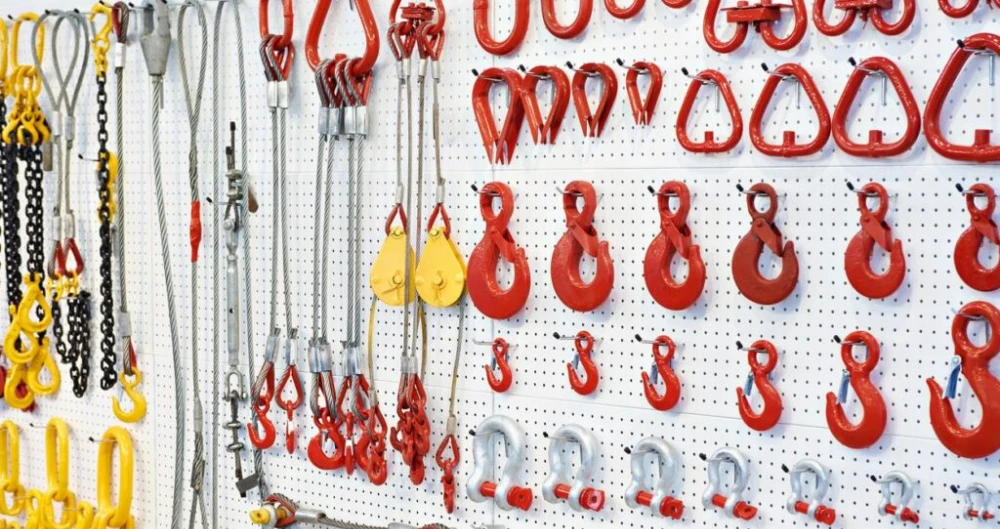
What to Send for an Accurate OEM Factory Quote
A complete inquiry helps us choose the manufacturing route and identify missing approvals before sample costs are committed. Please send:
- Product type, intended application, and whether it is used for lifting, securing, tensioning, or as part of an equipment assembly
- A 2D drawing, 3D model, reference sample, marked-up photo, or critical dimensions
- Required rated capacity/WLL or other performance requirements, where applicable; the applicable standard or customer specification; material; heat treatment; finish; and environmental conditions
- Required markings, traceability, inspection, testing, and certificates
- Sample quantity, initial order quantity, and annual forecast
- Logo, label, carton, manual, and pallet-mark files for private-label programs
- Destination, delivery window, and required trade terms
Powerful Machinery is based in Qingdao, China, and supplies chains, wire rope, and rigging hardware to industrial buyers. For OEM work, the practical advantage is a single approval path linking technical files, tooling, trial parts, batch inspection, markings, packaging, and export documentation.
Review our manufacturing and quality capabilities, then send the exact product requirements for feasibility confirmation.
Custom OEM Rigging Hardware FAQs
Can You Manufacture from Our Existing Sample Without a CAD Model?
A reference sample can be used to begin the feasibility review. Critical dimensions, material requirements, performance requirements, and acceptance criteria still need to be documented before tooling or production is approved.
Who Owns the Custom Tooling for an OEM Project?
Tooling ownership, storage, maintenance, replacement, and any restrictions on its use should be defined in the project quotation or tooling agreement before tooling manufacture begins.
Can You Work to Our Company Specification Instead of a Standard Product Specification?
Yes, a customer specification can form part of the technical review. The applicable drawing revision, material requirements, performance criteria, inspection methods, and acceptance requirements must be clearly defined before production.
Can One OEM Project Include Several Related Rigging Components?
Yes. A project can cover multiple compatible components or assemblies, subject to separate technical review of each item where dimensions, rated performance, manufacturing processes, or testing requirements differ.
How Are Engineering Changes Managed After Approval?
Changes to an approved drawing, material, finish, marking, tooling, or inspection requirement should be reviewed before implementation. The effect on samples, testing, pricing, MOQ, and lead time is then confirmed before the revised version enters production.
Can Repeat Orders Be Made Against the Same Approved Specification?
Repeat production can reference the approved drawing, revision, marking requirements, packaging specification, and inspection plan. Any requested changes should be reviewed through the agreed change-control process before the next production run.
Start with the Requirement, Then Approve the Production Plan
Send the drawing or sample information, applicable standard or customer specification, quantity, testing and documentation requirements, packaging files, destination, and timing.
We will review the manufacturing route, identify the required approvals, and return the next technical questions or a project quotation.